Data Center Electrical Infrastructure Essentials
Understanding Electrical Infrastructure in Data Centers: The Power Behind the Cloud
In a world swimming in data faster than a Marvel multiverse crossover, the unseen yet powerful force behind our digital lives is often taken for granted. While we’re all streaming videos, sending emails, or asking Alexa what year Shrek came out (it’s 2001, for the record), there’s a silent, complex ballet happening — made possible by the electrical infrastructure for data centers. Commercial and industrial facilities depend heavily on this foundation to keep their data safe, fast, and flowing like smooth jazz at midnight.
But don’t worry, you won’t need a PhD in electrical engineering to understand it. With the team at Kord Electric holding the metaphorical flashlight, enlightening us on how it really works (yes, pun intended), even the most jargon-averse among us can grasp the awe and accountability behind that humming electrical heartbeat.
1. Behind the Server Racks: What Powers the Digital Empire
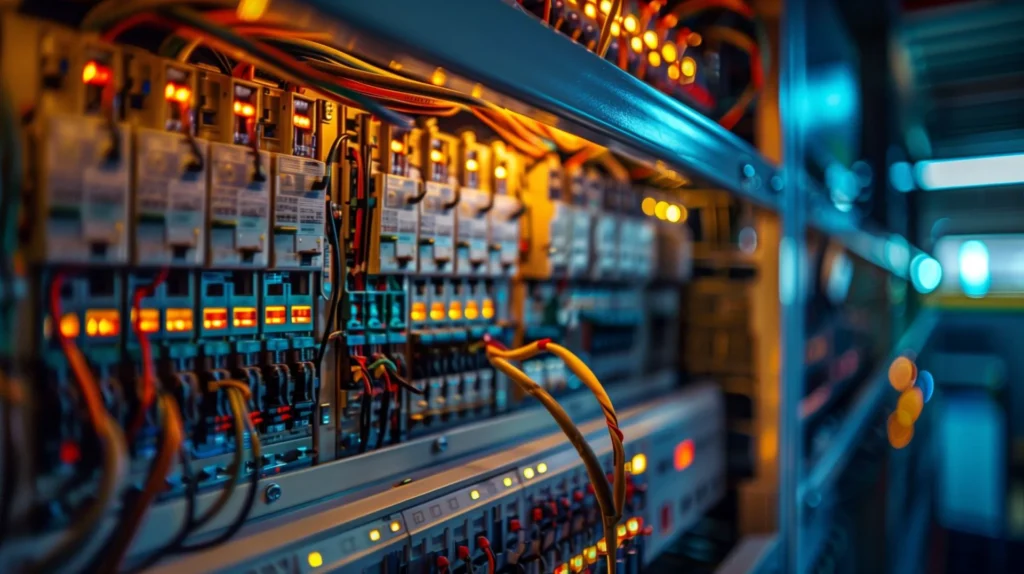
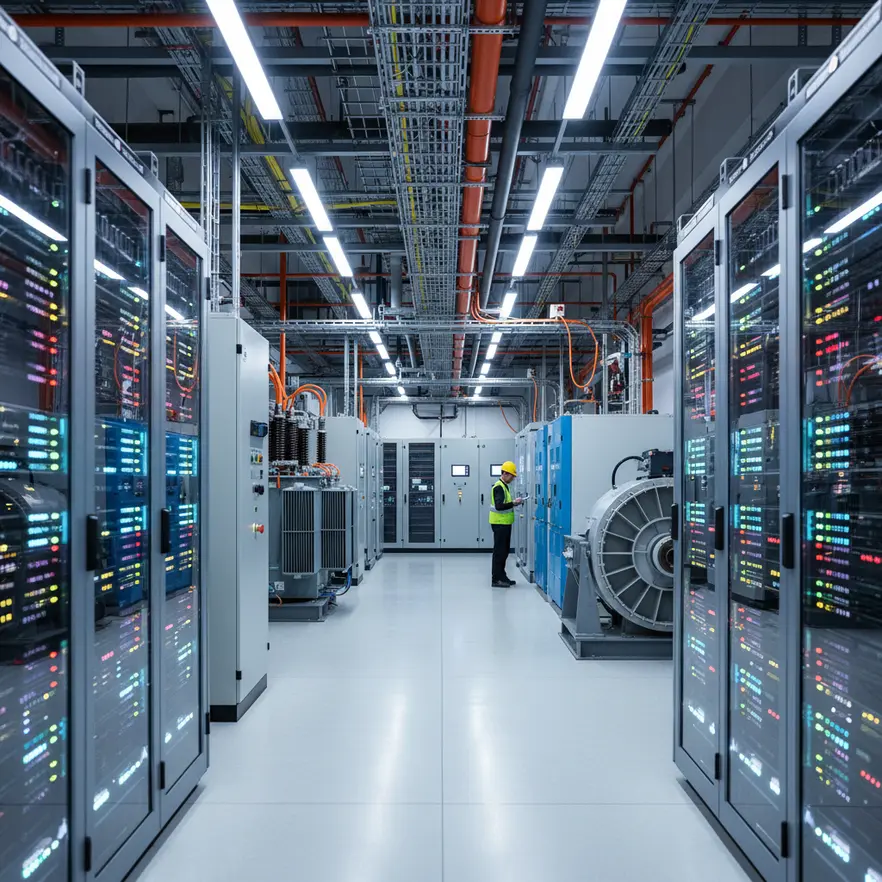
Let’s begin with what’s at the core — or should we say, the motherboard — of any data center: the power distribution network. This isn’t your average office breaker box. We’re talking about enterprise-level electrical designs that power hundred-thousand-square-foot buildings, with loads that could make a nuclear submarine sweat.
At its simplest, imagine electrical infrastructure for data centers as the circulatory system of a major property building — minus the cholesterol. It must deliver clean, reliable, and uninterrupted power 24/7/365. Not just for one computer, but for thousands.
Now, when Kord Electric’s technicians walk a client through system layouts, they’re not pointing at confusing spaghetti diagrams. They’re translating the science into plain English, explaining how every switchgear, panelboard, and transformer ensures uptime — because no one wants a data dropout during the Super Bowl ad stream.
2. Power Sources: Why Redundancy Isn’t Just a Wedding Speech

Powering a data center isn’t a one-and-done plug in the wall. We’re talking primary utility feeds backed up by diesel generators, UPS systems (the electrical kind, not the guy in brown shorts), and sometimes even renewable sources like solar or wind for the eco-conscious tech moguls out there.
But why all the backups? Glad you asked. One word: redundancy. The same way Tony Stark built a backup suit for his backup suit, commercial-grade data centers require layers of fail-safes. Kord Electric installs these infrastructures with N+1 and 2N configurations (think of them as power grid cheat codes). So if one part fails, another steps in, no smoke, no sparks, and definitely no downtime.
The entire system works like a pit crew in a Formula 1 race — fast switches, seamless transitions, and minimal disruptions, even if the main utility suffers a hiccup.
3. Transformers & Switchgear: Not the Michael Bay Kind
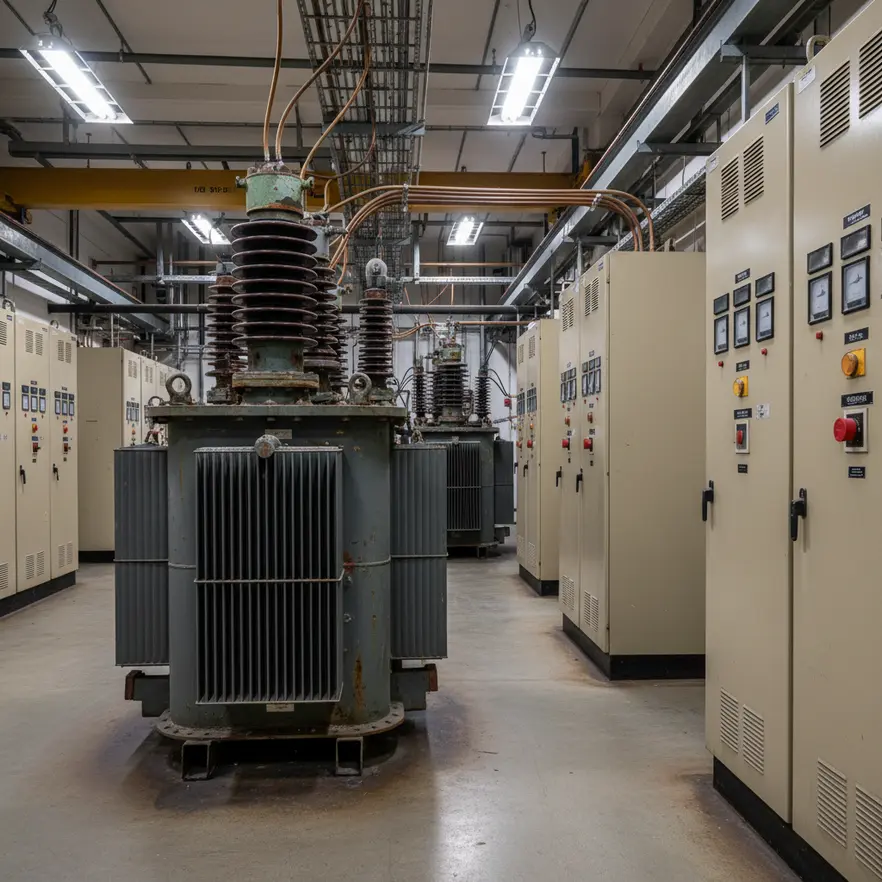
If data centers were Marvel characters, transformers and switchgear would be Nick Fury — operating behind the scenes but crucial to the whole operation. These unsung heroes manage the incoming voltage, distributing it safely and efficiently around the facility like a well-oiled power grid concierge.
High-voltage power steps down through heavy-duty transformers, ensuring that sensitive computing equipment doesn’t get fried. That’s right — no one wants their million-dollar server racks experiencing a power surge more devastating than your last coffee spill.
Switchgear, lovingly installed by Kord Electric with the finesse of an artist hanging a Renoir, manages the circuits, isolating faults and ensuring electrical reliability. Every component is selected based on load demands, future scalability, and whether or not it can survive a Godzilla-level power surge.
4. UPS Systems: The Never-Sleeping Guardians
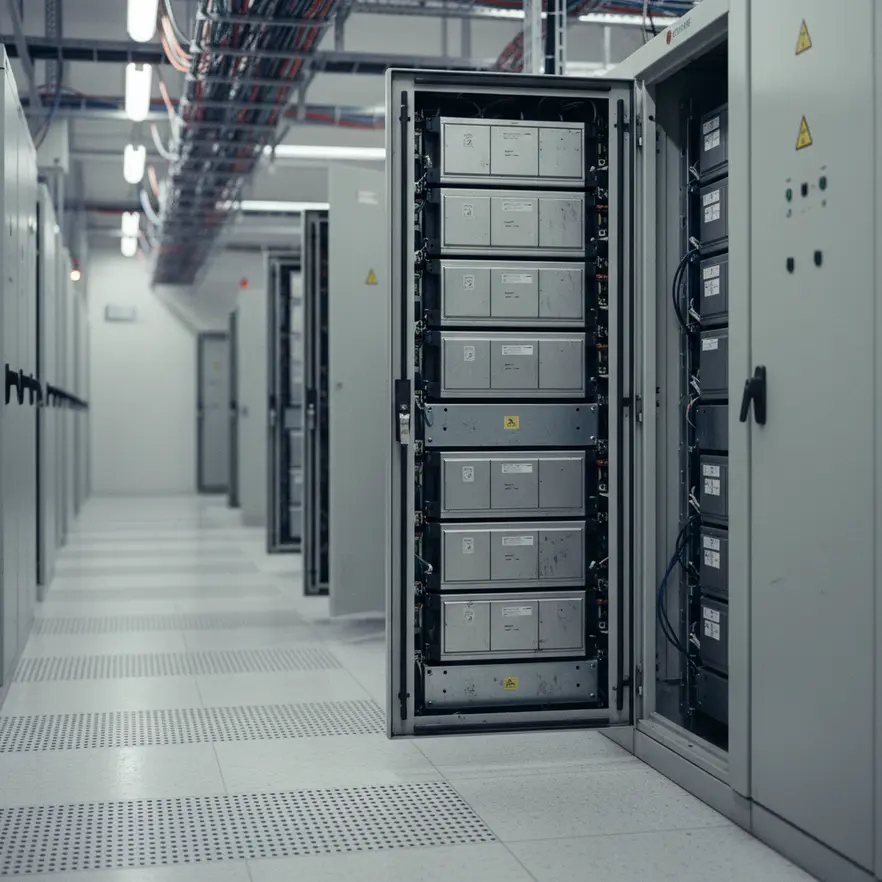
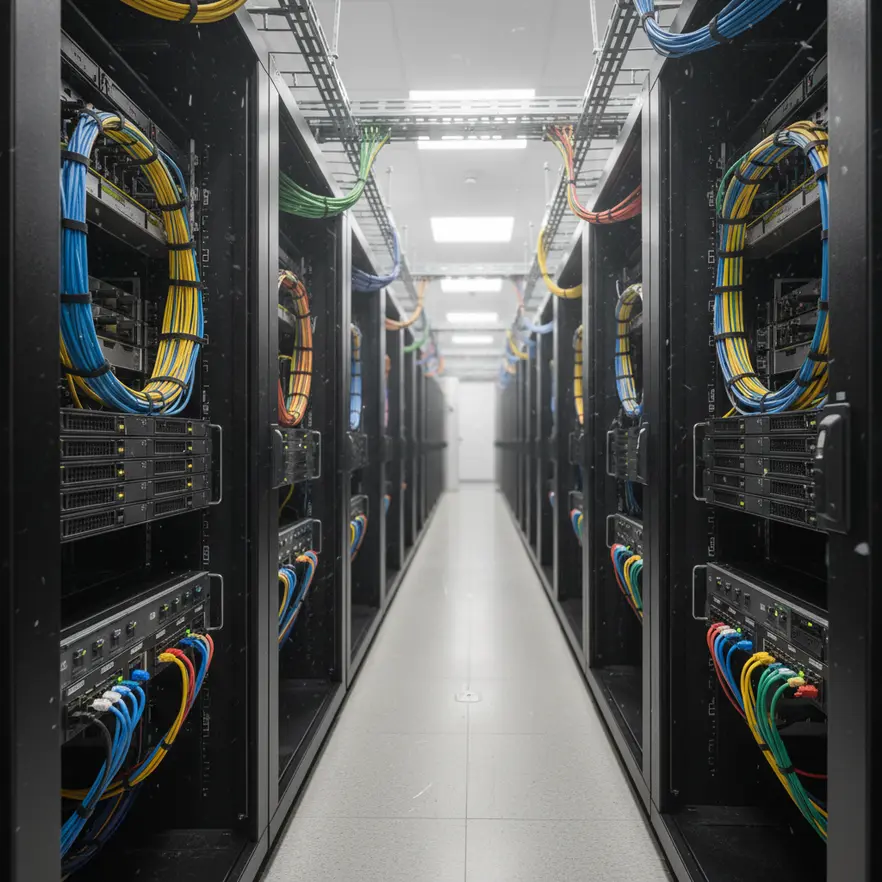
You can’t talk electrical infrastructure without tipping your hat to the UPS — the Uninterruptible Power Supply. In short, these are the bodyguards that leap into action the instant power dips. No gunfire required.
These battery-laden lifelines kick in the moment a disruption is detected — sometimes in milliseconds that make The Flash look like he’s stuck in traffic. Kord Electric technicians often refer to these as “the ultimate insurance policy” against power failure. And no, this isn’t the kind you have to haggle about with some long-winded agent over the phone. This one actually kicks in when you need it.
Advanced models even include flywheel technology and load balancing features that can juggle power distribution in real-time. Imagine a juggler handling flaming swords — without drama. That’s a UPS during a blackout.
5. Cooling Systems: Where Heat Meets Its Match
With great power comes great… heat. As in, scorching, equipment-melting heat. You see, all that electricity zipping around isn’t just sending emails or holding Bitcoin — it’s generating serious temperatures that need to be managed with military precision.
Enter electrical cooling systems, which include chillers, CRAC units (Computer Room Air Conditioners), precision in-row cooling, and eccentric setups that make the Batcave look outdated.
Here’s where the elegance of design matters: The more efficiently the electrical infrastructure organizes its power delivery, the less strain placed on HVAC systems. Kord Electric ensures that every circuit supports not just power demands, but also accounts for indirect effects like thermal output — because in the data center world, Btu is as feared as your phone battery hitting 1% during a flight delay.
6. Grounding and Bonding: Electricity’s Safety Net
Let’s discuss grounding — not the parental kind, but the one that keeps commercial environments in one piece. Grounding and bonding strategies protect both people and equipment by ensuring voltage doesn’t go rogue when problems arise.
This aspect gets special attention from Kord Electric’s crews because they understand high-rise commercial towers or sprawling industrial campuses can’t afford mishaps. One bad ground path, and you’re looking not only at data loss but potential system-wide damage. It’s a literal electronic handshake between all system components, creating a neutral connection point that handles stray voltage like bouncers at an unruly nightclub.
7. Preventive Maintenance: A Stitch in Time (Saves a Whole Lot of Circuitry)
Neglecting preventive maintenance in a data center is like skipping oil changes because your car “feels fine.” Eventually, something breaks — expensively.
Kord Electric’s approach to electrical maintenance isn’t reactive. Their technicians use infrared scanning, load testing, and arc flash studies to detect potential issues long before a single spark flies. Given that downtime costs can soar into tens of thousands per hour for major facilities, having routine check-ups is about as optional as breathing.
The result? Your commercial or industrial setup runs smoother than Sinatra on vinyl.
8. Panelboards and PDUs: Precision Every Step of the Way
A crucial piece hiding in plain sight: the humble Panelboard. It’s central command for power routing — organizing and distributing electricity in a way that turns chaos into clear order. Then there are Power Distribution Units (PDUs), which monitor output and help optimize performance down to the device level.
Think of them like traffic controllers at JFK. Without them, network traffic crashes into power overloads faster than autocorrect ruins your texts. Kord Electric ensures the right combination of breakers, monitoring software, and scalable hardware so data centers can adapt to ever-evolving tech without pulling the plug.
Aside from the technical stuff, there’s pure elegance in design: clean load balancing, color-coded branches, complete remote access when needed — and yes, diagnostic tools that would make a NASA engineer blush.
9. Getting Smart: The Role of Monitoring Systems in Modern Facilities
| Function | Benefit |
| Load Analysis | Prevent overload before it fries your investment |
| Energy Optimization | Lower utility bills and carbon footprints |
| Fault Detection | Flag issues instantly, reducing repair delays |
| Security Compliance | Maintain uptime for audits and regulations |
Today’s electrical infrastructure isn’t just reactive. It’s proactive. Facilities now integrate advanced monitoring systems to provide real-time insights into power usage, faults, efficiency, and heat loads — all from a dashboard slicker than your favorite CRM.
Kord Electric builds these smart systems into electrical plans from day one, enabling major commercial and industrial clients to not just understand their power usage — but to control it in near real-time.
Frequently Asked Questions (FAQ)
What is electrical infrastructure in data centers?
It’s the network of components delivering, managing, and protecting power flow within a data center.
Why is redundancy important?
Redundancy ensures uninterrupted power by providing backup systems in case of primary power failure.
How do UPS systems protect data centers?
They provide instant backup power during outages, preventing data loss or equipment damage.
What’s switchgear used for?
Switchgear manages power circuits and includes safety mechanisms to isolate faults.
Do data centers use renewable energy?
Larger facilities sometimes integrate solar or wind power alongside traditional sources.
How often should electrical systems be inspected?
At least annually, though quarterly checks provide better protection against unexpected failures.
What is Kord Electric’s specialty?
Providing high-performance electrical systems for commercial, industrial, and high-value real estate properties.
Can Kord Electric upgrade existing power systems?
Yes, they retrofit and modernize systems to meet growing energy demands efficiently.
Conclusion: Get Your Power Right (Before It Gets You)
A data center is only as strong as the power system behind it. If your facility hums with high-demand technology, you can’t afford loose ends in the infrastructure. Kord Electric specializes in intelligent, robust, and scalable solutions for commercial and industrial spaces. Schedule a consultation now and take control of your power needs — no capes required, just expertise.