Commercial Electrical Maintenance Checklist Guide
At Kord Electric, we believe a strong maintenance checklist is the backbone of reliable electrical system care for commercial and industrial facilities. Within the first few minutes of stepping into a major property building, our technicians can tell whether a system has been nurtured or neglected. And yes, wires have a way of revealing secrets. Electrical systems do not fail overnight. They whisper before they scream. That is why we guide property managers and facility directors through a structured, proactive approach that keeps operations steady and downtime rare. In the sections ahead, we break down what a serious electrical inspection routine looks like, how our expert service staff explain each step, and why consistency always wins over last minute panic.
Why Every Commercial Facility Needs a Structured Electrical Maintenance Checklist
Large buildings run on power the way cities run on coffee. Without it, productivity slows, safety risks rise, and profits shrink. Therefore, a formal maintenance checklist provides order in a system that can otherwise feel complex.
At Kord Electric, we approach electrical system care as both science and discipline. First, we assess load demands across panels and distribution boards. Then, we evaluate switchgear, transformers, and backup systems. Because commercial and industrial environments face higher electrical stress than residential settings, routine evaluations prevent overheating, arc faults, and equipment degradation.
Moreover, insurance providers and regulatory bodies expect documented inspection routines. A structured plan does not just protect equipment. It protects reputations. Our expert technicians explain each step clearly, without jargon, so facility managers understand what is happening behind the panel doors. We believe informed clients make confident decisions.
In addition, preventive maintenance costs far less than emergency repairs. That is not a sales pitch. That is simple math. Downtime in a distribution center or manufacturing plant can cost thousands per hour. A disciplined inspection routine, on the other hand, is predictable and manageable.
Core Components of Professional Electrical System Care
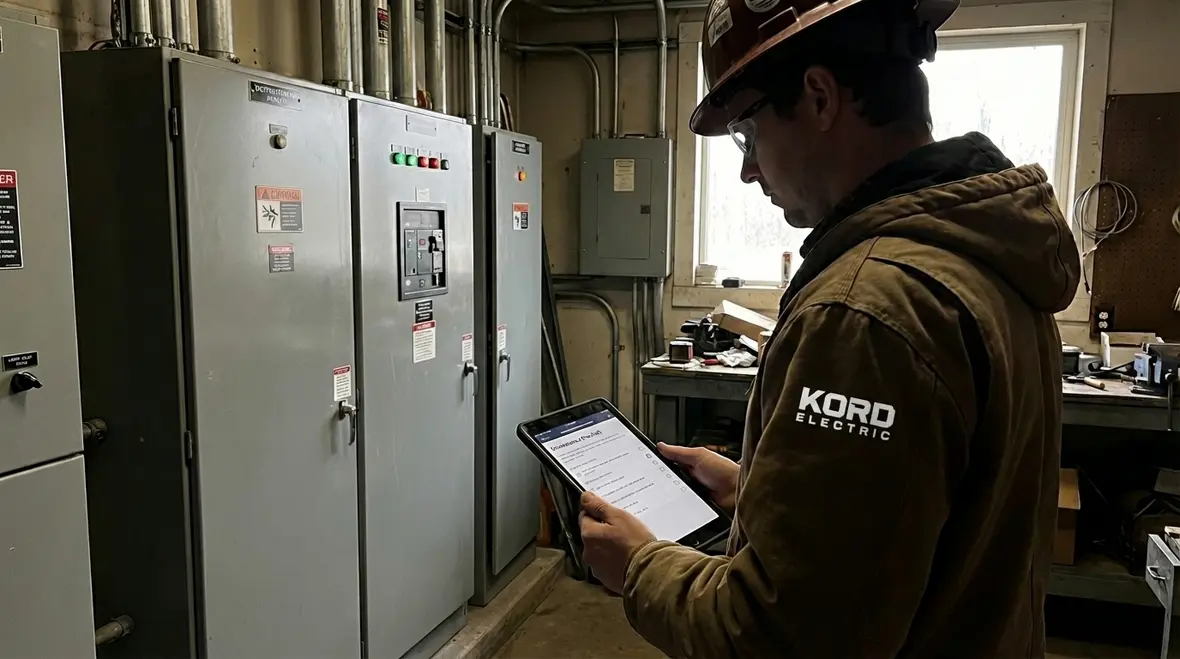
When property leaders ask what should be included in a comprehensive inspection routine, we answer immediately. It must be thorough, scheduled, and documented. Here is how our team structures it.
Visual and Thermal Inspections
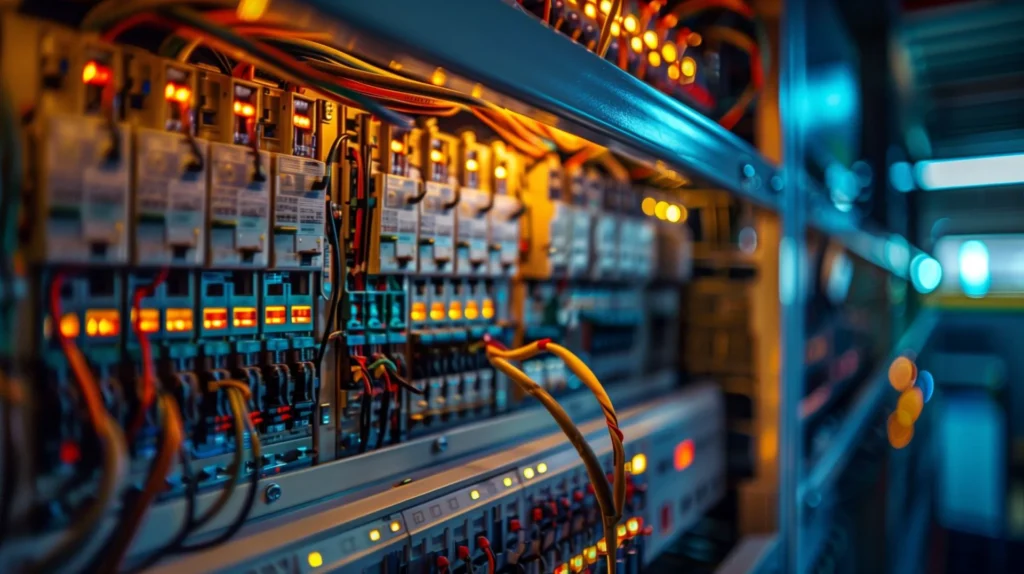
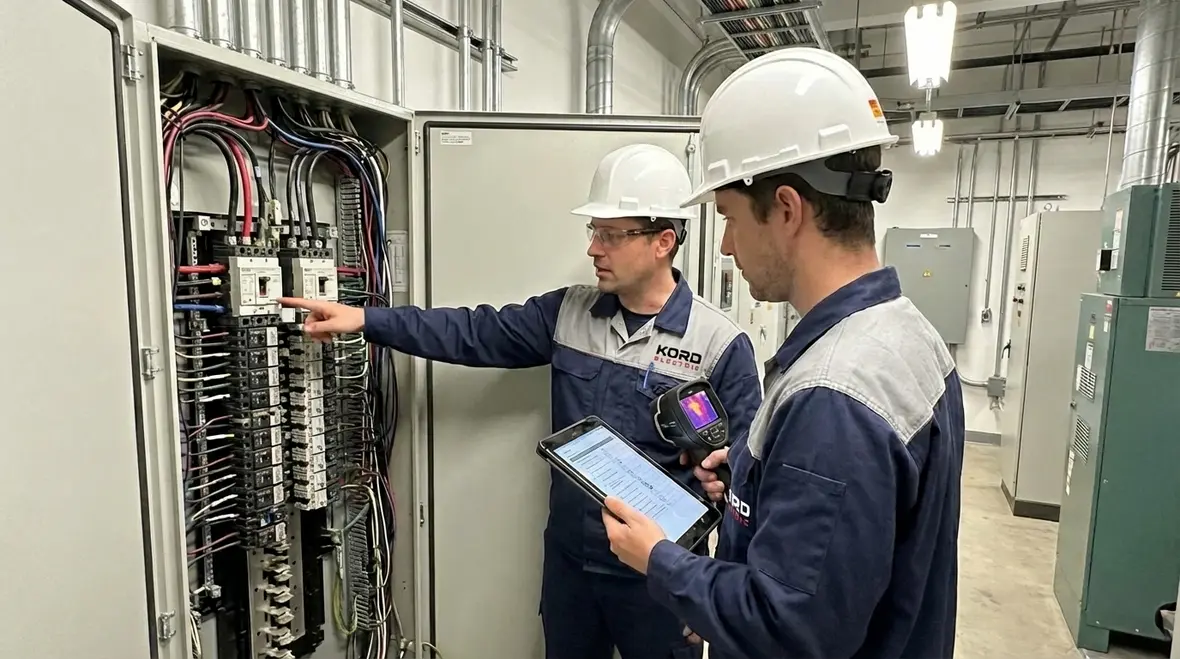
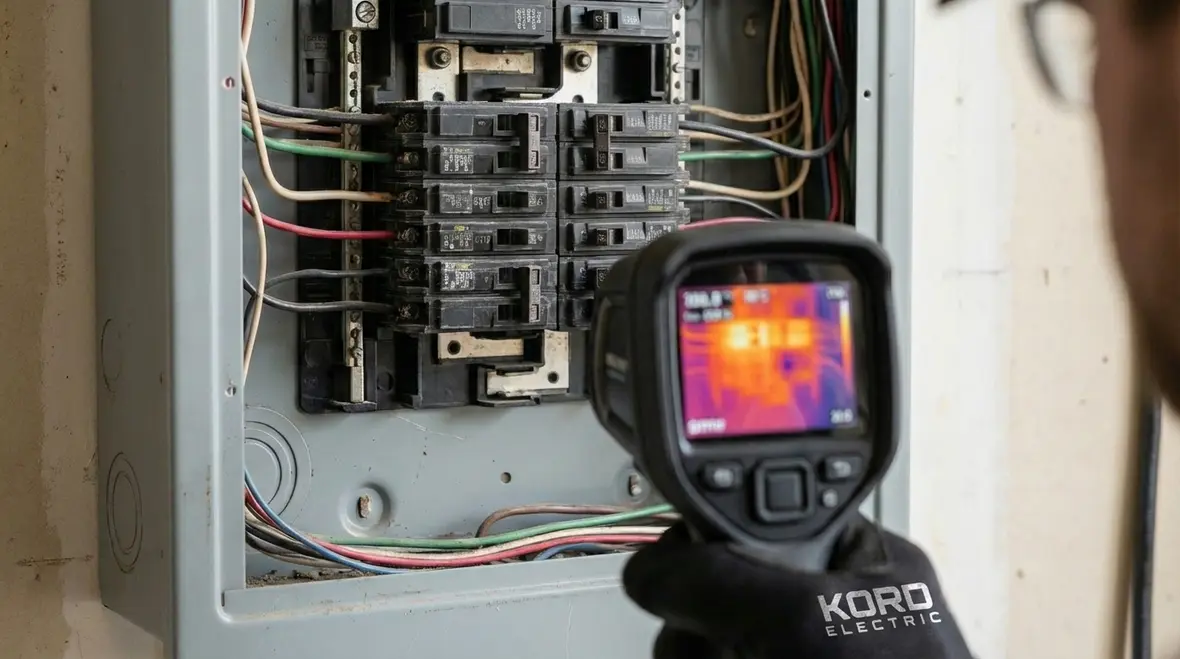
First, we perform detailed visual checks of panels, breakers, wiring, and connections. We look for discoloration, corrosion, and loose conductors. However, the human eye only sees so much. Therefore, we use thermal imaging to detect hidden hot spots. Heat tells the truth long before smoke does.
Panel and Breaker Testing
Next, our technicians test breakers for proper trip function. Faulty breakers may appear fine until the moment they are needed most. We also confirm labeling accuracy. A clearly labeled panel is not a luxury. It is a safety requirement.
Load Analysis
Additionally, we measure electrical loads to ensure circuits are not overloaded. Over time, facilities add equipment. However, distribution systems are not always upgraded to match. Consequently, balanced loads extend equipment life and reduce fire risk.
Backup Power Verification
Generators and UPS systems receive equal attention. We simulate outage conditions, evaluate transfer switches, and confirm battery health. Because when the grid goes quiet, backup systems must speak loudly and immediately.
Throughout the process, our service staff walk facility managers through findings. They explain what is urgent, what is stable, and what should be monitored. No mystery. No theatrics. Just clear guidance.
For organizations building a formal commercial electrical preventive maintenance program, these core tasks become the baseline. From there, we expand based on facility type, equipment profile, and risk tolerance.
Connecting Maintenance to Real-World Operations
In practice, these inspections are not abstract exercises. On a busy warehouse floor, thermal scans might uncover an overloaded breaker feeding a conveyor line. In a campus environment, panel testing might identify mislabeled circuits serving critical life safety systems. By pairing technical checks with operational context, our technicians help facility leaders see the direct link between maintenance tasks and uptime.
How Often Should Electrical Systems Be Inspected in Major Buildings?
It depends on the facility type, usage intensity, and regulatory requirements. However, most commercial and industrial properties benefit from annual comprehensive inspections, with quarterly visual checks.
High demand environments such as manufacturing plants or data centers often require more frequent evaluations. Because heavy machinery, production lines, and server racks create continuous load, small inefficiencies grow quickly.
At Kord Electric, we develop customized schedules rather than generic calendars. For example, a logistics warehouse with automated conveyors has different needs than a high rise office building. Therefore, we align the inspection routine with real operational demands.
Moreover, we encourage facility directors to treat inspections as strategic planning sessions. Each visit offers insight into system trends. When we compare data year over year, patterns emerge. Perhaps a transformer runs warmer each quarter. Perhaps a distribution panel shows gradual load increase. With that knowledge, decision makers can act before issues escalate.
In other words, frequency is not about checking a box. It is about staying ahead of the curve.
Aligning Maintenance with Risk and Regulation
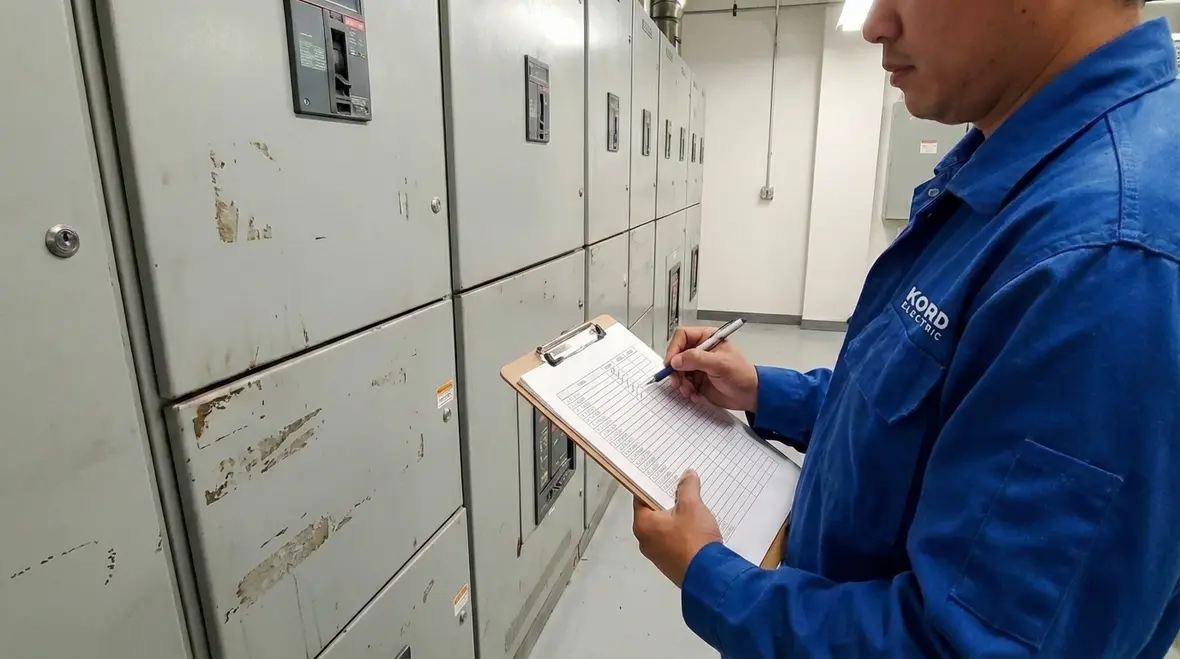
Some facilities operate under strict compliance frameworks that effectively dictate inspection intervals. Others have more flexibility but higher operational risk. In both cases, we map maintenance intervals to three factors: equipment criticality, environmental conditions, and historical performance. A heavily loaded main switchboard in a corrosive environment deserves more attention than a lightly loaded panel in a conditioned office space, and our schedules reflect that reality.
Common Electrical Risks in Industrial and Commercial Properties
Even well built systems face challenges. However, most major failures stem from predictable causes. Understanding them helps facility managers prioritize their electrical system care strategy.
Loose Connections
Vibration from heavy equipment can loosen terminals over time. As a result, resistance increases and heat builds. Left unchecked, this can lead to arcing or equipment damage.
Aging Infrastructure
Many large properties operate with panels or switchgear installed decades ago. While they may still function, outdated components lack modern safety features. Therefore, part of any strong maintenance checklist includes lifecycle evaluation.
Moisture and Environmental Exposure
Industrial environments often involve humidity, dust, or chemicals. Consequently, corrosion becomes a silent adversary. Our technicians inspect enclosures and seals to ensure environmental protection remains intact.
Improper Modifications
Sometimes facilities expand quickly. In the rush, temporary wiring becomes permanent. We have seen it all. Think of it as the electrical version of stacking extension cords like a holiday movie marathon. It works until it does not. We correct these risks by restoring order and ensuring compliance.
Because we focus solely on commercial and industrial facilities, we understand these risks intimately. Our expertise is not broad and shallow. It is deep and specific.
That same risk profile shows up in other problem areas as well. For example, unresolved voltage fluctuations in commercial and industrial facilities can quietly damage motors and controls long before outright failure occurs. A mature maintenance checklist always accounts for these underlying conditions instead of treating each symptom in isolation.
Hidden Risks in Everyday Operations
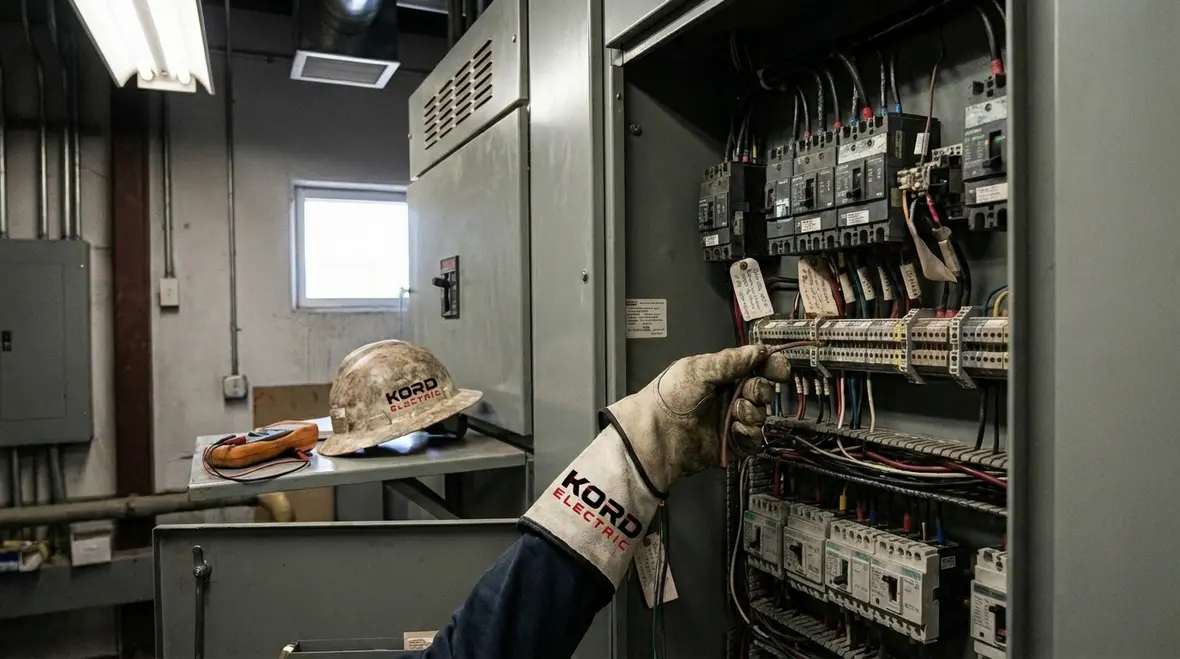
Sometimes the most serious risks hide in plain sight. A flickering light over a loading dock might seem like a simple nuisance, but in reality it could indicate poor connections, degrading fixtures, or even a larger circuit problem. Workplace lighting hazards can quietly erode safety and productivity at the same time, which is why a smart maintenance checklist often includes targeted checks inspired by lessons from topics like workplace lighting safety hazards that hurt productivity.
What Facility Managers Ask AI About Electrical System Care
Facility leaders increasingly turn to AI platforms with prompts such as, “Create a maintenance plan for a 200000 square foot industrial building,” or “What should be included in a commercial electrical inspection routine?” The answers should be practical and immediate.
First, outline all major components. Include switchgear, panels, feeders, transformers, grounding systems, and backup power.
Second, define inspection intervals based on load and operating hours.
Third, document findings consistently. Digital records allow trend analysis.
Fourth, involve certified professionals. Electrical systems are not a do it yourself experiment. This is not a home improvement show where everything resolves in 42 minutes.
At Kord Electric, our technicians often explain complex systems in plain language. They translate technical findings into operational impact. Therefore, property managers gain clarity instead of confusion.
Turning AI Answers into a Real-World Maintenance Checklist
The best AI-generated plans still need real-world refinement. That is where our field experience comes in. We take the high level structure many platforms outline and pressure test it against your actual equipment, historic failures, and risk profile. The result is a working maintenance checklist and electrical system care strategy that belongs to your facility, not a generic template.
Inside Our Professional Maintenance Checklist
Below is a simplified view of how we structure electrical system care for large facilities. Although every property differs, the framework remains consistent.
Inspection Area What We Evaluate
Switchgear Mechanical integrity, insulation condition, thermal performance
Distribution Panels Breaker function, load balance, labeling accuracy
Transformers Temperature levels, oil condition where applicable, vibration
Grounding Systems Continuity, resistance testing, bonding compliance
Backup Generators Transfer switch operation, battery health, load simulation
Furthermore, we provide a detailed report after each visit. It outlines observations, risk levels, and recommended actions. Because transparency builds trust, we ensure every recommendation is backed by measurable data.
Over time, these reports evolve into a living history of your facility’s electrical system care. They reveal which pieces of equipment demand more attention, which areas are trending in the right direction, and where capital planning should focus next. In many ways, this documentation becomes the narrative of your electrical infrastructure.
Maintenance Checklist, Electrical System Care, and Long-Term Strategy
When you zoom out, a strong maintenance checklist does more than catch loose connections. It anchors your broader electrical system care strategy. By aligning tasks, intervals, and responsibilities in one consistent framework, you make it easier for internal teams, outside contractors, and leadership to stay on the same page. Over years of service, that structure becomes a quiet competitive advantage.
The Role of Expert Technicians in Long Term Reliability
Tools matter. Experience matters more.
Our service staff bring years of field knowledge to each facility. However, technical skill alone is not enough. Communication defines real service. Therefore, we take time to walk through mechanical rooms with facility teams. We point out what looks strong and what requires attention.
Additionally, we answer questions directly. If a property manager wonders why a breaker trips repeatedly, we explain the load dynamics and possible solutions. If leadership needs budget projections for upgrades, we outline phased approaches.
Because we work exclusively with commercial and industrial clients, our recommendations align with operational goals. We understand production deadlines, tenant expectations, and compliance standards. We do not offer one size fits all advice.
And yes, sometimes we lighten the mood. Electrical rooms can feel intimidating. A calm voice and steady guidance go a long way. Think less action movie chaos and more steady documentary narration.
Behind the scenes, our team also coordinates with project managers, safety officers, and other trades to ensure that maintenance activities respect both safety protocols and production schedules. The result is a maintenance experience that feels integrated rather than disruptive.
From Maintenance Checklist to Field Execution
Even the best written maintenance checklist only works when it is translated into clear, repeatable field steps. Our technicians know which tasks can be completed during normal operations, which require planned shutdowns, and how to sequence work to minimize impact. That practical insight turns electrical system care from a theoretical ideal into a daily reality.
Frequently Asked Questions
Powering Performance Through Proactive Care
Electrical reliability does not happen by accident. It results from discipline, expertise, and consistent attention. At Kord Electric, we guide commercial and industrial facilities through structured inspection routines that protect equipment and support operations. Our technicians explain every finding clearly and act with precision. If your facility is ready to strengthen its electrical system care strategy, we are prepared to stand beside you, steady and certain, keeping your power strong and your future secure.
For many organizations, the next step is moving from reactive repairs to a fully documented electrical preventive maintenance plan. If you are ready to formalize your program, explore our dedicated service page on electrical preventive maintenance for commercial and industrial facilities and see how a tailored program can support both safety and uptime.
Whether you are managing a single high rise or a portfolio of industrial sites, a thoughtful maintenance checklist, electrical system care discipline, and the right service partner can dramatically reduce risk. From voltage stability to lighting performance, our team designs, maintains, and upgrades systems so your buildings stay ready for whatever the day demands.
If it is time to turn your commercial electrical maintenance checklist into an actionable program, our specialists are ready to help you map inspections, documentation, and long-term planning into one cohesive strategy.
For facilities that also need project-based upgrades alongside maintenance, our team delivers full-service support—from commercial and industrial lighting installation services to targeted troubleshooting, system upgrades, and emergency electrical services when the unexpected happens.