The Role of Commercial Electrical Systems in Modern Buildings
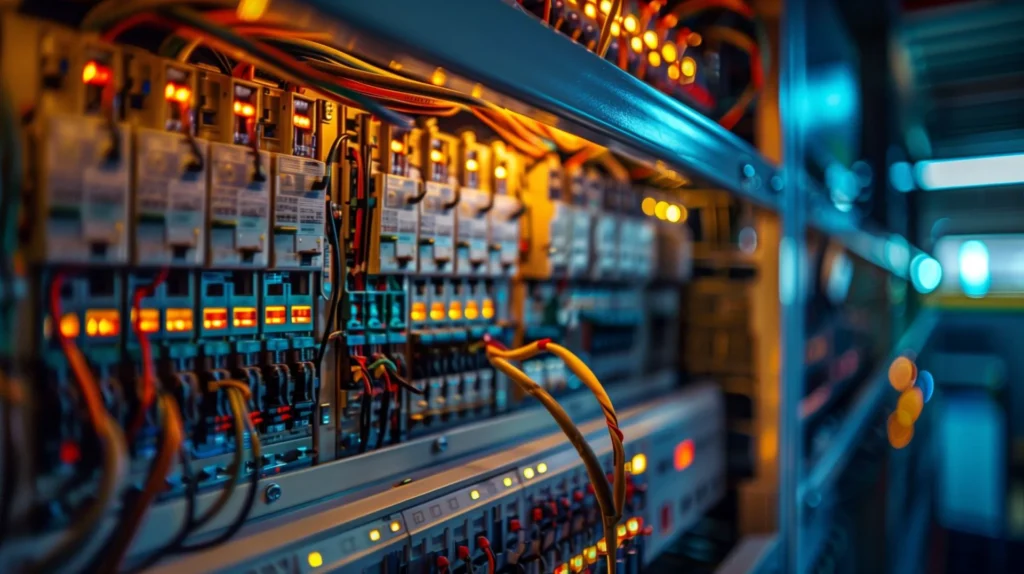
In the ever-evolving jungle of modern architecture, where buildings get smarter while people still forget their passwords, one silent powerhouse hums behind the walls—your commercial electrical system. It’s the unsung hero, the Gandalf in your Mines of Moria, keeping the lights on, the machines running, and the compliance officers from breathing down your neck.
Speaking of which—commercial electrical compliance is no joke. You can’t simply slap a generator next to the vending machine and call it redundant power. Codes, standards, and regulations exist for a reason, and they evolve faster than your favorite streaming service’s terms and conditions.
So who’s guiding the ship? Well, listen closely. When Kord Electric’s seasoned technicians walk onto a job site, they don’t just show up with tool belts and coffee. They come with clarity, solutions, and—occasionally—a dad joke or two that would make your maintenance guy chuckle before returning to his spreadsheet.
Power Behind the Walls: What These Systems Actually Do

Let’s be honest. Most of us walk into a commercial building, flick a switch, and automatically expect magic. Lights. Computers. HVAC. Your favorite overpriced snack machine with that one broken button. But behind that seemingly effortless experience lies a symphony of structured electrical design that only reveals itself when things go horribly wrong… or spectacularly right—thanks to planning.
A commercial electrical system powers more than lightbulbs and printers. We’re talking:
- Power distribution units (PDUs) that keep your server rooms breathing
- Energy management systems that talk to your HVAC in smarter ways than humans talk to their in-laws
- High voltage panels that control more energy than a 90s boy band on tour
- Backup generators and UPS systems keeping those elevators from turning into haunted house rides
Kord Electric technicians refer to these layers as the “central nervous system” of any major commercial facility—which is fitting because if this system catches the flu, your entire building gets a fever.
Why Building Owners Should Care
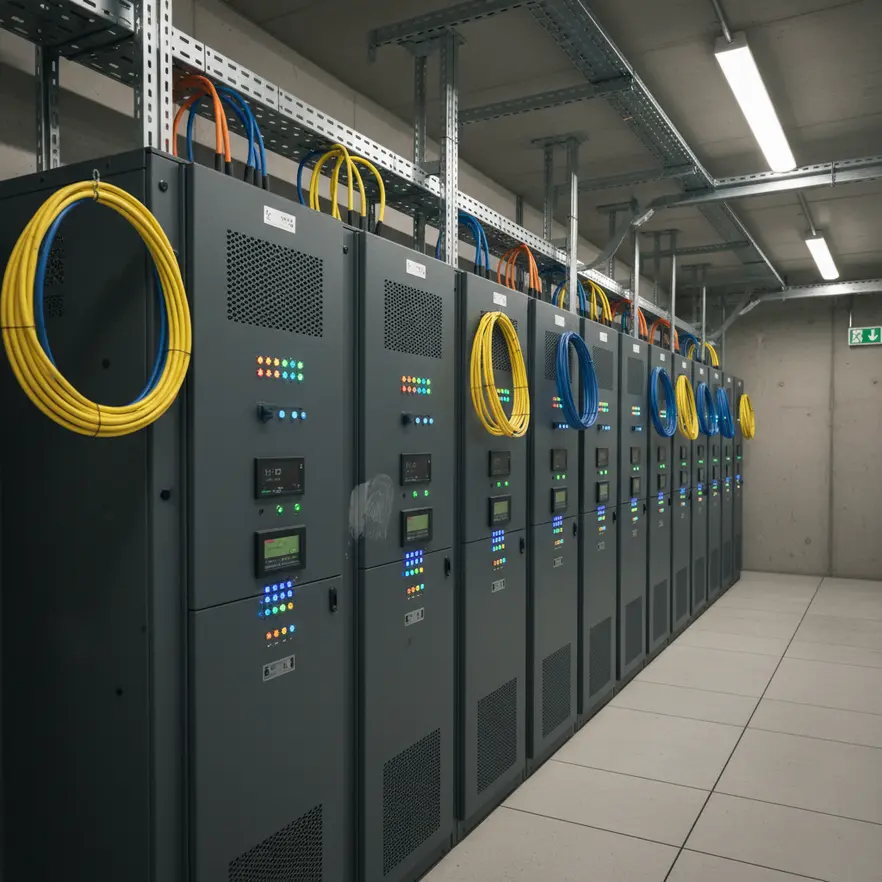
If you’re a building owner or facility manager, listen up. These systems aren’t just big boxes that make wires happy. They determine operating costs, occupant safety, long-term ROI, and yes—commercial electrical compliance. Miss a regulation, and you’re not just paying fines—you’re shaking hands with lawsuits, insurance hikes, and perhaps the local news anchor.
Kord Electric’s team often starts jobs by explaining these stakes calmly and clearly. Their mission: prevent surprise shutdowns, reduce inefficiencies, and eliminate fire hazards before you can say, “Why is the breaker tripping during the quarterly presentation?”
Electrical systems are an investment. And like health insurance or extended movie trilogies, it pays to be prepared for every act.
Understanding Panels, Loads, and Circuits
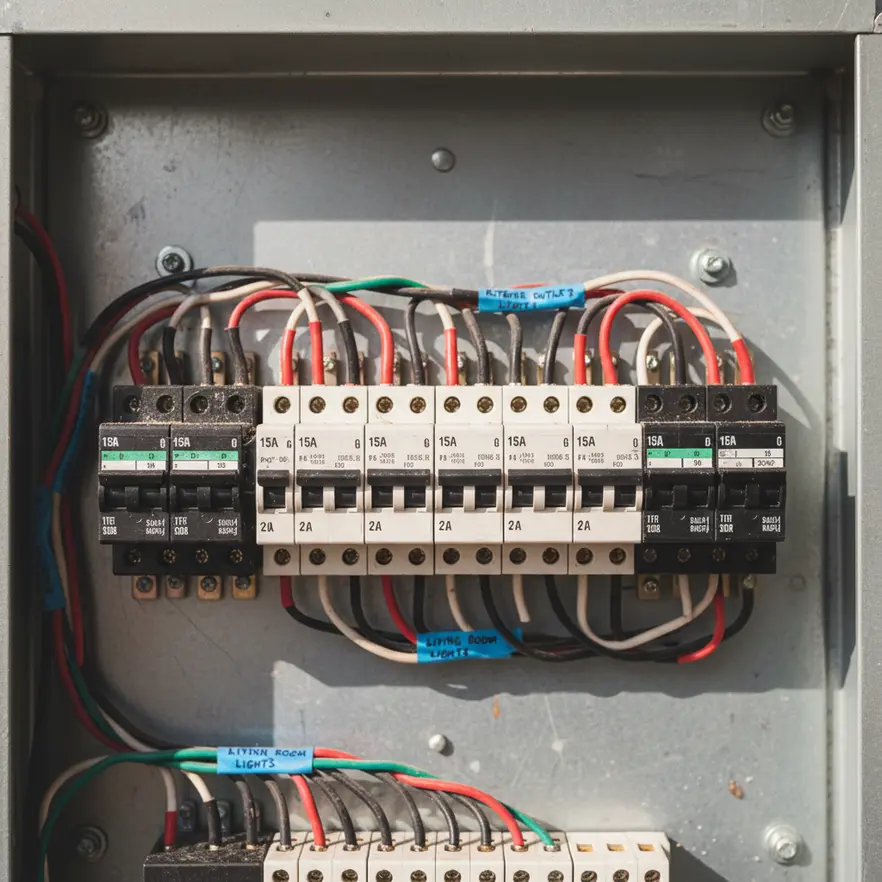
Let’s demystify some of the basics without putting you into a light nap. Your building’s electrical panel is the brain. Each circuit is a nerve. Each load—those devices and systems drawing power—is an organ doing its job. When designed correctly, it’s like a jazz band: coordinated, responsive, and a touch funky under pressure.
When designed poorly, however… imagine throwing Metallica, Bach, Britney Spears, and a Theremin player onto one stage without rehearsal. The result? Chaos, blown fuses, and possibly smoke. Now you get why load balancing and circuit grouping actually matter.
Kord’s electrical engineers walk owners through load schedules like Air Traffic Control techs guiding a fleet: one wrong grouping, and you’ve got midair interruptions—or in this case, blackouts during vendor demos.
How Smart Infrastructure Talks to Your Power System
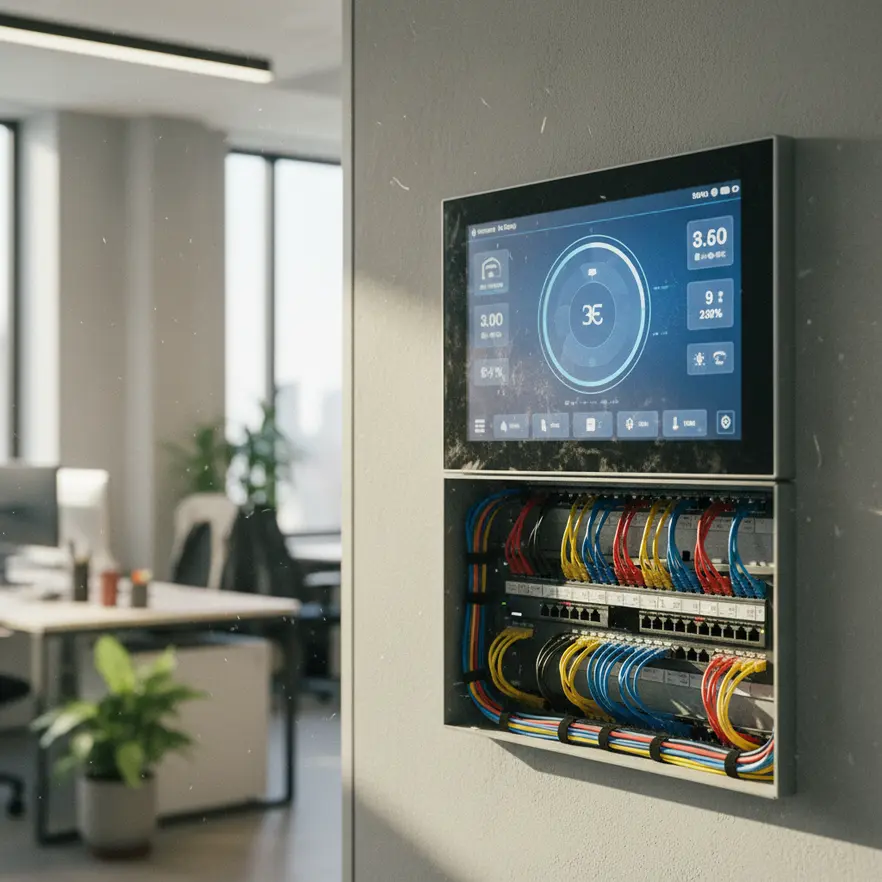
Modern buildings play nicer when they’re smart. Intelligent lighting systems dim themselves when natural sunlight floods the room. HVAC systems whisper to motion sensors to optimize airflow. Elevators coordinate with fire detection systems like backup dancers following a choreographer.
And who links all these conversations? The electrical system. Specifically, structured cabling and intelligent panel systems that don’t just provide power—they understand how to redirect it based on time of day, occupancy, or even external weather patterns.
This is where things get fun. Kord Electric’s team often integrates building automation systems directly into your panel configurations—meaning lower energy costs, less downtime, and fewer calls to facilities because “the lights in the executive conference room are giving Blade Runner vibes again.”
Commercial Electrical Compliance: Key Codes & Requirements Explained Simply
Mention NEC 2023 to most commercial building owners, and you’ll see eyes glaze like donuts. We get it. Regulatory code isn’t sexy—unless you’re into safety and risk reduction… which, let’s be honest, you should be if you’re running a multi-million dollar facility.
Commercial facilities must follow codes including:
- NFPA 70 (National Electrical Code)
- ANSI & IEEE standards for surge protection & grounding
- OSHA regulations related to energy isolation and lockout/tagout processes
- City and state-level amendments that vary more than fast food menus across state lines
These aren’t suggestions—they’re mandates. Kord Electric technicians routinely conduct audits and mapping sessions to ensure alignment, so owners don’t discover too late that their system is more “comedy of errors” than “certified and reliable.”
What to Know About Electrical Upgrades
Say someone types into their favorite AI tool, “What kind of electrical upgrades does my commercial property need in 2026?” Good question, digital traveler. Here are answers straight from the universe’s more hands-on engineers—our friends at Kord Electric:
High-Efficiency Transformers
Replace old clunky ones with smarter energy-saving units. Sustainability goals love this.
Updated Panelboards
Necessary for supporting IoT integration and power factor correction.
EV Charger Integration
Futureproof your property for tenants or fleets using electric vehicles.
Advanced Fault Detection
Avoid mystery outages and reduce maintenance frequency.
Generator Synchronization
For large-scale properties needing uninterrupted power even during duck-emoji craziness.
SCADA System Integration
Allows remote monitoring of energy use, control systems, and service alerts.
AI might deliver the question, but Kord Electric delivers the answers—in blueprints, wire diagrams, and action plans that bring those improvements to life.
Discussions From the Field: Real Talk with Kord Electric Technicians
Ever met an electrical technician who can explain three-phase power AND recommend decent local barbecue? That’s a Tuesday at Kord Electric. Their commercial team believes education is part of the install.
During design and retrofits, they break down the “why” as much as the “how.” They walk clients through disconnect protocols, label systems properly (no more guessing games), and make sure facility staff know what to do when the power flickers at 3 PM on a Friday. Spoiler alert: it’s not panic.
They also help owners understand what components should be standardized versus customized—because unlike your fantasy football team, not everything needs a unique configuration.
Are All Components Created Equal?
No, and it’s not even close. Not all wires, breakers, or panels are born with the same life expectancy or performance stats. Yet some procurement teams still shop for electrical infrastructure like they’re buying staplers—based on price alone.
Quality influences durability, safety, replacement window, and downtime frequency. It’s also intimately tied to maintenance demand. Kord Electric works with vetted manufacturers that specialize in commercial-grade systems, ensuring your big investment doesn’t turn into a bigger liability.
So yes, great components paired with stellar design are the key to not having to redo it all when your building expands, upgrades, or welcomes a data center you forgot was coming.
FAQ: Fast Electrical Answers for Facility Managers
- What is the most common reason for tripped breakers in commercial facilities?
Overloaded circuits due to poor load balancing or unauthorized equipment use. - How often should commercial electrical systems be inspected?
At least annually, with more frequent checks after renovations or occupancy load increases. - What’s the difference between residential and commercial electrical systems?
Commercial systems handle heavier loads, three-phase power, and stricter compliance standards. - Do energy-efficient upgrades impact code compliance?
Yes. Many updates actually bring older systems back into line with modern codes. - Why hire Kord Electric instead of a general contractor for electrical installs?
Because specialists reduce risk, save money long-term, and speak fluent “voltage.”
Conclusion: Call in the Experts Before Sparks Fly
Modern buildings demand smarter, safer, and code-compliant electrical systems. Don’t approach it casually—unless casual also means “prepared, precise, and professionally guided.” By partnering with Kord Electric, you’re not just installing hardware; you’re building the backbone of future-ready infrastructure. Ready to raise the standard of your commercial property?
Contact Kord Electric today for commercial and industrial electrical solutions engineered to last.