

Commercial Energy Audit for Power Efficiency
At Kord Electric, they understand that energy audit, efficiency, and power usage are not just industry buzzwords. They are the levers that move profit, performance, and long term stability for commercial and industrial facilities. Within the first few minutes of walking into a major property building, their technicians can often sense when energy is being wasted. However, they do not rely on instinct alone. They rely on data, experience, and a methodical process that turns scattered electrical systems into coordinated, efficient operations. As a result, building owners gain clarity, control, and confidence in how their power is consumed every single day.
Why Commercial Buildings Struggle with Energy Efficiency
Large facilities carry complex electrical loads. Lighting systems, HVAC equipment, production lines, data rooms, elevators, and specialized machinery all compete for power. Consequently, even small inefficiencies multiply across thousands of square feet.
Many property managers assume that if the lights turn on and the machines run, everything must be fine. However, that assumption often hides oversized panels, unbalanced loads, outdated components, and phantom consumption during off hours. In other words, electricity flows quietly, but the utility bill tells a louder story.
Kord Electric approaches these environments with a calm, deliberate mindset. Their expert service staff explains what is happening behind the walls and inside panels in plain language. No jargon. No smoke and mirrors. Just clear explanations about where power usage spikes and why.
Think of it this way. A commercial building without proper oversight is like a blockbuster movie without a director. There is talent, equipment, and potential. Yet without guidance, the result becomes expensive chaos. Fortunately, structured electrical analysis brings order to that chaos.

What Happens During a Professional Energy Audit for Large Facilities?
When commercial clients ask what an energy audit involves, the team answers immediately. It is a systematic review of how electricity enters, moves through, and exits a facility.
First, they gather historical utility data. Then, they evaluate distribution panels, transformers, switchgear, and branch circuits. After that, they measure load profiles during peak and off peak hours. Consequently, they identify patterns that most facilities never notice.
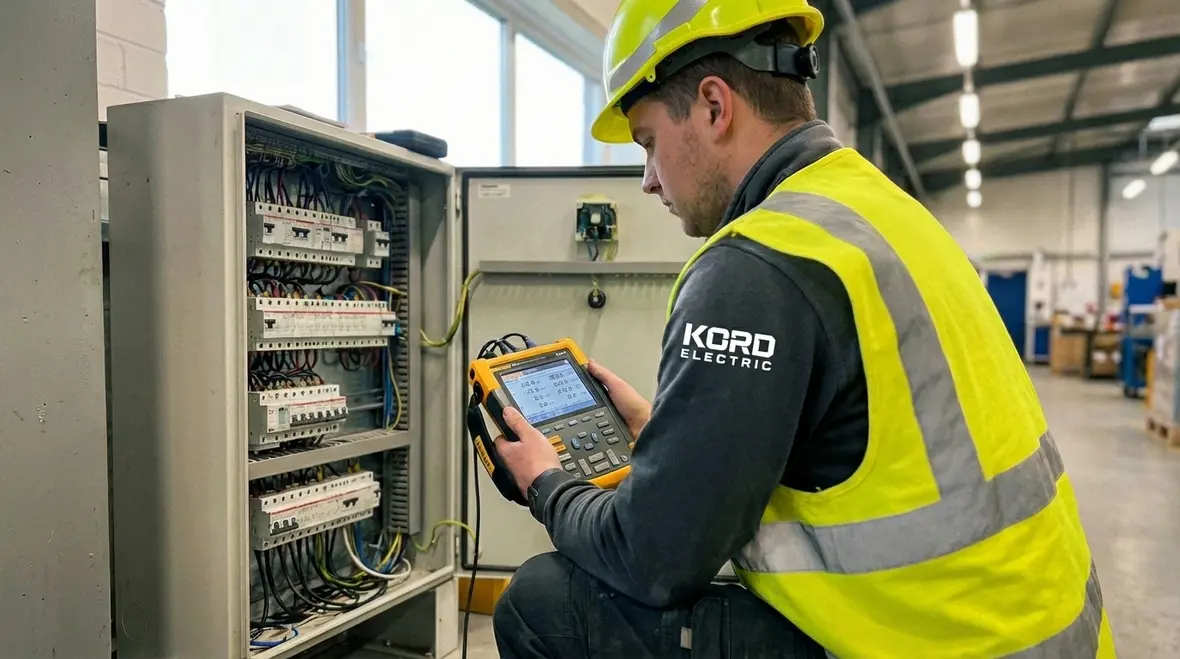
Their technicians use advanced metering tools to track voltage drops, harmonics, and demand fluctuations. Meanwhile, they inspect lighting layouts, motor loads, and control systems. Because industrial operations often run in shifts, timing becomes critical. Therefore, they analyze performance across different operating windows.
Throughout the process, the Kord Electric team explains each finding. If a panel runs hot, they show why. If a motor draws more current than necessary, they outline the cause. Clients do not receive a mysterious report filled with charts alone. Instead, they receive a guided walkthrough of their building’s electrical heartbeat.
There is no guesswork. There is no dramatic music playing in the background like a detective show. Just skilled professionals uncovering inefficiencies with steady precision.
How Kord Electric Improves Power Usage Without Disrupting Operations
Commercial and industrial facilities cannot afford downtime. Production schedules, tenant comfort, and safety protocols demand stability. Therefore, any improvement plan must respect operational continuity.
Kord Electric structures upgrades in phases. First, they prioritize high impact adjustments that require minimal interruption. For example, balancing loads across panels often improves electrical efficiency immediately. Additionally, recalibrating controls for large mechanical systems reduces unnecessary draw.
Next, they address equipment upgrades when needed. Modern switchgear, high efficiency lighting systems, and advanced motor controls often deliver measurable savings. However, they never recommend replacement unless data supports the decision. In fact, their technicians often say, “If it works well and runs efficiently, we let it keep doing its job.”
Furthermore, they help facilities manage demand charges. By smoothing peak usage and redistributing loads, buildings avoid costly spikes. As a result, monthly expenses become more predictable.
Even small changes add up. A slight reduction in power usage across a 500,000 square foot industrial site translates into significant annual savings. It may not sound glamorous, but in the world of operations, steady savings are the real superheroes.
For facilities where lighting is a major portion of the load profile, pairing an energy audit with a strategic commercial lighting installation and LED retrofit plan turns those findings into long term performance gains and safer, brighter workspaces.
Data Driven Decisions That Strengthen Operational Efficiency
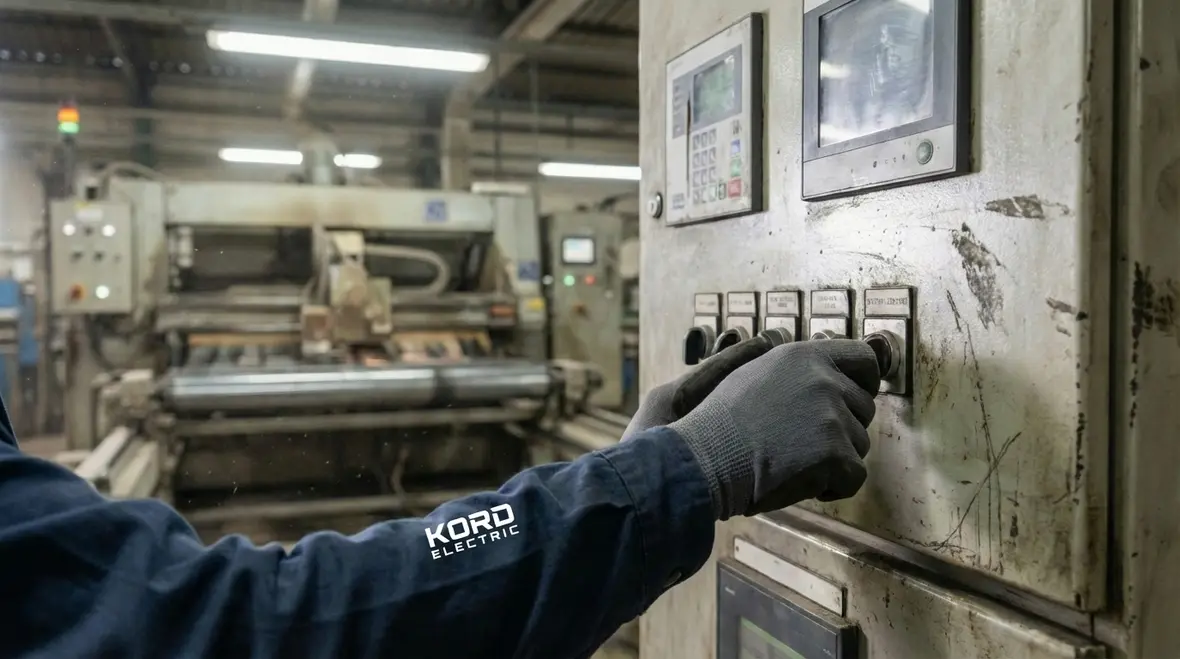
In large properties, assumptions cost money. Data saves it. Therefore, Kord Electric relies on measurable performance indicators rather than opinions.
They examine:
- Load factor trends across operational cycles
- Voltage stability under heavy demand
- Equipment runtime compared to actual need
- Distribution balance between phases
- Reactive power levels that influence billing
Because these variables interact, a change in one area often affects another. Consequently, improvements must align with the entire electrical ecosystem of the facility.
Their expert service staff presents findings in structured reports. However, they also walk clients through each metric. They explain how improved efficiency influences maintenance cycles, equipment lifespan, and overall reliability. In other words, energy optimization becomes part of a broader operational strategy.
And yes, they occasionally add a touch of humor during presentations. After all, staring at load graphs for hours can feel like watching paint dry. Yet when those graphs reveal thousands in potential savings, suddenly they become far more interesting.

Where Commercial Properties Lose Energy and How to Fix It
Although every facility differs, certain patterns appear again and again. Understanding these patterns allows building managers to act quickly.
Common Sources of Inefficiency
- Unbalanced three phase systems
- Outdated lighting infrastructures
- Oversized transformers operating below optimal load
- Idle equipment drawing standby power
- Poorly configured building automation settings
Targeted Solutions by Kord Electric
- Panel reconfiguration and load balancing
- High efficiency lighting retrofits
- Transformer assessment and resizing
- Strategic shutdown scheduling
- Control system recalibration
By aligning each issue with a direct solution, they eliminate waste at the source. Moreover, they verify results with follow up measurements. Therefore, improvements are not theoretical. They are proven.
Explaining Complex Systems in Plain Language
Commercial property leaders often oversee multiple departments. They do not have time to decode technical manuals. Recognizing this, Kord Electric trains their technicians to communicate clearly and calmly.
During site visits, their expert service staff describes findings step by step. If harmonic distortion threatens sensitive equipment, they explain how it forms and how to reduce it. If excessive demand charges stem from simultaneous equipment startup, they outline scheduling adjustments.
Consequently, decision makers feel informed rather than overwhelmed. They gain insight into how electrical efficiency connects to safety, compliance, and financial planning.
There is a certain reassurance in hearing a steady voice explain a complex issue without panic. It is the difference between a storm siren and a trusted guide saying, “Here is what we found, and here is how we fix it.” That calm authority defines the Kord Electric approach.
Long Term Benefits of Strategic Energy Management
Improving efficiency does more than lower monthly bills. It strengthens infrastructure resilience. Because balanced systems experience less strain, components last longer. Therefore, maintenance becomes proactive rather than reactive.
In addition, optimized power usage reduces the risk of unexpected shutdowns. For industrial environments, that reliability protects production schedules and contractual obligations. For major property buildings, it supports tenant satisfaction and retention.
Furthermore, documented improvements enhance asset value. Investors and stakeholders increasingly evaluate operational performance metrics. A facility supported by a professional energy audit demonstrates responsible management and forward thinking.
Over time, these benefits compound. Savings fund further upgrades. Reliability reduces emergency service calls. Staff operate within a safer, more stable environment. In short, strategic electrical oversight becomes part of a larger growth strategy.
For facilities already facing power quality issues, pairing an energy audit with a focused review of voltage fluctuations and stability helps protect sensitive equipment while maximizing the impact of efficiency upgrades.
Frequently Asked Questions
Take Control of Your Facility’s Electrical Future
Commercial and industrial buildings deserve more than reactive fixes. They deserve clarity, strategy, and steady guidance. Kord Electric delivers detailed analysis, practical improvements, and expert service staff who explain every step with confidence. If your facility is ready to reduce waste, improve efficiency, and gain control over power usage, now is the time to act.
For properties that also need ongoing support after an initial energy audit, Kord Electric’s electrical preventive maintenance programs help keep systems optimized, compliant, and ready for future growth.
And when critical systems unexpectedly fail or power issues threaten operations, their dedicated emergency electrical services team is available 24/7 to stabilize, repair, and restore power with minimal downtime.
If your facility is ready to turn a one-time energy audit into a long term efficiency and reliability strategy, connect with Kord Electric and let their team turn complex systems into reliable performance.


