Data Center Electrical Solutions for Reliability and Uptime
Reliable power systems for data centers start with the right design
In our view, Data Center Electrical Solutions for Reliability, Capacity & Uptime are not a luxury. They are the backbone that keeps servers running when the environment gets harsh and the stakes get higher. At Kord Electric, we help commercial and industrial facilities and major property buildings plan electrical infrastructure that supports steady operations, measured growth, and faster recovery after interruptions. And yes, we know power outages are dramatic, like a bad season finale. The goal is to make sure your data center never writes that episode.
In the rest of this article, our team explains how we approach essential components, how we reduce risk with smart protection, and how we keep the system clean, coordinated, and ready for real-world loads. If you want a complementary deep dive into the broader backbone, you can also review Kord Electric’s companion guide on data center electrical infrastructure essentials for additional context.
Electrical infrastructure essentials that keep uptime steady

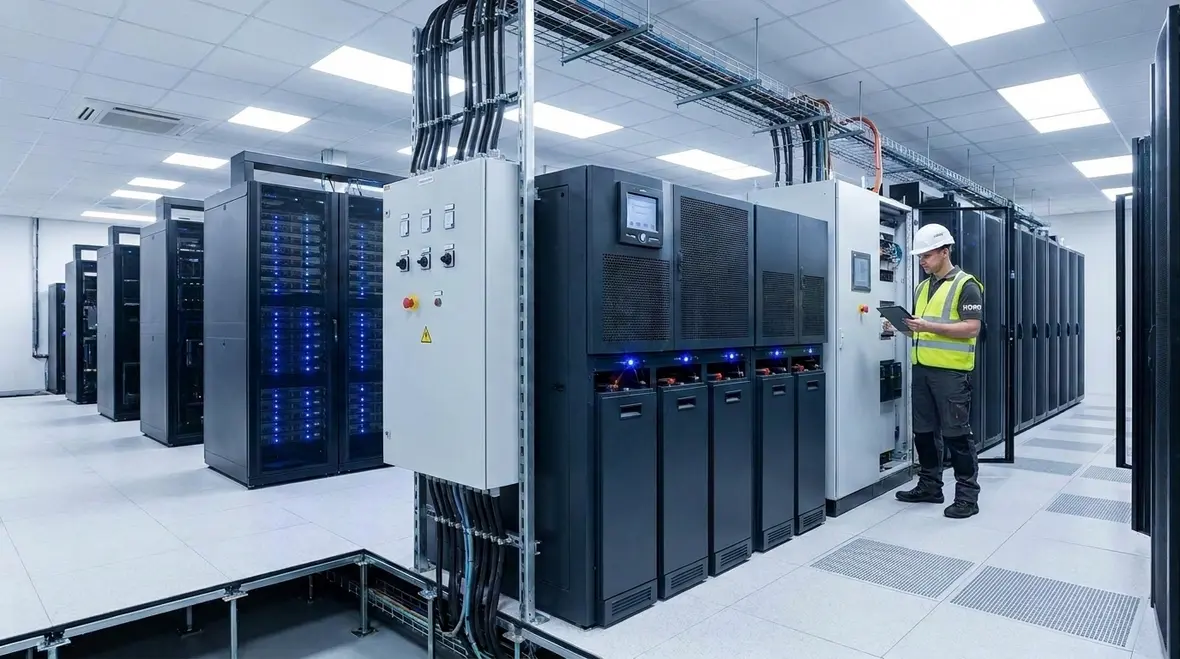
Data centers run on electricity, but the real job is delivering power in the right way, at the right time, to the right loads. When our expert service staff walks a facility team through this topic, we start with the core path: utility input, distribution, transformation, backup power, and distribution to critical equipment. Then we align those steps with how your site actually operates, including load profiles, redundancy requirements, and future expansion.
From there, we focus on design elements that reduce surprises. For instance, we treat load planning as a living document, not a spreadsheet that dies after approval. We also coordinate distribution so that critical and noncritical loads behave differently during events. In other words, we keep the critical parts protected first, and everything else can wait its turn, like a line at the coffee shop during a power-saving campaign.
As we refine that backbone, our team often connects it with related focus areas covered in our other data center resources, such as distribution design, power scalability, and redundancy. Across all of them, the theme is the same: treat the electrical chain as a system that has to perform under pressure, not just a list of components on a submittal.
Aligning power paths with real-world operations
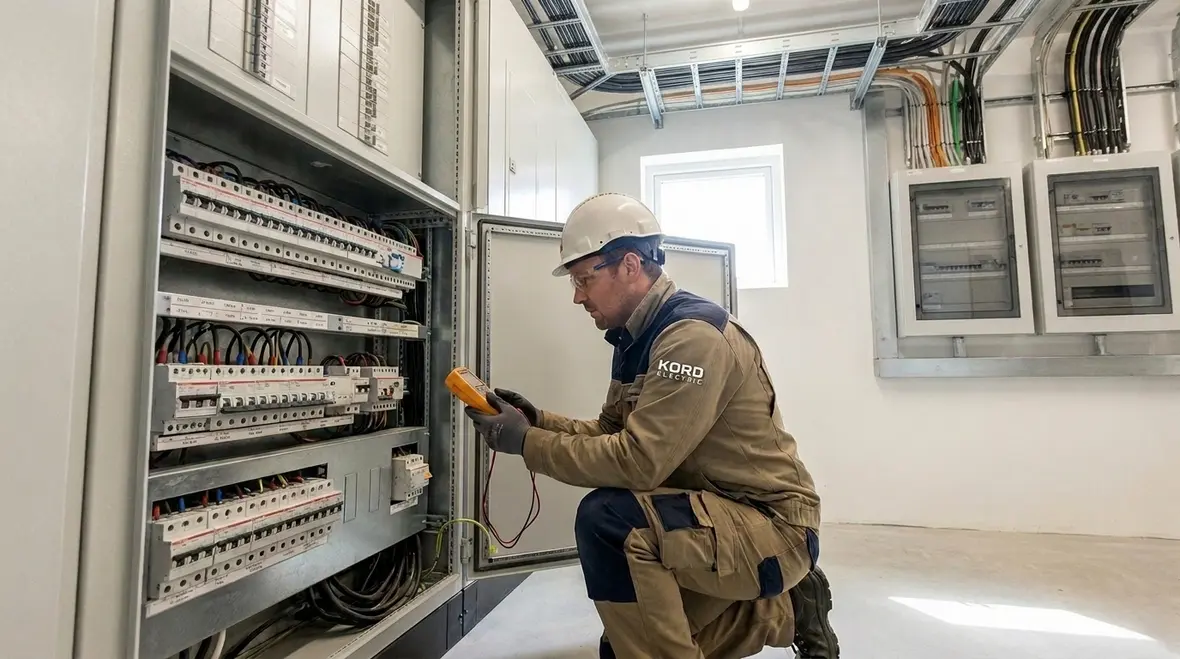
Uptime depends on how well the electrical design mirrors actual operations. That is why our technicians ask questions about shift changes, maintenance windows, seasonal loads, and planned IT refresh cycles. If generators, UPS systems, or switchgear cannot keep up with how the site actually behaves, the risk of an outage quietly increases even if everything looks “fine” on paper.
By matching the electrical backbone to these real-world rhythms, we help facilities avoid brittle designs. Instead, they gain a resilient path that can handle both typical operations and the exceptional days when everything seems to happen at once.
How we size power capacity for real growth
Many teams plan capacity like they expect today’s growth to be tomorrow’s growth. However, modern data centers scale in steps, and those steps can be sharp. So we size electrical capacity by understanding your IT load expectations, your cooling impact, and your commissioning plan. Then we build margin into the electrical system where it matters.
Next, we consider diversity and how loads evolve. Instead of guessing, our technicians use practical methods and document assumptions clearly. This helps avoid a situation where the electrical system becomes the bottleneck and the business schedule turns into a stall tactic. We also plan for power density changes inside the facility so distribution equipment stays within safe operating limits.
Finally, we coordinate the electrical plan with a growth timeline so the site can expand without rewriting the entire distribution architecture. That approach supports Data Center Electrical Solutions for Reliability, Capacity & Uptime because it reduces downtime risk during upgrades.
Our team also ties this approach back to long-term scalability. Instead of leaving expansion to “future us,” we define clear staging: how new gear will be integrated, what additional feeders or panels will be required, and how testing will confirm that new loads do not disturb existing uptime commitments.

Designing capacity as a roadmap, not a guess
A realistic capacity plan looks like a roadmap. It calls out approximate timelines, identifies which gear gets installed in each phase, and highlights the checks required to keep safe limits in place. When facility leaders, IT teams, and finance can all read that roadmap, decisions become calmer and upgrades stop feeling like cliff dives.
That roadmap also gives operations staff a reference when something changes unexpectedly. Instead of improvising, they can compare new requirements against the documented path and decide whether to accelerate planned steps or rethink the load strategy.
Power redundancy choices that match your risk tolerance
Redundancy is where many designs either gain confidence or build confusion. Our expert service staff explains redundancy in plain terms during site reviews so your stakeholders can make decisions with their eyes open. We focus on the practical outcome: during a disruption, your critical loads continue to receive stable power through an alternate path.
We help teams evaluate how much redundancy they truly need based on uptime goals, maintenance plans, and the cost of downtime. Then we match that need with architecture and equipment selection. When redundancy is engineered well, maintenance becomes more controlled and the facility handles component-level failures without escalating into broad downtime.
Also, we do not treat redundancy as “add more parts and hope.” We coordinate switching, protective devices, and fault behavior so the system responds predictably. Otherwise, the design becomes a mystery novel where everyone wants a happy ending but nobody can agree on the plot.
Translating redundancy into everyday operations
For redundancy to be useful, your operations team has to understand how it actually works day to day. That is why we walk through “what-if” scenarios in clear language: what happens when a breaker trips, when a generator fails to start on time, or when an upstream feeder is taken out for planned work. Those conversations help convert a one-line diagram into practical playbooks.
When everyone on the team knows how power should reroute during an event, maintenance windows feel more controlled and incident response becomes less frantic. Redundancy then stops being an abstract concept and becomes a real, testable safety net.

Distribution, transfer, and protection coordination
Once power is generated and transformed, distribution becomes the next major phase. Here, coordination means each protective device operates at the right time and in the right sequence, limiting the area of impact during faults. Our technicians work through coordination studies with care so that downstream equipment gets protection without causing unnecessary tripping upstream.
We also address transfer and switching. Automatic transfer switches, transfer schemes, and interlocks must function correctly under normal conditions and during abnormal events. Even small timing or control issues can cause system stress, and stress is the enemy of clean uptime.
In addition, we design bus and feeder paths with fault levels and thermal loading in mind. Then we verify that equipment ratings match real conditions. This reduces the chance of overheating or premature component wear. And because we support commercial and industrial facilities and major property buildings, we document the system behavior in a way that engineering teams can use during operations and maintenance.
Turning coordination into predictable fault behavior
Good coordination design turns a fault into a contained, predictable event. Instead of a building-wide blackout, the issue is isolated to the smallest practical section of the system. We use studies, device settings, and field verification to align how breakers and relays behave, so your facility does not learn about a miscoordination issue at the worst possible time.
That predictability also supports troubleshooting. When team members know which devices should act first, they can trace an incident quickly and bring equipment back online without unnecessary suspense.
Backup power that actually performs under pressure
Backup power matters most during the seconds and minutes when the utility supply is unstable. Our approach ensures that the site’s backup systems start, synchronize, and deliver power correctly while critical loads remain stable. That includes generator sets, fuel considerations, switchgear integration, and control logic.
We also help teams think beyond “it starts.” Performance includes voltage stability, frequency behavior, transfer timing, and system stability under load changes. Our technicians review operational scenarios during planning so the facility does not discover problems only after commissioning day becomes a countdown clock.
Then we cover fuel strategy and storage realities. Backup systems are only as reliable as the fuel plan and the maintenance schedule behind them. We coordinate with facility teams so procedures align with local rules, manufacturer needs, and operational constraints. And yes, we keep it practical. A backup system that can run is better than a backup system that can only run on paper.
Stress-testing backup paths before the real event
The first major outage is not the time to discover that a control setting was wrong or a fuel delivery contract is unclear. That is why we encourage facilities to test backup scenarios under controlled conditions. Load banks, simulated transfer events, and step-load changes reveal how generators, UPS systems, and switchgear behave when the script does not go perfectly.
Those tests do more than check boxes. They give operators muscle memory and confidence, so when an unplanned event hits, the response feels like a practiced routine instead of a live rehearsal.
Power quality, grounding, and cleaning the load path
Even when uptime is “on paper,” poor power quality can still harm operations. That is why we address grounding and bonding, harmonic control, and voltage stability. We design the load path to reduce noise and keep sensitive equipment within acceptable limits.
We also review how electrical distribution interacts with IT equipment. Where harmonics and transient events can create problems, we plan solutions such as filtering and coordinated protective device behavior. Then we verify that grounding supports both safety and electrical stability.
Throughout, our expert service staff explains the “why” behind recommendations, not just the steps. That matters because facility teams handle day-to-day operations and maintenance, and they need to understand how the system behaves so they can spot early warning signs. In our experience, this shared understanding improves response times and reduces guesswork.
Keeping invisible electrical issues from becoming visible outages
Power quality problems rarely introduce themselves politely. More often, they show up as nuisance alarms, sporadic reboots, or unexplained device failures. By designing grounding, bonding, and filtering deliberately, we help facilities keep those “ghost issues” from turning into downtime stories.
When staff knows what healthy power looks like and which indicators to watch, they can intervene earlier with targeted maintenance or design updates instead of waiting for a dramatic failure to make the case.
Testing, commissioning, and continuous reliability practices
Design is only the beginning. We support testing and commissioning so systems meet performance expectations before turnover. Our technicians follow structured checks that verify control logic, protection coordination, transfer behavior, and load performance. This helps avoid the dreaded scenario where a system passes design review and fails under real operating conditions.
After commissioning, reliability becomes a routine. That means scheduled maintenance, documented procedures, and monitoring practices that identify issues early. We help teams create a maintenance approach that supports uptime goals and supports safe operation.
And when changes happen, like new racks or upgraded equipment, we treat those as electrical events, not just IT events. We update studies, review protection behavior, and confirm that capacity still supports safe operation. This approach reinforces Data Center Electrical Solutions for Reliability, Capacity & Uptime because it keeps the facility aligned as needs evolve.
Linking reliability practices to everyday facility planning
Continuous reliability is easier when it is woven into everyday planning. That might mean coordinating electrical reviews with IT refresh cycles, updating single-line diagrams after each project, or scheduling periodic walkthroughs to validate that real configurations still match design intent.
For facilities across Los Angeles and Southern California, aligning this kind of ongoing electrical diligence with broader service offerings, such as Los Angeles County electrical services, gives leaders one coordinated path for upgrades, troubleshooting, and future projects.
FAQ
Ready to strengthen your data center power plan?
If your facility is planning an expansion, modernization, or new build, Kord Electric can help you design and validate an electrical system built for dependable operations. Our technicians and expert service staff work with commercial and industrial teams to coordinate power distribution, protection, backup performance, and power quality. Then we support testing, commissioning, and practical maintenance planning to help protect uptime. Reach out today and let us help you build a power system that performs when it matters most.
Whether you manage a regional facility or a mission critical hub, our team can align your next project with proven Data Center Electrical Solutions for Reliability, Capacity & Uptime. From early concept reviews through field installation and long-term service, we keep the focus on safe, predictable power that lets your data center stay out of the drama spotlight and firmly in the uptime column.
To explore how these strategies fit into your specific site, you can also review related topics in our data center blog series, including infrastructure essentials, distribution design, and scalability planning. Then, when you are ready to move from ideas to action, our commercial and industrial electrical team is ready to help you take the next step.