Dedicated Circuits for Commercial Electrical Load
In large commercial and industrial buildings, power is not just a convenience. It is the backbone of operations. At Kord Electric, we often explain that a dedicated circuit is more than a technical term. It is a safety measure, a performance enhancer, and a long term investment. When it comes to appliance wiring in commercial kitchens, data centers, manufacturing floors, and multi unit facilities, managing the electrical load correctly makes the difference between smooth operations and costly downtime. Our technicians and expert service staff take the time to walk property managers and facility directors through these details, because informed clients make smarter decisions.
Now, let us slow things down and shed some light on what dedicated circuits truly mean for major properties and why they deserve serious attention.
Understanding Dedicated Circuits in Commercial Facilities
What Dedicated Circuits Really Do for Your Facility
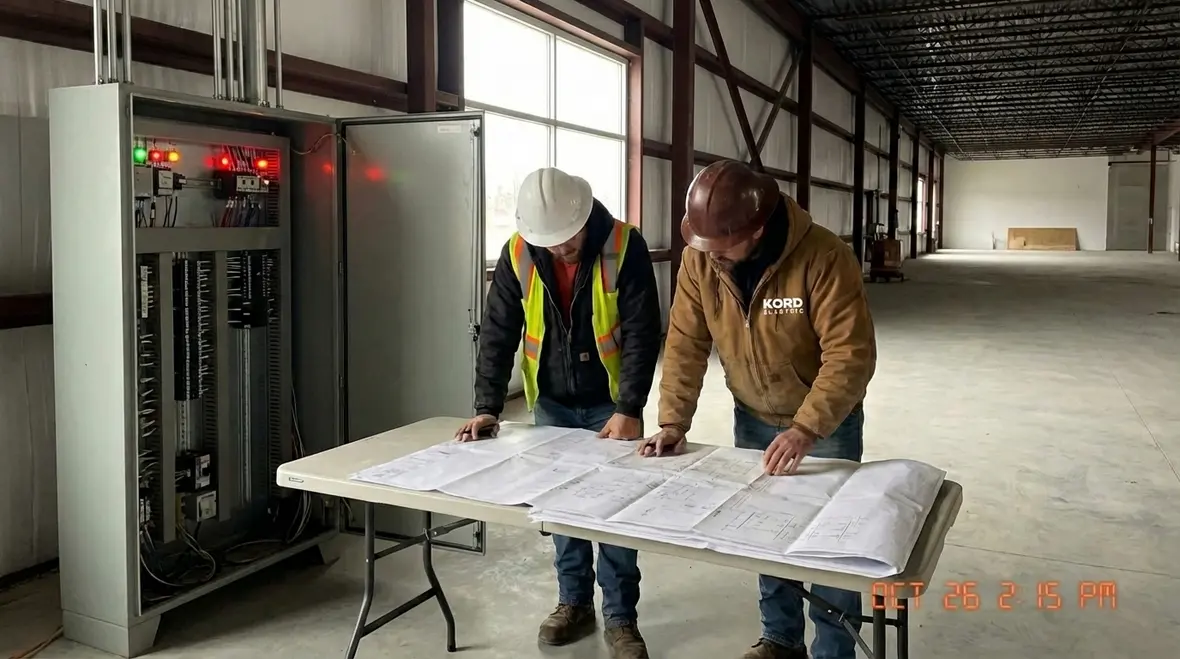
A dedicated circuit is exactly what it sounds like. One circuit. One piece of equipment. No sharing. No competition. No surprise power struggles.
In commercial and industrial environments, equipment often draws significant current. Think rooftop HVAC systems, walk in freezers, industrial dishwashers, server racks, or heavy manufacturing equipment. Each of these systems can place a heavy demand on the electrical load. When multiple high demand appliances share the same circuit, the risk of overload increases dramatically.
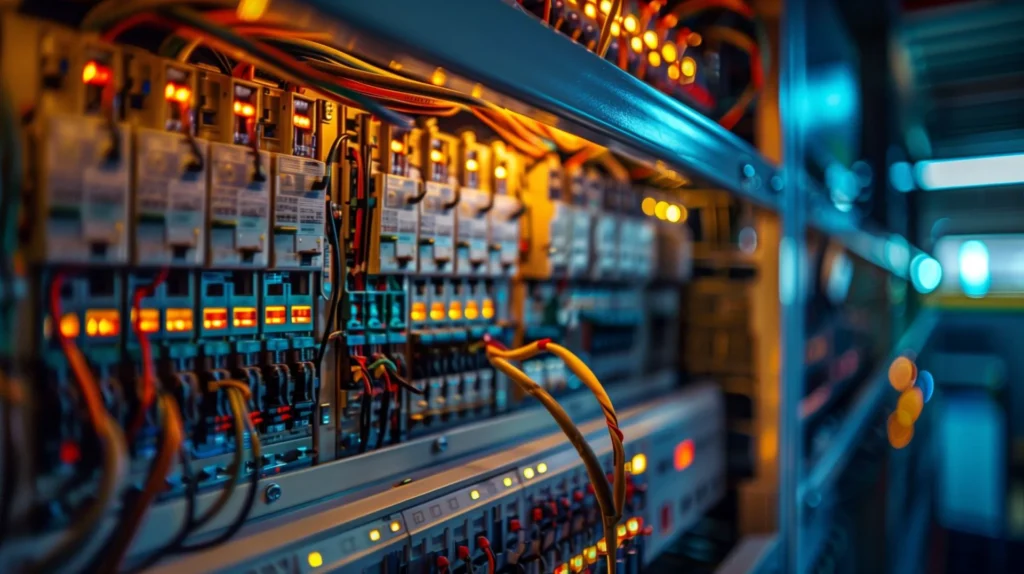
Therefore, a dedicated circuit isolates that equipment from others. It ensures the breaker, wiring, and outlet are sized specifically for that appliance. As a result, voltage remains stable, performance improves, and nuisance breaker trips become far less common.
Our expert service staff at Kord Electric often explain this using a simple comparison. Imagine a major production floor as a highway. If every truck, bus, and sports car shares one lane, traffic slows and accidents happen. However, when each lane is assigned based on speed and size, everything flows. Dedicated circuits create those lanes inside your electrical system.
When those lanes are planned correctly, they not only keep power steady, they also create room for growth. As your facility adds more equipment, properly designed dedicated circuits make it far easier to scale without constantly worrying about what unseen load is hiding on a shared line.
Why Large Buildings Cannot Afford Shared Electrical Loads
In residential settings, people sometimes get away with sharing circuits. In commercial and industrial facilities, that gamble becomes expensive.
Large buildings operate on tighter margins and stricter timelines. When a circuit trips in a restaurant kitchen during peak hours, revenue walks out the door. When a breaker shuts down part of a manufacturing line, production schedules fall apart. Moreover, in data sensitive environments, even a brief interruption can compromise equipment or data integrity.
By controlling the electrical load through dedicated circuits, facility managers gain predictability. Equipment receives consistent power. Breakers trip only when there is a true fault. Additionally, wiring is protected from overheating, which reduces long term wear.
We have seen facilities attempt to “make it work” with shared circuits. It usually works right up until it does not. And unfortunately, electricity does not send a warning text before it shuts things down.
In many cases, the first “warning” shows up as unexplained equipment glitches, nuisance trips, or heat at panels and outlets. By the time these symptoms are obvious, your electrical load is already telling you that it is under strain. Dedicated circuits give that load a controlled path instead of forcing it through compromised shortcuts.
How Dedicated Circuits Support Heavy Appliance Wiring
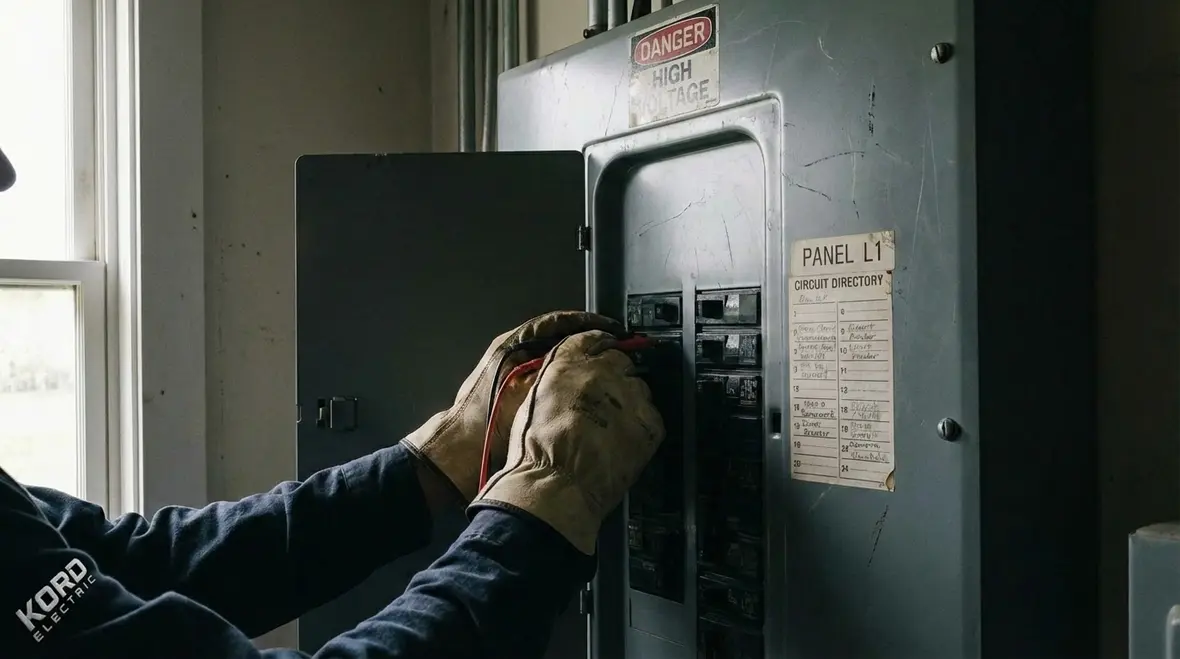
Commercial appliance wiring requires more than simply running a cable from panel to outlet. It demands accurate load calculations, conductor sizing, and proper breaker coordination.
At Kord Electric, our technicians begin by evaluating the full electrical load of the appliance. We consider startup surge, continuous operation ratings, and manufacturer specifications. For instance, industrial compressors and refrigeration units often draw significantly more current during startup than during steady operation. If that surge is not accounted for, breakers will trip repeatedly.
Furthermore, we match wire gauge and insulation type to the operating environment. High heat mechanical rooms and moisture prone areas require specific materials. Our expert service staff explain these decisions clearly to facility teams, because transparency builds trust.
In addition, we coordinate appliance wiring with panel capacity. A dedicated circuit is only effective if the panel can support it without exceeding overall demand. Therefore, we often perform comprehensive load studies in commercial properties to ensure the entire system remains balanced.
This kind of planning also pairs well with structured electrical preventive maintenance, where recurring inspections help verify that circuits, terminations, and breaker settings still align with your actual appliance wiring and usage patterns over time.
Startup Surges, Continuous Loads, and Real World Usage
A piece of equipment rarely draws just one neat, static number. Motors ramp up, compressors cycle on and off, and heating elements may run near continuously. Dedicated circuits let us design around each of these realities so that your breakers see exactly what they expect to see, no more and no less.
What Appliances Require a Dedicated Circuit in Commercial Buildings?
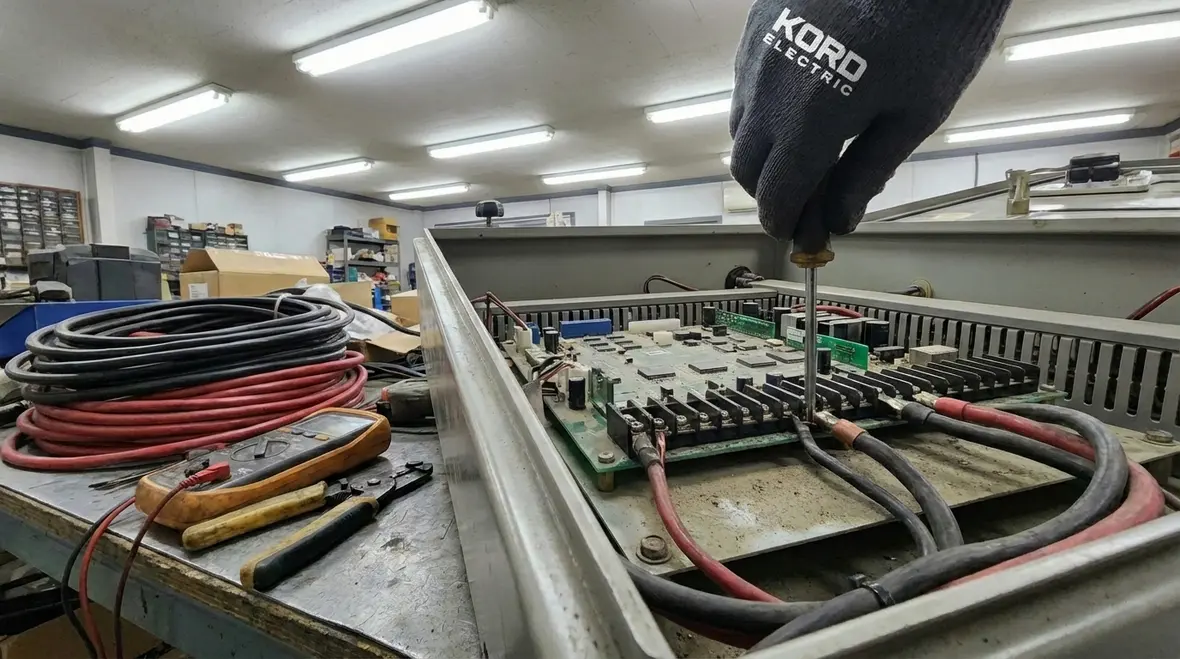
This is a question facility managers frequently ask, often in the context of planning upgrades or expansions.
The answer depends on code requirements, manufacturer instructions, and the size of the electrical load. However, in most commercial and industrial settings, the following equipment commonly requires its own circuit:
Common Equipment Requiring Dedicated Circuits
Rooftop HVAC units and large air handlers
Walk in coolers and freezers
Commercial ovens and ranges
Industrial dishwashers
Elevators and lift systems
Data center server racks
Large air compressors
Manufacturing machinery
Additionally, any appliance with a substantial continuous load or sensitive electronics benefits from isolation. Our technicians often advise property managers to review not only what is required by code, but also what is wise from an operational standpoint.
Because in large facilities, “minimum requirement” and “best practice” are not always the same thing.
In environments already dealing with voltage fluctuations, giving mission critical equipment its own lane on the panel is often the simplest way to reduce stress on electronics and keep sensitive processes online.
How Kord Electric Designs Dedicated Circuit Systems
At Kord Electric, the process begins long before a wire is pulled. We start with a detailed assessment of the building’s infrastructure. Our team reviews panel schedules, transformer capacity, and existing appliance wiring configurations.
Next, we calculate current and projected electrical load demands. If a facility plans to expand operations or add equipment, we factor that into the design. Consequently, the dedicated circuit installations we implement today continue to support operations tomorrow.
Below is a simplified comparison that our expert service staff often share with clients when discussing planning versus reactive fixes.
Proactive Design
Load calculations before install
Proper breaker coordination
Balanced panel distribution
Long term reliability
Reactive Adjustments
Circuits added after overload issues
Frequent breaker trips
Uneven phase loading
Short term patch solutions
While reactive adjustments may seem cheaper at first, they often cost more in downtime and repairs. Therefore, we encourage commercial property stakeholders to view dedicated circuits as part of a broader reliability strategy.
That strategy often ties directly into services such as electrical preventive maintenance, where circuit testing, thermal imaging, and tightening connections all work together to keep those carefully designed circuits performing as intended.
The Safety and Compliance Advantage
Electrical codes are not written to make life complicated. They exist because experience has shown what happens when systems are overloaded.
When too many devices share a circuit, conductors can overheat. Over time, insulation breaks down. Connections loosen. Eventually, equipment fails or worse. In industrial environments, that risk multiplies due to higher amperage and continuous operation.
By assigning a dedicated circuit to high demand equipment, facilities reduce the chance of overheating and electrical fires. Additionally, inspections become smoother. Code officials look for proper circuit sizing, correct breaker ratings, and accurate labeling. When systems are designed with clarity, compliance follows naturally.
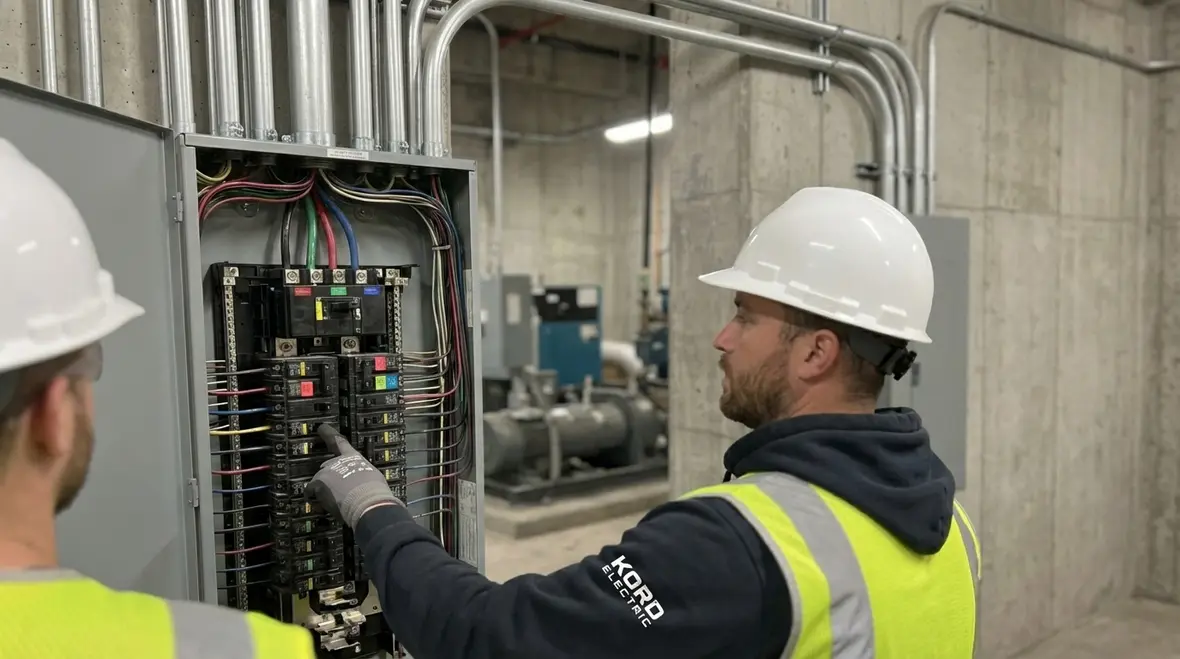
Our technicians often walk facility managers through panel boards during service visits. We explain which circuits support which appliances and why they were configured that way. Clients appreciate this clarity. After all, a well labeled panel is like a good map. It keeps everyone from wandering into trouble.
And when that map includes clearly documented dedicated circuits for critical loads, even emergency response becomes easier. If an issue arises, our team or your onsite staff can quickly isolate affected equipment without blindly taking entire sections of the building offline.
Managing Electrical Load in Expanding Facilities
Growth is exciting. It is also demanding on electrical infrastructure.
When commercial or industrial properties expand, the original electrical load calculations may no longer reflect reality. New production lines, additional cooling systems, or upgraded kitchen equipment can strain existing circuits.
Therefore, before adding new appliance wiring, our team conducts updated load assessments. We evaluate transformer capacity, panel limits, and feeder sizing. If necessary, we recommend service upgrades or redistribution of circuits.
Importantly, we do not simply add another breaker and hope for the best. Instead, we ensure that each new dedicated circuit integrates cleanly into the system. This method protects not only the new equipment but also everything already operating.
Think of it like adding a new member to an orchestra. If the power system is the conductor, every instrument must come in at the right time and volume. Otherwise, the result is noise instead of music.
For facilities planning major changes, pairing dedicated circuit design with broader services such as lighting installation upgrades or system modernizations can turn a piecemeal upgrade into a coordinated improvement of your entire electrical load path.
Partnering with Expert Service Staff Who Explain the Why
Technical expertise matters. However, the ability to explain that expertise matters just as much.
At Kord Electric, our technicians do not hide behind jargon. Instead, they break down complex topics such as electrical load balancing and dedicated circuit planning into clear language. We believe commercial clients deserve to understand how their systems function.
During site visits, our expert service staff review existing appliance wiring, identify risks, and outline practical solutions. We discuss timelines, budget considerations, and operational impacts. Moreover, we coordinate with facility managers to minimize disruption.
Because at the end of the day, we are not just installing circuits. We are protecting operations, safeguarding investments, and supporting the people who rely on these systems every hour.
Frequently Asked Questions
Powering Performance with Confidence
In commercial and industrial environments, power must be steady, safe, and designed with intention. At Kord Electric, we approach every dedicated circuit and appliance wiring project with careful planning and respect for your electrical load demands. Our technicians and expert service staff stand ready to evaluate, explain, and implement solutions that protect your operations.
When reliability matters and downtime is not an option, we are here to design systems that work as hard as you do. Whether you need new dedicated circuits, a detailed electrical load review, or support for a broader project such as commercial lighting installation or EV charger installation, our team is ready to help you plan, execute, and maintain your upgrades.
If your facility is already wrestling with overloaded panels, unexplained trips, or equipment that never seems completely happy, dedicated circuits may be the missing piece. Contact Kord Electric today and let us strengthen the backbone of your facility.