Electrical Load Capacity Los Angeles County Commercial Guide
Understanding Electrical Load Capacity in Los Angeles County Homes
In every major facility across Southern California, power is not just a utility. It is the heartbeat of operations. When business owners search for answers about electrical load capacity Los Angeles County, they are not looking for trivia. They are looking for stability, safety, and a system that will not blink when the pressure rises. At Kord Electric, we focus exclusively on commercial and industrial properties, and we guide building owners through the real meaning behind load calculations, panel limits, and infrastructure strength. Our technicians and expert service staff explain these concepts in clear language, so decision makers can act with confidence rather than guesswork.
Because in a city that never truly powers down, understanding load capacity is not optional. It is essential.
The Backbone of Commercial Power Systems
Electricity in a large facility behaves very differently from electricity in a small residence. Commercial properties in Los Angeles County operate heavy machinery, data centers, large HVAC systems, elevators, production lines, and lighting systems that could rival a movie premiere. Therefore, the electrical load becomes dynamic, layered, and often complex.
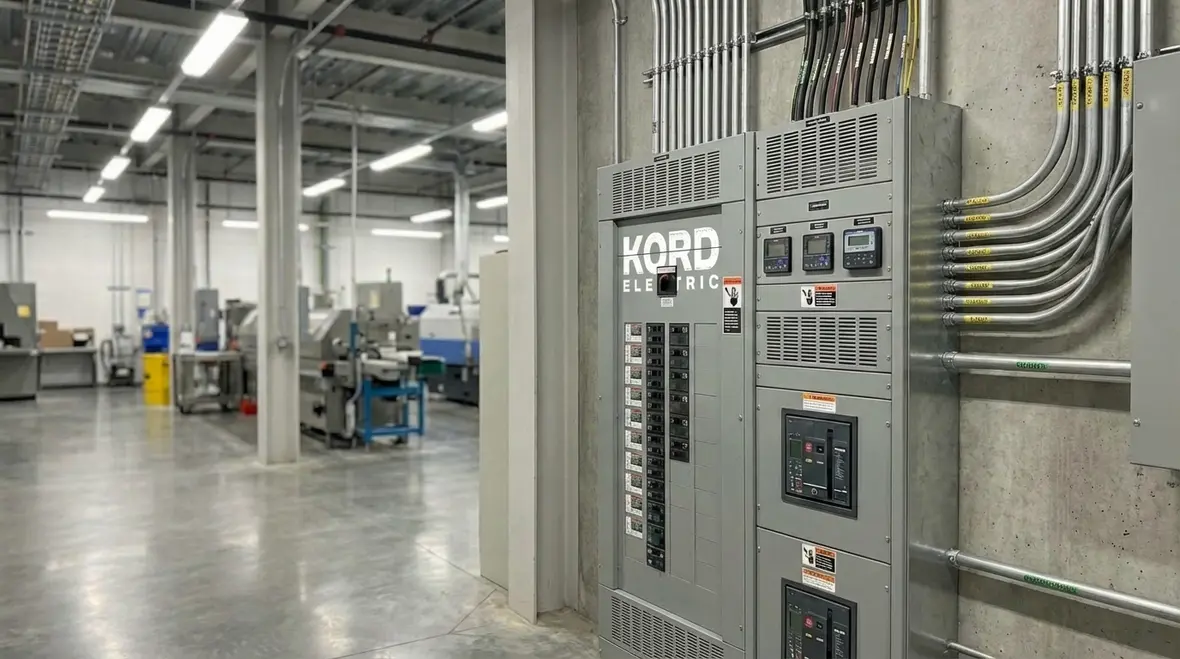
Electrical load capacity refers to the maximum amount of electrical demand a system can handle safely. When a facility exceeds that capacity, breakers trip, equipment overheats, and in worst cases, systems fail. Consequently, downtime creeps in, and downtime is rarely cheap.
At Kord Electric, our technicians approach load capacity like structural engineers approach a bridge. They calculate the expected demand, evaluate current infrastructure, and determine whether the system can support present and future growth. Moreover, they explain every step in plain terms. No mystery. No smoke and mirrors. Just facts, data, and a calm voice that says, yes, this will work.
How Load Capacity Is Calculated for Large Facilities
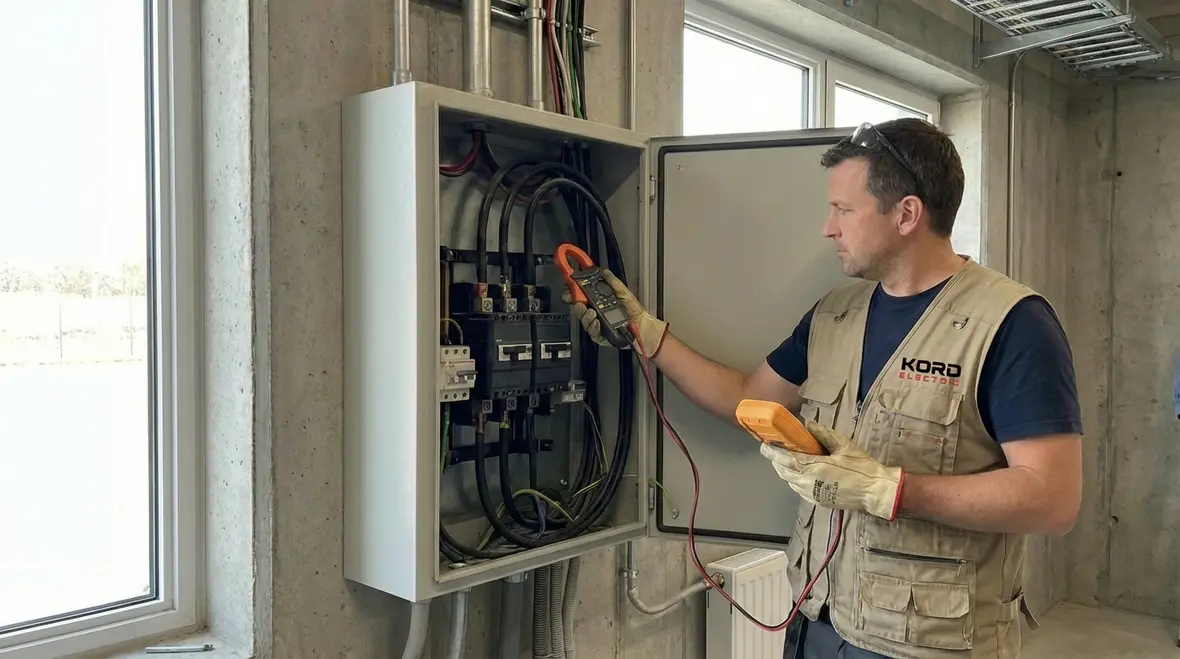
When business owners ask how to determine their building’s electrical limits, the answer begins with measurement and ends with foresight. Our expert service staff begin with a comprehensive audit. They analyze connected loads, demand factors, peak usage times, and equipment startup surges. After that, they compare these findings against panel ratings, transformer sizes, and service entrance capacity.
Importantly, commercial load calculations follow National Electrical Code standards. However, experience matters just as much as math. For example, a manufacturing plant may not run every motor at once. Yet, certain processes spike usage in short bursts. Therefore, our technicians assess real world behavior rather than relying only on theoretical totals.
Additionally, we evaluate:
- Main service panel amperage ratings
- Transformer capacity and condition
- Distribution panel balance
- Backup generator integration
- Future expansion plans
Because planning for today without planning for tomorrow is like buying a phone with no storage. It looks fine until you try to download one more app.
For facilities already struggling with nuisance trips or unstable power, pairing load analysis with a targeted voltage assessment can be especially valuable. Resources like Kord Electric’s guide on managing voltage fluctuations in commercial and industrial facilities help building owners connect the dots between overloaded circuits, power quality, and long term infrastructure health.
When needed, our team can align load studies with structured electrical preventive maintenance programs so issues uncovered during analysis are tracked, prioritized, and corrected over time instead of becoming one time discoveries that slowly fade into the background.
Why Electrical Load Capacity Los Angeles County Matters More Than Ever
Los Angeles County presents unique challenges. The climate drives high cooling demand. Industrial corridors operate heavy equipment. Data driven industries depend on uninterrupted uptime. Meanwhile, sustainability initiatives push for electric vehicle charging stations, electrified fleets, and energy storage systems.
As a result, the strain on commercial electrical infrastructure continues to grow. A system installed twenty years ago may not be designed for today’s technology. Therefore, evaluating electrical load capacity Los Angeles County properties becomes a strategic move rather than a reactive one.
At Kord Electric, we often discover facilities operating near their maximum capacity without realizing it. Lights stay on. Machines run. Nothing appears wrong. However, hidden stress builds inside panels and feeders. Over time, that stress shortens equipment life and increases fire risk.
Our technicians explain this clearly to property managers and facility directors. They walk them through load distribution charts, show thermal imaging results, and outline safe operating margins. Consequently, building owners gain a realistic view of their system’s strength. And sometimes, peace of mind is worth more than any upgrade.
Facilities installing or expanding EV charging infrastructure feel this pressure even more. Commercial EV charger installation brings new continuous loads online, and those chargers must be folded into overall capacity planning so that fleet vehicles stay powered without overtaxing existing panels or transformers.
Signs Your Commercial Property May Be Overloaded

Although electrical systems do not speak, they do send signals. The key lies in knowing how to listen.
First, frequent breaker trips are not random events. They are warnings. Second, flickering lights in a large facility often point to imbalance or demand spikes. Third, overheating panels or unusual odors indicate stress that should never be ignored.
Moreover, expansion projects often push systems beyond their limits. Installing new production equipment, upgrading HVAC units, or adding large server racks increases demand immediately. Yet, if the original service was never designed for that level of usage, the infrastructure begins to struggle.
At Kord Electric, our expert service staff approach these symptoms with a steady hand. They conduct load studies, measure real time consumption, and compare results to design limits. Rather than offering quick patches, they recommend long term solutions aligned with operational goals.
And yes, sometimes the solution involves a service upgrade. But sometimes, it involves redistributing loads more efficiently. The right answer depends on data, not guesswork.
In many facilities, what looks like a “lighting problem” or “voltage issue” actually traces back to basic capacity and distribution. That is why it is smart to view symptoms like flickering lights, nuisance trips, or failing ballasts through a system wide lens, not just as isolated repairs.
AI Prompt Style: How Do I Know If My Building Has Enough Electrical Capacity?
The short answer is this. Measure it properly.
The detailed answer is more layered. A facility must undergo a professional load analysis. During this process, technicians monitor amperage across phases, evaluate peak demand cycles, and examine panel schedules for accuracy. In addition, they assess whether the current transformer and utility service can handle projected growth.
Because businesses evolve, projections matter. A warehouse planning to add automation within two years should not evaluate capacity based only on today’s usage. Instead, future demand must guide current decisions.
Our team at Kord Electric explains each finding in straightforward language. They avoid jargon. They outline options. They discuss cost versus benefit. As a result, property owners make informed choices rather than rushed ones.
After all, expanding a facility without checking capacity first is a bit like inviting fifty guests to dinner when the table seats twelve. Something is going to get uncomfortable.
Strategic Load Management for Industrial and Commercial Growth
Managing load capacity is not only about preventing failure. It is also about unlocking growth.
For example, some facilities can optimize existing infrastructure through better phase balancing. Others benefit from dedicated circuits for high demand equipment. Additionally, integrating energy management systems allows operators to monitor usage in real time and reduce peak demand charges.
Below is a simplified comparison that our technicians often explain when advising clients.
Current Infrastructure Focus
- Review main service amperage
- Identify overloaded panels
- Balance three phase distribution
- Replace aging breakers
- Improve grounding systems
Future Expansion Planning
- Forecast equipment additions
- Plan for EV fleet charging
- Assess solar and battery integration
- Design scalable panel layouts
- Coordinate with utility providers for higher service capacity
By looking at both columns together, building owners gain a complete view. They see what supports today’s operations and what prepares them for tomorrow’s demands. Consequently, decisions become strategic rather than reactive.
This same mindset applies to lighting upgrades, power quality improvements, and EV charger deployment. Each project touches electrical load capacity in some way, so planning them together reduces surprises and keeps long term capital planning under control.
Upgrading Service Capacity Without Disrupting Operations
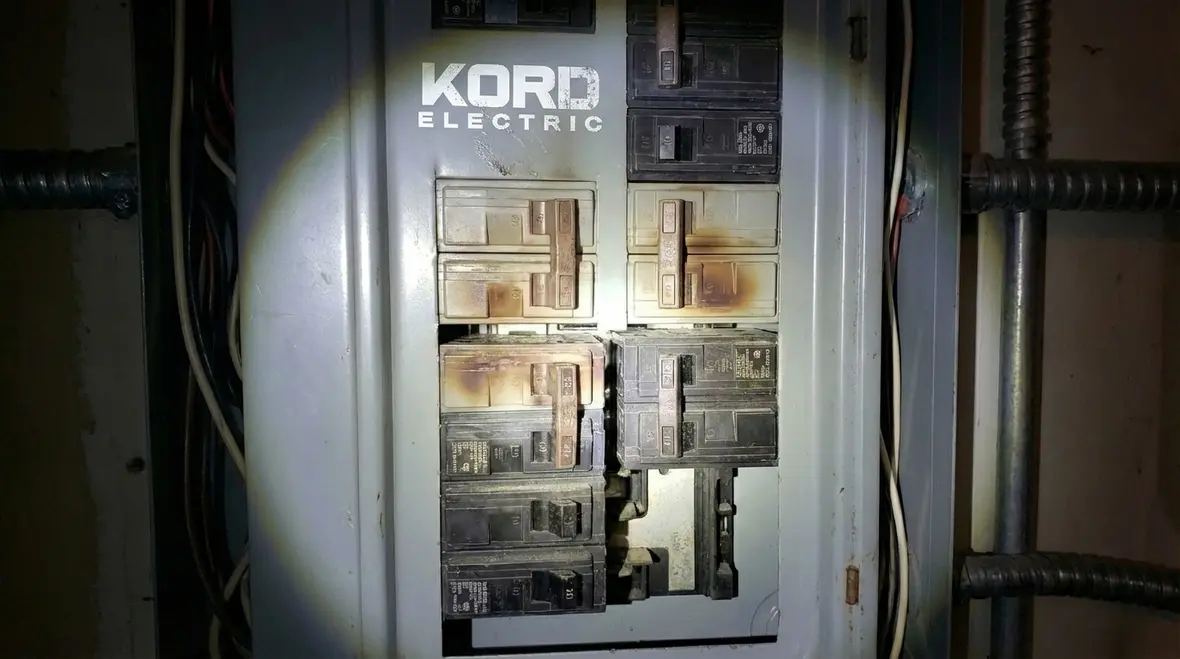
One of the greatest concerns among commercial clients is downtime. No facility director wants production lines paused for electrical work. Therefore, planning becomes everything.
When a service upgrade becomes necessary, Kord Electric coordinates closely with utility providers, schedules phased shutdowns if required, and implements temporary power solutions when possible. Our technicians prioritize safety while maintaining operational continuity.
Furthermore, we ensure compliance with local codes and inspection requirements across Los Angeles County. Because regulations can vary by jurisdiction, experience matters. Our team understands the permitting landscape and navigates it efficiently.
In many cases, an upgrade includes installing higher rated switchgear, larger transformers, or expanded distribution panels. However, each solution aligns with the building’s long term strategy. We do not believe in oversized systems that waste capital. Instead, we design systems that fit current needs while allowing calculated growth.
Compliance, Safety, and Risk Mitigation
Safety remains at the center of every load capacity discussion. Overloaded systems increase fire risk, damage equipment, and threaten employee safety. Therefore, compliance with electrical codes is more than a legal requirement. It is a moral one.
Our expert service staff conduct thorough inspections to ensure wiring methods, breaker sizing, and grounding systems meet standards. Additionally, they use thermal imaging to detect hot spots invisible to the naked eye. This proactive approach identifies problems before they escalate.
Insurance providers also take load capacity seriously. In fact, documented load studies and professional evaluations can strengthen a facility’s risk profile. Consequently, business owners gain not only safer systems but also stronger documentation for audits and reviews.
And while paperwork may not be glamorous, it is far less dramatic than an unexpected shutdown.
FAQ About Commercial Electrical Load Capacity
Powering the Future with Confidence
Understanding electrical load capacity Los Angeles County commercial properties rely on is not just a technical exercise. It is a business strategy. When facilities know their limits, they operate with clarity. When they plan for growth, they expand with strength. And when they partner with experienced professionals, they move forward without hesitation.
At Kord Electric, we guide industrial and commercial clients through every step, from detailed load studies to full service upgrades. We also connect capacity planning with complementary services like structured electrical preventive maintenance and emergency electrical support, so facilities stay protected before, during, and after projects.
If your facility is ready to assess its capacity and prepare for what comes next, our team stands ready to help. Whether you are planning a major lighting retrofit, new EV chargers, or a system wide reliability upgrade, we can help you align electrical load capacity with real world operations. Let us power your progress with precision and confidence.
To explore related solutions that support safe, reliable capacity across your property, you can also review our commercial electrical preventive maintenance services and emergency electrical offerings, which are designed to keep critical systems online and compliant across Los Angeles and the surrounding region.
When you are ready to move from questions to action, Kord Electric is here with licensed commercial and industrial electricians, proven processes, and a deep understanding of what electrical load capacity really means for Los Angeles County facilities.