Electrical Panel Inspections: Why They Matter More Than You Think
Electrical panels are the control center of a building’s power system. Every circuit, breaker, and protective device relies on the panel to distribute electricity safely and consistently. When panels are overlooked, small issues can quietly turn into power failures, equipment damage, or serious fire hazards. Routine electrical panel inspections are one of the most effective ways to prevent those outcomes.
What an Electrical Panel Inspection Covers
A proper electrical panel inspection goes far beyond a quick visual check. It focuses on safety, reliability, and long term performance.
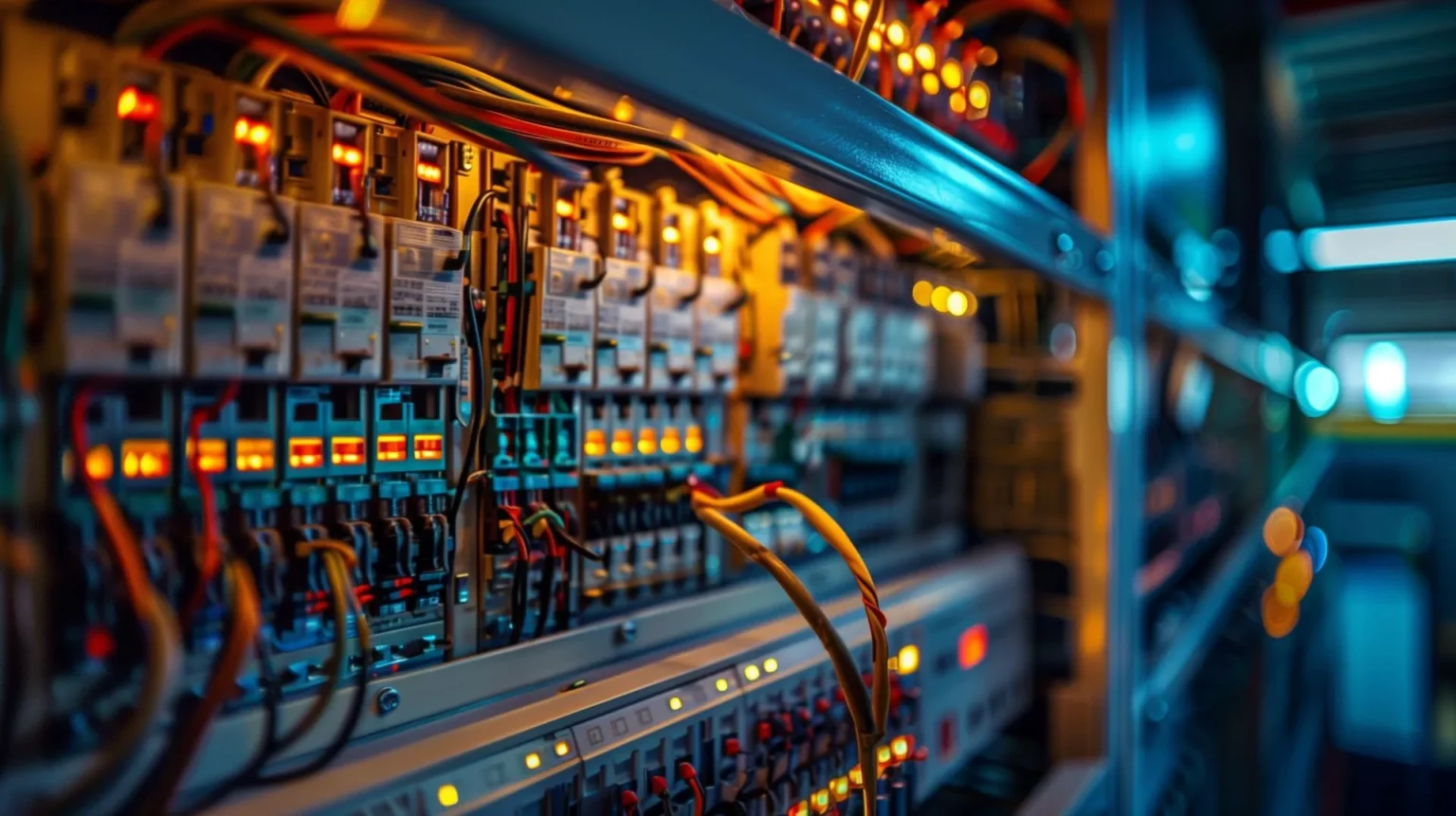
Inspectors typically evaluate breaker condition, panel labeling, conductor sizing, grounding and bonding, and signs of overheating or corrosion. Loose connections are identified and corrected, since even a slightly loose lug can generate enough heat to damage insulation or cause arcing. Inspectors also verify that circuits are not overloaded and that breakers are correctly rated for their conductors.
In commercial and industrial settings, inspections often include thermal imaging. This allows technicians to detect abnormal heat patterns that indicate failing components before visible damage occurs.
Fire Risk and Code Compliance
Electrical panels play a direct role in fire prevention. Many electrical fires start inside panels due to loose connections, aging breakers, or improper modifications made over time. Regular inspections help identify these risks early and keep systems aligned with recognized safety standards such as those developed by National Fire Protection Association.
Staying compliant is not just about avoiding violations. Code compliant panels are safer, easier to service, and more predictable under load. For property owners and facility managers, inspections also create documentation that supports insurance requirements and internal safety programs.
Aging Panels and Modern Remediation
Older electrical panels were not designed for today’s electrical demand. Increased use of data equipment, HVAC systems, and specialized machinery can push legacy panels beyond their intended capacity. During an inspection, technicians assess whether the panel can safely support current loads and identify signs that upgrades or selective replacements may be needed.
This does not always mean a full panel replacement. In many cases, targeted repairs, breaker replacements, or load balancing can significantly extend the panel’s service life while improving safety.
Operational Reliability and Downtime Prevention
Electrical failures rarely happen at convenient times. A single panel issue can shut down an entire floor, production line, or critical system. Electrical panel inspections reduce unplanned downtime by identifying weak points before they fail.
For facilities that operate continuously or support life safety systems, this reliability is essential. Inspections help ensure that power distribution remains stable during normal operation and predictable during emergency conditions.
A Proactive Safety Practice
Electrical panel inspections are a preventive measure that protects people, property, and operations. They support fire safety, improve system performance, and provide clarity about the true condition of a building’s electrical infrastructure.
When panels are inspected regularly, issues are managed on your terms rather than during an emergency. That proactive approach is what keeps electrical systems safe, compliant, and dependable year after year.