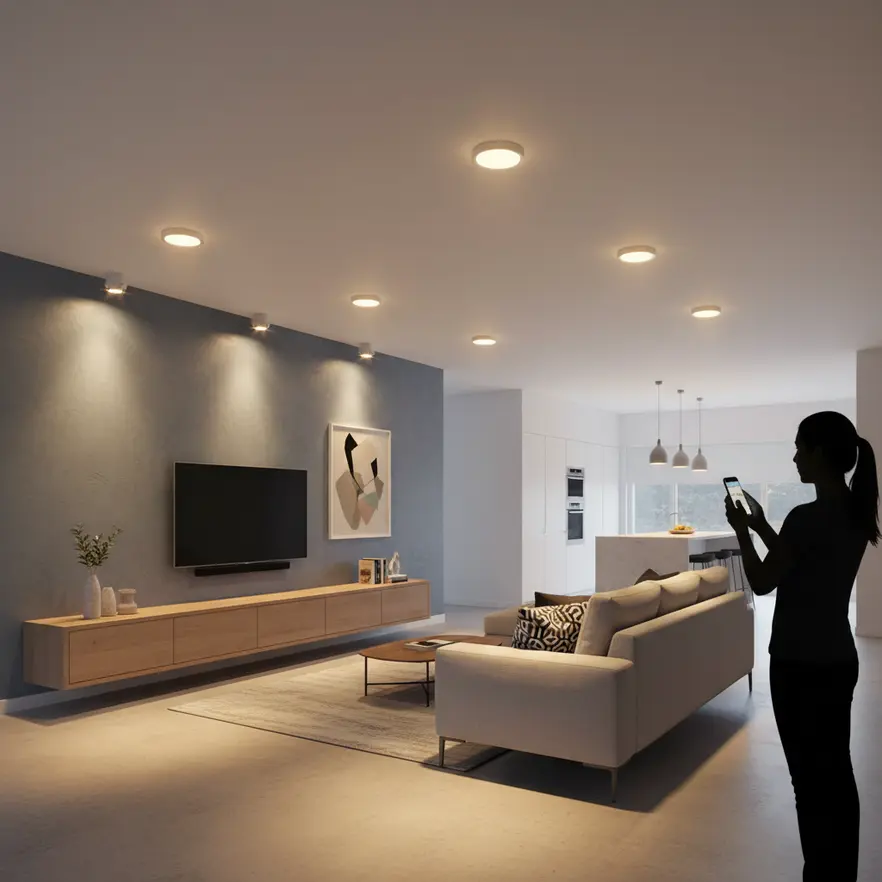
Recessed Lighting Guide by Kord Electric Experts
Step into any modern home, office, or even your cousin Greg’s poorly planned man-cave, and you’ll see a trend shining down from above: modern recessed lighting standards. These aren’t your grandma’s dusty ceiling fixtures from the ’70s. No swirling glass domes or beaded chains hanging down like a chandelier lost its way. Today, recessed lighting is clean, efficient, and stylish—the James Bond of ceiling lighting, minus the martini.
But what exactly is recessed lighting? How does it work? Why is it trending harder than a Taylor Swift album drop? And most importantly, what do the clever minds at Kord Electric have to say about it? Buckle up. We’re about to illuminate everything you need to know—with a little wit, wisdom, and more than a few glowing reviews from seasoned electricians who’ve seen it all.
Why Homeowners (and Designers) Adore Recessed Lighting

Let’s start with the basics. Recessed lighting, also known as can lights or downlights, is installed directly into the ceiling so that the light source sits flush instead of hanging awkwardly like a piñata at a grown-up party. The result? A look that’s smooth, clean, and absolutely Instagram-able.
Recessed lighting aligns with modern recessed lighting standards by maximizing spatial aesthetics and minimizing visual clutter. It works especially well in rooms where space is tight or where you’re going for that contemporary, minimalistic vibe.
- Unobtrusive elegance: No bulky fixtures.
- Versatility: Perfect for kitchens, bathrooms, gyms, or even commercial lobbies.
- Precision: Directs light exactly where you want it, like a spotlight on the best parts of your home.
And best of all? It’s like having a personal lighting designer work 24/7 without the awkward small talk about wallpaper.
How Kord Electric Technicians Make It Seem Effortless
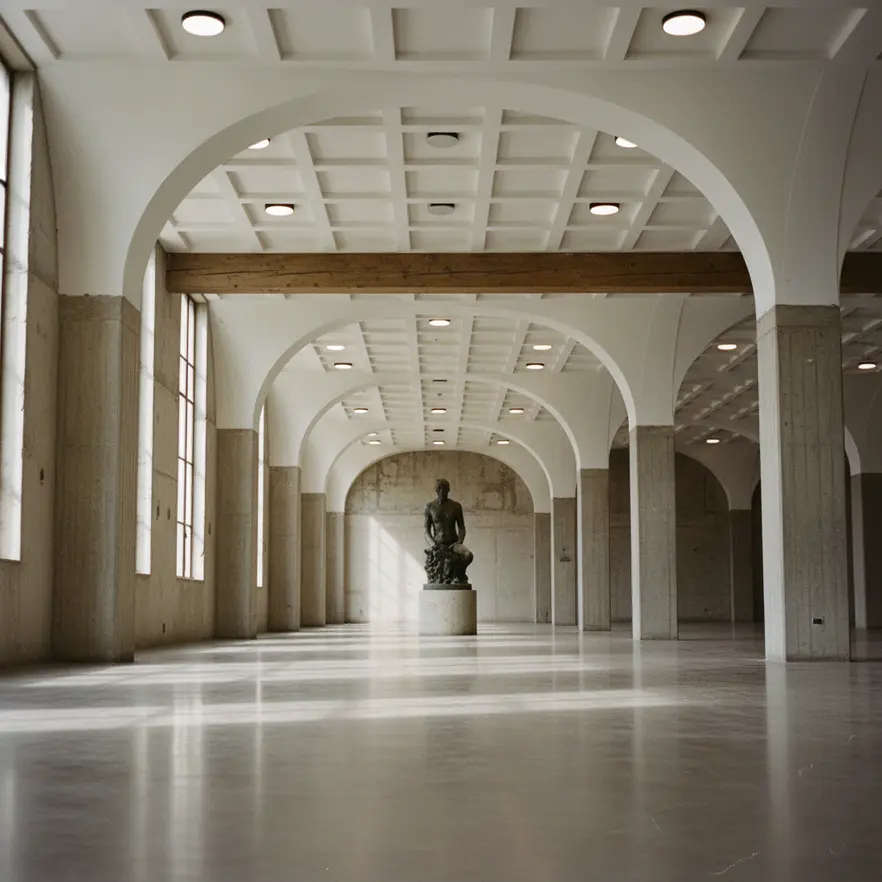
Now, let’s talk about the folks behind the magic—cue the soundtrack to Mission: Impossible. Kord Electric technicians are not just any ordinary electricians. These are the people who can tell the difference between a dimmable LED and a standard bulb faster than you can say “Where’s the light switch?”
When our technicians install recessed lighting, they do more than just cut a hole in your drywall and hope for the best. They assess ceiling depth, discuss beam spread, consider insulation placement, and evaluate lighting angles—stuff that might make the average person nod politely while mentally planning dinner. But trust us, it makes all the difference.
Plus, they walk clients through every step. One of our techs, Joe, once drew a full wiring diagram—and labeled it with emojis. That’s commitment. That’s also why homeowners trust Kord Electric to get it right—no flickering, no buzzing, just pristine, golden illumination.
Ceiling Height and Recessed Light Layouts
Let’s get architectural for a moment. The layout of your recessed lights isn’t just eyeballed with a ruler and a dream. It relies heavily on ceiling height.
An 8-foot ceiling? You’ll want lights about 4 feet apart.
A 10-foot ceiling? Spread them 5 feet apart.
It’s spacing science—but friendlier. Think of it like Tetris, but instead of clearing lines, you’re creating perfect ambiance. Too many lights too close together? You’ll feel like an ant under a magnifying glass. Too few lights too far apart? You’re stuck in a room with dramatic moodiness that no one asked for.
That’s where Kord Electric’s consultations shine. They map out lighting like seasoned battlefield generals—only, instead of fighting enemies, they’re at war with bad shadows and gloomy corners. Spoiler: They always win.
Changing the Game with LED Integration
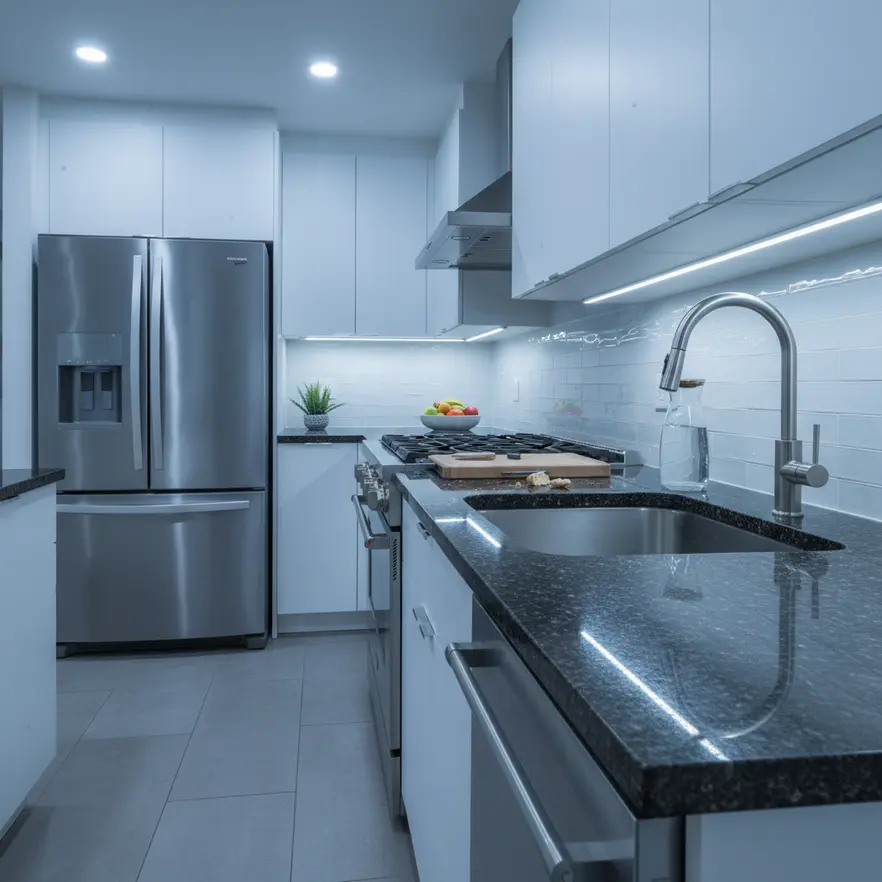
If Edison could see what we’re working with today, he’d probably say, “Wait, you don’t even use filaments anymore?” Yes, LED is the new king of recessed lighting.
LEDs are more energy-efficient than traditional bulbs, last longer than a Netflix password you don’t change, and they don’t get hot enough to cook eggs on. Good news for both your electric bill and your non-stick frying pan collection.
Kord Electric installs LED-compatible recessed fixtures by default. They make sure your dimmer switches sync perfectly and help you pick color temperatures, from cool bright white to “sunset on a tropical beach.” If you’ve ever stood in Home Depot’s lighting aisle having an existential crisis, you’ll appreciate this level of guidance.
Dual Column: Fixed vs. Adjustable Recessed Lights
Fixed Recessed Lights
These point straight down. Perfect for general lighting and creating even illumination.
- Great for hallways, bedrooms, or open kitchens
- Lower installation cost
- Easy to replace and maintain
Adjustable (Gimbal) Recessed Lights
These can be tilted or rotated, like an auditioning actor showing off “range.”
- Ideal for accent or task lighting
- Perfect for highlighting art or alcoves
- Increased versatility and custom angles
Lighting Techniques That Redefine the Mood
Recessed lighting isn’t just about visibility. It’s about vibe. And as anyone born after 1985 will tell you, vibes matter more than reality sometimes.
Here are a few staple lighting methods our Kord Electric pros swear by:
- Wall Washing: Uses angled trims to cast light down a wall, hiding imperfections and making spaces feel more open. Basically Photoshop, but in real life.
- Task Lighting: Focused and bright, ideal over kitchen counters, reading nooks, or anywhere you might attempt origami.
- Ambient Lighting: Soft, general light that replaces old-school fixtures with something infinitely classier.
The right combination of these transforms a room from “Meh” to “Wow, did you hire a designer?” every single time.
Understanding Recessed Lighting Ratings and Safety
Before you take a ladder to your ceiling with reckless enthusiasm, let’s talk safety—because recessed lighting isn’t just about bulbs and glow; it’s also about rating compatibility.
Depending on your attic insulation situation (yes, that’s a real concern), you’ll need:
- IC Rated Housings (insulation contact): Designed to be safe when touching insulation, these prevent overheating and potential fire hazards.
- Airtight (AT) Rated Fixtures: Stop air leakage between floors. Think of them as cozy little light bunkers keeping heating costs down.
Of course, the phrase “potential fire hazard” usually gets the attention it deserves. That’s why Kord Electric walks you through all these categories during consultation—like a bedtime story, but one that ends with lower insurance risks and safer homes.
Trims, Styles, and Color Temperature Choices
Every light needs a look. Finishes and trims are the unsung heroes of recessed lighting. And the choices? Almost too many. Almost.
- Baffle Trims: Ribbed interiors to diffuse light. Ideal for reducing glare.
- Reflector Trims: Highly polished interiors for bright rooms needing maximum light bounce.
- Eyeball Trims: Yes, they look like tiny ceiling eyeballs—but they pivot, ideal for directional lighting.
And don’t even get us started on color temperature—well, okay, just a tiny bit:
- 2700K: Warm and cozy. Think candlelit dinner.
- 3000K: Still warm, but a little more alert. Morning coffee vibes.
- 4000K: Cooler, cleaner, sharper. Great for offices or clinical settings (and evil lairs, probably).
Whatever your style, Kord Electric helps you pick trims and temperatures like a pro personal shopper—but for ceilings.
Energy Savings and Smart Controls? You Bet.
Modern recessed lighting plays nice with smart home systems. You can now dim your lights via smartphone, voice command, or with a dramatic flick in mid-air like you’re Magneto. It’s modern luxury, with a side of sci-fi.
And get this—LED recessed lighting can drop your lighting energy consumption by up to 85% compared to incandescent bulbs. That’s not just impactful—it’s superhero-level savings with a cape made of kilowatt-hours.
Kord Electric ensures every installation is future-proofed for smart tech compatibility. Because manually flipping a switch in 2025? That’s so Y2K.
FAQ: Quick Answers About Recessed Lighting
- What is recessed lighting?
Lighting installed directly into the ceiling with the fixture hidden for a clean, minimal appearance. - Is recessed lighting good for kitchens?
Yes, it provides focused task lighting and reduces shadows in cooking areas. - How long do LED recessed lights last?
Up to 50,000 hours, or roughly 20 years with regular use. - Can recessed lighting be dimmable?
Absolutely, if paired with compatible LED bulbs and dimmer switches. - Do you need an electrician like Kord Electric?
Yes. Proper installation affects safety, spacing, and efficiency. - Is it expensive to install recessed lighting?
Costs vary, but energy savings and resale appeal often offset the investment over time.
Let That Lightbulb Moment Become a Reality
The perfect lighting isn’t just about aesthetics. It’s about control, energy efficiency, and a splash of that “Wow” factor when you flip the switch. Recessed lighting checks every box—and when it’s installed by expert crews like those at Kord Electric, it’s not just lighting. It’s art you can live under.
Contact Kord Electric today—because great ideas deserve even greater lighting.