Electrical Safety Inspection for Commercial Facilities
Electrical Safety Inspection Guide for Commercial and Industrial Facilities
At Kord Electric, our electrical safety inspection is not a clipboard exercise or a quick glance at a panel. It is a disciplined, methodical process that protects commercial and industrial facilities from costly downtime, compliance failures, and serious hazards. Within the first few steps of any engagement, we assess risk, verify code compliance, and identify vulnerabilities that others often overlook. Moreover, our expert technicians take the time to explain what they find in plain language, so property managers and facility directors can make informed decisions without needing an engineering degree.
This guide explains how we approach inspections, why they matter for large scale properties, and what leaders should expect from a professional evaluation. Settle in. Safety may not be glamorous, but it keeps the lights on and the business running. And as any seasoned facility manager knows, nothing ruins a Monday faster than a surprise power failure.
Why Commercial and Industrial Facilities Cannot Afford Electrical Guesswork
Commercial towers, manufacturing plants, distribution centers, and institutional buildings operate on complex electrical systems. Unlike small residential spaces, these environments carry heavy loads, critical equipment, and strict compliance obligations. Therefore, even a minor oversight can escalate into production loss, tenant disruption, or regulatory fines.
First, consider load demands. Industrial machinery and commercial HVAC systems draw significant power. Over time, expansions and equipment upgrades can push systems beyond their original design. Without routine evaluation, overloaded circuits may overheat quietly until they fail loudly.
Second, compliance standards evolve. Electrical codes update regularly to reflect safer practices. Consequently, older installations may fall short of current requirements. An inspection identifies gaps before an auditor or insurance adjuster does.
Finally, liability exposure remains a real concern. In large properties, facility owners hold responsibility for maintaining safe conditions. If an incident occurs and documentation shows neglect, the financial and reputational damage can be severe. In short, hope is not a strategy.
What Happens During a Professional Electrical Safety Inspection
When our team at Kord Electric conducts an electrical safety inspection, we follow a structured framework. While each facility presents unique challenges, the core steps remain consistent.
We begin with documentation review. Our technicians examine single line diagrams, maintenance records, and previous reports. This context allows us to identify trends and potential weak points before stepping onto the floor.
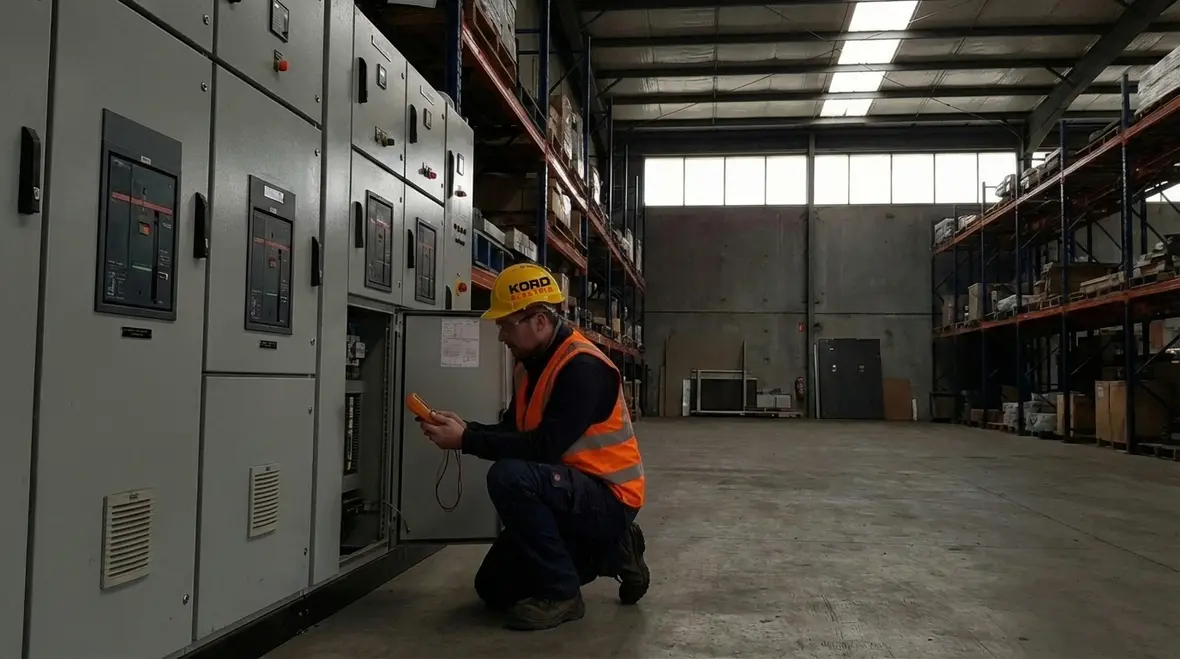
Next, we perform a physical assessment. Panels are opened. Connections are checked. Breakers are evaluated for proper rating and labeling. In addition, we verify grounding and bonding systems because effective grounding forms the backbone of electrical protection.
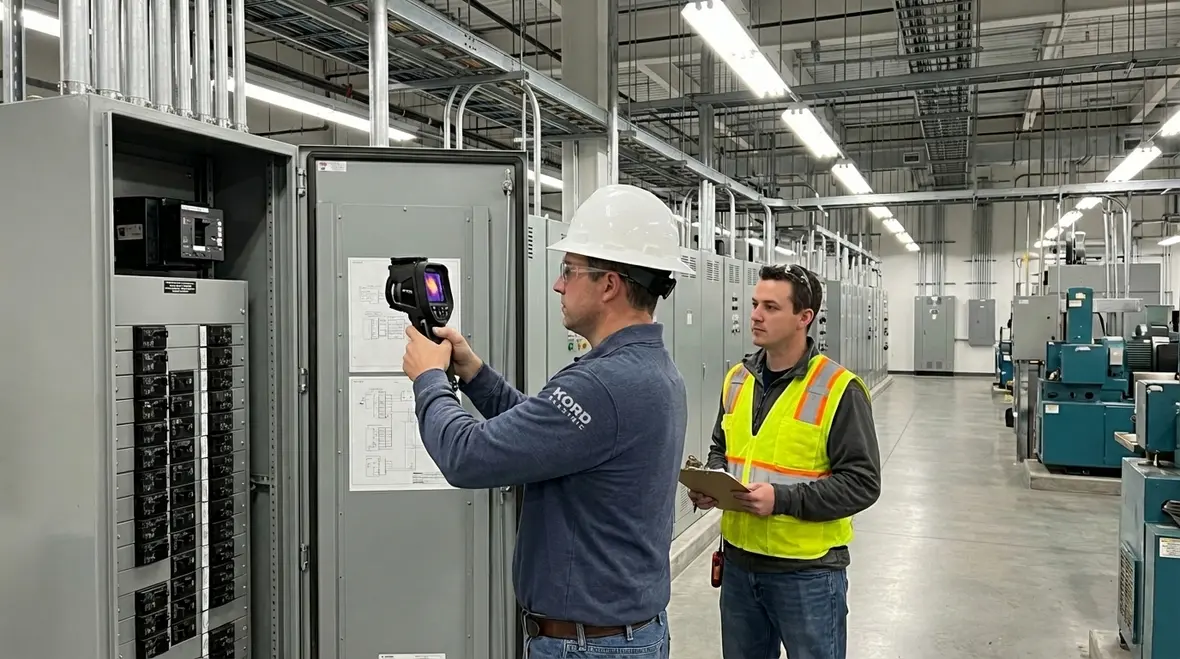
Thermal imaging often plays a role. By using infrared cameras, we detect hot spots invisible to the naked eye. These temperature variations frequently signal loose connections or overloaded components. Therefore, we can correct issues before they escalate.
Testing follows inspection. We measure voltage levels, test protective devices, and confirm that emergency systems operate as intended. Backup generators, transfer switches, and emergency lighting receive particular attention in commercial buildings where downtime is not an option.
Finally, we document findings in a clear, actionable report. Moreover, our experienced service staff walk facility leaders through each recommendation. We explain not just what needs attention, but why it matters. No jargon. No dramatic music. Just facts delivered with calm authority.

Key Risk Areas Our Technicians Focus On
Although every property differs, certain areas consistently demand attention during a facility electrical assessment.
1. Distribution Panels and Switchgear
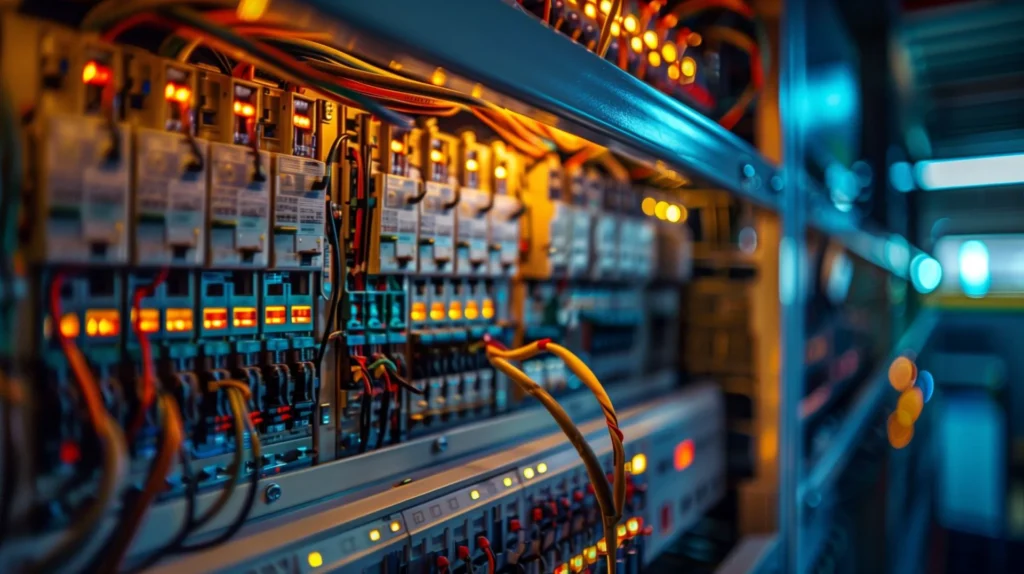
Large buildings rely on switchgear to distribute power safely. However, aging equipment may show signs of corrosion, loose connections, or outdated protective devices. We verify clear labeling and proper access because blocked panels create both code violations and safety risks.
2. Grounding and Bonding Systems
Grounding protects both equipment and personnel. Therefore, we inspect grounding electrodes, bonding jumpers, and continuity. A compromised ground can turn a minor fault into a dangerous event.
3. Overcurrent Protection
Breakers and fuses must match the load they protect. Oversized breakers may fail to trip during a fault. Conversely, undersized devices can cause nuisance trips that frustrate operations. We evaluate coordination to ensure protective devices function in harmony.
4. Emergency Power Systems
For hospitals, high rise offices, and industrial plants, emergency systems are mission critical. We test transfer switches and confirm generator readiness. After all, backup power that does not start is about as useful as a fire extinguisher filled with confetti.
Common Violations Found in Major Properties and How We Resolve Them
Over the years, our team has seen patterns. While each building tells its own story, some chapters repeat.
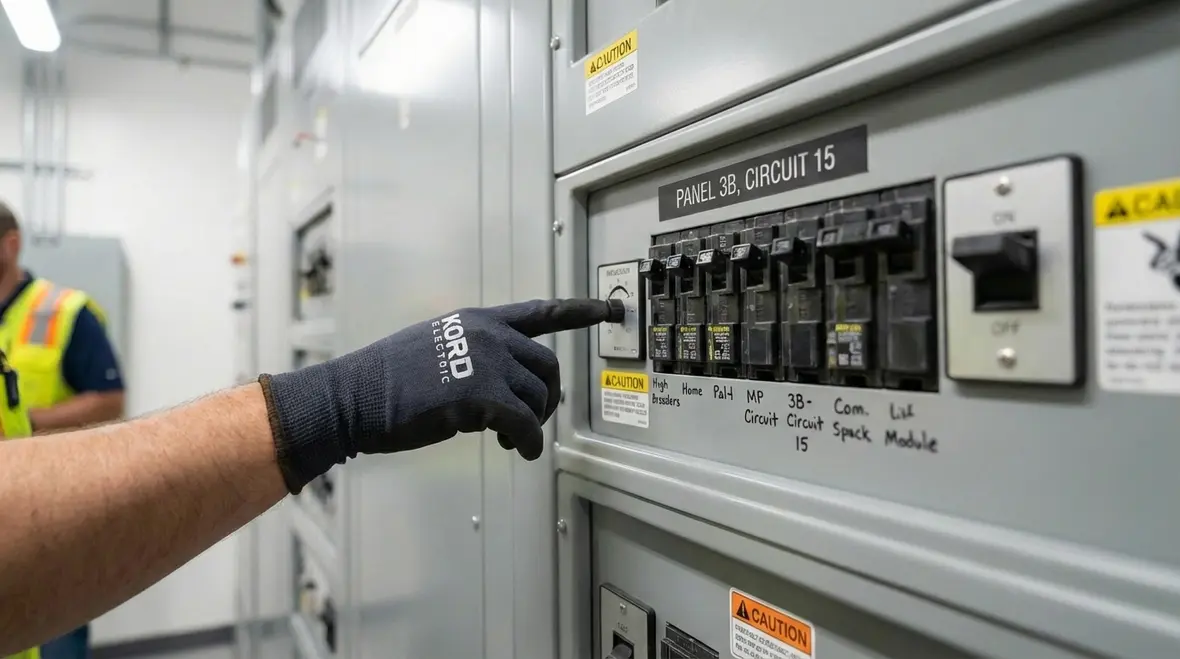
Improper labeling ranks high on the list. Panels marked with vague descriptions such as lights or equipment leave maintenance teams guessing. Consequently, troubleshooting takes longer and risk increases. We recommend accurate circuit directories and update them during service when authorized.
Another frequent issue involves outdated components. Older breakers may lack modern safety features. Therefore, upgrading to current standards improves both reliability and compliance.
Additionally, we often find insufficient clearance around electrical equipment. Storage slowly creeps into mechanical rooms. Although it may seem harmless, blocked access violates code and delays emergency response. Our technicians address these concerns directly and provide corrective guidance.
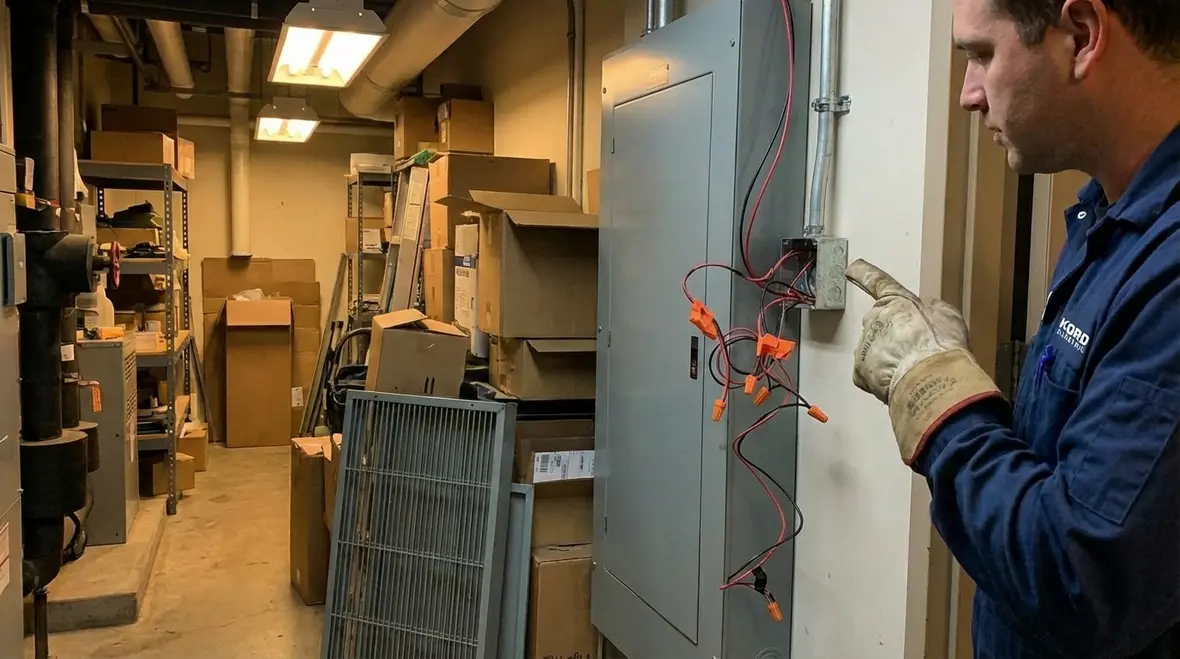
Sometimes we encounter makeshift modifications. Temporary wiring solutions that became permanent. Extension cords powering fixed equipment. Creative, yes. Safe, not always. We help facilities replace improvised fixes with compliant installations designed for long term performance.
Electrical Safety Inspection Checklist for Facility Managers
Facility leaders often ask what they should monitor between formal evaluations. While a full electrical safety inspection requires licensed professionals, proactive oversight supports safety year round.
Below is a simplified guide. It does not replace professional service, yet it helps managers spot red flags early.
Visual Observations
- Check for unusual sounds from panels or transformers
- Look for discoloration or burn marks near connections
- Confirm panels remain accessible and clearly labeled
- Observe whether cords are used as permanent wiring
- Note flickering lights in common areas
Operational Monitoring
- Track breaker trips and recurring shutdowns
- Review maintenance logs for unresolved issues
- Confirm emergency lighting tests occur regularly
- Monitor load changes after new equipment installation
- Verify generator testing schedules are maintained
However, when these signs appear, prompt action matters. Contacting experienced professionals ensures concerns receive proper evaluation rather than guesswork. For ongoing support beyond a single electrical safety inspection, many facilities pair inspections with a structured electrical preventive maintenance program to keep systems reliable year round.
How Often Should a Commercial Facility Schedule an Electrical Safety Inspection?
The answer depends on usage, environment, and regulatory requirements. Generally, commercial and industrial facilities benefit from periodic inspections every one to three years. However, high load environments or facilities with critical operations may require more frequent evaluations.
After major renovations or equipment additions, a new assessment proves wise. Changes in load distribution can alter system balance. Therefore, verifying capacity and protection prevents strain.
Insurance carriers and local authorities may also mandate specific intervals. In these cases, documentation from a qualified provider like Kord Electric supports compliance and peace of mind.
Our technicians do more than check boxes. They explain trends they observe. If a pattern of overheating emerges, we investigate root causes. If recurring breaker trips occur, we analyze load distribution. In other words, we treat inspections as strategic tools, not formalities.
For facilities that need both rapid response and long term planning, pairing scheduled inspections with emergency electrical services ensures you have help when something unexpected happens and a plan to reduce those surprises over time.
The Business Case for Proactive Electrical Risk Assessment
Some leaders view inspections as expenses. Yet, when weighed against the cost of downtime, they quickly become investments.
Unplanned outages disrupt tenants, halt production, and damage equipment. Moreover, emergency repairs often carry premium costs. By contrast, scheduled maintenance allows facilities to plan budgets and minimize disruption.
Insurance considerations also come into play. Demonstrating a history of professional inspection can support claims and reduce disputes. In addition, documented compliance strengthens negotiations during policy renewal.
Employee safety stands above all. A safe environment fosters confidence and productivity. While electricity remains invisible, its effects are not. Proactive evaluation protects teams who rely on stable systems daily.
There is also reputational value. Major property owners and industrial operators depend on reliability. Tenants and partners notice when systems operate smoothly. They also notice when elevators stall and production lines pause. One scenario inspires trust. The other inspires phone calls.
How Kord Electric Delivers Clarity and Confidence
At Kord Electric, our approach blends technical depth with practical communication. Our expert service staff possess hands on experience across commercial campuses, industrial plants, and large multi tenant properties. However, knowledge alone is not enough.
We prioritize explanation. After completing a facility electrical assessment, we sit down with stakeholders. We review findings step by step. Furthermore, we categorize issues by urgency so leaders can prioritize effectively.
We avoid alarmist language. Instead, we provide measured guidance rooted in standards and field experience. If an issue demands immediate correction, we say so clearly. If an upgrade can align with future capital planning, we outline that path as well.
In addition, we maintain detailed records for future reference. Over time, this documentation reveals patterns. Trends inform smarter decisions. As a result, facilities shift from reactive repairs to strategic planning.
And yes, occasionally we lighten the mood. When standing in front of a massive switchboard, even seasoned engineers appreciate a well timed line about how electricity behaves better than most movie villains. It follows the laws of physics. Usually.
If you are exploring broader upgrades to your building’s power infrastructure, this kind of inspection also supports larger projects like modern commercial electrical system upgrades and targeted repairs to voltage stability issues. These initiatives build on the insights uncovered during each electrical safety inspection.
Frequently Asked Questions
Conclusion
Electrical systems power every commercial and industrial facility, yet they demand respect and routine oversight. At Kord Electric, we deliver thorough evaluations, clear guidance, and steady expertise through every electrical safety inspection. If your property deserves reliability without surprises, we stand ready to help. Contact our team today and let us bring clarity, compliance, and confidence back to your power systems.
Whether you are planning your first facility wide inspection or refining an existing program, our team can align your electrical safety inspection schedule with broader initiatives like electrical preventive maintenance and emergency electrical services so your building stays ready for both everyday operations and the unexpected.
To take the next step, schedule a consultation and we will walk your team through the process, typical timelines, and how an inspection integrates with your existing maintenance strategy.