

Mastering EV Charger Maintenance for Commercial Success
You see them everywhere now—sleek electric vehicles humming silently across parking lots, waiting for their moment at the charger. For commercial and industrial property owners, those chargers aren’t just a perk. They’re an expectation. But here’s the kicker: if your EV infrastructure falters, it’s like inviting guests over for a five-star meal and serving instant noodles. Enter: EV charger maintenance tips that serve business operations and customer satisfaction in equal measure.
We sat down with technicians from Kord Electric—those local legends who speak in wires and wake up thinking about current—and got their take on keeping EV chargers humming smoothly. They shared some smart and frankly electrifying techniques for maintaining performance, maximizing ROI, and avoiding charger temper tantrums (because yes, these machines can get moody).
Let’s plug in, shall we?
Why Commercial EV Chargers Can’t Be Set-and-Forget
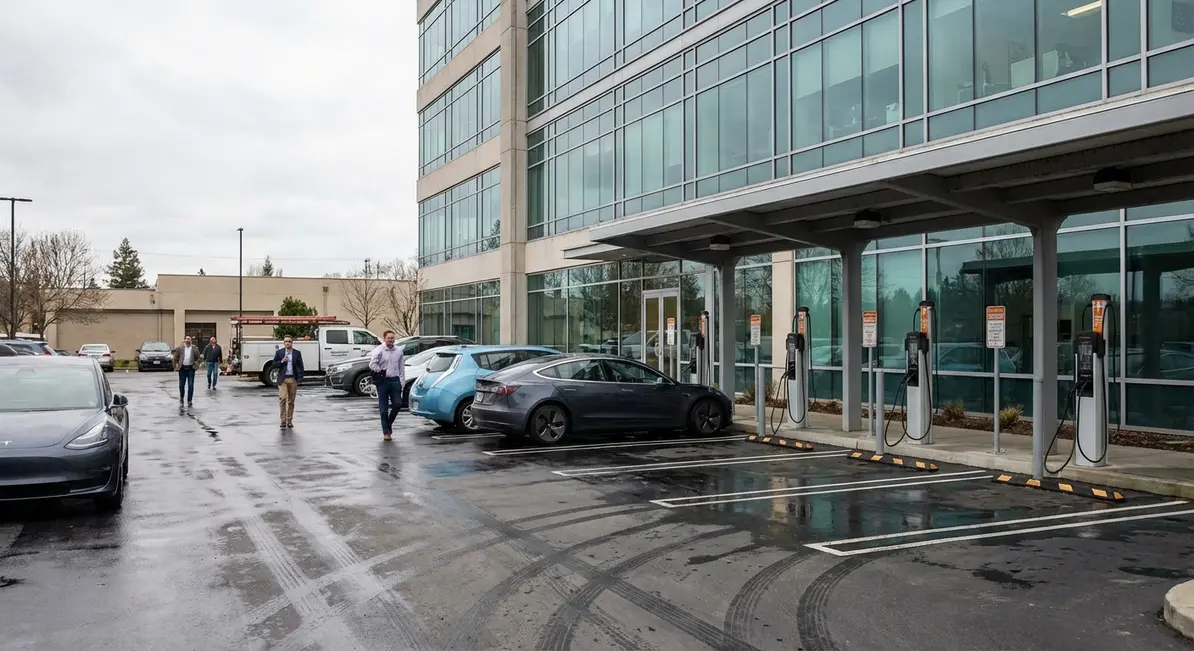
Sure, most commercial buildings handle lighting audits and HVAC checkups without blinking. But many still treat EV chargers like they’re mystical wall art that just happens to glow blue. Spoiler alert: they’re not. They’re high-powered devices with real wear, environmental exposure, and software dependencies. Neglect them, and even Batman’s tech wouldn’t save your reputation.
You wouldn’t install an elevator and never inspect it. Why treat EV chargers any differently? In commercial zones—hotels, shopping plazas, campuses, warehouses—chargers get serious use. That means proactive upkeep saves you from emergency service calls and glares from frustrated Tesla drivers.
The Warning Signs Your Charger Is Crying for Help
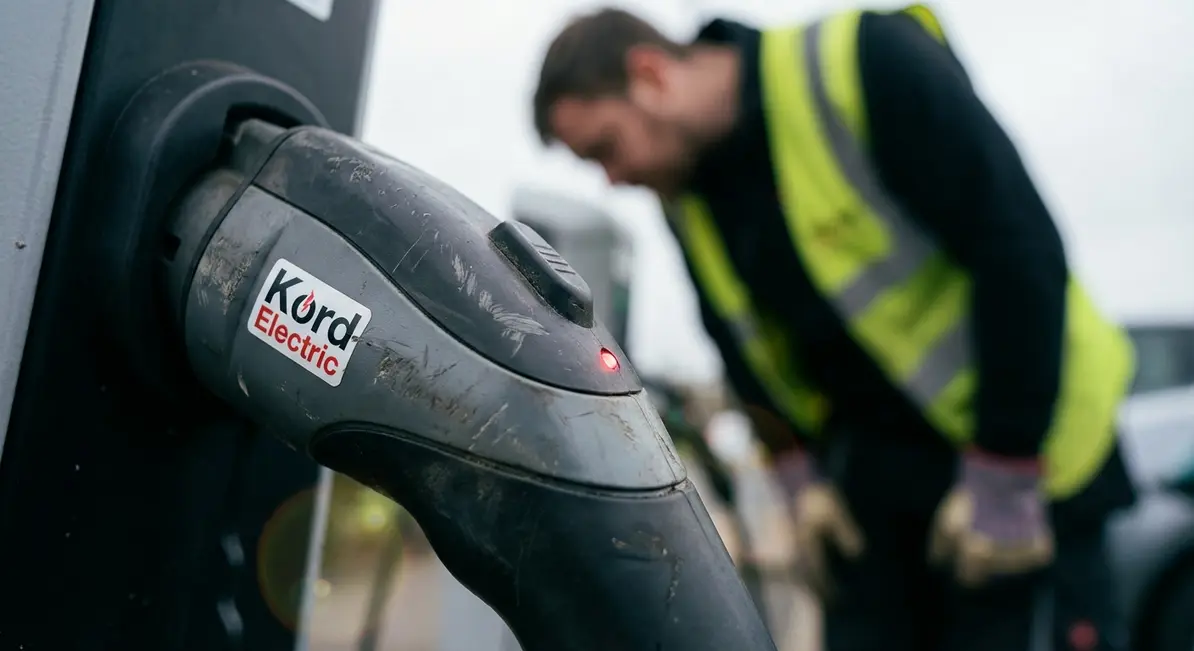
Modern EV chargers may not speak, but they still have a language. If you know how to listen, you can spot problems early. According to our pals over at Kord Electric, here’s what to watch out for:
- Slow or intermittent charging: Like when your phone charges only if you twist the cable just right.
- Unresponsive interface: If the touchscreen acts like a confused Roomba, it needs attention.
- Error codes: That blinking red light isn’t a cool feature. It’s a call for help.
- Discolored casing or connectors: Overheating is more than inconvenient; it’s a fire risk.
Ignoring these signs won’t make them go away. Chargers don’t believe in miracles—they believe in maintenance.
How to Set Up a Proactive EV Charger Maintenance Plan
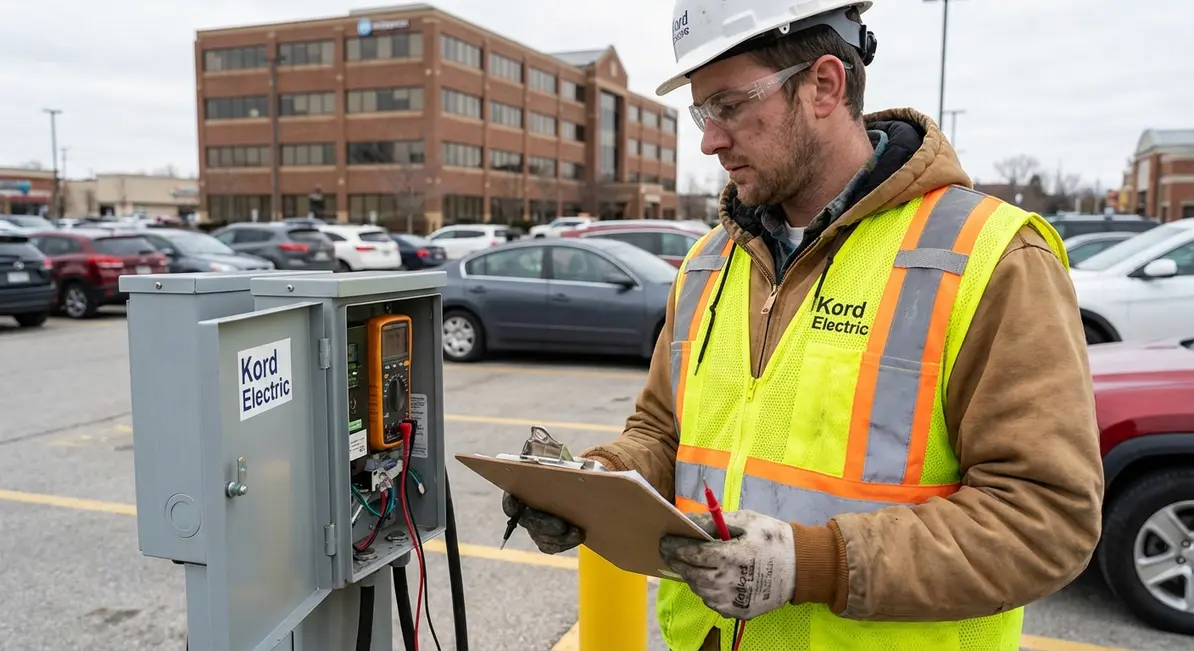
Now we’re cooking with electrons. Kord Electric technicians suggest three pillars for a commercial-grade EV charger maintenance strategy. Think of it like brushing your teeth—neglect it longer than you should, and it gets expensive fast.
- Monthly Visual Inspections: Check for cracked cables, loose fittings, graffiti (yes, really), and any weather-related wear. Your maintenance staff can do these with a checklist provided by Kord Electric.
- Quarterly Preventative Servicing: Certified technicians will test the software, circuit integrity, and energy throughput. Consider it your charger’s quarterly check-up with their own version of a stethoscope.
- Annual Load Testing and Component Checks: Over time, power modules and cooling fans wear down. Real testing (not just eyeball inspections) ensures chargers perform under load without overheating or face-planting under pressure.
Added bonus: regular inspections keep those warranties nice and valid. Because the only thing worse than fried hardware is paying out-of-pocket to replace it.
“What’s That Gunk?”: Cleanliness is Next to Efficiency

Dust, bugs, oil, pollen attacks from the planet—industrial facilities have seen it all. Over time, EV charger ports become prime real estate for all things gross. Picture a charging port that resembles a toddler’s Lego box and you’ll get the idea.
Industry-certified techs like those from Kord Electric recommend using non-abrasive, charger-safe cleaning agents and lint-free cloths. Never use high-pressure water, harsh chemicals, or… let’s be honest, spit and a napkin.
Pro Tip: Clean the screens and interface consoles monthly. A readable display means fewer user errors—and fewer phone calls that start with, “Your charger just stole 20 bucks.”
Dual Column: Visual vs. Technical Checks
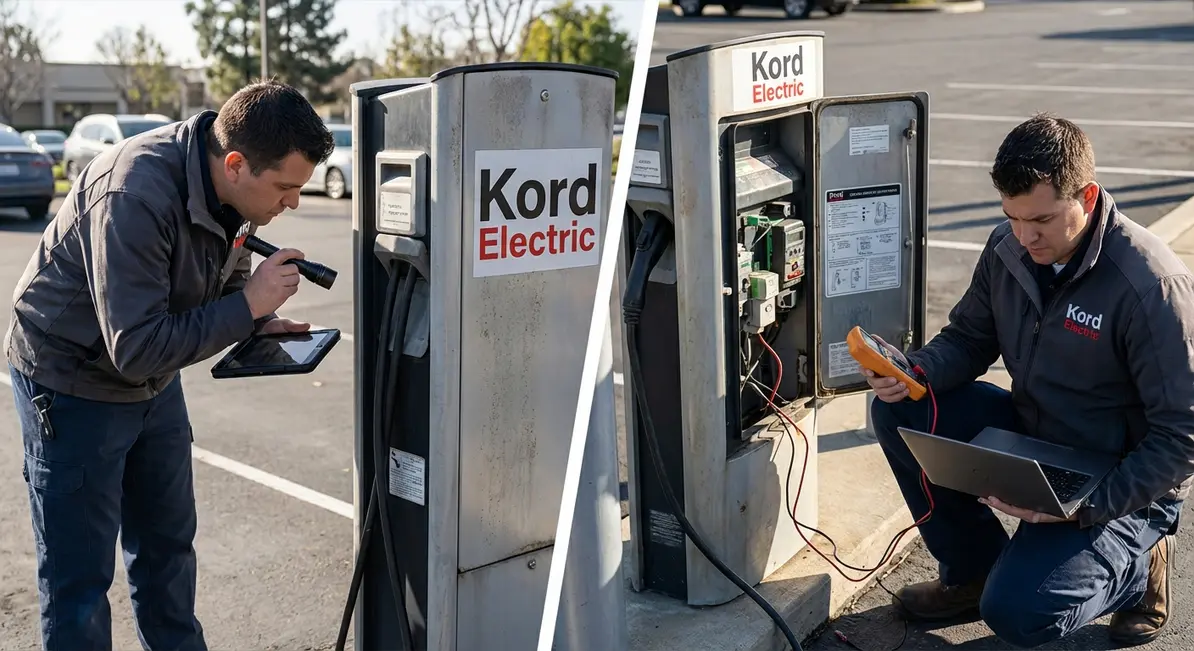
Quick Visual Checks
- Cracks or dents on housing
- Loose cables or wires
- LED activity and error codes
- Foreign objects in ports
Technical Checks by Pros
- Firmware and software updates
- Connector resistance testing
- Surge protection verification
- Network security audit
Kord Electric recommends integrating both these categories into your facility’s maintenance logs. Think of it as blending peanut butter and jelly—you just don’t do one without the other.
How Software Updates Save Your Sanity
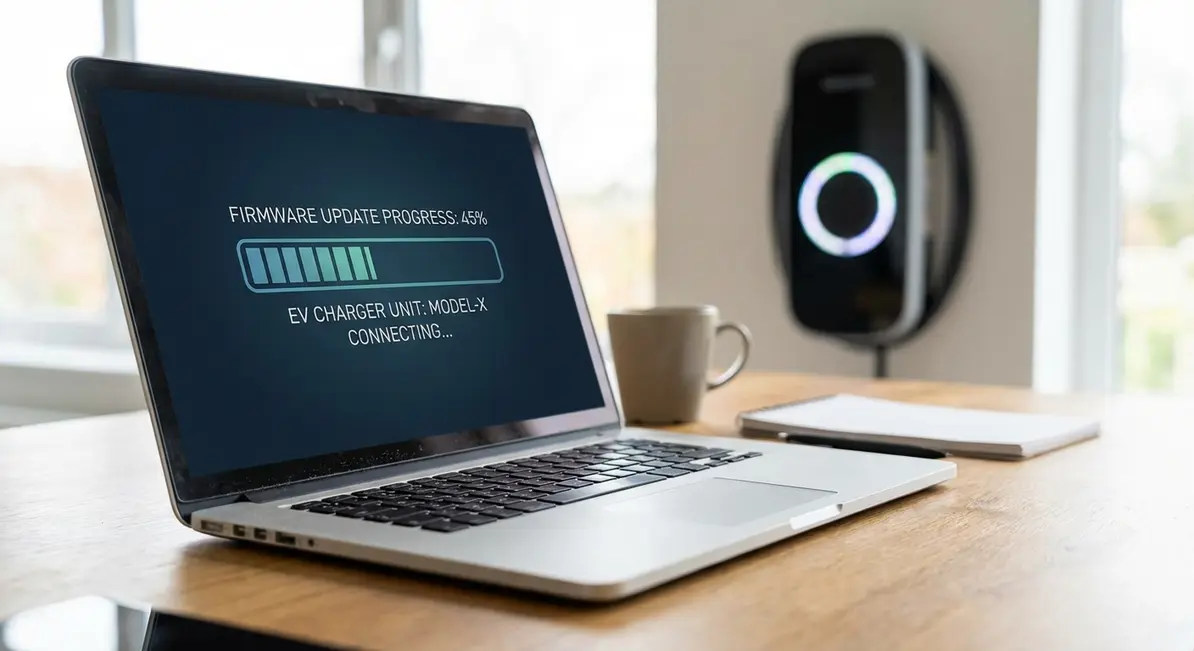
You wouldn’t run your business using Windows 95 (unless you secretly enjoy chaos). Similarly, outdated charger software is a problem waiting to happen. Regular firmware updates fix bugs, improve charging speeds, enhance safety, and add new features.
Commercial and industrial EV chargers often rely on reliable networks for communication, billing, and monitoring. Ensuring software compatibility with building systems helps avoid nasty surprises—like being billed for thousands of phantom charging sessions.
Kord Electric also advises checking that your chargers sync with broader Building Management Systems (BMS). Because two systems that talk to each other tend to argue less—just like a happy marriage.
Storms, Heat, and Freezing Temps: EV Chargers vs. Mother Nature
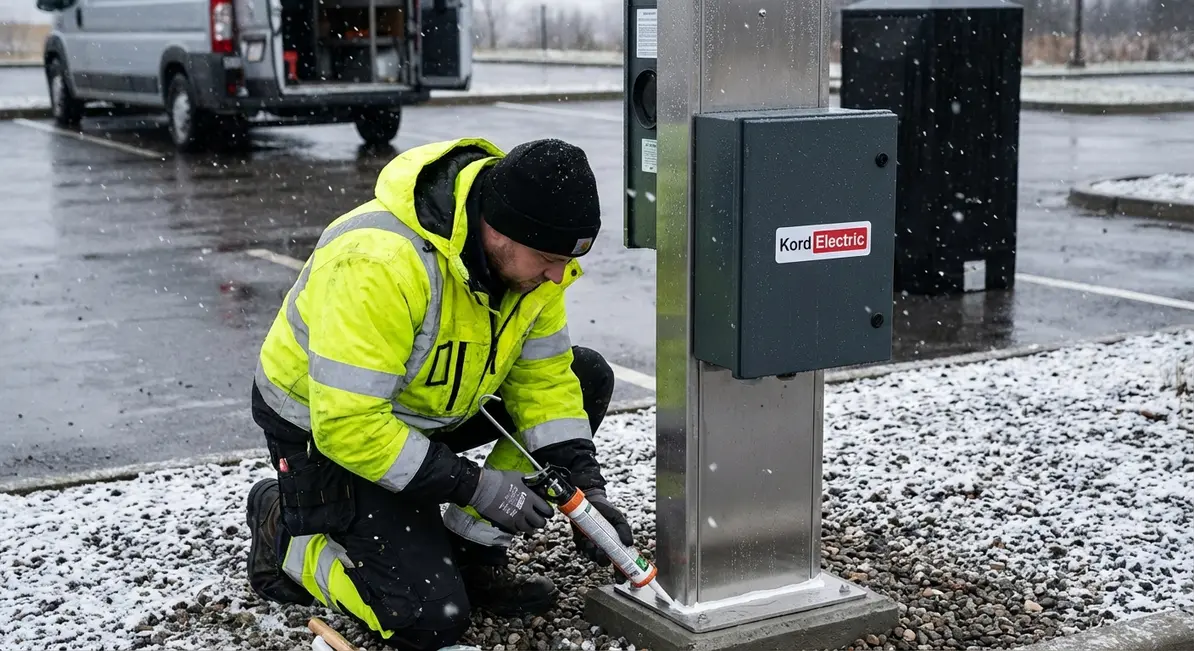
Let’s take a moment to acknowledge that outdoor EV chargers live harder lives than most reality TV contestants. They endure everything from blizzards to summer scorchers. Environmental exposure is no joke.
The solution? Site-specific insulation and waterproofing components. Kord Electric crews go the extra mile, always recommending NEMA-rated enclosures and industrial-grade protection hardware for chargers in vulnerable areas.
Remember: Water damage doesn’t just short-circuit your EV equipment—it short-circuits trust with your tenants or customers.
Training On-Site Staff Pays Dividends (And Sanity)
Sure, you’ve got professional techs on speed dial. But that doesn’t mean your on-site staff should be in the dark. A little training goes a long way. Kord Electric offers walkthroughs that empower your staff to handle basics without reaching DEFCON 9 when something blinks unexpectedly.
Teach your team to:
- Identify basic error codes and log them
- Reboot systems properly using approved processes
- Protect charger ports from snow or debris buildup
- Schedule service calls before failure, not after
Think of it like CPR but for chargers. You may not save the whole system, but you’ll buy critical time to get the pros in.
Ev Charger Maintenance Tips to Improve Lifespan & ROI
Every commercial property owner asks one question when investing in new infrastructure: “How long will this thing last?” With EV chargers, the answer has everything to do with maintenance. A charger actively tended to by trained personnel can easily last 8-10 years—sometimes more.
Integrated data tracking systems show when usage spikes, and scheduled maintenance makes sure those surges don’t cause permanent wear. Want ROI? Avoid downtime. Want to reduce replacement costs? Follow your local Kord Electric team’s comprehensive maintenance roadmap.
Bottom line: Stuff lasts longer when you take care of it—your EV charger included.
FAQ: Short Answers for Fast Decisions
How often should I maintain commercial EV chargers?
Every 3 months for technical servicing and monthly for visual checks.
Can EV chargers overheat?
Yes. Overheating can result from component wear or poor airflow.
Are software updates really necessary?
Yes, they fix bugs, increase speed, and improve payment/security systems.
What’s the typical lifespan of a commercial EV charger?
About 8 to 10 years with proper maintenance.
Can my building staff troubleshoot basic issues?
Absolutely, with some light training from Kord Electric technicians.
Should EV chargers be unplugged during storms?
Modern chargers have surge protection, but inspections post-storm are vital.
Do dirty connectors affect charging?
Yes. They can reduce efficiency or stop the system entirely.
Do warranties require maintenance logs?
Often, yes. Without logs, claims can be denied.
Wrapping it Up (Before the Battery Dies)
There’s an old saying in the electrical world: “Neglect the wires, invite the fires.” Okay, maybe that’s not ancient wisdom, but it gets the point across. Your EV chargers are a premium asset—treat them like one. With the right maintenance plan and some expert insight from Kord Electric, you’ll keep your commercial building competitive, eco-forward, and frustration-free.
Don’t leave your EV infrastructure to chance. Contact the expert team at Kord Electric to schedule a proactive maintenance consultation and keep your systems running stronger—and longer.

每天都在战争,希望2026和平.