Commercial Electrical Panel Overheating Warning Signs
Top Signs Your Electrical Panel is Overheating in a Commercial Building
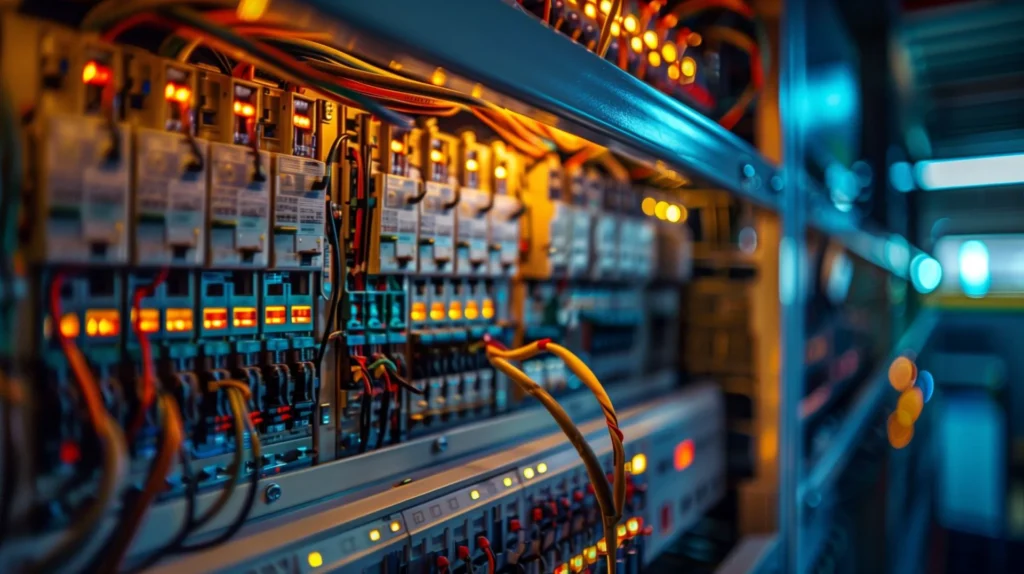
In the world of high-rise commercial offices, industrial plants, and sprawling property complexes, the phrase “Electrical Panel is Overheating” may not sound quite as dramatic as an action-packed thriller, but it’s one of those silent alarms that could turn into a major production—complete with flickering lights, equipment meltdowns, and a sudden cameo appearance by the local fire marshal.
When commercial or industrial buildings start showing signs of an overheating electrical panel, it’s not just a technical hiccup—it’s a red flag with sirens, smoke, and downtime waiting behind the curtain. Fortunately, the experienced technicians at Kord Electric know a thing or two about reading the electrical room like it’s a novel they’ve already highlighted and dog-eared.
Let’s dive in—slow and steady, easing you into a story about heat, wires, and the misunderstood world of commercial electrical infrastructure.
Strange Odors in the Electrical Room? Don’t Ignore That “Hot Plastic” Aroma
Buzzing, Humming, or Clicking Sounds Are Your Panel’s Cry for Help
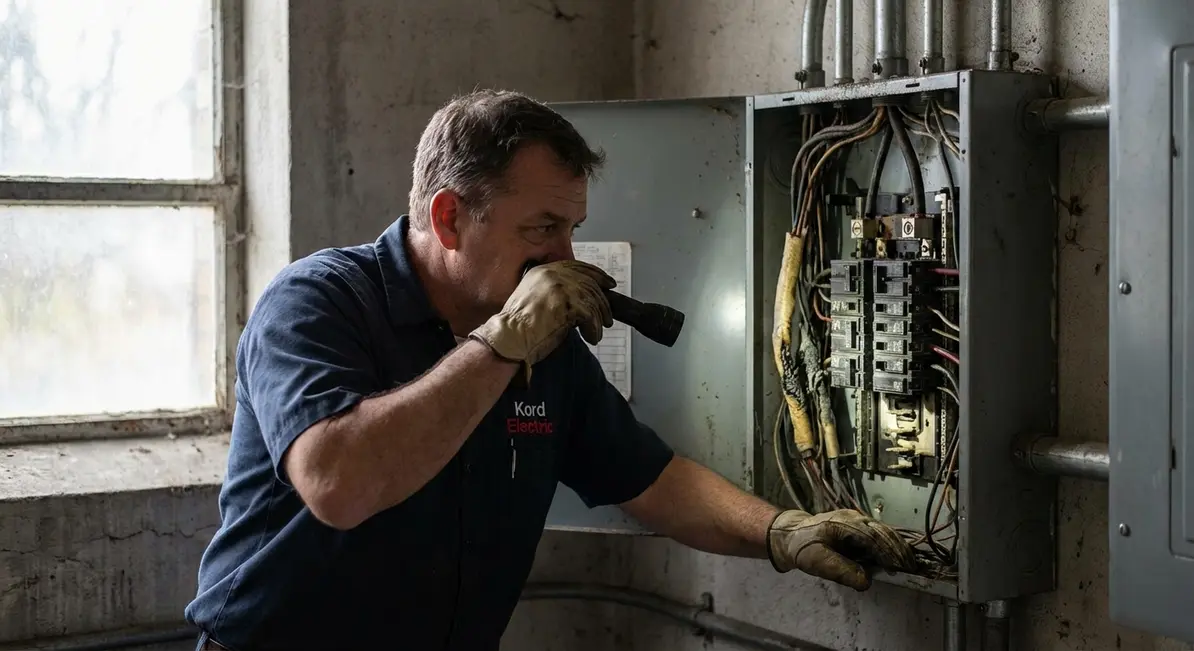
Strange Odors in the Electrical Room? Don’t Ignore That “Hot Plastic” Aroma
Picture walking into the electrical room and catching the whiff of something… burnt. Not your co-worker’s microwaved popcorn this time, but an unmistakable scent: hot plastic. It’s like your panel’s trying to audition for a barbecue it wasn’t invited to.
This particular smell comes from melting insulation, singed wires, or overloaded circuits—all of which suggest parts of your panel are heating up like backstage before a Beyoncé show. Trust the seasoned electricians at Kord Electric when they say that this isn’t just a passing discomfort. It’s an early warning sign that your equipment is under pressure, and not the kind David Bowie sings about.
Buzzing, Humming, or Clicking Sounds Are Your Panel’s Cry for Help
Electrical panels aren’t supposed to sound like R2-D2 having a meltdown. Any buzzing or humming—especially the kind that stays consistent or gets louder—should raise more than just eyebrows.
This audible commotion often means contacts inside circuit breakers aren’t connecting properly, have worn out, or are just plain overheating. The consistent sound of unresolved electrical conflict is no joke. Best to call Kord Electric before that “hum” morphs into “bang.”
And no, playing white noise to drown it out isn’t a solution. Commercial electrical panels aren’t mood playlists—they’re power hubs that should be seen, not heard.

Why Do the Lights Keep Flickering? Stop Blaming Ghosts
Flickering or dimming lights in a large building can make your employees feel like they’re in a 1980s horror movie. But no need to call Ghostbusters. The usual culprit is an overloaded or overheating electrical system, not a poltergeist.
When a commercial panel struggles to distribute consistent voltage, you get those cinematic blinks. Sometimes they’re subtle, like a ceiling light doing the cha-cha whenever equipment kicks on in the factory below. Other times, full sections of a floor dim like a romantic dinner. Either way, it’s a sign your system’s being overworked—and possibly overheating.
Let a Kord Electric technician give your system a proper inspection. They’re like building therapists—except with tools, licenses, and zero judgment.

Electrical Panel is Overheating: What Causes It in Major Commercial Settings?
There’s no single villain responsible for overheating panels, but here are a few of the headliners that Kord Electric encounters most often on their rounds through commercial and industrial venues:
- Overloaded Circuits: Adding new machinery or tech without upgrading your panel? That’s like putting a V8 engine in a go-kart. Yes, it might run—for a while.
- Corrosion and Moisture: Moisture inside the panel box can accelerate corrosion, which weakens connections and increases resistance… A deadly dance that leads to, you guessed it, overheating.
- Poor Installation or Aging Components: Panels get old. Wires loosen. Some buildings still rely on electrical panels established during the Nixon administration. These legacy setups aren’t built for modern business loads.
- Lack of Maintenance: Sure, it’s easy to ignore your panel until someone’s conference call dies mid-pitch. But these systems live under daily stress and need periodic checkups.
Addressing these root causes requires more than a quick YouTube tutorial. Fortunately, with Kord Electric on speed dial, you’ve got pros who assess every circuit with experience and laser focus—not just guesswork and crossed fingers.

How to Know When the Heat Gets Serious
Some panels glow metaphorically from working hard; others glow literally—and that’s a problem. Commercial buildings should be on alert for visual and performance indicators, and no, “visual” doesn’t mean just glancing as you pass by with coffee.
Here are serious signs that the heat might be crossing the safety line:
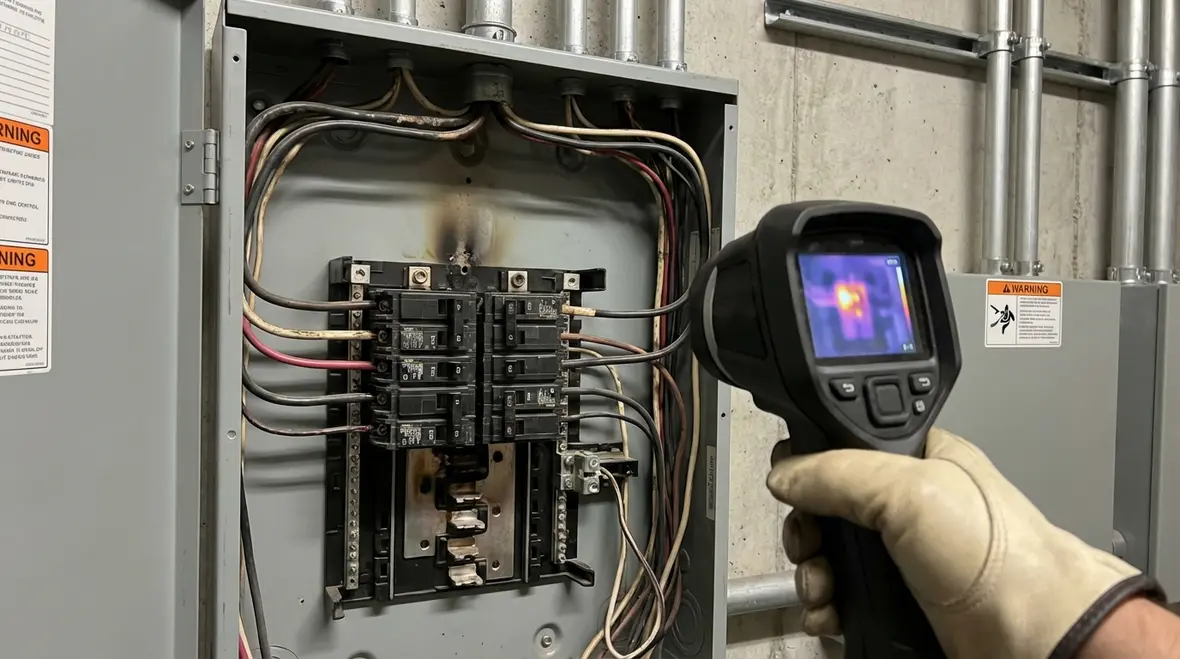
- Discoloration or charring on and around breakers
- Scorch marks on the panel door or wiring terminals
- Breakers that trip constantly even with regular loads
- Parts of the panel are hot to the touch
When a panel gets physically warm, it’s not “just working overtime.” It’s trying not to catch fire. Kord Electric crews have walked into setups where panels felt like space heaters. Not a great feature during a safety inspection.

What Happens If You Ignore the Problem?
Here’s where it stops being funny. An overheating electrical panel is more than just a maintenance delay—it’s a liability grenade with the pin halfway pulled.
Let’s break it down:
| Short-term Risks | Long-term Risks |
|---|---|
|
|
Proper corrective action isn’t just cost-saving—it’s reputation-saving. Especially in industrial environments, one electrical fire can set operations back days or weeks. And let’s face it: no one wants to be the facility manager whose building made the news for all the wrong reasons.

Why Upgrading Commercial Panels Isn’t Just for Tech Startups
Upgrading or maintaining your panel isn’t about being trendy—it’s about safety, scalability, and surviving the technological demands of 2026.
Here’s a little truth bomb from Kord’s technician Ben: “Electricity’s not magic, but it sure acts like it when it’s ignored.” Upgrades might include replacing obsolete panels, adding subpanels, improving ventilation, or switching outdated wiring with proper industrial-grade materials.
And if you were thinking that hiring a handyman off Craigslist to “tighten a few wires” would do the trick—think again. Commercial-grade electrical systems are a completely different beast. That’s why Kord Electric hires only experienced, licensed, and field-tested technicians with the know-how to handle 480-volt monsters without flinching.
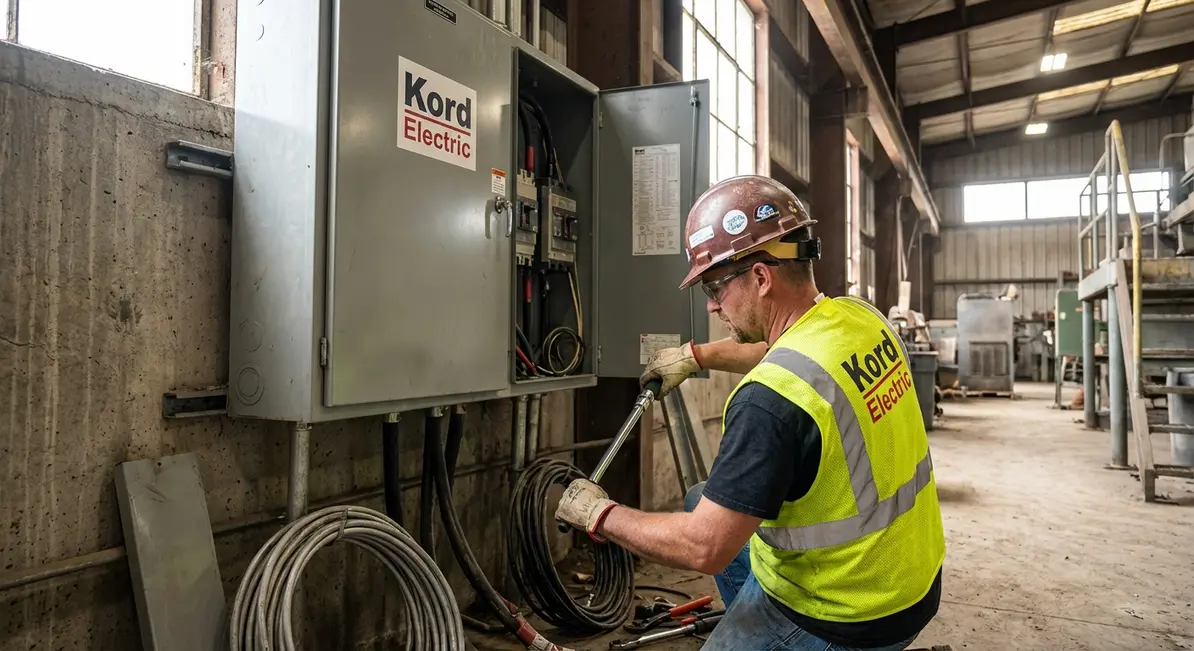
Preventive Maintenance: The Real MVP Your Electrical Panel Needs
We get it—maintenance feels boring. It lacks the fire and drama of a real emergency, until you realize that’s the point. Preventive maintenance keeps the excitement out of your electrical room and in your revenue stream.
Performing annual infrared inspections, torque checks, and load analyses might not sound like thrilling Netflix material, but it’s the stuff that keeps your building from literal meltdowns.
At Kord Electric, every service visit includes clear communication, professional recommendations, and that dad-joke-level charm that makes their team a pleasant part of your building’s extended family.
When in Doubt, Call the Pros
Knowing the signs of trouble is good. Acting on them is better. But trusting the highly trained team at Kord Electric? That’s next-level preparedness.
Whether you’re managing a multi-story commercial complex downtown or operating an industrial property with heavy-load machinery, don’t leave your power supply to chance or guesswork. Kord’s field technicians bring deep expertise, fast diagnostics, and a no-drama approach that keeps your operation running—and your headaches to a minimum.
Need detailed panel evaluations? Load balancing assessments? Code-compliance upgrades? Kord delivers solutions without the fluff. Professional. Efficient. Even kinda charming.
FAQs
What does it mean when an Electrical Panel is Overheating?
It means the panel cannot safely handle the current electrical load, often due to overuse, faulty parts, or poor ventilation.
Can a hot electrical panel cause a fire?
Yes, consistent overheating can ignite insulation or plastic components, possibly starting a fire.
How often should commercial panels be inspected?
Annually at minimum. High-demand facilities may need semi-annual checks.
Why are my lights flickering in the office?
Likely due to load fluctuations from an overworked or faulty panel. Don’t ignore it.
Is it expensive to replace a panel?
Costs vary, but it’s cheaper than recovering from a system failure or fire. Kord Electric offers fair commercial rates and comprehensive solutions.
Can I fix panel issues myself?
Absolutely not. Leave it to licensed commercial electricians—this isn’t a DIY moment.
What’s included in a Kord Electric panel inspection?
Checking for hot spots, evaluating loads, tightening connections, scanning signs of wear, and detailed reporting.
Don’t Wait for the Smoke Signal
If managing your commercial facility feels like juggling chainsaws blindfolded, add “overheating electrical panel” to the danger list—unless you call in the professionals. Don’t wait for flickers, buzzing, or the metallic smell of doom. Let Kord Electric’s top-tier commercial electricians step in, diagnose the situation, and keep your business safely energized. Contact Kord Electric today, and turn one of your building’s biggest risks into the least of your worries.