Mastering Electrical Panel Maintenance: The Secret to Preventing Industrial Electrical Fires
If you’ve ever thought, “Electrical fires won’t happen to us—we’ve got circuit breakers,” then buckle up, because we’ve got some sparky truths to share. Preventing electrical fires isn’t about just hoping your industrial facility survives another year in peace. It’s about action, discipline, and… panel maintenance.
At Kord Electric, our technicians have seen it all—melting wires, overloaded panels, neglected inspections, and more burnt toast than a college dorm. But seriously, in high-capacity environments like manufacturing plants, commercial properties, or multi-story office buildings, electrical fires can go from flicker to inferno faster than a TikTok trend.
Let’s pull back the curtain and take a good, hard look at how routine panel maintenance isn’t just a best practice—it’s the MVP for fire prevention in your electrical systems.
How Electrical Fires Actually Start in Industrial Facilities
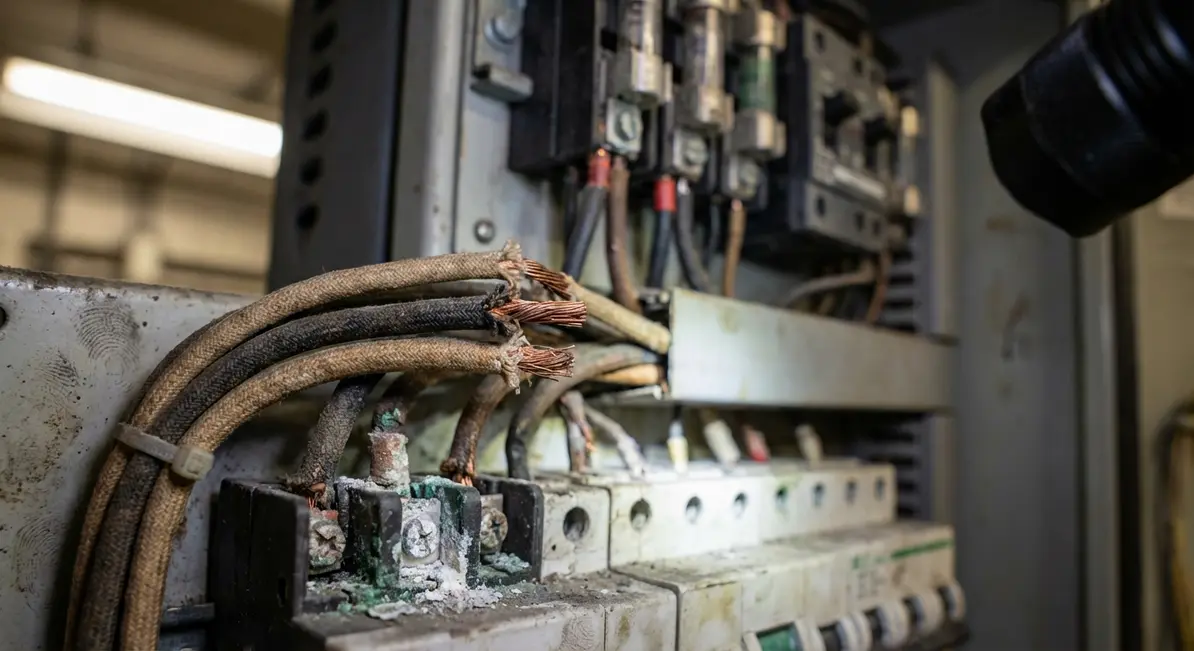
Despite what some folks think, most electrical fires aren’t started by acts of divine lightning or ghosts meddling in your machinery. Nope. The real culprits are usually:
- Poor panel maintenance
- Overloaded circuits
- Frayed or deteriorating wiring
- Loose connections (and not just the LinkedIn kind)
- Lack of preventive maintenance checks
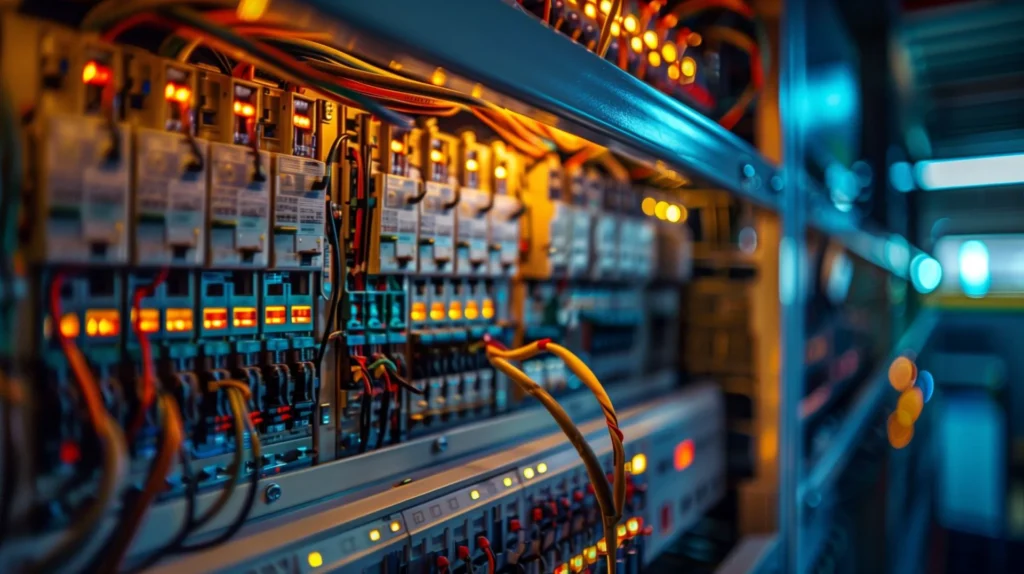
Unlike residential electrical systems, industrial panels are under heavy stress 24/7. That means if something slips, it’s like letting a toddler run around with scissors—bad things are going to happen. From motors pulling more amps than they should to circuits being held together by zip ties and prayers, unattended panels lead to predictable disasters.
As the techs at Kord Electric like to say, “Your panel won’t shout when it’s sick—but it will scream when it’s on fire.”
Signs Your Electrical Panels Are Whispering for Help

Industrial panels are built tough, sure—but they’re not invincible. Here’s how they try to politely get your attention before everything melts down:
- Buzzing or cracking sounds—That’s not ambiance; that’s arcing.
- Burn marks or discoloration on breakers or wires—Your panel’s version of a cry for help.
- Frequent breaker trips—This isn’t Final Destination; it’s preventable.
- Warm or hot spots around the panel—Panels should never feel like fresh pancakes.
- Musty or burning smell—Once you sniff it, you’ll never forget it.
Ultimately, these red flags are all telling the same story: your system isn’t okay. And ignoring them is like ignoring smoke in your kitchen and wondering where the fire went.
What Skilled Technicians Look for During Routine Maintenance
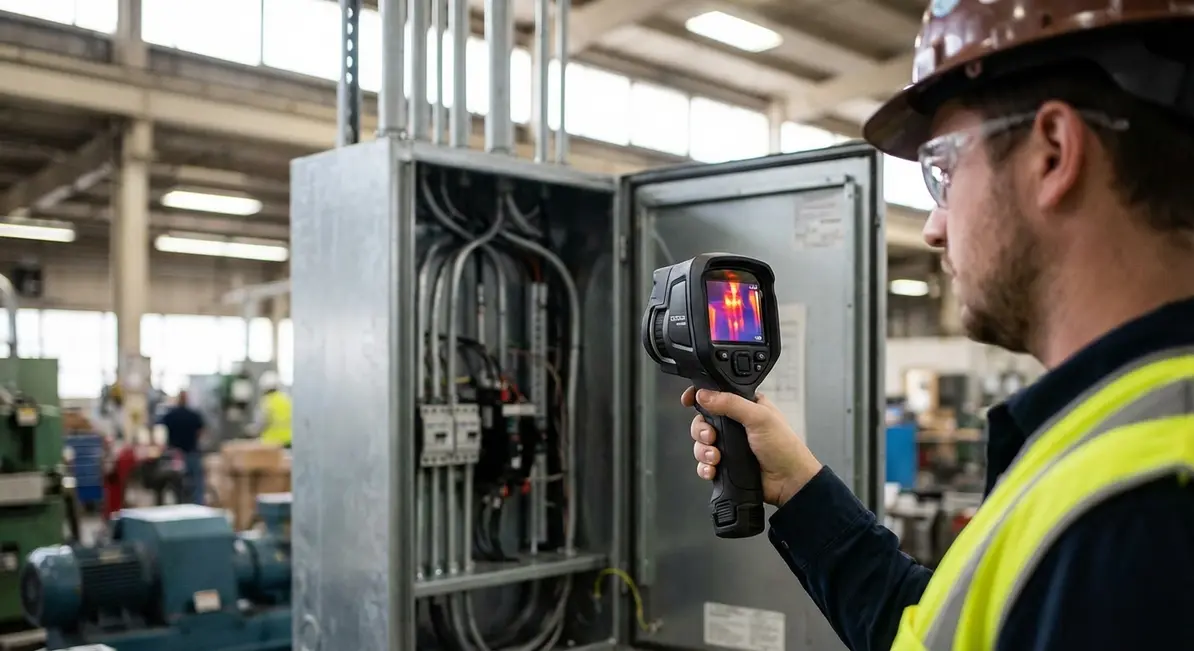
Once Kord Electric’s technicians roll in (often looking more heroic than your average superhero movie cast), they start combing through your electrical panels with Sherlock Holmes-level detail. Here’s what separates routine maintenance from “we’ll just jiggle the wires and hope.”
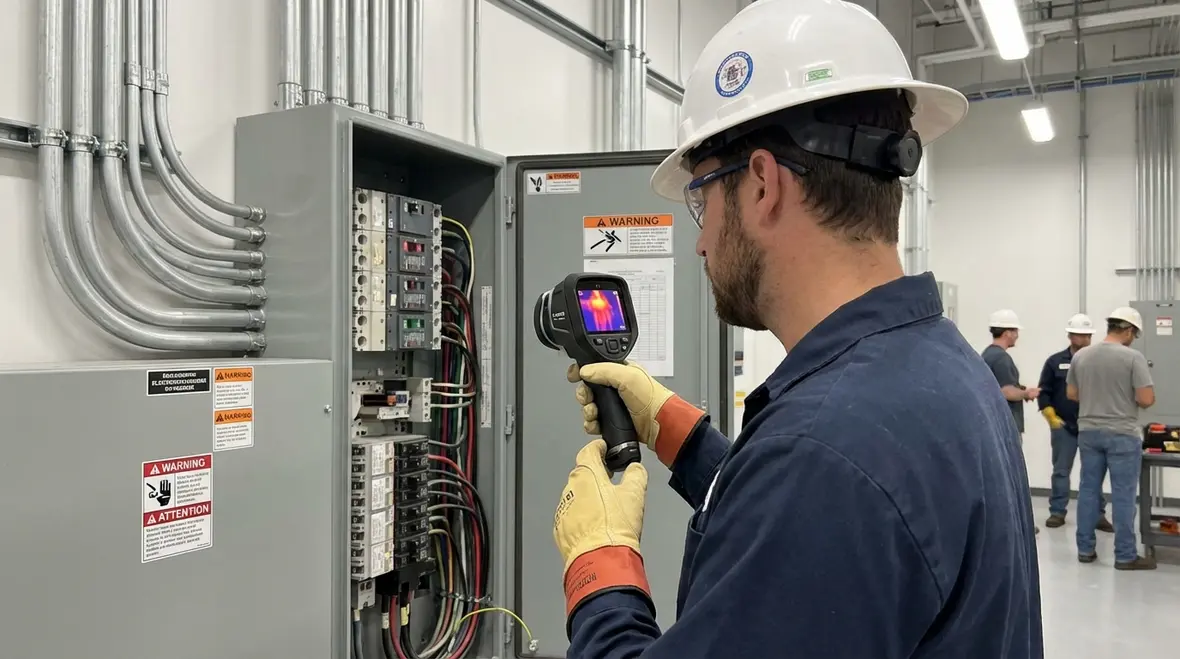
- Thermal Imaging Scans – Finding invisible heat buildups before they become explosions.
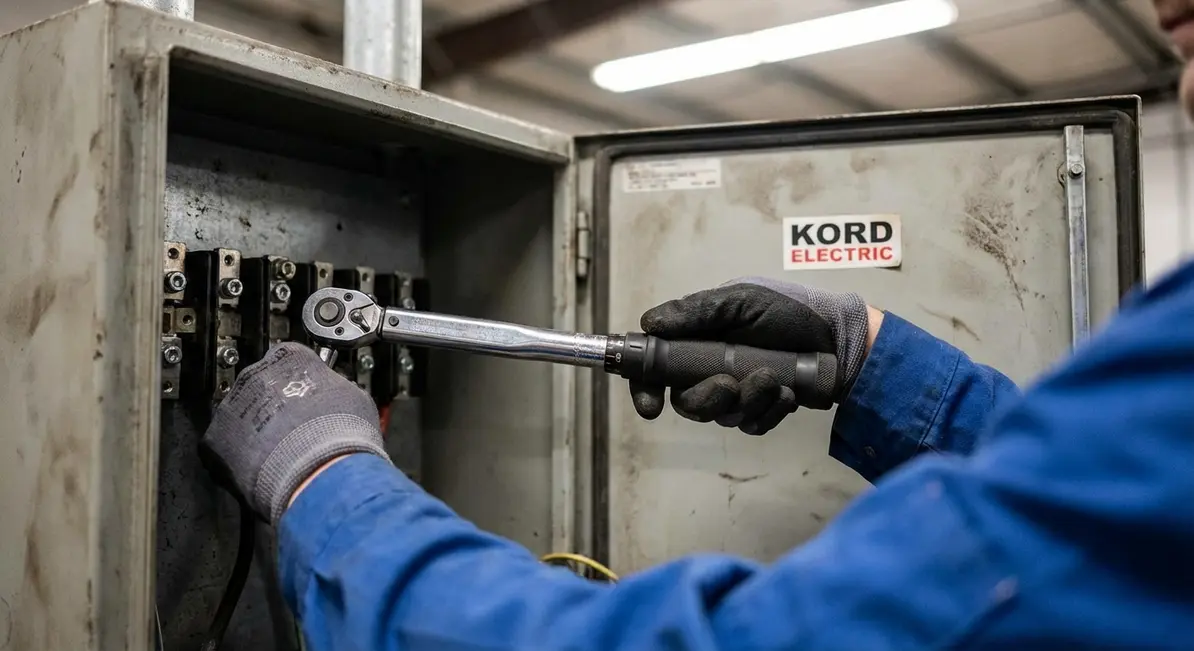
- Torque Checks – Loose connections cause sparks. Sparks cause fires. Fires cause crying insurance agents.
- Load Balancing Reviews – Ensuring equipment isn’t pulling more current than circuits can handle.
- Component Integrity Inspections – That breaker might still flip… but is it reliable?
- Breaker Testing – They’re not immortal. Breakers degrade, and some just want early retirement.
Every facility is different, but all benefit from the same rule: “Inspect with intention.” Our licensed electricians at Kord Electric don’t just look for issues—they look to stop fires before they have the chance to light up your Monday morning news coverage.
Why Ignoring Panel Maintenance Is Like Letting the Joker Oversee Security
Would you let someone untrained handle your high-voltage equipment? Of course not… unless you’re planning a cameo on a “disaster compilation” video. Let’s get one thing straight:
Lack of maintenance is not just negligence; it’s a risk multiplier.
By skipping inspections or going with “we’ll get around to it eventually,” you invite consequences like:
- Unscheduled Downtime – The kind where everything stops. And “everything” is usually expensive.
- Equipment Failure – Motors, compressors, and gearboxes weren’t built to swallow electrical spikes like candy.
- Fire Damage – It’s hard to explain to your board that you lost a production line to something you could’ve tightened with a screwdriver.
- Insurance Claims Denied – Insurance companies know the signs of neglect too.
Basically, not checking your panels is like driving cross-country without looking at your gas gauge. Works fine—until it doesn’t.
Industrial Maintenance Scheduling That Actually Works

Planning panel checkups should not feel like scheduling a trip to the DMV. Simple, repeatable strategies make life easier:
- Monthly Visual Checks by in-house personnel for immediate red flags.
- Quarterly Thermographic Surveys to detect heat before it turns to flame.
- Bi-annual Cleaning and Tightening by licensed contractors (like the team at Kord Electric).
- Annual Load Reviews—especially after bringing in new motors or machinery.
Kord Electric works with property managers and facility heads to build custom schedules that fit your site’s unique demands. They even make sure you never miss a critical deadline, thanks to automated reminders and detailed logs. Think of it as the Outlook Calendar for your building’s life expectancy.
Power Panel Upgrades Aren’t Luxuries—They’re Lifesavers

Still clinging to a 1980s panel? Yes, the same one installed when fax machines ruled the earth? Electrical demand isn’t what it used to be, and clinging to outdated systems means running your entire operation on a ticking time bomb—just quieter.
Consider upgrading if:
- You’ve expanded machinery or production lines in the last 5 years
- Your building has frequent brownouts or flickering lights
- You’re managing multiple outdated subpanels
- Your power bills are as bloated as franchise movie budgets
An upgrade removes stress from your circuits, increases safety, and gives newer technologies like PLCs and smart sensors the stable environment they demand.
Kord Electric specializes in seamless upgrades for industrial and commercial facilities—meaning less downtime, better system health, and fewer technician facepalms.
When Maintenance Becomes Emergency: What Not to Do
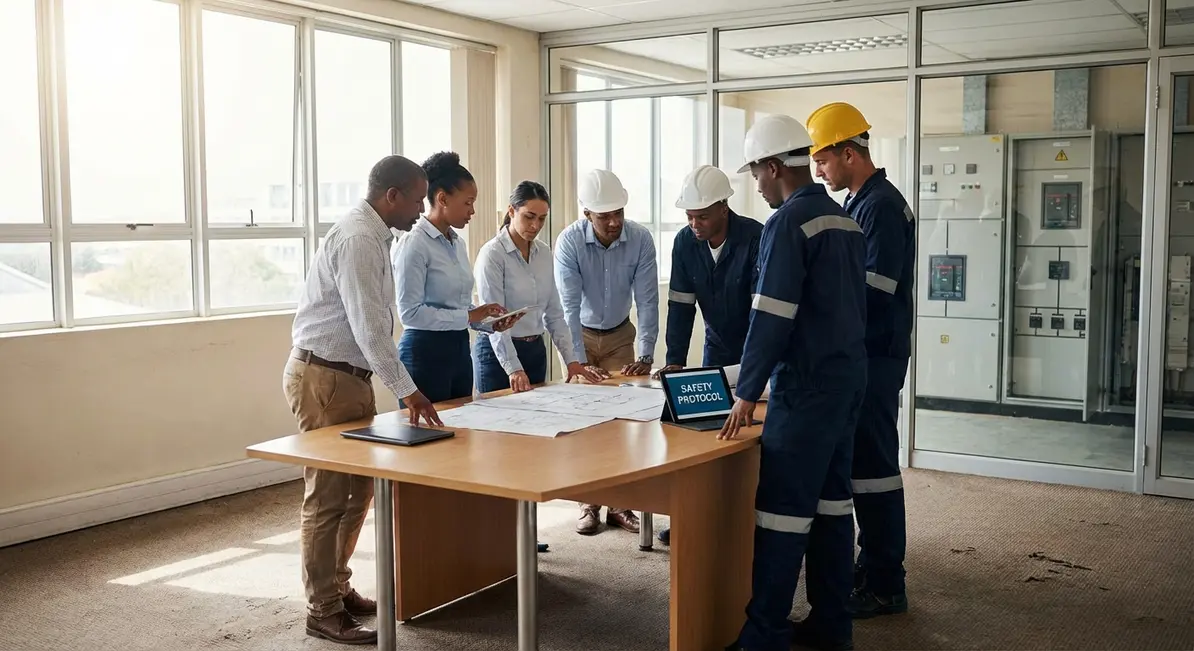
So let’s say you smell something smoky. The breaker room’s lit up like a Christmas tree. What next?
Don’t:
- Panic and start flipping random switches
- Throw water “because it worked with the campfire”
- Have the intern perform diagnostics based on a YouTube tutorial
Do:
- Evacuate if safety is compromised
- Call licensed electricians immediately
- Isolate the power from the main disconnect (if safe to do)
Emergency calls are… not fun. But Kord Electric responds rapidly to industrial fire threats and electrical malfunctions. Still, prevention trumps response every time. Think of emergency maintenance like going to the ER. Necessary, yes—but nobody’s lining up to try it for fun.
What Kord Electric Brings to Industrial Facilities
Not to toot their own horn—except yes, we’re absolutely tooting Kord’s horn here—because their certified technicians make the difference between routine maintenance and rolling the dice each day you boot up your system.
- Licensed, OSHA-trained techs experienced in commercial and industrial settings
- State-of-the-art diagnostic tools and infrared inspection equipment
- Precise reporting and maintenance logs that actually make sense
- Scalable services from high-rises to multi-acre plants
- Real-time risk analysis before the risk gets real
Kord Electric doesn’t dabble in residential or general handyman gigs. They exist purely to keep large-scale power infrastructure safe, efficient, and—most importantly—cool under pressure.

Preventing Electrical Fires: Leadership Starts With Maintenance Culture
It’s not just about running a checklist—it’s about setting a safety-first culture that starts at management and flows down like a good cup of coffee on Monday morning. Preventing electrical fires isn’t a switch you flip; it’s a system you enforce.
- Train your internal teams to identify low-level issues
- Hold vendors to strict maintenance documentation standards
- Routine audits of critical equipment
- Foster communication between production and electrical support teams
Management doesn’t need to be electricians—but they do need to care. Nothing says “we’re serious about safety” like a facility with zero panel lag, up-to-date labeling, and no electrical tape “solutions” in sight.
FAQ: Common Questions About Electrical Panel Maintenance
How often should industrial panels be inspected?
At least once a year by a licensed professional, with quarterly thermal and monthly visual checks in between.
What are signs my panel needs servicing?
Heat, discoloration, noise, tripped breakers, and any burning odors mean it’s time to call an expert immediately.
Is thermography necessary?
Yes. It helps detect issues invisible to the eye. Infrared imaging finds hot spots before they ignite fires, saving costs and lives.
How long does a typical panel inspection take?
Depending on the size and complexity—anywhere from one to three hours. Larger facilities may take longer.
Does panel maintenance interrupt operations?
Not if planned properly. Maintenance can be done during non-peak hours or scheduled downtime to avoid disruption.
Don’t Wait for the Sparks—Schedule Your Panel Checkup Today
Electricity is powerful, silent, and demanding—and when left alone, it throws temper tantrums. The team at Kord Electric doesn’t just fix problems; they prevent explosions, outages, and downtime by ensuring your panels are fit, tight, and future-proof.
Schedule a consultation with Kord Electric today and give your electrical systems the VIP treatment they deserve. Because flame-free Mondays make for productive weeks and much happier property managers.