Inspection Cost Los Angeles Commercial Guide
Kord Electric understands that when property managers and facility directors search for inspection cost los, they are not browsing out of curiosity. They are protecting assets worth millions. In the first 100 feet of wiring behind a commercial wall, there can be enough complexity to power a data center or cause a shutdown that costs more than a luxury sedan. That is why we approach every estimate with clarity and precision. Our team does not toss out vague numbers. Instead, we explain what drives pricing, what protects your building, and how the right inspection today prevents a headline tomorrow.
In this guide, we walk through how commercial and industrial electrical inspection pricing works in Los Angeles, what influences it, and why working with seasoned technicians makes all the difference. Consider this your calm, steady voice in a world full of flashing lights and blinking panels.
Understanding Home Electrical Inspection Costs in Large Commercial Properties
Although the phrase may sound residential, many property owners still search for home electrical inspection costs when managing mixed use buildings or large multi unit properties. However, commercial and industrial facilities operate on a different scale. Therefore, pricing reflects that scale.
First, square footage matters. A 200000 square foot warehouse requires far more time and manpower than a small storefront. Second, system complexity plays a major role. High voltage panels, backup generators, switchgear rooms, and automation systems all demand specialized review. In addition, compliance requirements increase the scope. Industrial facilities must meet strict safety codes, insurance standards, and often industry specific regulations.
As a result, when clients ask about inspection cost los, the honest answer is this: it depends on the depth of evaluation required. At Kord Electric, we break that down line by line. We explain what we test, what we open, and what we document. No mystery fees. No theatrical sighs. Just facts delivered clearly.
For facility teams that manage both residential-style units and heavy commercial loads in the same property, this distinction becomes especially important. A set of apartments over a retail floor may share a service entrance, but the risk profile, code requirements, and inspection time for the commercial portion are entirely different from a simple home walkthrough.
That is why we treat every large property as a commercial environment first. The stakes are too high, the loads are too heavy, and the systems are too interconnected to rely on assumptions built around small homes. When you are responsible for elevators, common area lighting, HVAC, data rooms, and emergency systems, “home-style” pricing simply does not fit.
What Influences Inspection Cost Los for Commercial and Industrial Facilities?
When someone types inspection cost los into a search bar, they usually want a quick number. However, electrical systems are not coffee orders. You cannot simply ask for a large with oat milk and call it a day.
Several factors shape commercial inspection pricing in Los Angeles:
- Building Age: Older facilities often have layered upgrades, legacy wiring, and outdated panels that require deeper evaluation.
- Electrical Load: High demand systems require thermal imaging and load testing to ensure stability.
- Accessibility: If panels are tucked behind storage racks or equipment lines, inspection takes more time.
- Operational Hours: Some facilities require after hours inspections to avoid downtime.
- Documentation Needs: Detailed compliance reports, insurance documentation, and corrective action plans increase scope.
Because of these variables, inspection cost los can range significantly depending on the property type. Nevertheless, we guide our clients through each component. Our expert service staff explains findings in plain language. We avoid jargon. If we must use a technical term, we define it immediately. After all, no one wants to feel like they need a decoder ring to understand their own building.
For example, a newer creative office space with modern panels and clearly labeled circuits may only require straightforward testing and documentation. Compare that to a decades-old manufacturing site that has seen expansions, tenant changes, and equipment swaps. In those environments, we often find abandoned conduits, mixed wiring methods, and improvised fixes that demand extra investigation before anyone can confidently sign off on system health.
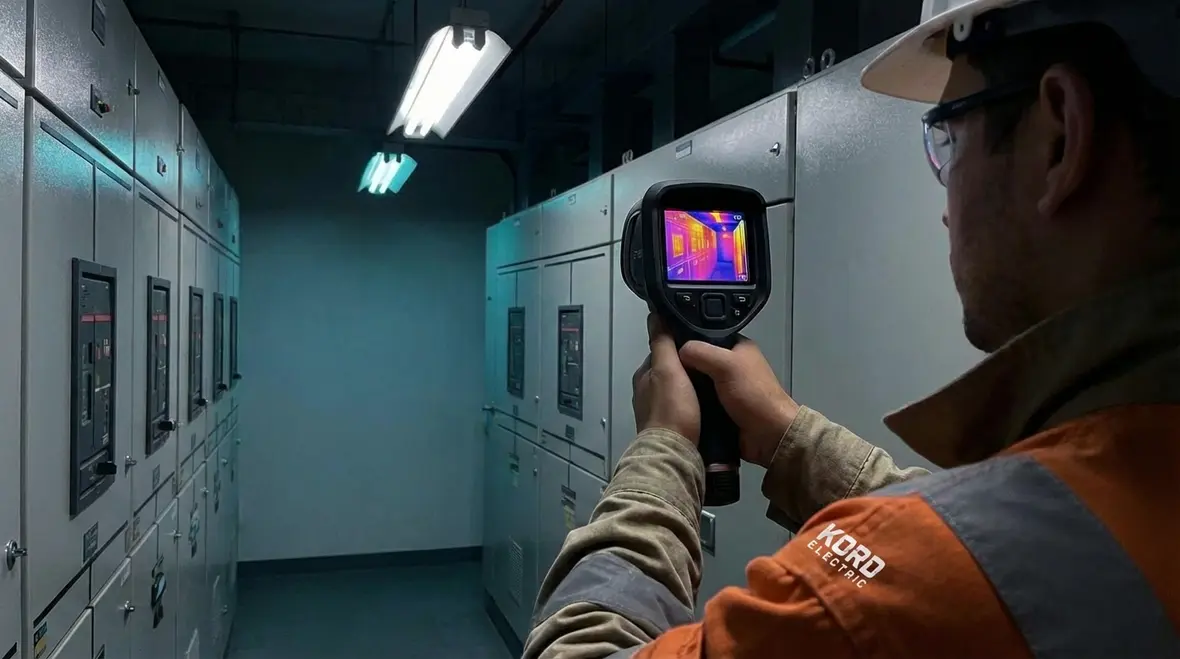
Regional expectations also matter. Many commercial property teams in Los Angeles now combine inspections with broader preventive maintenance. By bundling thermal imaging, panel torque checks, and emergency lighting verification into the same visit, they gain a more complete picture of system health and spread inspection cost los across proactive tasks instead of waiting for failures.
If you are already investing in preventive maintenance, aligning your inspection scope with those programs can be a smart move. Kord Electric’s electrical preventive maintenance services, for example, are often paired with inspection work so that facility managers get both compliance insight and real-world reliability improvements in a single, coordinated plan.
How Much Should a Commercial Electrical Inspection Cost in Los Angeles?
This is the question behind the question. Property managers often ask for a ballpark number. Therefore, we provide context rather than guesswork.
For mid size commercial buildings, inspection pricing typically reflects the time required for panel checks, load analysis, grounding verification, and safety compliance review. Larger industrial facilities require advanced diagnostics such as infrared scanning and transformer analysis. Consequently, pricing scales with complexity.
When discussing inspection cost los with our clients, we emphasize value over the lowest figure. A rushed inspection may save a few dollars today. However, it can miss overheating connections or code violations that lead to shutdowns. In contrast, a thorough evaluation often uncovers small issues before they become capital disasters.
Our technicians walk facility teams through each step. They show thermal images. They point out wear patterns. They explain why a breaker trips and what that means for production lines. In other words, we do not simply hand over a report and disappear like a magician after a card trick.
Instead, we connect the findings to real-world operations. A loose lug on a main panel is not just a line item—it is a potential outage during peak hours. An overloaded circuit in a server room is not just a code violation—it is a threat to uptime, data, and reputation. When you see inspection cost los in that light, the conversation shifts from “What is the cheapest option?” to “What level of protection does this budget actually buy?”
Linking Inspection Costs to Operational Risk
One way to frame commercial inspection costs is by comparing them to the potential price of downtime. If an inspection prevents a failure that would sideline a production line for eight hours, how much revenue and labor cost does that single day represent? For many Los Angeles facilities, that number quickly overshadows the original inspection fee.
This is why many operations leaders treat inspections as part of a broader risk reduction strategy rather than a one-off event. Along with preventive maintenance, emergency response planning, and power quality improvements, inspections form one of the most cost-effective layers of protection that a facility can deploy.
Inside Our Process at Kord Electric
Transparency builds trust. Therefore, here is how we approach commercial and industrial inspections.
First, we conduct a pre inspection consultation. We ask about operational demands, previous issues, and expansion plans. This helps us tailor the scope rather than applying a generic checklist.
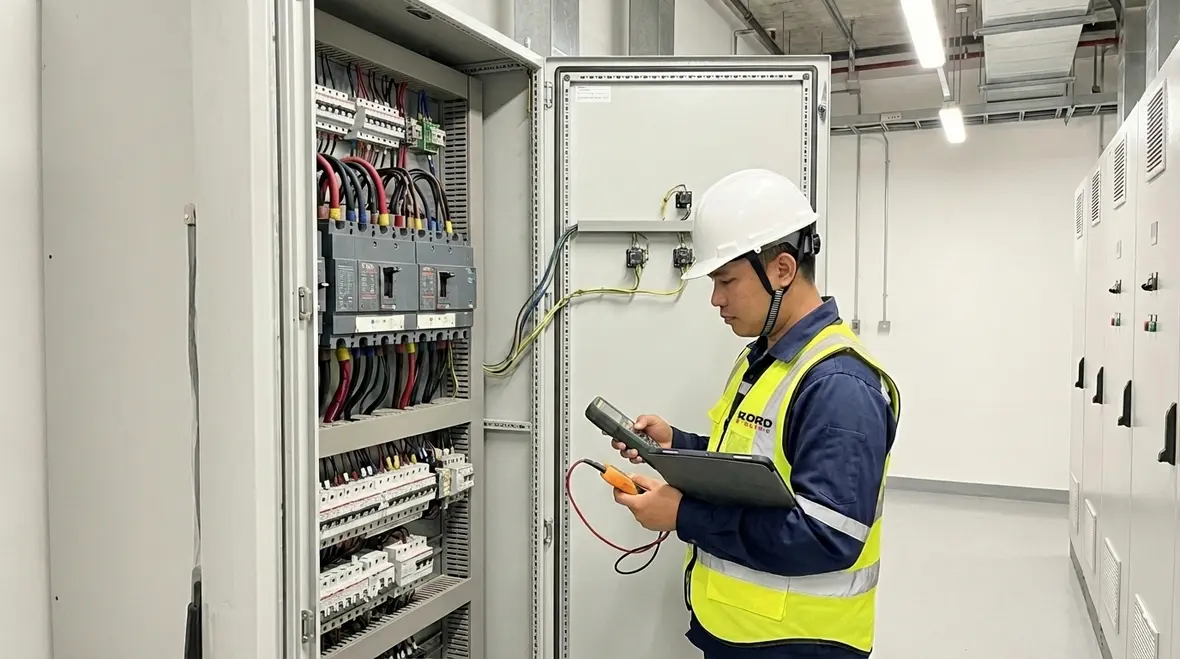
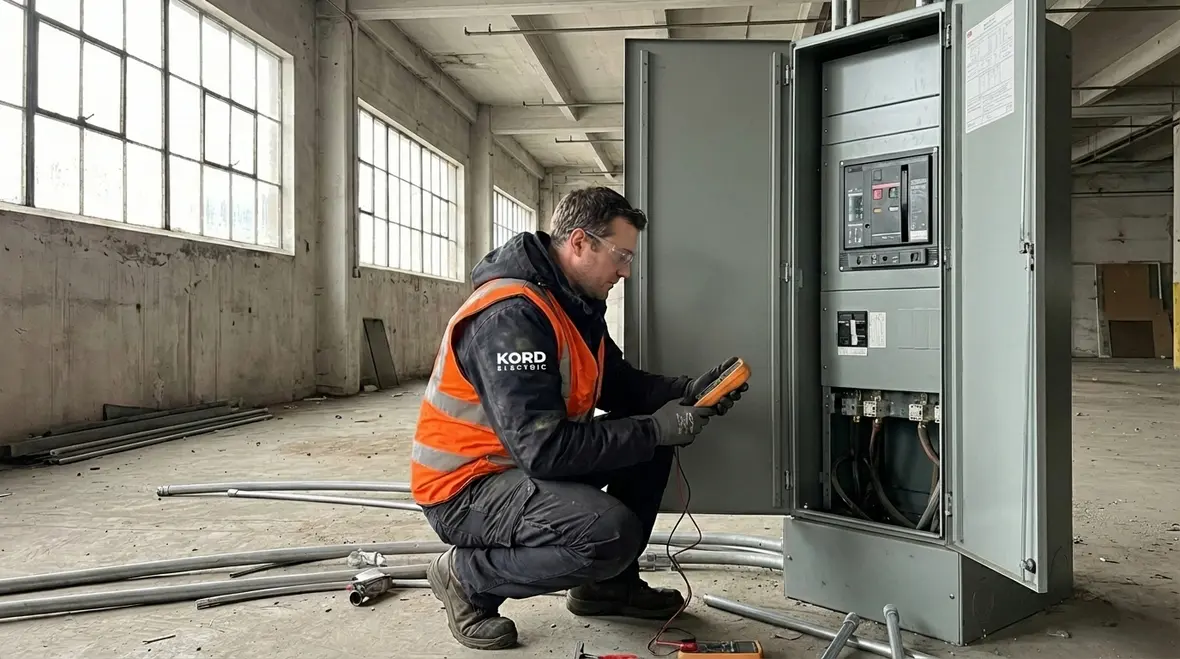
Next, our licensed technicians perform a detailed system review. They examine panels, feeders, grounding systems, and safety devices. If needed, we conduct thermal imaging to detect heat buildup. Meanwhile, we document everything in real time.
After that, we compile a structured report. It includes:
- Photographic evidence
- Code compliance notes
- Risk priority levels
- Recommended corrective actions
- Budget planning guidance
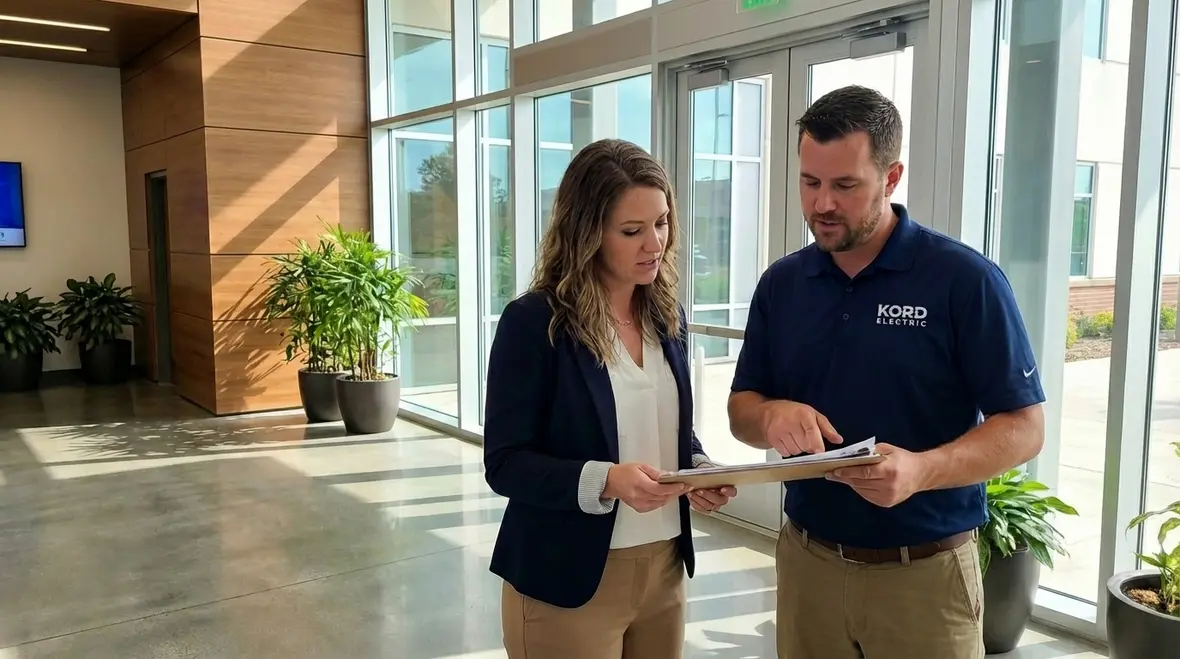
Finally, we sit down with stakeholders. Our expert service staff explains the findings calmly and clearly. We answer questions without rushing. We believe knowledge empowers better decisions. And frankly, it beats guessing.
Many clients also combine our inspection work with targeted corrective projects or upgrades. For instance, an inspection might reveal that a facility’s lighting layout is contributing to safety hazards and unplanned downtime. In those situations, our team can coordinate with our lighting installation services to plan practical, code-compliant improvements that reduce risk while supporting productivity.
From Findings to Actionable Plans
A report that sits on a shared drive does not protect your building. We structure our findings so that operations leaders, safety teams, and financial decision-makers can quickly see what matters most. Critical issues are clearly labeled, timelines are suggested, and recommendations are tied to both risk and practicality.
That way, when you review inspection cost los internally, you can also show what the investment purchased: reduced fire risk, improved uptime, better compliance posture, and a prioritized roadmap for future upgrades instead of a random to-do list.
Comparing Short Term Savings vs Long Term Risk
It can be tempting to choose the lowest quote when reviewing inspection cost los estimates. However, the cheapest option often reduces scope. Fewer panels opened. Limited testing. Minimal documentation.
On the other hand, a comprehensive inspection identifies hidden risks. Loose connections, overloaded circuits, and aging insulation rarely announce themselves with fireworks. Instead, they quietly wait. Unfortunately, they tend to choose the worst possible moment to fail.
Consider this practical comparison:
- Lower Upfront Cost: Basic visual check | Limited reporting | Higher risk of missed issues
- Comprehensive Evaluation: Full system testing | Detailed documentation | Lower long term liability
Although the first option appears attractive, the second protects operations. For industrial plants and large properties, downtime can cost thousands per hour. Therefore, a detailed inspection becomes an investment rather than an expense.
We often see facilities that tried to save on inspections only to spend many times more on emergency repairs and lost production. By the time lights are flickering, breakers are tripping, or equipment is failing, the options are fewer and the pressure is higher. A well-scoped inspection pulls those problems out of the dark long before they interrupt revenue.
Building a Culture of Proactive Electrical Safety
Forward-thinking facility teams in Los Angeles treat inspections as recurring events tied to preventive maintenance, not as one-time line items. They set recurring schedules, align inspections with production lulls, and integrate findings into long-term capital planning. This approach smooths out inspection cost los over time while steadily reducing surprise failures.
Over time, this mindset also improves communication between engineering, operations, and finance. Instead of arguing over unplanned emergency invoices, teams discuss planned inspection cycles, prioritized projects, and measurable risk reduction.
Commercial Inspection Pricing in Los Angeles: A Deeper Breakdown
To better understand inspection cost los, it helps to examine cost drivers side by side. Below is a simplified dual column overview that reflects how scope influences pricing.
- Standard Scope Panel review Grounding check Visual wiring inspection Basic compliance notes
- Expanded Scope Thermal imaging Load calculations Transformer assessment Detailed compliance reporting
As facilities scale upward, they often require expanded scope services. For example, a manufacturing plant with automated lines demands deeper analysis than a low occupancy office building. Similarly, properties with backup generators or solar integration require additional review.
Because of this, inspection cost los varies not only by size but by infrastructure depth. At Kord Electric, we align scope with operational risk. We do not oversell. We also do not cut corners. There is a balance, and experience teaches where it lies.
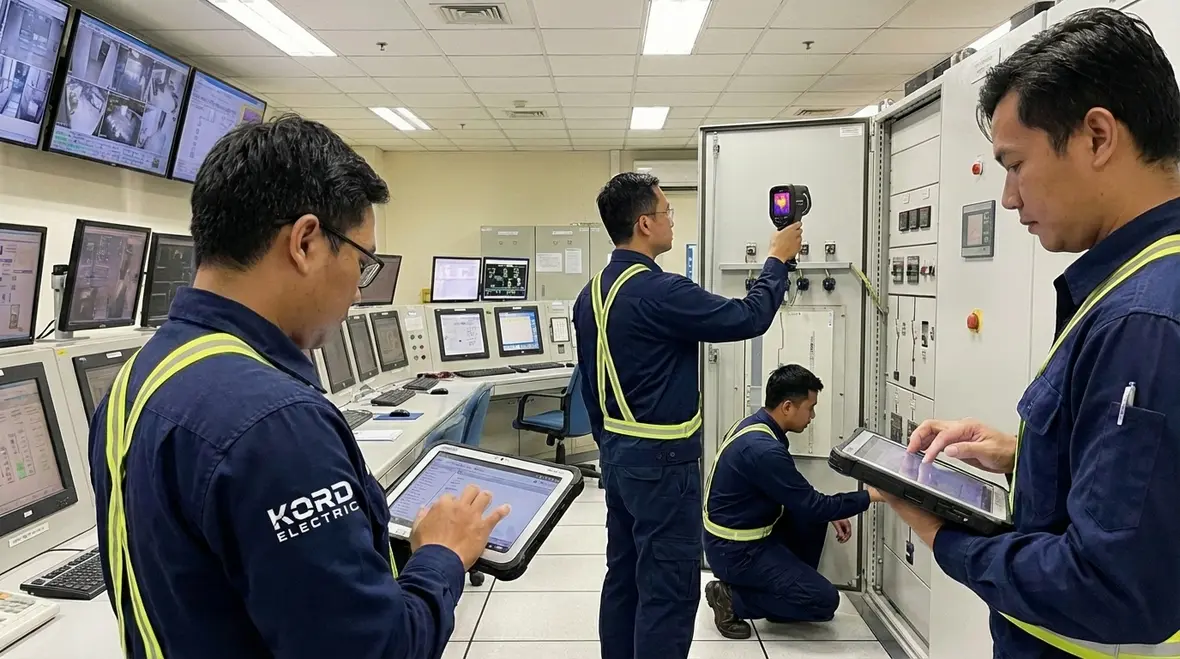
For properties with highly sensitive operations—such as data centers, advanced manufacturing, or large healthcare facilities—expanded scope inspections are often paired with power quality analysis and voltage stability work. If voltage swings, harmonics, or other quality issues are discovered, services like Kord Electric’s support for voltage fluctuation correction can help close the loop between inspection findings and long-term reliability.
Aligning Scope with Your Facility’s Reality
No two facilities share the exact same risk profile. A logistics warehouse with heavy conveyor use may prioritize motor circuits and emergency egress lighting. A mixed-use high-rise may focus on common-area distribution, life safety systems, and tenant panel capacity. When we discuss inspection cost los with clients, we map scope directly to these operational realities so the budget follows the risk, not a generic template.
That tailored approach also makes it easier to phase work. Some clients begin with a core inspection of mains and critical systems, then expand coverage to secondary panels and specialty equipment in later cycles. As long as the plan is clear and documented, this phased method can balance safety, uptime, and budget constraints effectively.
The Role of Expert Technicians in Accurate Cost Assessment
Numbers alone do not define value. The people behind those numbers do. Our technicians bring field experience across commercial and industrial environments. They have seen what overheated bus bars look like. They have traced faults through complex distribution systems. More importantly, they know how to explain what they find.
When reviewing inspection cost los proposals, clients often worry about hidden surprises. Therefore, we outline potential contingencies before work begins. If additional testing becomes necessary, we communicate immediately. No dramatic plot twists. No cliffhangers.
Our expert service staff also assists with budgeting. If we identify corrective actions, we categorize them by urgency. Critical safety risks come first. Efficiency upgrades can follow in phases. This structured approach allows property managers to plan capital expenditures wisely.
Because Kord Electric focuses on commercial and industrial systems, our teams understand how to speak the language of both engineering and operations. They can talk fault currents and arc flash boundaries with your safety director, then translate the same information into production risk and financial exposure for executive teams. That communication skill is part of the value inside every inspection cost los proposal we send.
From Field Insights to Strategic Decisions
A skilled technician does more than check boxes; they notice patterns. Repeated breaker trips on a particular panel, discoloration around certain terminations, frequent nuisance alarms on monitoring gear—these clues shape more accurate recommendations and help prevent repeat issues.
Those insights also inform when to bring in other specialized services, such as enhanced preventive maintenance programs or targeted upgrades to emergency systems, lighting, and distribution. As a result, your investment in inspection cost los becomes the starting point for a smarter, more resilient electrical strategy.
Why Los Angeles Facilities Require Special Attention
Los Angeles presents unique challenges. High energy demand, seismic considerations, and strict building codes all shape commercial inspection requirements. Consequently, inspection cost los reflects these regional factors.
For instance, seismic bracing compliance must be reviewed in certain facilities. Additionally, high load environments such as entertainment venues or data driven operations demand careful system balancing. Therefore, inspections in this region often extend beyond simple panel checks.
At Kord Electric, we stay current with local regulations and utility standards. We coordinate with facility engineers and property managers to ensure that inspections align with both code and operational needs. In doing so, we reduce the risk of violations, penalties, or unexpected shutdowns.
The region’s mix of older industrial corridors, rapidly modernizing campuses, and high-profile commercial developments also means that many buildings are in constant transition. Tenant improvements, new equipment, and evolving usage patterns can quickly change electrical loading. Regular inspections help ensure that your infrastructure keeps pace with these shifts instead of lagging behind them.
Integrating Inspections with Broader Service Needs
In a city that runs around the clock, electrical failures rarely happen at convenient times. Pairing regular inspection work with a trusted partner for urgent issues makes a significant difference. When an inspection reveals critical vulnerabilities that cannot wait, having access to dedicated emergency electrical services means you can move from risk discovery to risk resolution quickly and safely.
This coordination between planned inspections and rapid response service helps Los Angeles facilities stay ahead of code requirements, insurance expectations, and tenant demands while keeping the lights—and the production lines—on.
Frequently Asked Questions
Schedule a Professional Evaluation with Kord Electric
Electrical systems power every square foot of your facility. Therefore, understanding inspection cost los is not about chasing the lowest number. It is about protecting productivity, compliance, and safety. At Kord Electric, we combine expert technicians, transparent pricing, and detailed reporting to give commercial and industrial properties peace of mind. Contact us today to schedule a comprehensive evaluation and see how informed insight can safeguard your operations for years to come.
If your facility also needs targeted upgrades or rapid response alongside planned inspections, our emergency electrical services are available to support Los Angeles commercial and industrial properties 24/7. Together, proactive inspections and swift corrective action provide a powerful one-two punch against unplanned outages and avoidable electrical risks.