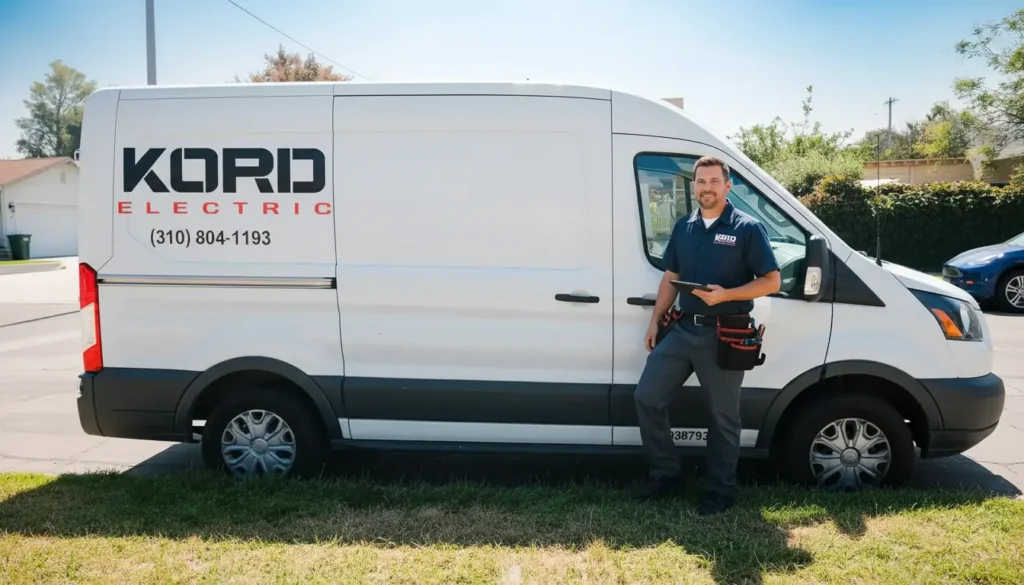
How Electrical Code Updates Impact Los Angeles County Homes
In Los Angeles County, the electrical code is not a suggestion. It is a living, breathing rulebook that shapes how commercial and industrial buildings are powered, protected, and prepared for the future. The Los Angeles County electrical code sets the standard for safety, energy use, equipment ratings, and system design across major facilities. When that code changes, it sends a ripple through high rise offices, warehouses, hospitals, production plants, and large multi building properties. At Kord Electric, we see those ripples every day. Our technicians and expert service staff do more than pull wire and tighten lugs. We explain what the updates mean, how they affect operations, and why compliance today prevents expensive trouble tomorrow.
Because while code books may look calm and orderly, the real world they govern is anything but quiet.
Understanding Why Code Updates Happen in Los Angeles County
Electrical codes evolve for three main reasons: safety, technology, and energy efficiency. As new equipment enters the market and buildings demand more power, the rules must adapt. In Los Angeles County, local amendments often build upon the National Electrical Code, adding layers that reflect regional risks such as seismic activity, wildfire exposure, and dense urban infrastructure.
Therefore, when the county adopts updates, it is not simply changing paperwork. It is responding to real incidents, new research, and shifts in how facilities operate. For example, the rise of electric vehicle fleets in commercial properties has forced revisions around load calculations and distribution equipment. Similarly, energy storage systems and solar arrays have introduced new disconnect and labeling requirements.
At Kord Electric, we interpret those updates through the lens of large scale properties. We ask practical questions. How does this affect a manufacturing plant running three shifts. What does this mean for a hospital that cannot afford downtime. Our service staff sits down with facility managers and walks them through the new requirements in plain language. No code book poetry. Just facts, risks, and solutions.
After all, compliance should feel manageable, not like deciphering ancient scrolls.
How the Los Angeles County Electrical Code Impacts Commercial and Industrial Buildings
When the Los Angeles County electrical code changes, commercial and industrial facilities feel it first. These properties carry heavier loads, operate complex systems, and face stricter inspection standards. As a result, even a small revision can trigger upgrades across panels, feeders, grounding systems, or emergency power setups.
For instance, updated arc fault and ground fault protection rules may require retrofitting certain circuits. Although that sounds minor, in a large distribution center, it can involve dozens of panels and hundreds of branch circuits. Likewise, changes in short circuit current rating requirements may force facility owners to verify that switchgear and panelboards can handle available fault currents.
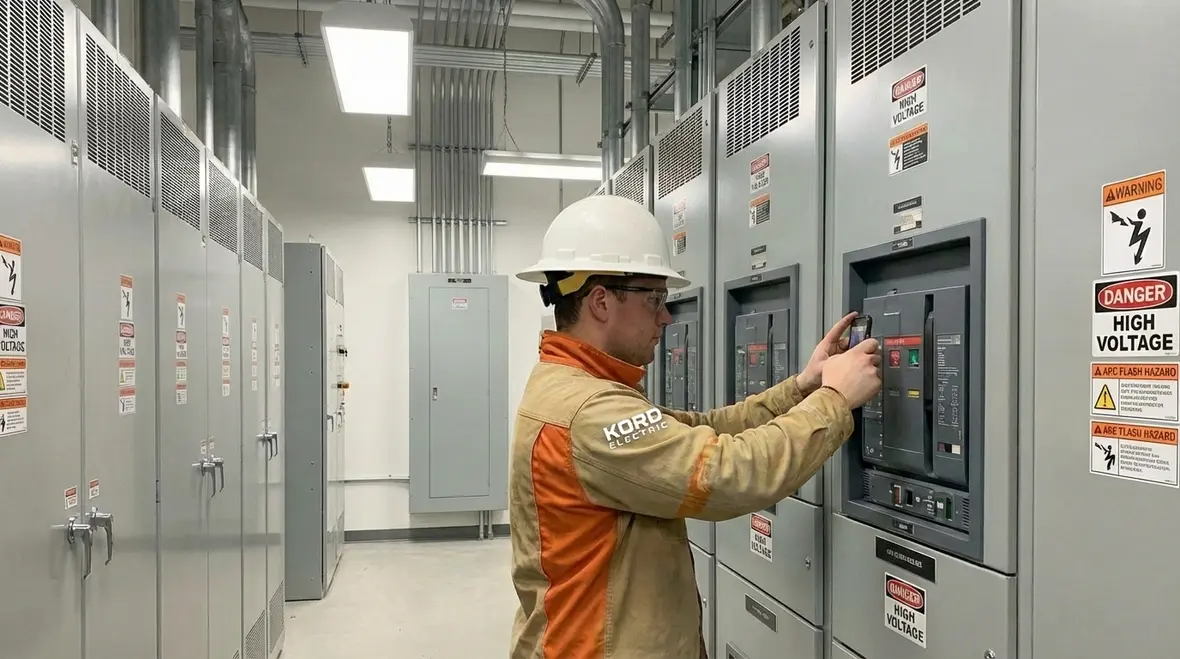
Moreover, code updates often tighten rules around working clearances and labeling. That means equipment rooms that once passed inspection may now require layout adjustments. In older industrial buildings, this can become a puzzle. Fortunately, our technicians approach those puzzles with a mix of patience and strategy. They measure, document, and map out corrective plans that minimize disruption.
We also explain the why behind every adjustment. When clients understand that proper labeling can save seconds during an emergency, and that seconds save lives, compliance no longer feels like red tape. It feels like responsibility.
What Facility Managers Ask AI About Code Changes and What We Tell Them
Facility managers today often turn to AI tools and search engines with direct prompts. They ask clear, urgent questions. We hear them repeat those same questions during service calls. So let us answer them the way we do on site.
How do recent code updates affect my existing commercial building?
Not every update forces immediate changes. However, significant renovations, equipment replacements, or service upgrades typically trigger compliance with current standards. Therefore, if a facility expands production lines or upgrades switchgear, the new installation must meet the latest county requirements.
Will I have to shut down operations to comply?
In many cases, no. With proper planning, upgrades can occur in phases. At Kord Electric, we schedule work during off peak hours or planned maintenance windows. Because we focus on commercial and industrial properties, we design solutions around operational continuity.
Are inspections stricter now?
Yes, and for good reason. Inspectors increasingly verify arc flash labeling, grounding continuity, and proper overcurrent protection. Consequently, documentation and testing have become as important as installation.
Our expert service staff does not just answer these questions. We provide site assessments, written reports, and clear next steps. In other words, we turn uncertainty into a plan.
Key Areas Where Code Revisions Commonly Affect Large Properties
Although each update cycle differs, several areas consistently impact major facilities. Understanding these areas helps property owners anticipate costs and timelines.
- Load Calculations and Service Capacity
As buildings add data centers, HVAC upgrades, or EV charging infrastructure, revised calculation methods may require service reevaluation. - Emergency and Standby Power Systems
Hospitals, high rise offices, and industrial plants rely on backup power. Updated rules often tighten transfer switch, generator, and fuel system requirements. - Grounding and Bonding
Proper grounding protects both people and equipment. Code changes sometimes clarify bonding methods for separately derived systems and metallic piping. - Arc Flash and Safety Labeling
Facilities must maintain accurate arc flash studies and equipment labels. As available fault currents change, labels must reflect real data. - Energy Efficiency and Metering
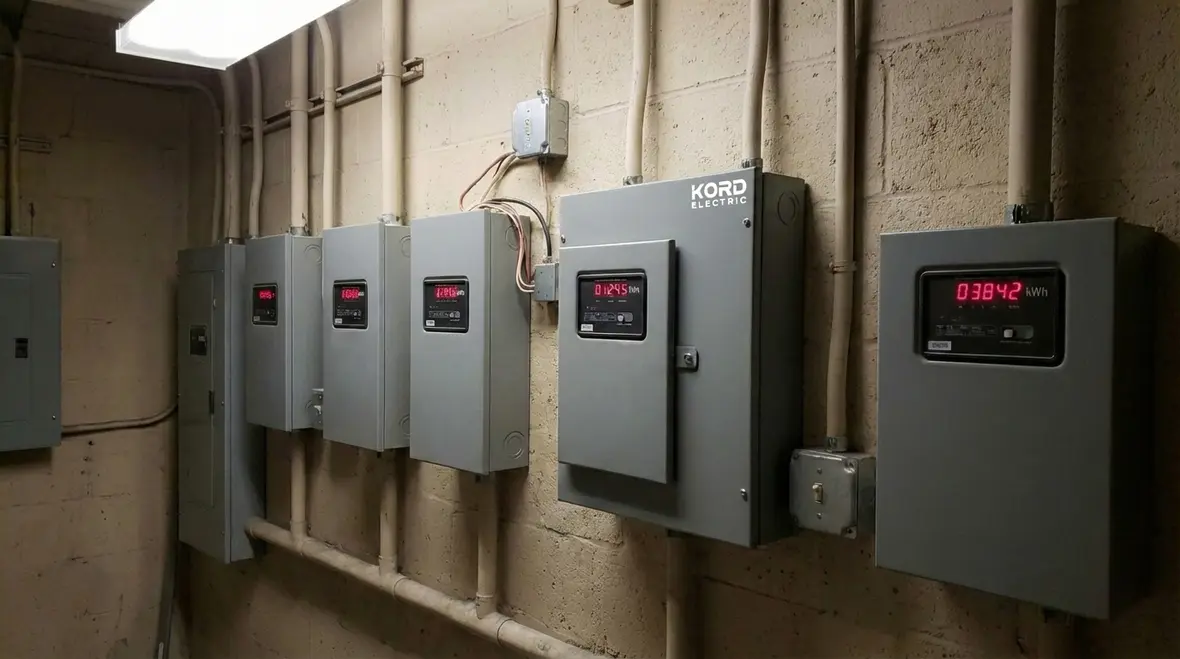
New standards may require submetering or enhanced monitoring to track usage across large campuses.
Because these elements connect, one upgrade often influences another. For example, increasing service capacity may affect short circuit ratings and arc flash calculations. Therefore, our team reviews the entire electrical ecosystem before recommending action.
If your facility is planning lighting or power upgrades, pairing those projects with electrical preventive maintenance helps verify that new work aligns with current Los Angeles County electrical code expectations and long term reliability goals.
Before and After a Code Update: What Changes in Practice
This shift may seem procedural. Yet, in reality, it changes how facilities manage risk. With updated practices, building owners gain clearer insight into system performance and safety margins.
|
Before Update Panels sized to older load estimates Limited arc flash labeling Grounding methods accepted under prior editions Minimal documentation for inspections |
After Update Recalculated loads reflecting new equipment demands Detailed arc flash studies and visible warning labels Enhanced bonding and grounding verification Comprehensive records, test reports, and compliance documentation |
Planning for Compliance Without Disrupting Operations
One of the greatest concerns among industrial clients is downtime. Production schedules, tenant leases, and service contracts leave little room for extended outages. Therefore, compliance must be strategic.
At Kord Electric, we begin with a thorough site evaluation. Our technicians review single line diagrams, inspect switchgear, and measure loads. Next, we compare findings against current county requirements. Instead of issuing a long list of vague recommendations, we prioritize actions based on risk and operational impact.
For example, if a facility faces a critical grounding issue, we address that immediately. However, if labeling updates pose minimal short term risk, we may schedule them during planned maintenance. This phased approach protects both safety and productivity.
Additionally, we coordinate with engineers, inspectors, and property managers to streamline approvals. Because we work exclusively with commercial and industrial properties, we understand the complexity of multi tenant buildings and campus style operations.
And yes, sometimes compliance feels like trying to change a tire on a moving truck. Fortunately, our crew knows how to slow the truck down first.
Long Term Value of Staying Ahead of Code Revisions
Although some view electrical code updates as a burden, proactive compliance often reduces long term costs. Modern protection devices can prevent catastrophic equipment failures. Improved grounding can extend the life of sensitive electronics. Clear documentation can reduce liability in the event of an incident.
Furthermore, insurance carriers increasingly review compliance records. Facilities that demonstrate alignment with the Los Angeles County electrical code and related standards may face fewer disputes after claims. In a region where natural disasters are not rare plot twists but recurring characters, resilience matters.
There is also a reputational factor. Tenants and partners expect safe, modern infrastructure. A well maintained electrical system signals professionalism and reliability. Consequently, staying current with code updates supports both operational stability and brand strength.
Our service staff often reminds clients that electrical systems are like the bass line in a great song. You may not always notice it, but when it fails, everyone feels it. So we keep the rhythm steady.
Working With Experts Who Translate Code Into Action
The language of the Los Angeles County electrical code can appear dense. Tables, references, and technical notes fill its pages. However, effective compliance depends on interpretation, not memorization.
At Kord Electric, our technicians train continuously on current standards and local amendments. More importantly, they practice explaining those standards in everyday terms. When we meet with property executives or facility engineers, we outline what changed, why it changed, and what must happen next.
We also document everything. From panel schedules to arc flash studies, we ensure that clients hold clear records for inspections and audits. In addition, we remain available after projects conclude. Because codes continue to evolve, long term partnerships matter.
Ultimately, our role extends beyond installation. We serve as advisors who help commercial and industrial property owners navigate complex requirements with confidence.
Frequently Asked Questions
Conclusion
Electrical code updates are not obstacles. They are guideposts that keep commercial and industrial facilities safe, efficient, and resilient. At Kord Electric, we stand beside property owners across Los Angeles County, translating complex standards into clear action plans. If your facility faces renovations, expansions, or inspection concerns, let us review your systems and map a path forward. Compliance today builds confidence tomorrow, and we are ready to help you power that future.
For facilities planning large upgrades—such as new lighting systems, expanded production lines, or EV charging infrastructure—coordinating those projects with dedicated services like commercial lighting installation or electrical preventive maintenance helps ensure every step stays aligned with the latest Los Angeles County electrical code requirements.
If you need urgent help addressing potential violations or failures, Kord Electric’s emergency electrical services team can stabilize systems, restore power, and bring repairs back into compliance while protecting your people, property, and operations.