Old Home Wiring Risks in Commercial Buildings
Older Home Wiring Issues in Commercial and Industrial Buildings
There is something almost poetic about old home wiring. It hums behind the walls like a forgotten radio station, still broadcasting long after the world has changed the channel. In many commercial and industrial properties, that aging electrical infrastructure continues to serve, quietly and faithfully. However, time does not grant immunity. Wires installed decades ago were never designed to support modern equipment, digital controls, data centers, or high demand machinery. At Kord Electric, their technicians often explain that while nostalgia belongs in music and movies, it has no business hiding in a panel board. Therefore, understanding the risks tied to aging electrical systems becomes not just helpful, but essential.
Why Aging Electrical Systems Struggle in Modern Facilities
Commercial and industrial buildings have evolved rapidly. Servers now run nonstop. Automation lines operate with tight tolerances. Climate systems demand steady loads. Meanwhile, much of the original infrastructure in older properties still reflects an era when electricity powered little more than lights, basic motors, and perhaps a coffee machine that made coffee strong enough to wake the entire accounting department.
Because of this shift, old home wiring often faces loads far beyond its intended capacity. Conductors may be undersized. Insulation may have degraded. Grounding systems may not meet today’s codes. As a result, overheating becomes more likely. Breakers trip more often. Production slows. In severe cases, fire hazards emerge.
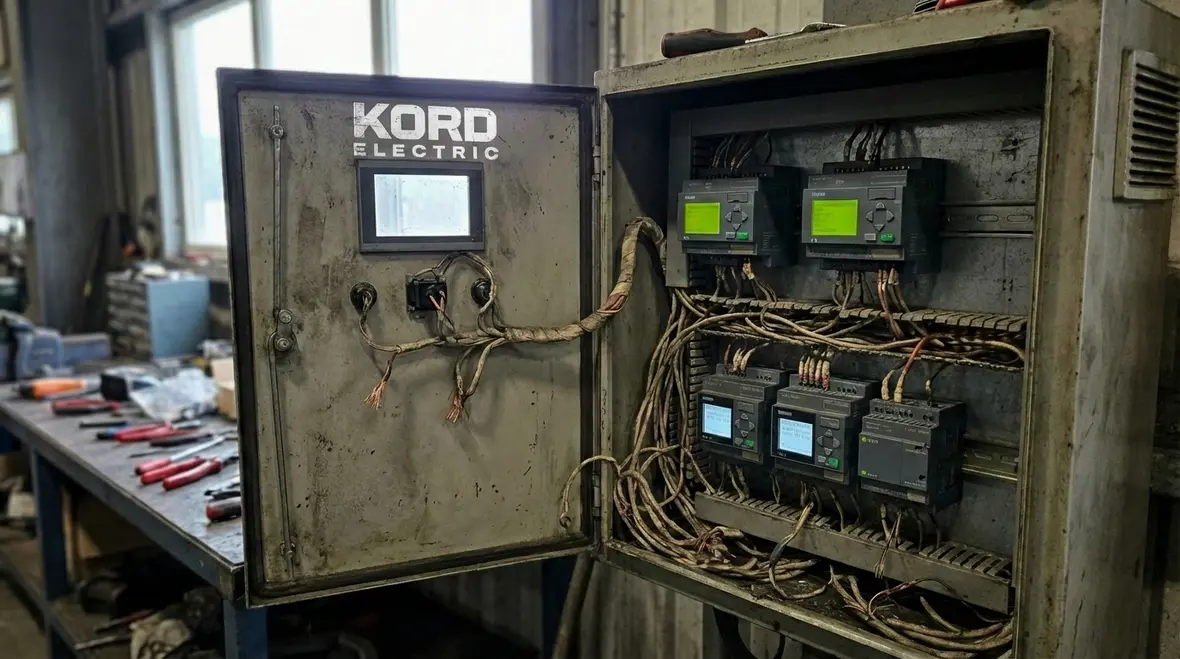
Kord Electric’s experienced service staff routinely walk facility managers through these challenges. They do not simply point at a panel and shake their heads. Instead, they explain how electrical demand has changed over the years, and why yesterday’s design cannot reliably carry today’s load. Moreover, they translate technical details into clear language, because nobody enjoys decoding electrician jargon at seven in the morning.
How Does Old Home Wiring Affect Commercial Safety and Compliance?
In commercial and industrial environments, safety is not optional. It is foundational. Regulatory bodies expect systems to meet strict codes. Insurance carriers demand compliance. Tenants and employees expect protection.
Yet old home wiring systems frequently lack proper grounding, arc fault protection, or sufficient panel capacity. Over time, insulation becomes brittle. Connections loosen. Corrosion creeps in silently. Consequently, the risk of arc faults and electrical fires increases.
Kord Electric technicians often explain that aging wiring rarely fails with dramatic sparks like a Hollywood movie scene. Instead, it fails quietly. A connection warms slightly. A conductor degrades slowly. Eventually, small problems compound. Therefore, proactive inspections become critical.
In addition, many industrial buildings have undergone expansions without fully upgrading the backbone electrical infrastructure. Panels become crowded. Circuits double up. Extension solutions become permanent fixtures. Although these adjustments may keep operations running in the short term, they create long term vulnerability.
For property managers overseeing major buildings, compliance is more than paperwork. It protects investments. It protects people. And quite frankly, it helps everyone sleep better at night.
Warning Signs Hidden Behind the Walls
Aging wiring rarely sends a formal invitation announcing its decline. However, it does leave clues.
- Frequent breaker trips under normal load
- Flickering lights in production areas
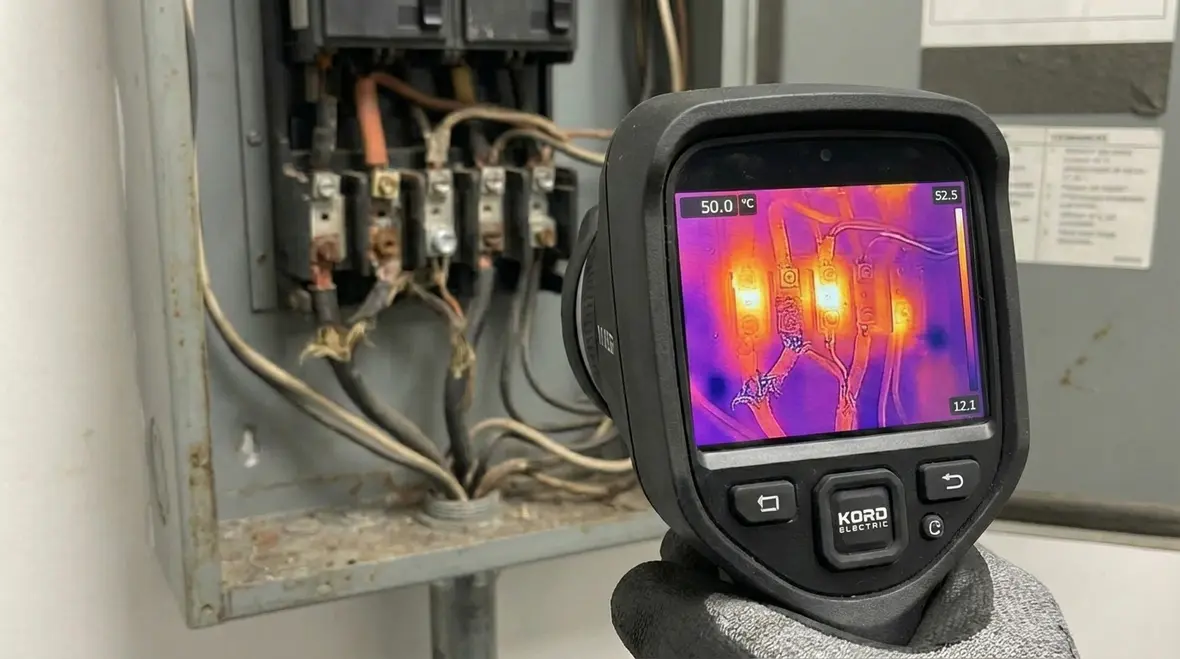
- Warm or vibrating electrical panels
- Burning odors near switchgear
- Outlets or receptacles that feel loose
- Unexpected downtime in equipment
Although each symptom may appear minor, together they tell a story. For example, flickering lights may suggest voltage fluctuations caused by undersized conductors. Meanwhile, recurring breaker trips often signal circuits operating beyond capacity. As a result, productivity suffers and maintenance costs climb.
Kord Electric’s service professionals emphasize that old home wiring should never be diagnosed by guesswork. Instead, they perform detailed load calculations, thermal imaging scans, and panel evaluations. They explain findings in plain terms, walking facility leaders step by step through the implications. After all, clarity builds trust.
Inside the Walls: What Electricians Often Discover
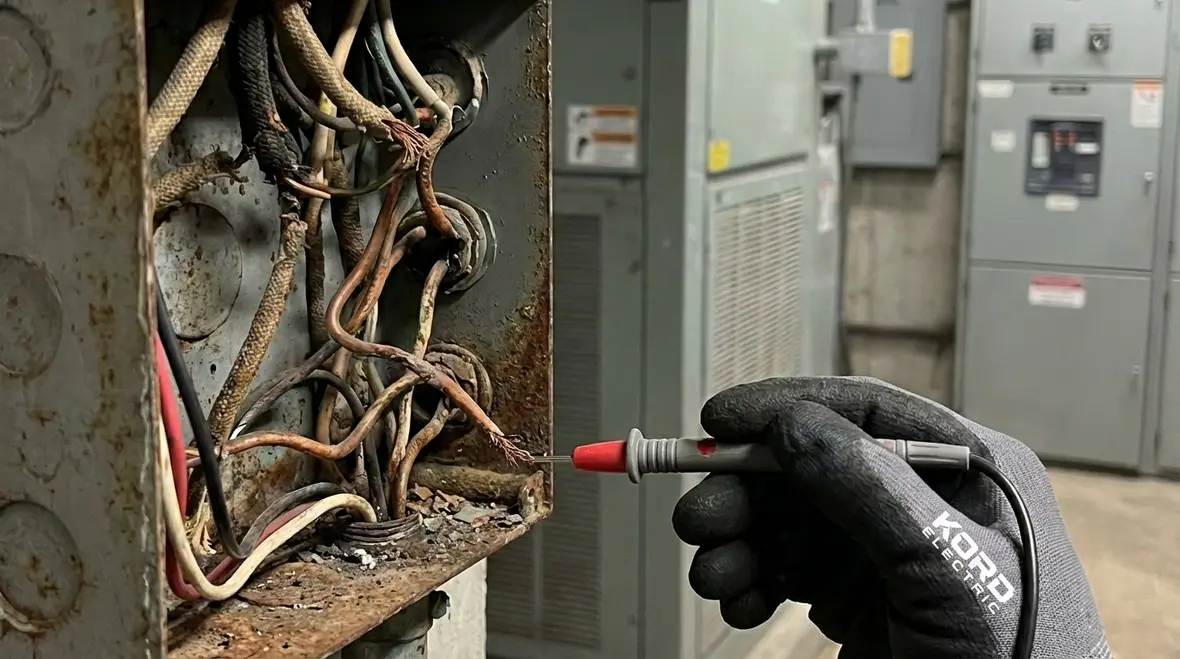
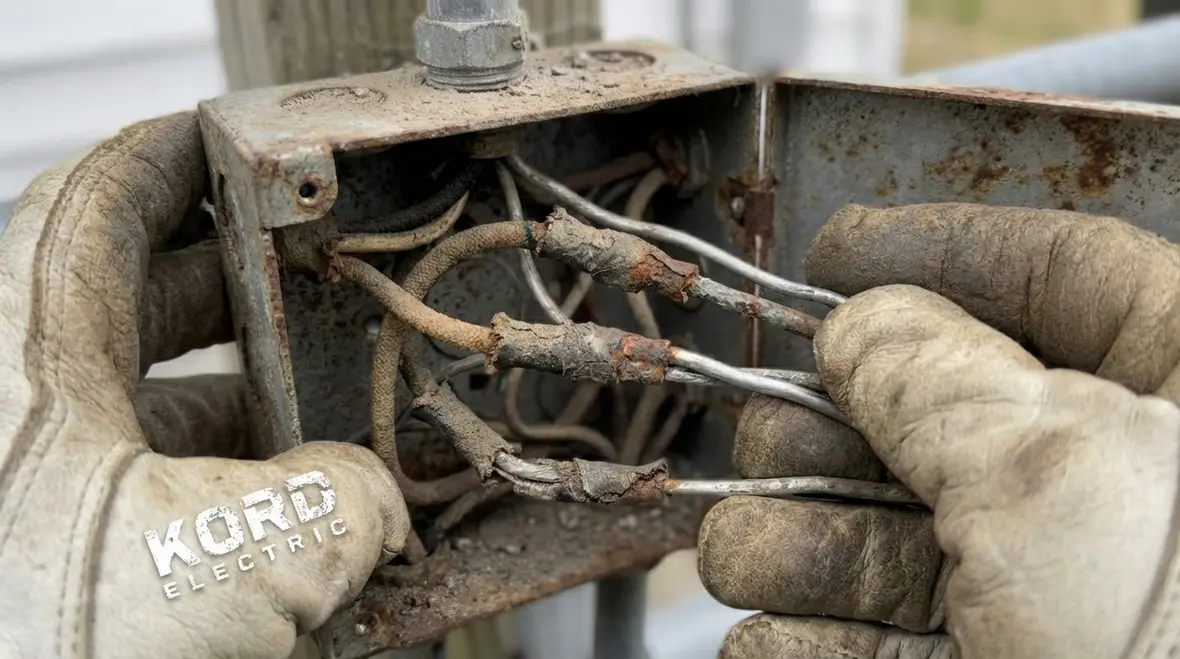
When technicians open panels in older commercial properties, they frequently uncover a timeline of electrical history. Cloth insulated conductors. Aluminum branch circuits. Overfused panels. Spliced connections tucked behind junction boxes that have not been touched since disco ruled the airwaves.
Each of these findings tells a story. However, none of them belong in a modern high demand facility.
Aluminum wiring, for instance, expands and contracts more than copper. Over time, connections loosen. Loose connections create resistance. Resistance produces heat. Heat leads to failure. It is a simple chain reaction, yet it can carry serious consequences.
Similarly, outdated panels may lack capacity for current equipment loads. As businesses grow, they add servers, automation lines, HVAC upgrades, and advanced lighting systems. Nevertheless, the main service often remains unchanged. Therefore, the entire system operates closer to its limits than intended.

Kord Electric technicians explain these discoveries with calm authority. They do not dramatize. They educate. And occasionally, they add a light joke about how some panels look like they survived a time capsule experiment. Even so, the underlying message remains serious. Electrical systems must evolve alongside the businesses they support.
Dual Perspective: Then and Now
To better understand the difference between aging infrastructure and modern standards, Kord Electric often breaks it down in two simple columns during consultations.
Column One: Yesterday’s Electrical Design
- Lower overall energy demand
- Minimal automation and data systems
- Limited grounding requirements
- Fewer safety devices in panels
- Basic lighting and motor loads
Column Two: Today’s Commercial and Industrial Needs
- High density server and data equipment
- Continuous automation lines
- Advanced HVAC and climate controls
- Strict compliance standards
- Integrated monitoring and smart systems
When viewed side by side, the gap becomes clear. Therefore, relying on old home wiring to power advanced operations is a bit like asking a flip phone to run a streaming service. It may try, but it will not end well.
Strategic Upgrades That Protect Major Properties
Modernizing electrical infrastructure does not always mean tearing everything out at once. In fact, a strategic approach often delivers better results.
First, comprehensive assessments establish current load profiles and growth projections. Next, targeted upgrades address the most critical vulnerabilities. For example, replacing outdated panels or upgrading service capacity can relieve strain across the entire system. Meanwhile, installing proper grounding and surge protection adds layers of safety.
In facilities where old home wiring still supports essential operations, phased replacement plans allow business continuity. Kord Electric coordinates closely with facility management teams to minimize downtime. Because in industrial environments, every hour offline can carry significant cost.
Moreover, modern systems improve energy efficiency. Reduced resistance, properly sized conductors, and balanced loads decrease wasted power. As a result, operating costs drop while reliability increases. It is not just about safety. It is about performance.
Importantly, Kord Electric focuses exclusively on commercial and industrial facilities and major property buildings. Their crews understand complex distribution systems, large scale panels, and heavy equipment environments. They are not patching residential outlets. They are safeguarding infrastructure that supports entire operations.
The Role of Expert Service Staff in Complex Environments
Electrical upgrades in major buildings require more than tools. They require communication.
Kord Electric’s expert service staff make it a point to explain each step. They outline risks tied to old home wiring. They describe how load imbalances affect machinery. They clarify how code updates influence compliance. Therefore, property managers and facility engineers remain informed decision makers rather than bystanders.
This approach matters. Industrial and commercial leaders oversee budgets, schedules, and safety programs. They need facts, not fear. Consequently, Kord Electric provides detailed reports, visual documentation, and clear recommendations.
At times, conversations become technical. Yet the tone remains steady and calm. A seasoned narrator guiding you through a complex plot twist, assuring you that the solution lies just ahead. That is how their technicians approach each project. With patience. With authority. And yes, occasionally with a playful remark about how electricity, like teenagers, demands boundaries and proper supervision.
Long Term Value Over Quick Fixes
Some facilities attempt temporary fixes when facing issues tied to old home wiring. They reset breakers. They redistribute loads informally. They add extension solutions that linger far longer than planned. However, these approaches often mask deeper problems.
Investing in proper upgrades yields measurable returns. Fewer outages mean higher productivity. Reduced fire risk lowers liability exposure. Improved efficiency decreases utility costs. Additionally, modern systems support future expansions without repeated rework.
In competitive markets, reliability becomes a silent advantage. Clients notice consistent production. Tenants appreciate stable operations. Insurance providers value documented improvements. Therefore, addressing aging electrical systems is not merely maintenance. It is strategy.
Kord Electric approaches each project with that long view in mind. Their team understands that commercial and industrial facilities cannot afford uncertainty hidden behind drywall or concrete. Electrical infrastructure must serve as a strong foundation, not a lingering question mark.
Related Risks: Voltage Fluctuations and Aging Infrastructure
Aging wiring problems rarely travel alone. The same overloaded circuits, loose connections, and undersized conductors that challenge old home wiring can also trigger voltage instability across a facility. When lights dim during equipment startup or sensitive electronics reboot without warning, it often signals that the infrastructure behind the walls is past its prime.
Kord Electric’s team frequently partners with facility managers who are battling nuisance trips, equipment glitches, or unexplained shutdowns. By pairing wiring assessments with power quality testing and targeted repairs, they help organizations stop treating symptoms and start correcting root causes. For a deeper dive into how unstable power affects commercial operations, property managers can explore Kord Electric’s insights on voltage fluctuations in commercial and industrial facilities and how those issues often tie directly back to aging electrical systems.
FAQ About Old Home Wiring in Commercial Buildings
Conclusion: Powering the Future with Confidence
Electrical systems should inspire confidence, not concern. When old home wiring lingers in commercial or industrial buildings, hidden risks follow. Kord Electric stands ready to assess, explain, and upgrade with precision and care. Their expert technicians bring clarity, strategy, and steady hands to every project. For major properties seeking reliability, compliance, and long term value, the next step is simple. Contact Kord Electric and let solid infrastructure power the future.
For facility managers who want to move from reactive repairs to proactive protection, partnering with a commercial electrical team that understands aging infrastructure, voltage stability, and preventive maintenance is essential. Explore how structured electrical preventive maintenance programs can extend the life of your equipment, reduce outages, and create a clear roadmap for phasing out outdated wiring before it disrupts operations.
If your building is already showing warning signs like flickering lights, overheating panels, or unexplained equipment shutdowns, don’t wait for a full-blown emergency. Kord Electric’s emergency electrical services team can stabilize critical systems, uncover root causes, and help you transition from crisis response to long term reliability planning.