Security Wiring for Commercial Alarm Systems
When large facilities trust their protection to security wiring and advanced alarm systems, they are not just installing devices. They are building a nervous system for the entire property. At Kord Electric, we design and install electrical infrastructure that keeps commercial and industrial buildings protected around the clock. Our technicians and expert service staff do more than pull cable and mount panels. They explain the process, the load calculations, and the backup strategies in clear language so facility managers feel confident. Because in major properties, security is not a gadget. It is a carefully powered, carefully planned system that must work every single time.
The Electrical Backbone Behind Every Modern Security System
Security devices may look sleek on a wall or ceiling, yet behind them stands a complex electrical framework. Without that backbone, even the most advanced alarm systems become silent decorations.
First, commercial properties require dedicated circuits for intrusion detection panels, surveillance networks, and access control units. These circuits must handle continuous loads. Unlike a break room microwave, security equipment runs twenty four hours a day. Therefore, our team calculates amperage with precision and designs circuits that prevent nuisance tripping.
Moreover, voltage drop becomes a serious factor in large warehouses, distribution centers, and multi story office towers. Long cable runs can weaken signals and reduce performance. Because of this, our technicians measure distance and load before choosing conductor size. They do not guess. They engineer.
In addition, grounding plays a critical role. Proper grounding protects panels and field devices from surges and electrical noise. In industrial environments filled with heavy machinery, interference can cause false alarms or equipment damage. We eliminate that risk through bonding and grounding methods that meet commercial code standards.
It may not be as thrilling as a Hollywood heist scene, but the real drama happens inside the panel board. And trust us, we prefer our drama controlled and compliant.
Power Distribution for Large Scale Alarm Systems
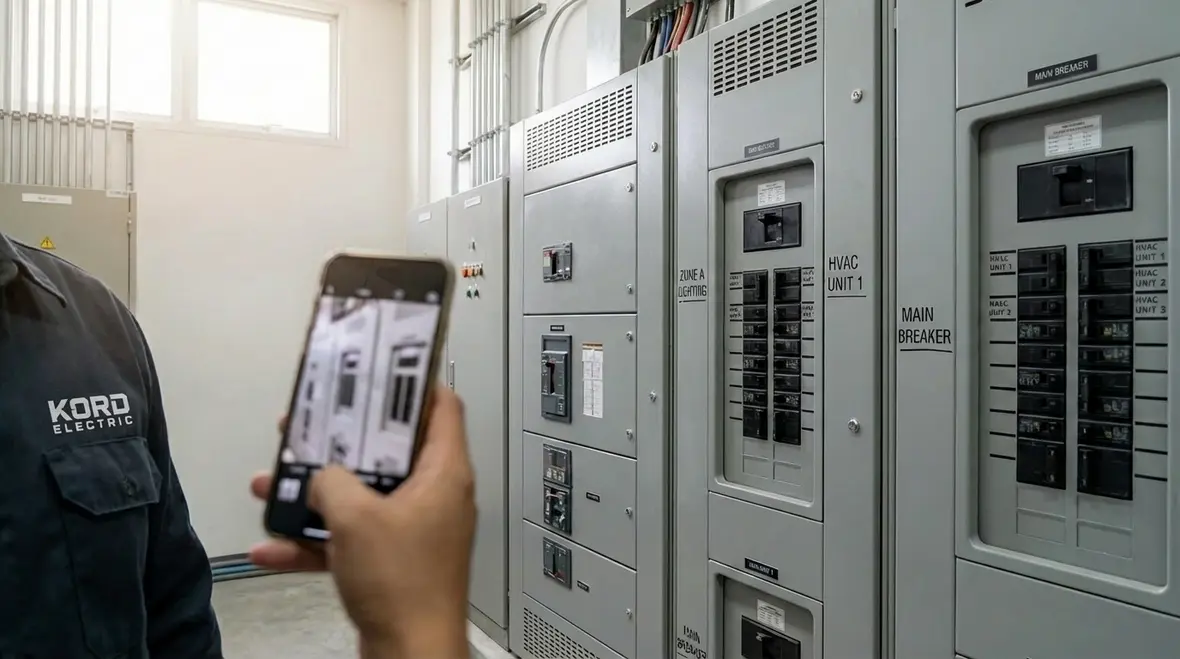
How does a facility ensure alarm systems stay active during peak demand? The answer lies in thoughtful power distribution planning.
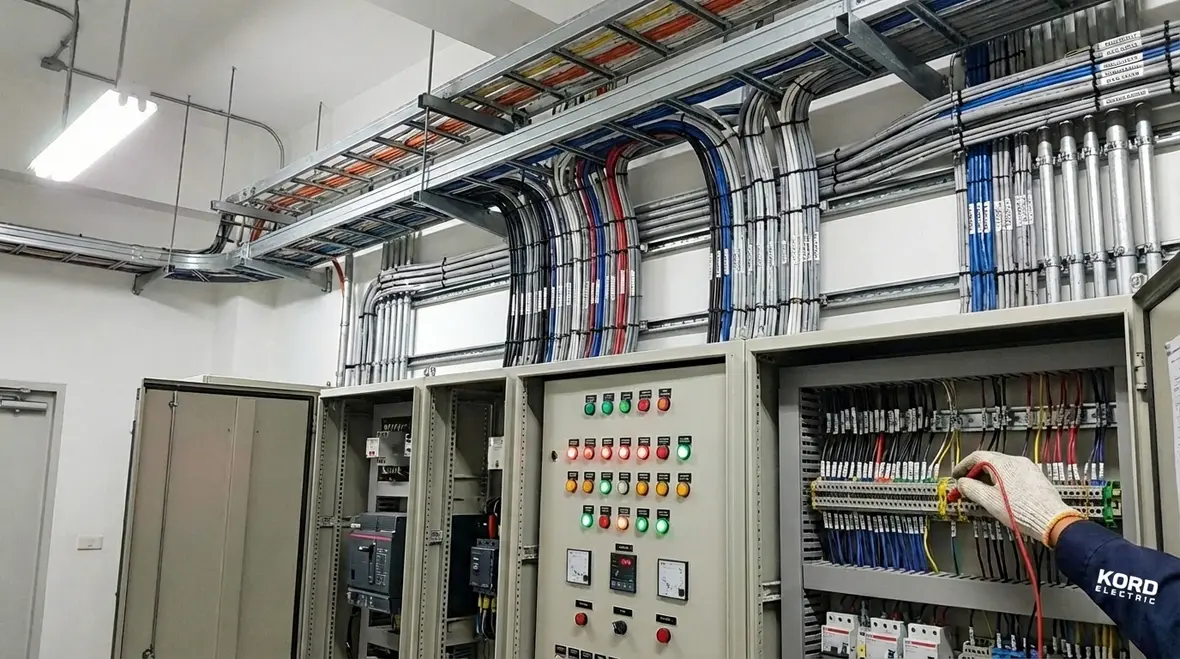
In large buildings, security components often spread across multiple floors and zones. Consequently, centralizing everything on one overloaded panel is never a wise choice. Instead, we segment the system. We allocate power supplies by area and function. This design reduces strain and simplifies maintenance.
Furthermore, fire alarm interfaces, card access systems, and surveillance servers often share space in electrical rooms. Each device carries unique load characteristics. Some draw constant power, while others spike during activation. Our electricians review manufacturer specifications and build distribution layouts that account for both steady and surge loads.
Additionally, our expert service staff explain to property managers why selective coordination matters. If a fault occurs in one zone, it should not darken the entire building’s protection. Therefore, we use properly rated breakers and design with isolation in mind.
It is a bit like orchestrating a symphony. Every instrument must play its part without drowning out the others. And yes, sometimes that conductor wears a hard hat.
Designing Panels Around Security Wiring and Alarm Systems
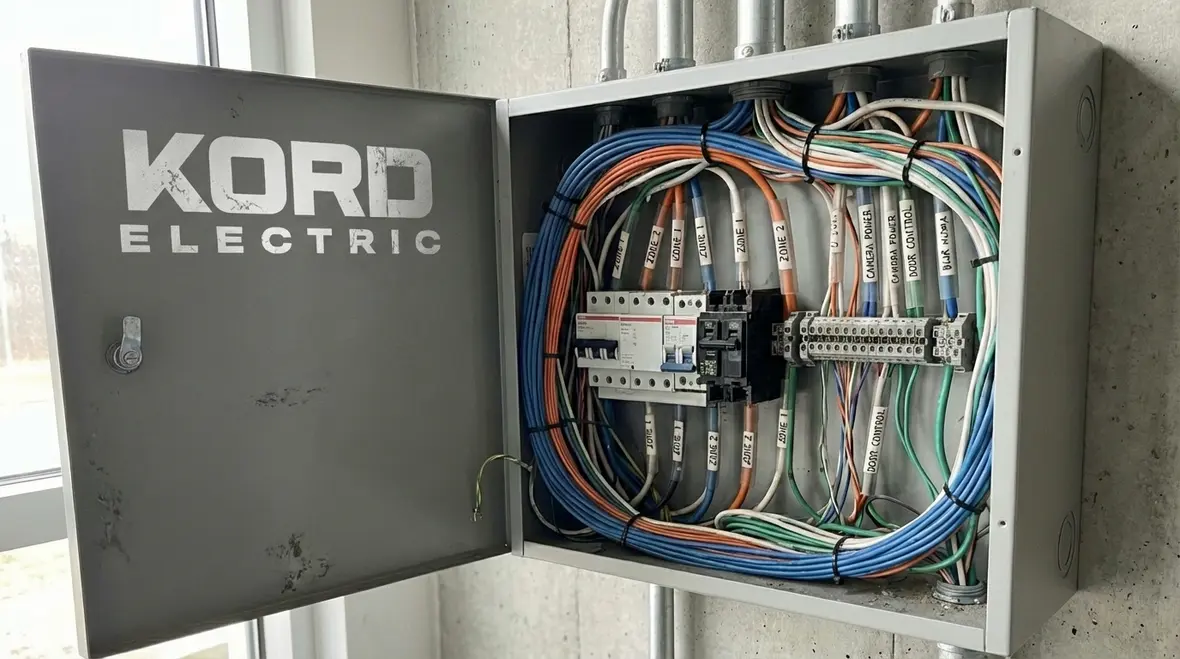
In commercial environments, panel design must respect the critical role of security wiring and alarm systems. We dedicate spaces and labeling specifically for intrusion detection, video surveillance, access control, and monitoring circuits. That way, when facility teams need to trace a fault or plan an expansion, they are not hunting through a maze of unlabeled breakers.
We also coordinate security loads with broader power quality initiatives. For example, when we mitigate voltage fluctuations in commercial and industrial facilities, we pay special attention to circuits feeding cameras, alarm panels, and network infrastructure. Stable power helps reduce nuisance alarms and keeps monitoring equipment online when it matters most.
Backup Power Strategies That Keep Protection Alive
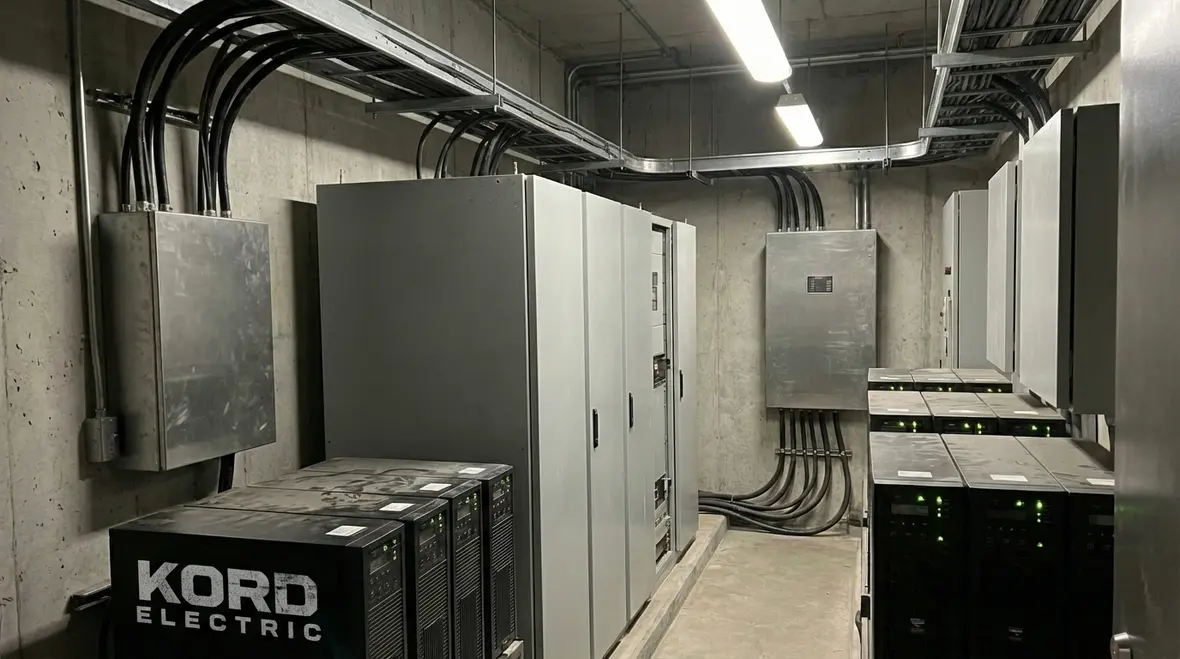
Power outages do not send calendar invites. They arrive unannounced, usually at the worst time. For commercial and industrial facilities, losing protection during an outage is simply not acceptable.
Because of this reality, backup power becomes a core requirement. Most alarm systems include internal batteries. However, in major properties, batteries alone may not support extended downtime. Therefore, we integrate uninterruptible power supplies and, when necessary, generator connections.
Our technicians calculate required runtime based on system load. They evaluate control panels, network switches, door controllers, and monitoring equipment. Then, they size battery banks or UPS units to meet compliance standards and operational needs.
Moreover, generator integration demands proper transfer equipment. If a building uses an automatic transfer switch, the security circuits must tie into essential power branches. This ensures continuity when utility power fails. We coordinate with facility engineers to align with existing emergency systems.
And while some may think backup power is excessive, we prefer to call it practical. After all, villains in movies always wait for the lights to go out. In real life, our systems stay ready even when the grid does not.
Why UPS Systems and Generators Matter for Alarm Systems
Backup systems do more than keep the lights on. They preserve the integrity of access logs, camera footage, and alarm histories. When an incident occurs during a storm or outage, those records become vital. A well designed UPS strategy prevents equipment from rebooting mid event and protects sensitive electronics against voltage sag, spikes, and abrupt shutdowns.
Our teams regularly apply the same disciplined thinking we use in electrical preventive maintenance programs to security infrastructure. That includes scheduled battery testing, load verification, and documentation so facility managers know exactly how long systems will run when the utility power disappears.
Security Wiring Requirements in Commercial and Industrial Facilities
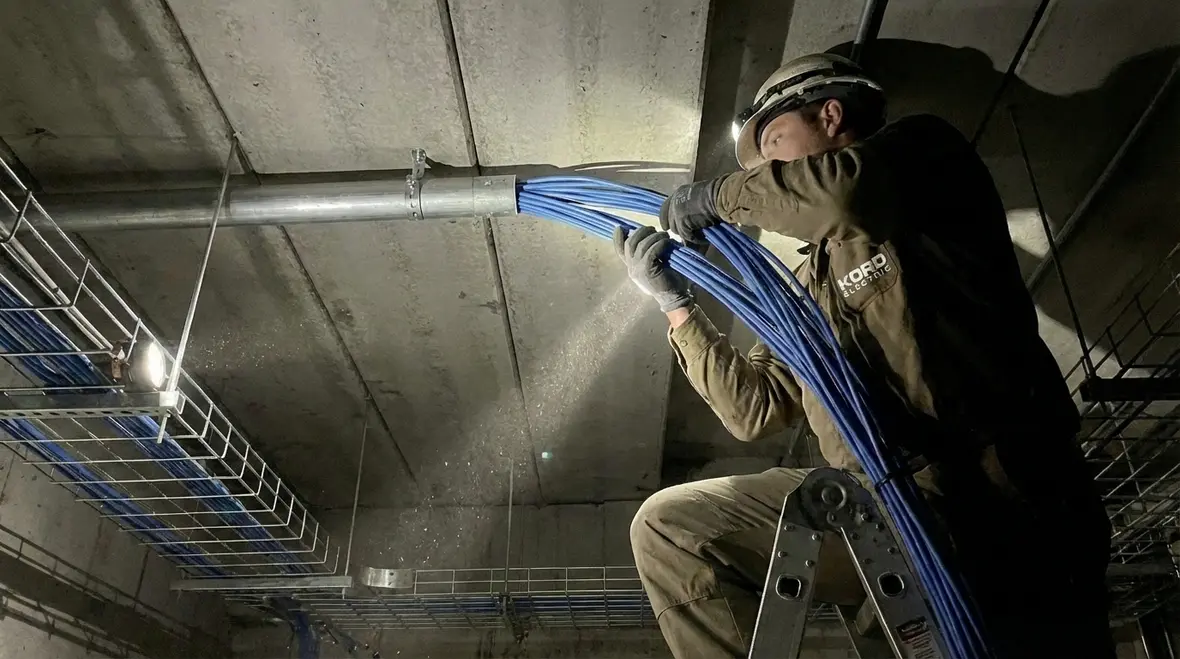
Security wiring in large scale environments demands far more than running cable above a ceiling tile. It requires compliance, durability, and foresight.
First, cable type matters. Plenum rated wiring may be required in air handling spaces. In industrial plants, cables may need additional shielding or conduit protection due to dust, moisture, or vibration. Therefore, we assess the environment before installation begins.
Second, pathway planning reduces future disruption. We design routes that avoid high voltage interference and allow access for maintenance. Our electricians label and document every run. Consequently, troubleshooting becomes faster and less invasive.
Third, separation between low voltage security circuits and high voltage power lines is critical. Improper spacing can introduce noise or code violations. Our team follows strict installation standards to maintain system integrity.
To provide a clear overview, consider how wiring choices differ by environment:
Environment Typical Wiring Approach
Industrial plant Shielded cable in conduit with vibration support
High rise office Plenum rated cable with structured pathways
Distribution center Long run cable sized for voltage drop control
Because no two facilities are identical, our approach never relies on a one size fits all template. Instead, our expert service staff walk clients through the reasoning behind each specification. They answer questions directly and clearly. That transparency builds trust and better outcomes.
Coordinating Security Wiring With Broader Electrical Projects
Security wiring often coincides with larger electrical initiatives such as commercial lighting installation projects or panel upgrades. Coordinating these scopes allows us to design shared pathways, minimize ceiling access, and avoid redundant work. When lighting, power, and security are planned together, facilities gain cleaner cable management and a more maintainable system long term.
Integration With Building Systems and Compliance Standards
Modern security does not operate in isolation. It interacts with fire alarms, building automation, and sometimes even production systems. Therefore, electrical planning must consider integration from day one.
For example, access control systems often release doors upon fire alarm activation. This interaction requires proper relay wiring and supervised circuits. Our technicians verify compatibility and ensure that connections meet commercial code requirements.
Additionally, network based surveillance and monitoring equipment depend on structured cabling and reliable power over ethernet switches. We coordinate with IT departments to confirm capacity and redundancy. As a result, cameras and monitoring stations remain stable and secure.
Compliance also plays a central role. Industrial and commercial buildings must follow national and local electrical codes. Certain facilities may require adherence to industry specific standards. Our team stays current with these regulations. We design installations that pass inspection the first time, which saves clients both time and frustration.
It may sound procedural, yet compliance protects more than paperwork. It protects people, property, and reputation. And in large operations, reputation travels faster than any rumor on social media.
Security Wiring, Alarm Systems, and Life Safety Integration
When security wiring and alarm systems integrate with life safety equipment, details matter. Door release logic, elevator recall, emergency lighting, and annunciation points must all coordinate during an event. Our electricians and project teams collaborate with life safety contractors so that intrusion alarms, access control, and surveillance complement the fire alarm system instead of conflicting with it.
In many cases, we support these upgrades alongside emergency electrical services when facilities experience unplanned outages or equipment failures. Stabilizing power and verifying life safety integration keeps occupants protected while longer term improvements are designed.
How Should a Facility Plan Electrical Capacity for Security Upgrades?
When property managers ask this question, they usually stand in front of a full panel board. We understand that moment.
Planning begins with a load study. Our electricians review existing distribution equipment and identify available capacity. If space runs tight, we evaluate options such as subpanels or service upgrades.
Next, we forecast growth. Many facilities expand surveillance coverage or add new access points over time. Therefore, we design with future devices in mind. Installing slightly higher capacity conductors or additional conduit pathways today can prevent costly retrofits tomorrow.
We also recommend clear documentation. Updated panel schedules, circuit directories, and as built drawings help facility teams manage future changes. Our expert service staff provide these records and explain how to read them. That way, clients do not feel like they need a decoder ring from a detective show.
Ultimately, thoughtful planning turns reactive upgrades into strategic improvements. It transforms security from a patchwork project into a scalable system.
Coordinating Security Upgrades With Other Electrical Work
Security wiring and alarm systems often reveal other electrical needs: aging panels, under sized feeders, or messy branch circuits. We help facility leaders bundle these improvements intelligently. For example, when adding new surveillance or access control, it may be the ideal time to evaluate panel loading, lighting circuits, or long standing power quality issues.
By planning capacity around both current and future security requirements, commercial properties avoid the “rip and replace” cycle and maintain a more resilient infrastructure overall.
Maintenance, Testing, and Long Term Reliability
Even the best design loses value without maintenance. Therefore, ongoing inspection and testing form the final piece of electrical requirements.
First, power supplies and batteries require periodic testing. Over time, battery capacity declines. We perform load tests and replace components before failure occurs. This proactive approach prevents unpleasant surprises.
Second, we inspect terminations and connections. In industrial settings, vibration can loosen hardware. Tight, secure connections maintain signal quality and reduce fire risk.
Third, we verify that alarm systems communicate properly with monitoring centers and internal control rooms. Communication paths may rely on network infrastructure or dedicated lines. Regular testing confirms reliability.
Additionally, our technicians provide clear reports. They outline findings, corrective actions, and recommendations. Facility managers gain a straightforward understanding of system health. No jargon. No mystery.
Security wiring and power infrastructure do not demand attention when they function well. However, that quiet reliability results from consistent care. Like a well tuned engine, the system hums along because someone took the time to maintain it.
Integrating Security Checks Into Electrical Preventive Maintenance
Many facilities already schedule regular electrical service. Folding alarm systems, security wiring, and backup power checks into those visits maximizes value. Our electrical preventive maintenance services can be tailored to include camera power supplies, access control circuits, and key monitoring points so that security remains part of the standard reliability conversation.
That level of coordination keeps documentation current, reduces downtime, and ensures that security wiring and alarm systems age gracefully instead of suddenly failing at the worst possible moment.
Frequently Asked Questions
Secure the Foundation With Kord Electric
In commercial and industrial facilities, protection begins with power. Kord Electric designs and installs the electrical infrastructure that keeps security wiring and alarm systems dependable, compliant, and ready. Our technicians and expert service staff guide clients through every decision with clarity and confidence. When major properties need serious electrical expertise for their protection systems, we stand ready to deliver. Contact Kord Electric today and build a security foundation that performs without compromise.
If your facility is planning broader upgrades alongside security improvements, our teams can also support projects like lighting installation services for commercial and industrial properties and structured preventive electrical maintenance programs. Aligning these efforts creates a safer, more efficient environment where every system — from alarm panels to lighting and power distribution — works together.
For facilities that need rapid response on top of long term planning, Kord Electric also provides dedicated emergency electrical services to keep critical operations and security systems online when unexpected issues arise.