Wiring Code California for Commercial Facilities
Electrical Wiring Code Guide for Commercial and Industrial Facilities
In California, electricity does not forgive guesswork. It demands precision, discipline, and respect. That is why wiring code california standards exist, and why Kord Electric treats them as a living blueprint rather than a dusty rulebook. Within the first stages of any commercial or industrial project, their technicians explain how state regulations shape every conduit run, panel upgrade, and distribution layout. Moreover, they translate complex requirements into plain language so facility managers can make informed decisions without needing an engineering degree.
This guide walks through how those codes affect major properties, how compliance protects operations, and why experienced professionals make all the difference. Along the way, there may be a touch of humor. After all, electricity is serious business, but learning about it does not have to feel like watching paint dry in a warehouse with no lighting.
Understanding Wiring Code California in Commercial Environments
Commercial and industrial buildings operate on a different scale than residential properties. They carry heavier loads, support complex machinery, and power systems that often run around the clock. Therefore, the regulatory structure governing them is detailed and strict.
The wiring code california framework draws from the National Electrical Code and integrates state specific amendments. However, the real value lies in how those standards protect people, equipment, and investments. For example, load calculations are not mere suggestions. They determine whether a distribution panel runs efficiently or overheats during peak demand. Similarly, grounding requirements prevent dangerous fault currents that could damage expensive machinery.
Kord Electric approaches every facility with this mindset. Their expert service staff explain not only what the code requires, but why it matters. Consequently, property owners understand how compliance directly supports uptime, tenant satisfaction, and long term asset value.
For facility managers who want to see how code compliance plays out in day-to-day operations, resources like Kord Electric’s article on voltage stability in commercial and industrial facilities provide a practical counterpart to wiring rules. Stable voltage and properly sized equipment go hand in hand with code-compliant infrastructure to keep systems online and protected.
How Does the Electrical Wiring Code Protect Large Facilities?
The short answer is structure. The longer answer involves safety layers built into every part of a system.
First, conductor sizing rules ensure wires can carry anticipated loads without overheating. While that sounds basic, in a manufacturing plant running heavy equipment, a miscalculation can lead to shutdowns or fire risk. Therefore, precise calculations matter.
Second, overcurrent protection requirements dictate how breakers and fuses respond during faults. Instead of allowing a surge to travel freely through equipment like an uninvited guest at a corporate event, protective devices isolate the problem quickly.
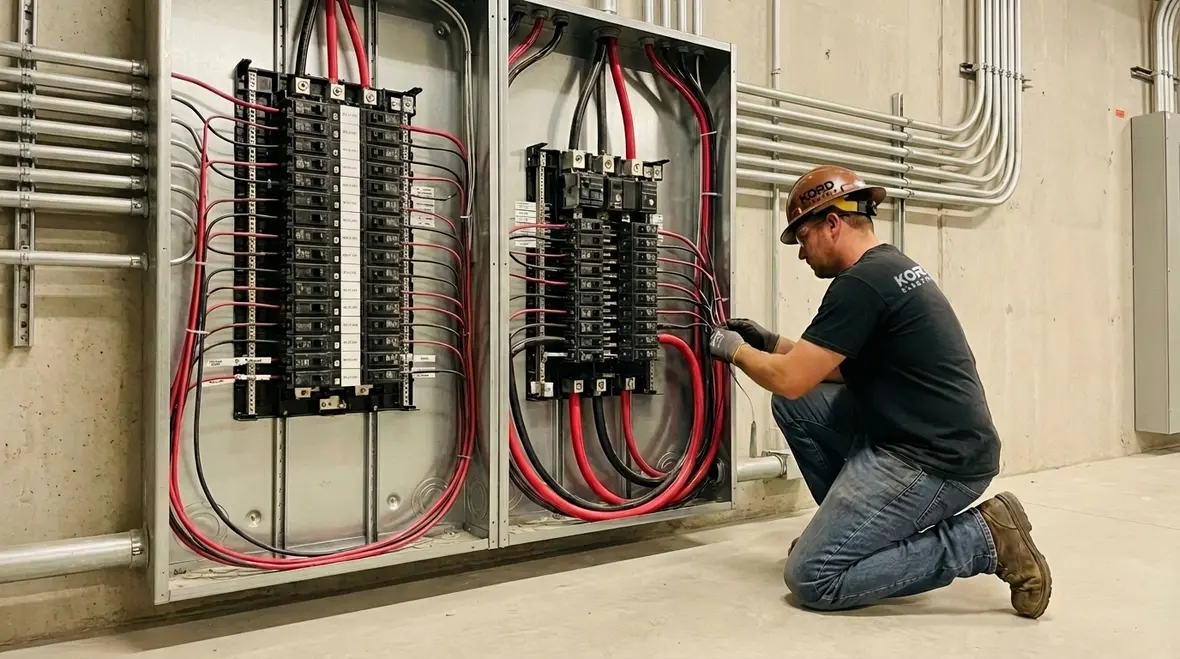
Third, clearance and workspace standards ensure technicians can safely access panels and switchgear. This is not about convenience. It is about preventing injury during maintenance. In addition, labeling requirements reduce confusion when multiple systems intersect.
Kord Electric technicians often describe these protections as a series of guardrails. You may not think about guardrails while driving, yet you are grateful for them when the unexpected happens. Likewise, a well designed system built to wiring code california standards quietly protects operations every day.
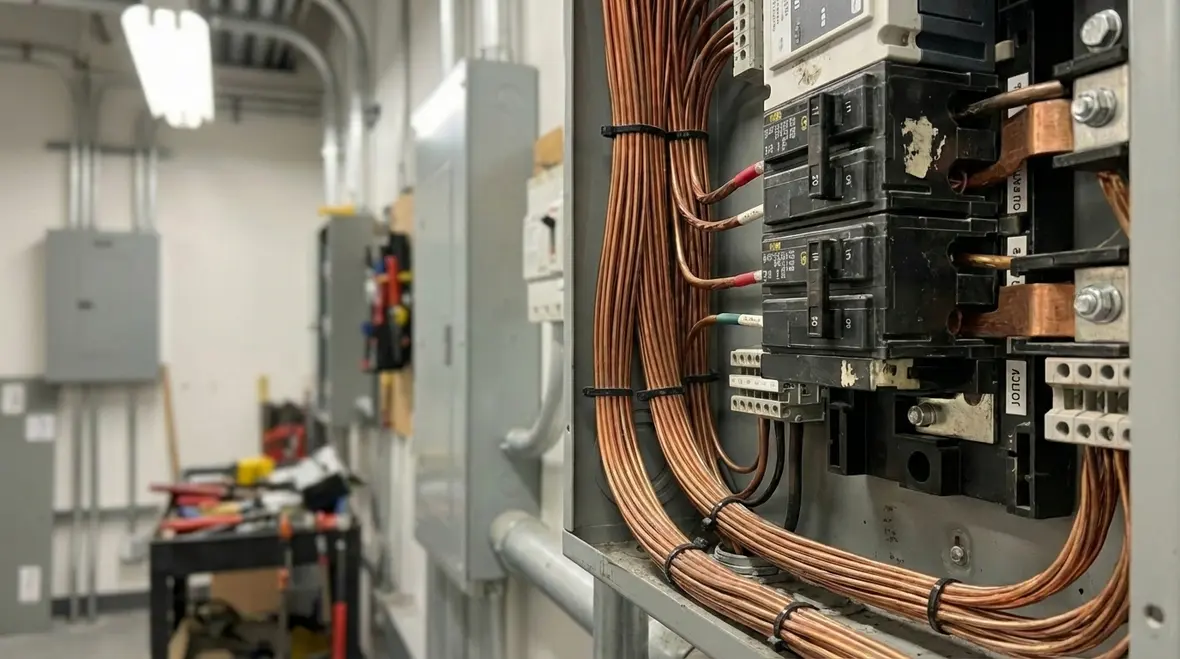
These guardrails extend beyond wiring alone. In many large facilities, preventive maintenance programs help verify that breakers still trip as designed, terminations remain tight, and temperature rises stay within limits. Pairing strong initial design with ongoing care closes the loop between code intent and real-world performance.
Core Components of Code Compliant Commercial Wiring
Every compliant system rests on several pillars. Although each facility is unique, certain elements consistently demand attention.
Load Analysis and Distribution
Engineers must evaluate total connected load, demand factors, and future expansion. Consequently, service entrances, transformers, and panelboards are sized for both present and anticipated needs. Kord Electric works closely with property managers to forecast growth, because industrial operations rarely shrink.
Thoughtful load analysis also improves power quality. When circuits are balanced, equipment experiences fewer voltage swings, motors last longer, and nuisance tripping decreases. In other words, wiring code california guidelines around loading are not simply about avoiding fines; they are about building resilient infrastructure that behaves predictably under stress.
Grounding and Bonding
Grounding creates a safe path for fault current. Bonding ensures metal parts remain at the same potential. Together, they reduce shock risk and protect equipment. Moreover, inspections often focus heavily on these systems, since improper grounding can undermine an otherwise solid installation.
In large switchgear rooms, mechanical rooms, and production floors, proper bonding can be the quiet hero that never makes headlines. When a fault occurs, those seemingly boring connections direct energy away from people and into the protective devices designed to handle it.
Overcurrent Protection
Breakers and fuses must coordinate properly. Selective coordination is especially important in hospitals, data centers, and manufacturing plants. In other words, a minor fault in one area should not plunge an entire building into darkness like a dramatic movie scene.
Achieving that coordination requires careful study of trip curves, short-circuit ratings, and available fault current. Skilled commercial electricians build these protections into the design so that when something does go wrong, it is contained to the smallest possible footprint.
Conduit and Cable Management
Routing methods must meet fire resistance, support spacing, and fill capacity rules. Additionally, proper cable management simplifies maintenance and future upgrades. Kord Electric service staff often point out that neat installations are not just about pride. They are about traceability and safety.
From tray routing above ceilings to underground conduits feeding remote buildings, wiring code california requirements keep conductors supported, protected, and identifiable. When expansions or repairs are needed, clear pathways and organized conductors turn a potential headache into a manageable task.
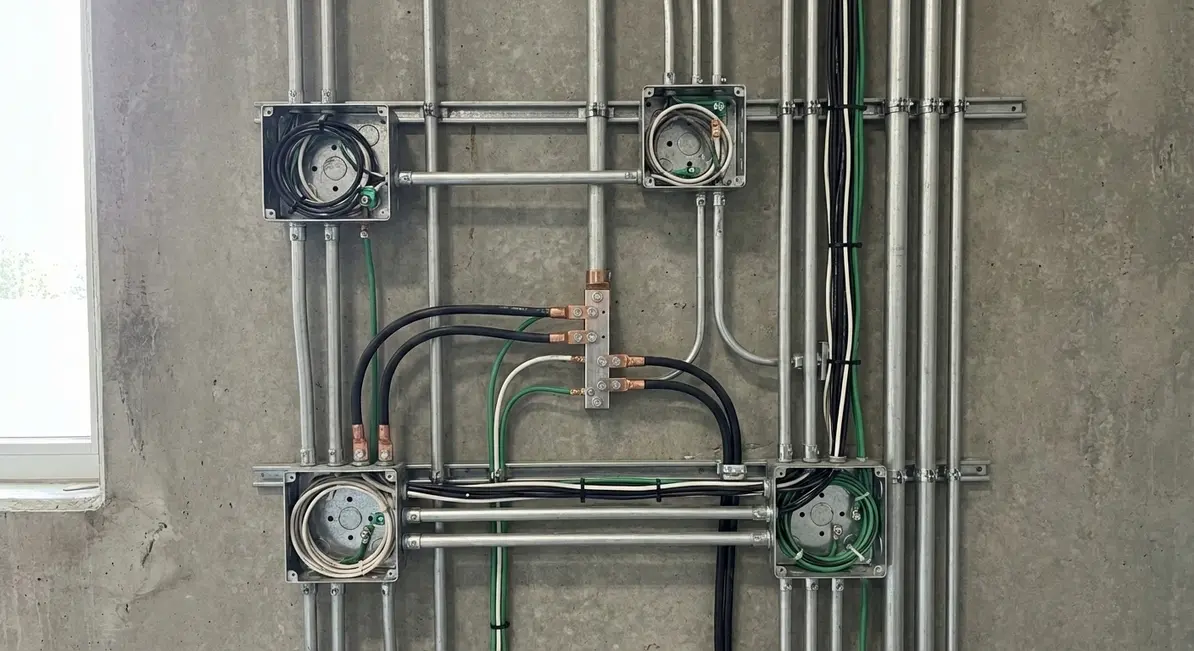
In many modern facilities, lighting, controls, and specialty systems all share overhead pathways. Thoughtful conduit and cable planning keeps these systems compliant and reduces the chance that a quick field change today turns into a future violation.
Common Code Violations in Industrial Properties and How to Avoid Them
Even well managed facilities can drift out of compliance over time. Equipment changes. Production lines expand. Temporary fixes become permanent. However, codes do not relax simply because operations get busy.
Below is a side by side look at frequent issues and practical prevention strategies.
|
Common Issue
|
Prevention Strategy
|
Because industrial settings evolve quickly, periodic audits become essential. Kord Electric conducts detailed assessments aligned with wiring code california requirements. As a result, facility managers receive clear reports and practical recommendations rather than vague warnings.
Pairing those audits with structured preventive maintenance programs helps facilities catch small issues early. For example, a panel that repeatedly runs warm or a circuit that trips during peak production often points to an underlying code-related problem. Addressing the root cause keeps minor symptoms from becoming major outages.
The Role of Expert Technicians in Code Compliance
Regulations may fill pages, yet people bring them to life. Kord Electric relies on seasoned technicians who combine field experience with ongoing training. Furthermore, they understand that commercial and industrial clients expect minimal disruption.
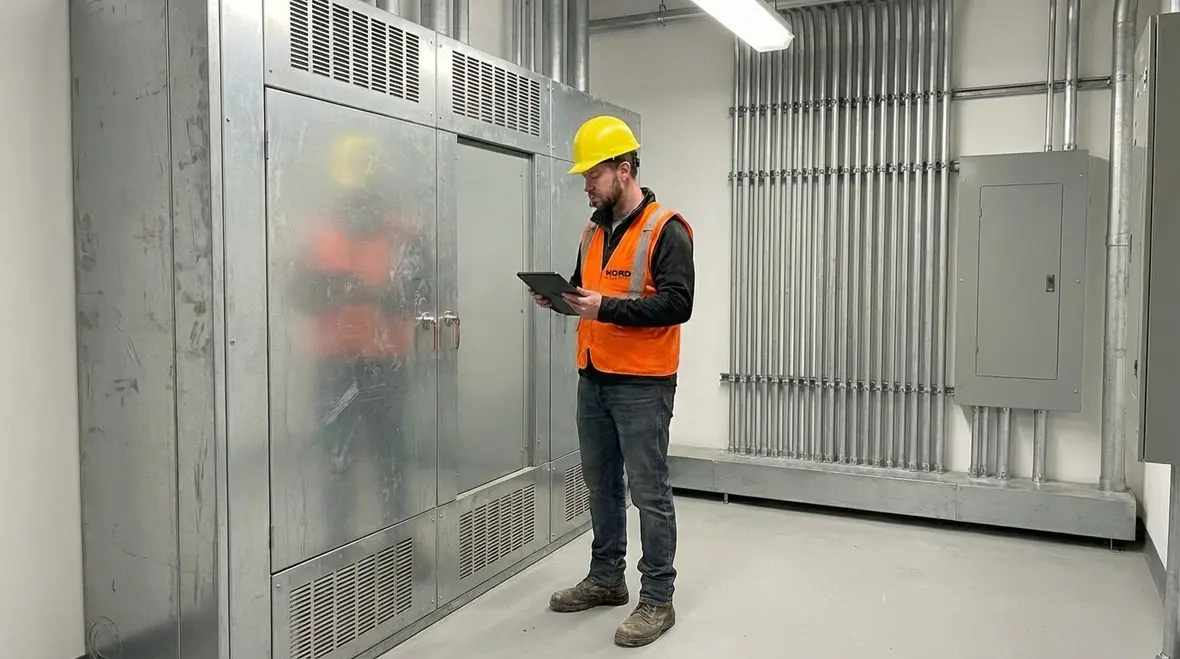
When evaluating a switchgear room or reviewing blueprints for a distribution upgrade, their team explains each step in calm, direct language. They discuss conductor ratings, fault current calculations, and panel capacities without overwhelming stakeholders. Meanwhile, they remain meticulous about documentation, since inspections often hinge on accurate records.
There is also a human element. During walkthroughs, technicians sometimes compare electrical systems to orchestras. Each component plays a role. If one section rushes ahead or falls behind, the entire performance suffers. It is a fitting image. After all, a facility humming smoothly feels a bit like a well conducted symphony, minus the tuxedos.
In high-stakes environments like data centers, laboratories, and complex campuses, that combination of technical depth and clear communication allows decision-makers to move projects forward with confidence rather than hesitation.
Planning New Construction and Major Retrofits Under Wiring Code California
New builds and large retrofits present both opportunity and risk. On one hand, teams can design systems from the ground up. On the other, mistakes at this stage become expensive lessons.
Early collaboration proves critical. Kord Electric works alongside architects, engineers, and project managers from the planning phase. Consequently, service size, transformer placement, and distribution pathways align with both operational needs and code mandates.
For instance, energy efficiency standards often intersect with wiring requirements. Lighting controls, metering systems, and backup power solutions must meet state regulations. Therefore, integrated planning prevents last minute redesigns.
Additionally, industrial retrofits require careful sequencing. Facilities rarely shut down completely. Instead, upgrades occur in phases. Kord Electric coordinates temporary power solutions and safe tie ins so operations continue smoothly. Compliance with wiring code california standards remains central throughout the process.
In many projects, that planning also extends to future flexibility—leaving capacity for later EV charging stations, additional production lines, or expanded cooling loads without violating code when those changes arrive.
Maintenance Strategies That Support Long Term Compliance
Installation marks the beginning, not the end. Over time, vibration, heat, dust, and operational stress affect electrical systems. Consequently, preventive maintenance becomes the guardian of compliance.
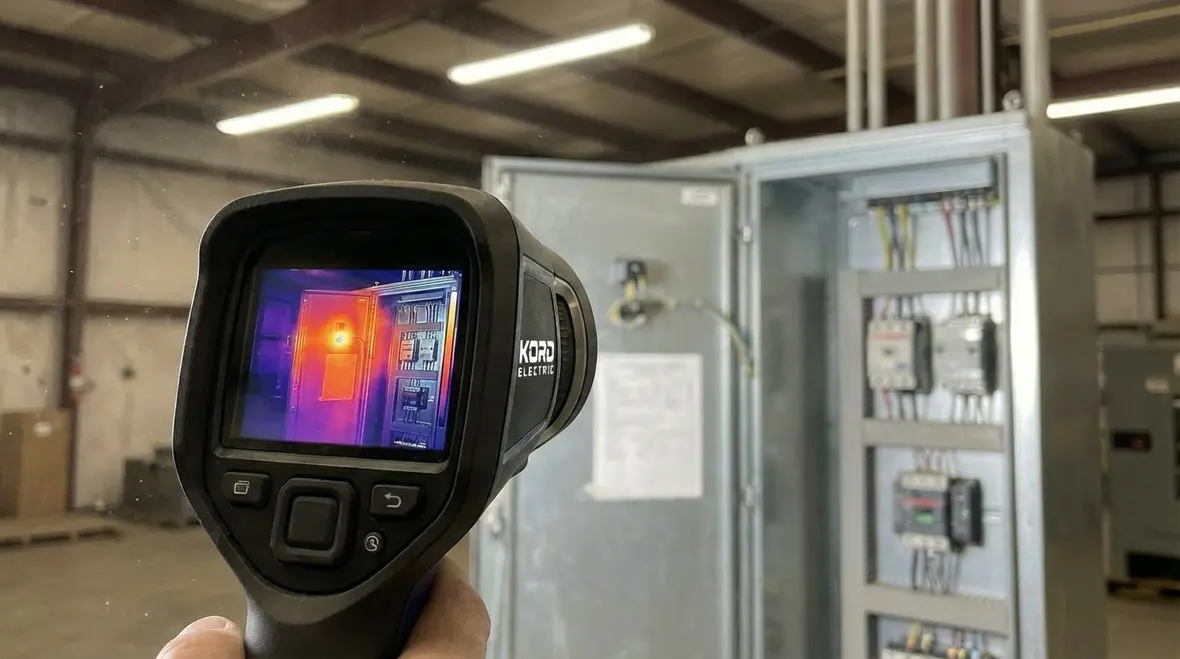
Thermal imaging inspections detect hot spots before they escalate. Torque checks verify that connections remain secure. In addition, breaker testing confirms that protective devices respond within required parameters. These steps support ongoing alignment with wiring code california guidelines.
Documentation also plays a role. Updated panel schedules, single line diagrams, and maintenance logs create transparency. When inspectors arrive, organized records demonstrate diligence. More importantly, they help facility managers track system evolution.
There is a certain satisfaction in opening a panel and finding clean labeling and orderly conductors. It signals discipline. It whispers that someone cared enough to do the job right. Kord Electric believes that quiet confidence is worth pursuing.
For organizations that prefer a structured approach, partnering with a dedicated electrical preventive maintenance provider ensures inspections, testing, and adjustments happen on a defined schedule instead of only after problems appear.
Future Trends and Code Evolution in California
Electrical codes evolve alongside technology. Renewable energy integration, battery storage systems, and advanced automation introduce new considerations. Therefore, staying informed is not optional for large facilities.
California often leads in energy policy. As a result, updates to wiring code california provisions may address sustainability, resilience, and grid interaction. Industrial facilities installing solar arrays or energy storage must navigate interconnection rules and protective requirements carefully.
Kord Electric monitors these changes closely. Their team participates in ongoing training and reviews code updates as they emerge. Consequently, clients receive guidance that reflects current standards rather than outdated assumptions.
While regulations may shift, the underlying goal remains constant. Protect people. Protect property. Keep systems reliable. In that sense, the mission feels timeless, almost cinematic. Progress in equipment and controls means little if the underlying wiring cannot support it safely.
Frequently Asked Questions
Related Considerations for Code-Compliant Electrical Systems
While wiring code california requirements provide the backbone of safe installations, real-world facilities often face overlapping issues like voltage fluctuations, aging lighting systems, and uneven loading. Addressing those challenges proactively helps preserve compliance and extend equipment life.
For example, resolving chronic voltage instability protects sensitive electronics and reduces the stress that can push systems toward failure. Likewise, upgrading outdated lighting infrastructure not only improves visibility and safety but also ensures fixtures, controls, and circuits stay aligned with current code expectations.
Conclusion and Next Steps
Electrical systems form the backbone of every commercial and industrial facility. When they align with wiring code california standards, they deliver safety, stability, and confidence. Kord Electric stands ready with experienced technicians, clear communication, and disciplined execution. If your property demands precision and professionalism, their team will guide the process from assessment to completion. Reach out today, and let compliance become a strength rather than a question mark.
Whether you are planning a new facility, correcting long-standing issues, or simply want to verify that your current infrastructure matches today’s requirements, partnering with a commercial electrical expert makes the path forward clearer. From thorough inspections and preventive maintenance to targeted upgrades that resolve high-risk conditions, each step moves your facility closer to a safer, more resilient electrical backbone.
When you are ready to turn wiring code california compliance into a strategic advantage rather than an afterthought, schedule a consultation with a licensed commercial electrician. With the right partner in place, your electrical system can support growth, innovation, and day-to-day operations with the quiet confidence that only a well-designed, well-maintained, and fully compliant installation can provide.