Aluminum Wiring Fire Hazard and Copper Replacement
In many commercial and industrial buildings constructed between the mid 1960s and late 1970s, aluminum wiring quietly powers lights, panels, and production lines. At the time, it offered a cost effective alternative to copper. However, as facilities age and loads increase, that same wiring can evolve into a serious fire hazard. Connections loosen. Heat builds. Risk grows. For property managers overseeing large buildings, the conversation often turns to inspection, mitigation, or full copper replacement. At Kord Electric, our technicians and expert service staff guide clients through these decisions with clarity and calm authority, ensuring every step protects both operations and people.
Understanding Aluminum Wiring in Commercial and Industrial Buildings
Large facilities demand large amounts of power. During the copper shortages decades ago, aluminum conductors became a practical solution for branch circuits and feeder lines. They were lighter, less expensive, and widely available. For sprawling office complexes, manufacturing plants, and institutional buildings, the choice made financial sense.
However, aluminum behaves differently than copper. It expands more when heated. It contracts more when cooled. Over time, that movement stresses terminations at breakers, lugs, and receptacles. Consequently, what began as a solid connection may slowly loosen. In high load commercial environments, even a small gap can create resistance.
Resistance creates heat. Heat, when ignored, creates trouble.
In modern industrial settings where equipment runs long hours and electrical demand rarely takes a holiday, these small issues compound. Moreover, many facilities have undergone renovations that increased load without fully upgrading legacy conductors. The result is an aging system asked to perform like it just stepped out of a superhero origin story. Unfortunately, aluminum does not wear a cape.
Why Aluminum Wiring Becomes a Fire Hazard Over Time
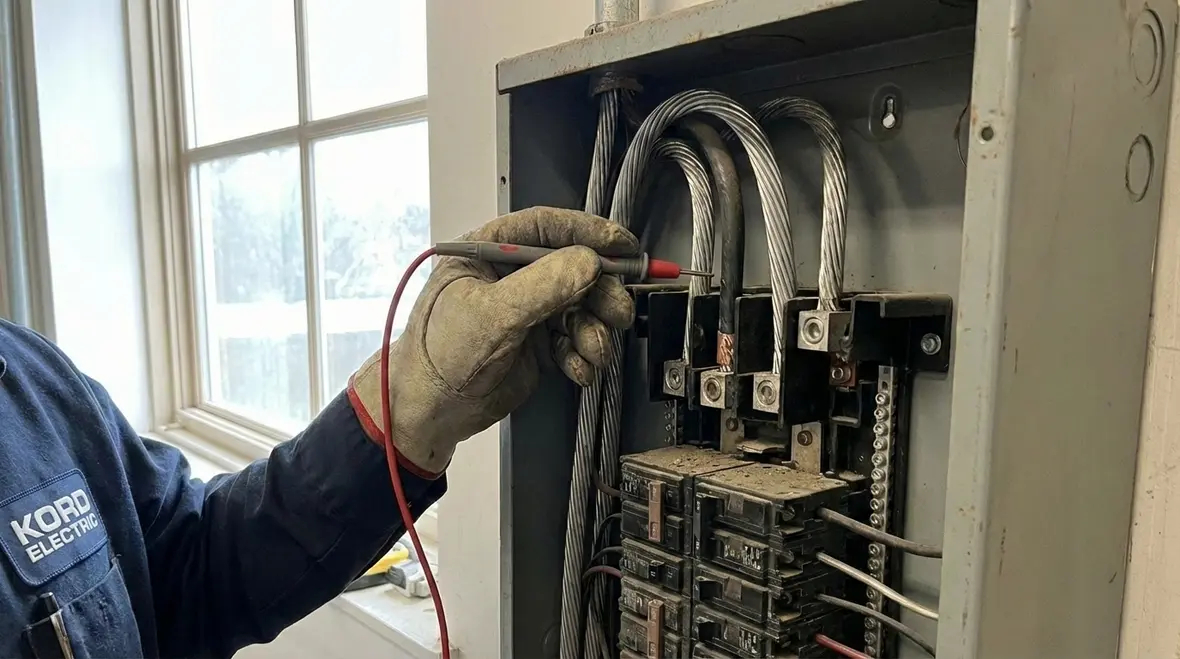
The risk does not appear overnight. Instead, it develops quietly, connection by connection. Aluminum oxidizes when exposed to air. That oxidation increases resistance at contact points. Additionally, its expansion rate places stress on terminals designed decades ago for different materials.
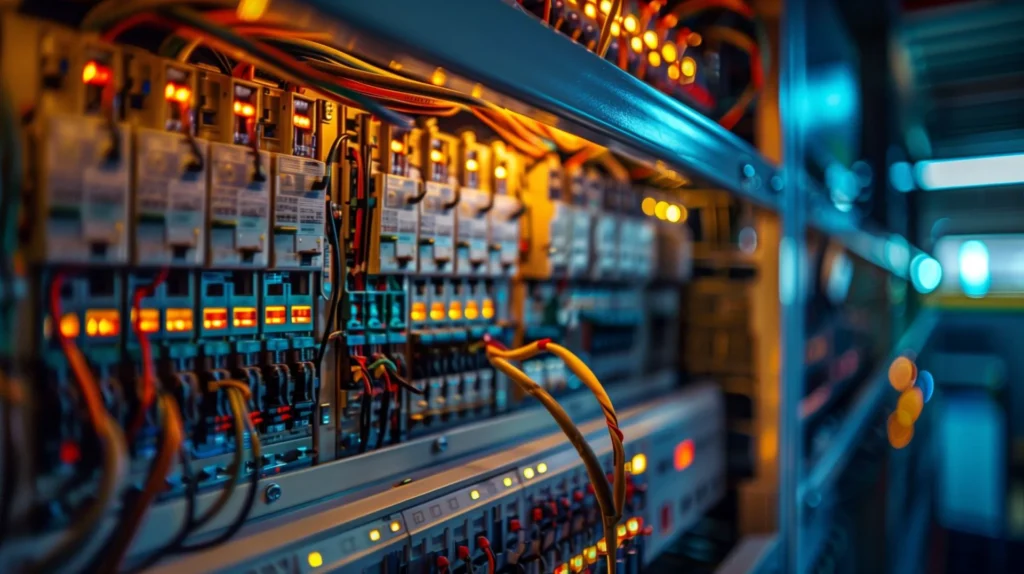
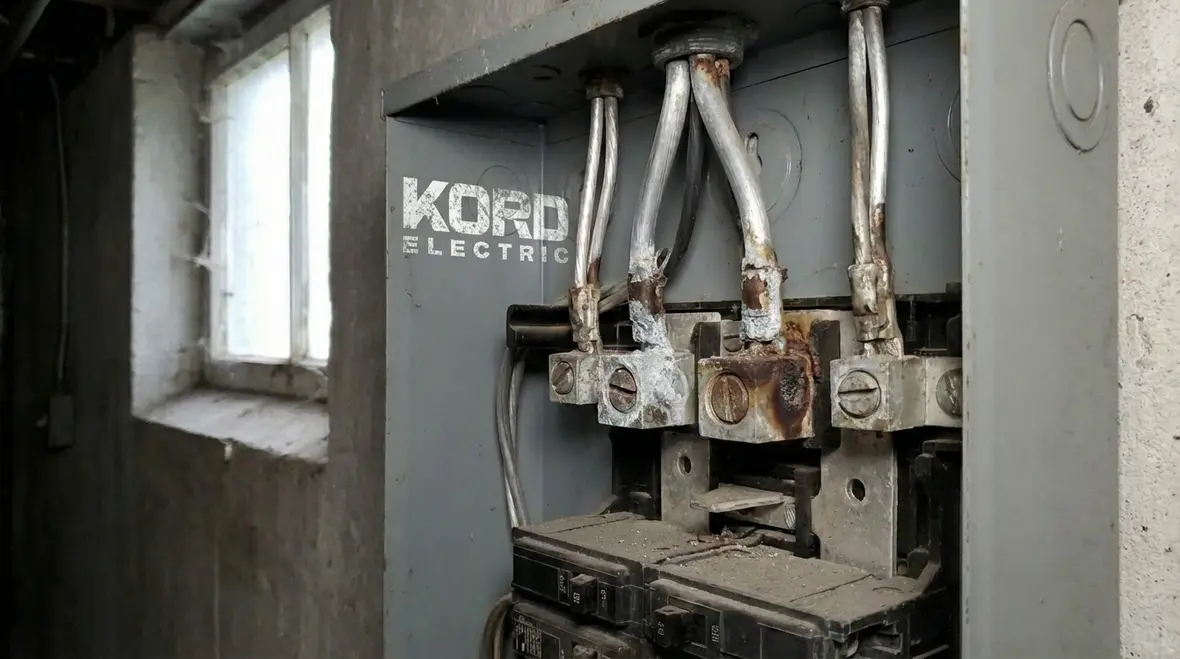
When resistance rises, heat follows. In enclosed panels or junction boxes, that heat may not dissipate quickly. Therefore, insulation can degrade. Terminals can discolor. In severe cases, arcing can occur. In large commercial properties, where panels serve multiple tenants or departments, the stakes climb higher.
It is important to understand that not every building with aluminum conductors faces immediate danger. Nevertheless, without proper mitigation, the potential for a fire hazard increases as systems age. High demand machinery, server rooms, HVAC systems, and production lines intensify the stress on every connection.
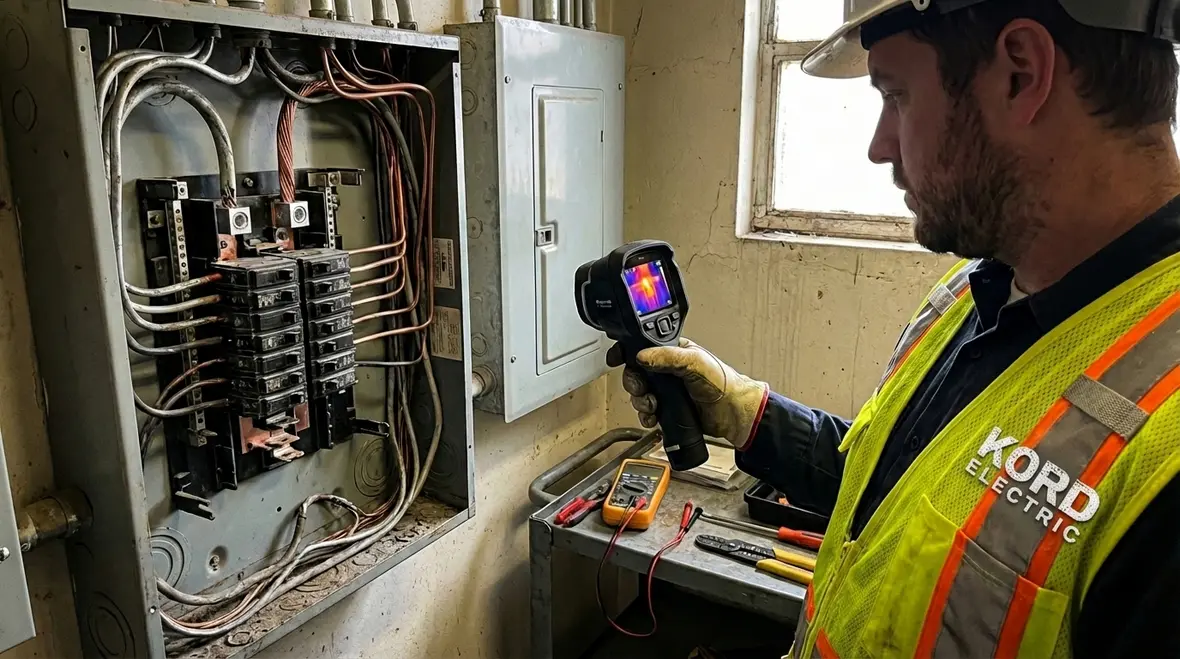
At Kord Electric, our expert service staff approach these systems with methodical precision. They open panels, evaluate terminations, measure loads, and check for signs of overheating. They do not rely on guesswork. Instead, they rely on training, experience, and a healthy respect for what unseen heat can do.
And yes, sometimes they find connections so loose that even a gentle nudge tells the story. It is the electrical equivalent of a handshake that never quite meets the palm.
What Are the Real Risks for Large Facilities?
Property managers often ask what aluminum conductors actually mean for their buildings. The answer depends on age, load, maintenance history, and previous modifications.
First, there is operational risk. Loose or overheated connections can cause nuisance tripping. Production lines may stop unexpectedly. Tenants may lose power. Data systems may reset at the worst possible time. Consequently, downtime costs can rise quickly.
Second, there is financial exposure. Insurance carriers increasingly scrutinize older electrical systems. If documentation does not demonstrate proper inspection and mitigation, premiums may increase. In some cases, coverage may require documented upgrades or repairs. Partnering with a commercial electrical maintenance team that understands these pressures, such as Kord Electric’s electrical preventive maintenance services, helps keep both paperwork and infrastructure aligned.
Third, and most serious, is the potential fire hazard. Electrical fires in commercial buildings often begin at connection points. Because aluminum expands and contracts more than copper, poorly maintained terminations can become ignition points under sustained load.
However, risk does not mean inevitability. With professional evaluation and corrective measures, many facilities operate safely for years. The key lies in proactive management rather than reactive response.
Inspection and Mitigation Strategies That Work
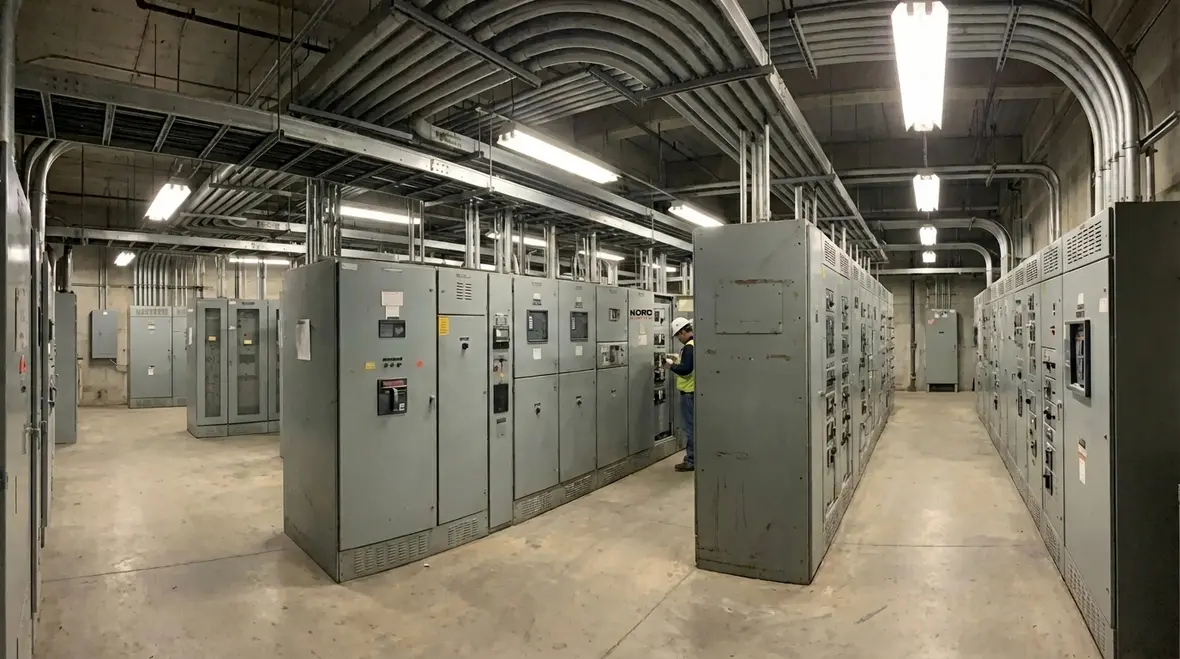
Effective solutions begin with thorough assessment. At Kord Electric, our technicians follow a structured process tailored for commercial and industrial properties.
They start with load analysis. By measuring actual demand on circuits and feeders, they determine whether conductors operate within safe limits. Next, they inspect panels, switchgear, and distribution points for discoloration, loose lugs, and improper terminations. Thermal imaging often reveals hidden hot spots before they escalate.
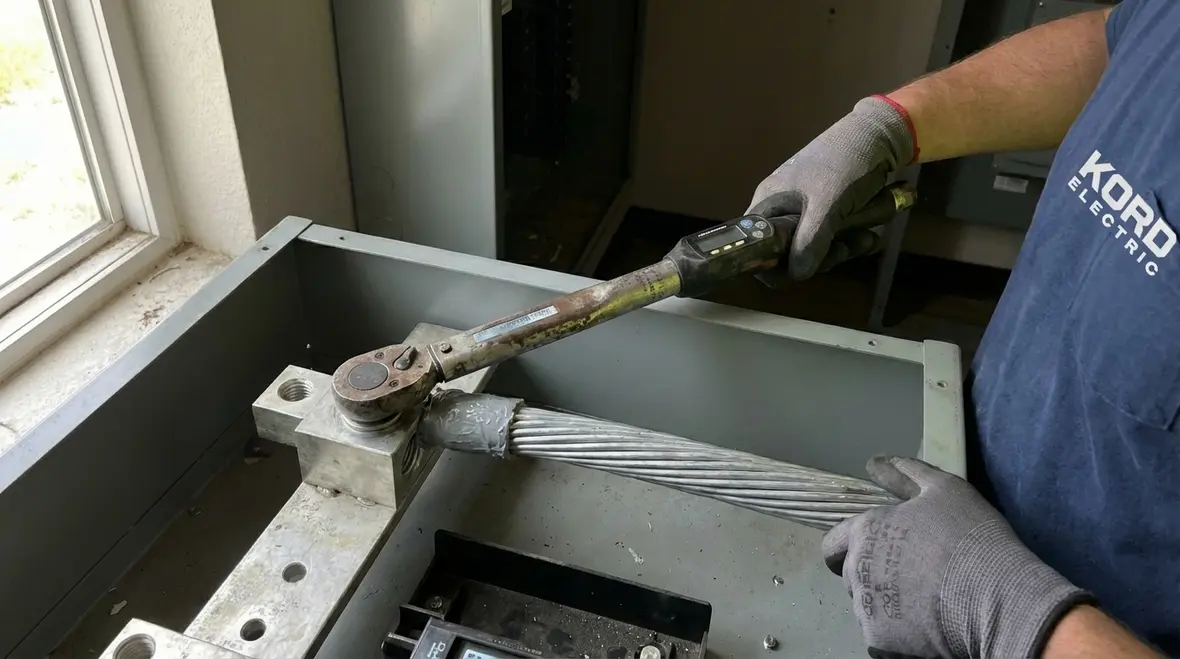
Once identified, problem connections can be corrected using approved connectors, antioxidant compounds, and proper torque specifications. In many cases, this targeted approach reduces the immediate fire hazard without requiring full system replacement.
However, mitigation has limits. If conductors show extensive damage, insulation breakdown, or repeated overheating, partial repairs may only delay larger issues. Therefore, our expert service staff present findings clearly, explaining both short term fixes and long term strategies.
They do not deliver technical jargon like a rapid fire auctioneer. Instead, they explain conditions in plain language, so decision makers understand not only what is happening, but why it matters.
Aluminum Wiring vs Copper Replacement in Modern Facilities
Eventually, many building owners consider copper replacement as a permanent solution. Copper offers greater conductivity and lower thermal expansion. It forms more stable connections over time. For high load commercial environments, these properties provide long term reliability.
Below is a simplified comparison that property managers often find helpful.
|
Aluminum Conductors Lighter material Higher expansion rate More sensitive to loose terminations Requires careful inspection and maintenance |
Copper Conductors Higher conductivity Lower expansion rate More stable long term connections Often preferred for critical systems and upgrades |
While copper replacement often reduces long term risk, it also requires careful planning. In active commercial buildings, electrical shutdowns must be coordinated. Production schedules must be respected. Tenants must be notified. Therefore, successful upgrades demand both technical skill and logistical precision.
Kord Electric specializes in phased upgrades for major properties. Our technicians map circuits, schedule controlled outages, and maintain clear communication with facility teams. Consequently, businesses continue operating with minimal disruption while improvements move forward.
Think of it as open heart surgery for your electrical system, except the patient keeps walking around and attending meetings.
How Kord Electric Guides Commercial Clients
Large facilities require more than quick fixes. They require strategy. At Kord Electric, our approach begins with listening. Our expert service staff meet with property managers, engineers, and operations leaders to understand goals, budgets, and timelines.
Next, we provide detailed reports supported by images, load data, and clear recommendations. We outline immediate safety concerns, potential fire hazard points, and long term modernization options. Because transparency builds trust, we explain costs and benefits without pressure.
Moreover, our technicians stay current with code updates and industry standards. Electrical systems do not exist in isolation. They interact with fire alarm systems, emergency power, and specialized industrial equipment. Therefore, any plan involving aluminum wiring or copper replacement must consider the entire ecosystem.
Throughout each project, we prioritize communication. If conditions change behind a panel wall or inside a junction box, we inform stakeholders promptly. Surprises belong in birthday parties, not in electrical rooms.
Planning for the Future Without Disrupting Operations
For many commercial and industrial properties, full copper replacement occurs in phases. Rather than replacing every conductor at once, facility managers often prioritize high load areas, critical equipment circuits, and panels showing signs of stress.
This phased approach offers several benefits. First, it spreads capital expense over time. Second, it allows ongoing evaluation of system performance after each upgrade. Third, it reduces operational disruption by limiting shutdowns to targeted areas.
However, successful phasing requires accurate documentation. Our technicians label circuits clearly, update panel schedules, and maintain detailed records. Consequently, future maintenance teams can navigate systems confidently.
Additionally, we often recommend integrating energy monitoring during upgrades. By tracking real time loads, facilities gain insight into demand patterns. Over time, this data supports smarter expansion and prevents overloading that could recreate a fire hazard in newly installed systems.
In other words, modernization should not simply replace metal with metal. It should build a foundation for smarter power management.
Frequently Asked Questions
Conclusion and Next Steps
Electrical systems rarely ask for attention until something goes wrong. However, proactive evaluation of aluminum wiring, mitigation of potential fire hazard points, and strategic copper replacement planning protect both property and people. Kord Electric stands ready to guide commercial and industrial facilities with steady expertise and clear communication. When it is time to assess, upgrade, or modernize, our technicians will step in with confidence, precision, and a plan built for the long haul.
For facilities experiencing voltage instability, panel overheating, or unexplained shutdowns, pairing aluminum wiring evaluation with services like voltage fluctuation diagnostics and repair ensures that both conductors and power quality are addressed together. This holistic approach helps prevent equipment damage, nuisance trips, and hidden failure points that could turn into fire hazards over time.
When you are ready to take the next step, schedule a structured assessment and plan your upgrades around operations, not the other way around. Kord Electric’s commercial and industrial team can integrate aluminum wiring inspections into broader programs such as electrical preventive maintenance, giving you a clear roadmap from today’s conditions to tomorrow’s safer, smarter infrastructure. Reach out to Kord Electric and let us power your future safely.