Arc Fault Protection for Commercial Facilities
Arc Fault Protection Guide for Commercial and Industrial Facilities
In every commercial tower, industrial plant, and large property building, electricity moves like a silent workforce behind the walls. It powers production lines, elevators, server rooms, and life safety systems without applause. Yet when wiring fails, that same power can turn destructive. That is where arc fault protection steps in. At Kord Electric, the focus remains clear. Protect the facility. Protect the people. Protect the investment. Their technicians and expert service staff explain this topic with calm authority, because they know that when building owners understand the risk, they make better decisions.
Throughout this guide, Kord Electric walks through how arc fault detection works, why it matters in commercial and industrial environments, and how professional installation keeps properties compliant and safe. While the subject may sound technical, the goal here is simple. Make it clear. Make it useful. And yes, maybe make it a little more interesting than your average code manual.
Understanding Arc Fault Protection in Commercial Systems
An arc fault occurs when electrical current jumps across a gap in damaged, loose, or deteriorated wiring. Instead of flowing smoothly through a conductor, the electricity creates a spark. That spark generates intense heat. Over time, that heat can ignite surrounding materials such as insulation, dust, or structural elements. In large facilities, that risk multiplies because of extended wiring runs, heavy equipment loads, and aging infrastructure.
Arc fault protection devices monitor electrical waveforms and detect the unique signature of dangerous arcing. When the device senses a problem, it interrupts the circuit before heat builds to a critical level. In other words, it stops trouble before trouble has a chance to stretch its legs.
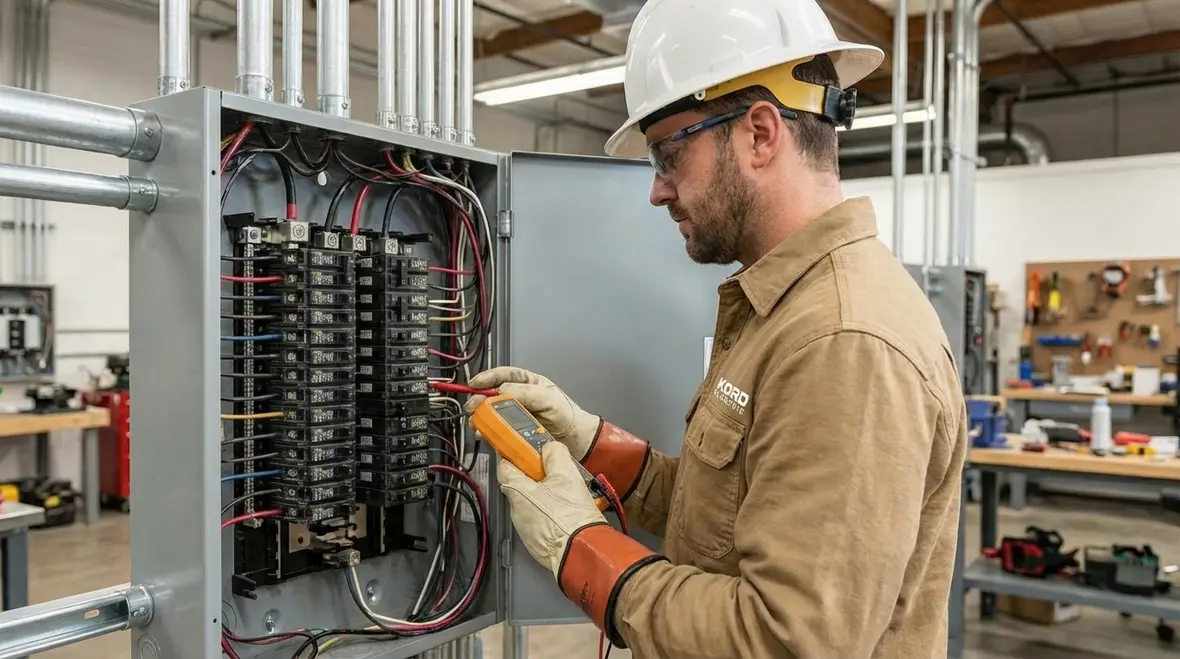
However, commercial and industrial systems differ greatly from residential setups. They carry higher loads, serve complex distribution networks, and often operate around the clock. Because of that, protection strategies must align with panel capacity, feeder design, and code requirements specific to business properties. Kord Electric ensures that every solution fits the scale and purpose of the building rather than applying a one size fits all approach.
Why Large Facilities Face Higher Arc Risks
Commercial and industrial buildings operate under constant demand. Manufacturing lines cycle on and off. Data centers hum day and night. Office towers power lighting, HVAC, and elevators for thousands of occupants. As a result, electrical systems experience vibration, thermal expansion, and gradual wear.
Over time, connections loosen. Insulation breaks down. Dust collects in panel boards. Although each issue may appear minor, together they create the perfect environment for electrical arcing.
Additionally, large properties often undergo renovations. New equipment ties into older distribution systems. Temporary circuits become permanent. Without proper review, hidden weaknesses remain inside walls and conduits.
Kord Electric technicians regularly explain that arc faults do not announce themselves with flashing lights and dramatic music. They hide quietly. Therefore, proactive inspection and properly installed arc fault detection devices become essential for risk control.
Moreover, insurance carriers increasingly review electrical safety measures in commercial spaces. Facilities that lack modern protective devices may face higher premiums or stricter compliance demands. Consequently, investing in prevention not only reduces fire risk but also strengthens long term financial stability.
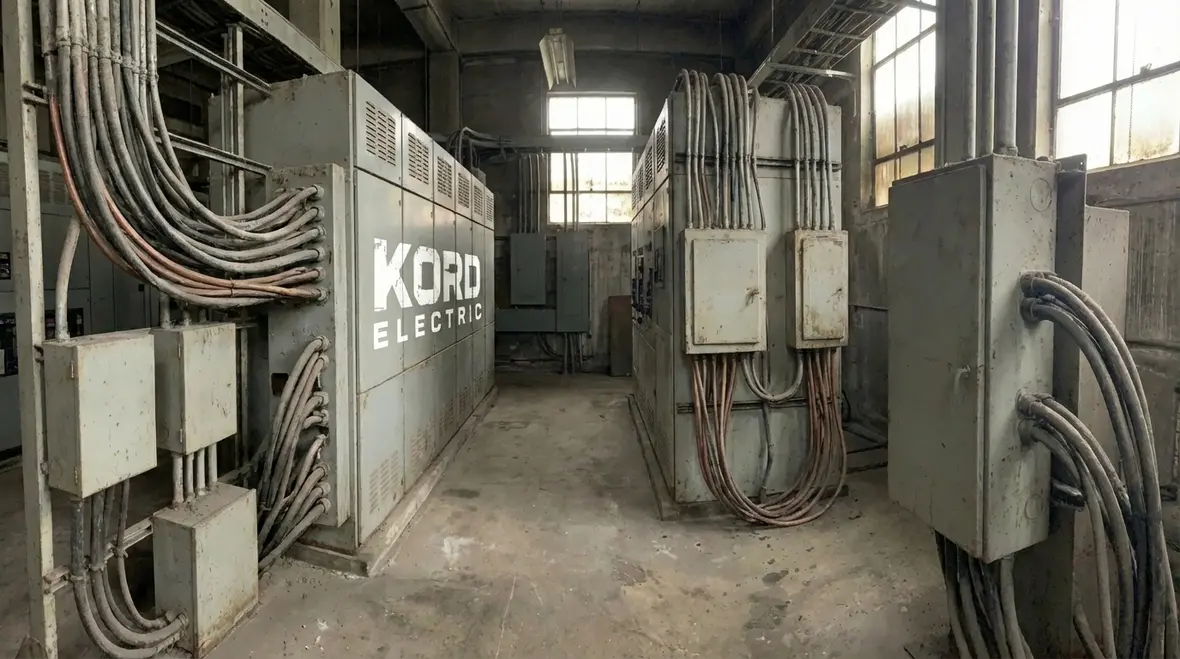
To further reduce risk from hidden issues like loose connections, outdated components, and thermal hotspots, many facility managers pair arc fault protection with structured electrical preventive maintenance programs that keep large systems stable year round.
How Does Arc Fault Protection Actually Work?
Arc fault protection works by analyzing the electrical current pattern within a circuit. Normal electricity follows a smooth waveform. Dangerous arcing, on the other hand, produces irregular signatures with rapid fluctuations. Advanced breakers and monitoring systems detect these patterns using built in electronics.
When the device identifies a hazardous arc, it trips the circuit almost instantly. This rapid interruption limits heat generation and prevents ignition. Unlike traditional breakers that respond mainly to overload or short circuit conditions, arc fault devices focus on subtle irregularities that standard protection may overlook.
In commercial environments, the design must account for equipment startup currents and operational noise. For example, motors and variable frequency drives create electrical signatures that could confuse lower grade devices. Therefore, Kord Electric evaluates load characteristics before specifying equipment. Their expert service staff explain these details clearly so facility managers understand why product selection matters.
Furthermore, modern systems often integrate with building management platforms. This integration allows maintenance teams to track trips, review data, and respond quickly. Instead of guessing which panel caused a shutdown, teams receive precise information. That efficiency reduces downtime and protects productivity.
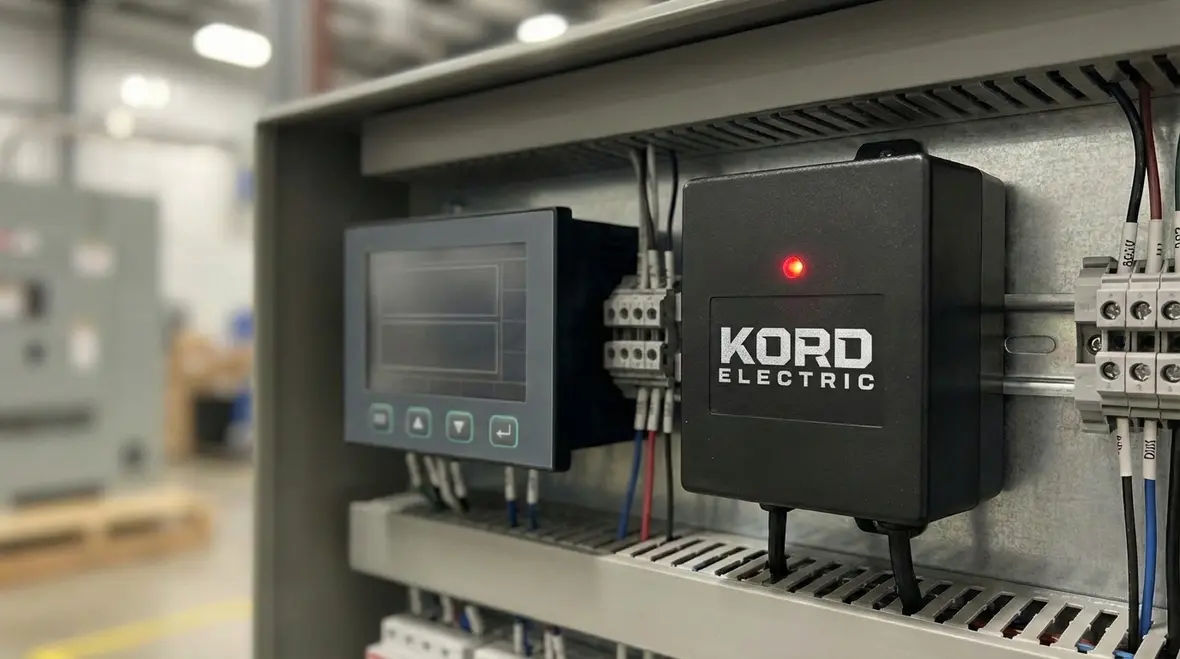
Arc Fault Protection and Electrical Code Compliance
Electrical codes evolve as safety research advances. In recent cycles, code bodies have expanded requirements for arc fault protection in various occupancies. While not every commercial circuit requires an arc fault device, many mixed use, multifamily, and certain commercial spaces fall under updated guidelines.
Kord Electric stays current with national and local codes that govern large facilities. Because requirements differ by jurisdiction and building type, a careful review becomes critical before installation or renovation. Their technicians assess panel schedules, branch circuits, and occupancy classifications to determine where arc fault protection devices apply.
Additionally, compliance does not stop at installation. Documentation, labeling, and testing procedures must meet inspection standards. Therefore, Kord Electric provides clear records and commissioning support. This structured approach helps property managers pass inspections with confidence rather than crossing fingers and hoping for the best.
Moreover, code compliance demonstrates due diligence. In the event of an incident, documented adherence to recognized standards strengthens a facility’s legal and insurance position. While no one enjoys thinking about worst case scenarios, responsible planning always beats regret.
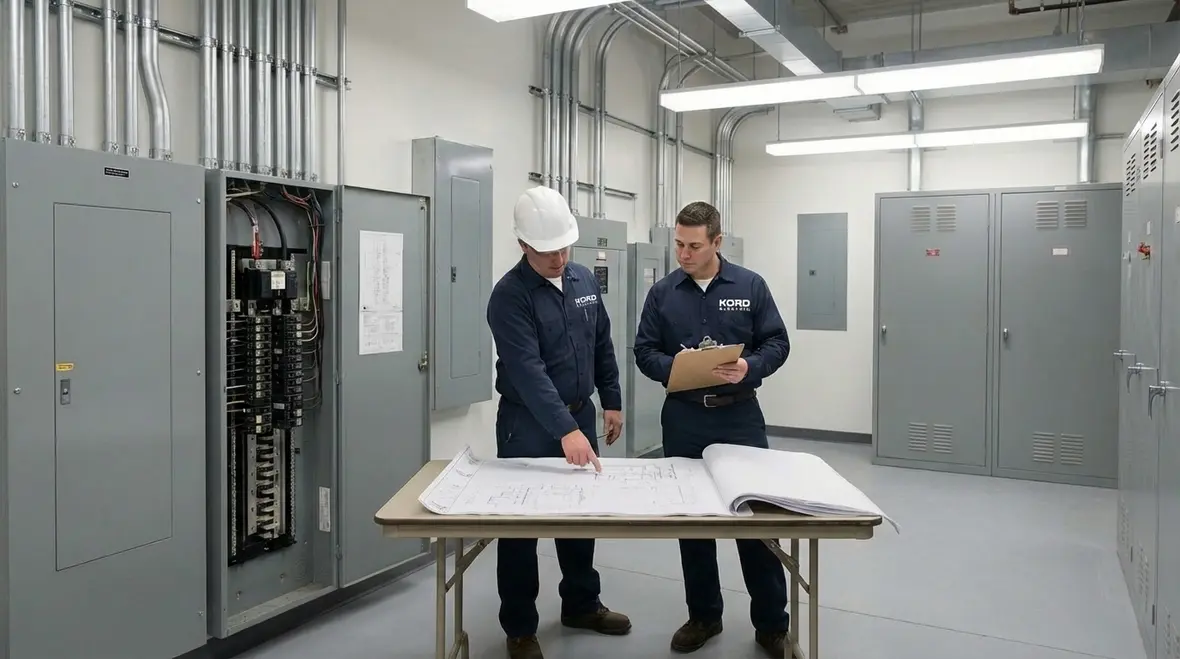
Dual Column Insight: Common Causes and Preventive Measures
Column One: Common Causes in Commercial and Industrial Settings
- Loose terminal connections in distribution panels
- Damaged insulation from vibration or heat
- Overloaded circuits serving added equipment
- Aging conductors in older facilities
- Improperly installed modifications during renovations
Column Two: Preventive Measures Implemented by Kord Electric
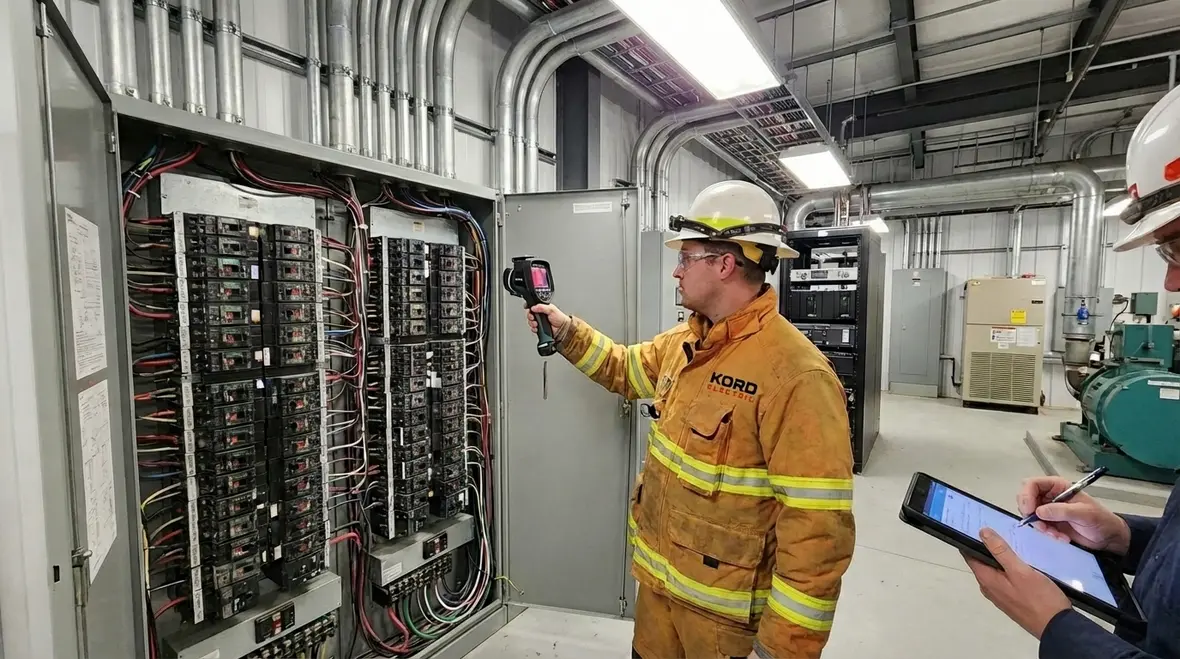
- Thermal imaging and torque verification during maintenance
- Targeted upgrades with modern arc fault detection devices
- Load analysis before equipment expansion
- Replacement of deteriorated wiring in high risk zones
- Detailed review of all retrofit work to ensure compliance
When viewed side by side, the pattern becomes clear. Most arc events stem from gradual wear or unmanaged change. Therefore, prevention relies on disciplined inspection, smart upgrades, and professional oversight. Kord Electric approaches each facility like a living system that needs regular care rather than occasional emergency fixes.
Designing a Protection Strategy for Major Property Buildings
Every large building carries its own electrical personality. A hospital differs from a warehouse. A data center operates differently than a high rise office tower. Consequently, arc fault protection strategies must reflect operational realities.
First, Kord Electric conducts a comprehensive assessment. This review includes main switchgear, subpanels, branch circuits, and critical equipment feeds. Next, their team identifies circuits that present elevated risk due to load type, environment, or occupancy density.
After that, engineers and field technicians collaborate to design a protection plan. This plan may include selective installation of arc fault breakers, system upgrades, and monitoring enhancements. Importantly, the goal is balance. Over installing devices can create nuisance trips. Under installing them leaves gaps in safety.
Because downtime costs money, implementation scheduling matters. Therefore, Kord Electric coordinates work during planned outages or low demand periods whenever possible. Their technicians communicate clearly with facility managers, explaining what will occur and why. That transparency builds trust and prevents surprises.
Additionally, staff training forms part of the strategy. Maintenance teams learn how to recognize warning signs, reset devices correctly, and document events. In this way, arc fault protection becomes part of daily operations rather than a mysterious box hidden in a panel room.
The Role of Professional Installation and Ongoing Service
Electrical protection devices perform only as well as their installation. Improper wiring, incorrect breaker sizing, or poor panel labeling can defeat even the most advanced technology. Therefore, experienced electricians must handle commercial and industrial projects.
Kord Electric employs technicians who understand complex distribution systems and high capacity panels. Their expert service staff explain each step in plain language, ensuring property managers grasp the reasoning behind recommendations. Instead of overwhelming clients with jargon, they focus on clarity.
Moreover, ongoing maintenance keeps systems reliable. Over time, environmental conditions change. Equipment loads shift. Consequently, periodic testing verifies that arc fault protection devices respond as designed. Kord Electric integrates these checks into broader preventive maintenance programs for large facilities, helping prevent issues like voltage fluctuations in commercial and industrial facilities that can stress equipment and distribution systems.
There is also a human element. When technicians walk a property regularly, they notice subtle changes. A faint odor near a panel. A warmer than usual breaker. A slight hum that was not there before. While machines detect patterns, experienced professionals sense anomalies. That combination creates a strong safety net.
And yes, sometimes the best protection is simply tightening a connection that someone forgot years ago. It may not sound heroic, but in the world of electricity, small details prevent big headlines.
FAQ: Arc Fault Safety in Commercial and Industrial Buildings
Conclusion: Partner With Kord Electric for Safer Facilities
Arc fault protection is not just a code requirement. It is a commitment to safety, reliability, and responsible facility management. Kord Electric brings experienced technicians, clear communication, and tailored solutions to every commercial and industrial project. When large properties demand serious electrical protection, they deserve a team that treats safety as a priority, not an afterthought.
For facilities that want to go a step further, pairing arc fault protection with structured electrical preventive maintenance and fast-response emergency electrical services creates a comprehensive safety net that supports uptime and long term asset protection.
Contact Kord Electric today and let their experts design a protection strategy that keeps operations strong and risks contained.