Backup Generator Solutions for Commercial Buildings
Backup Generators for Homes: A Complete Guide
When a sudden power outage hits a commercial campus or a high rise facility, the silence is never peaceful. Elevators pause. Security systems blink. Production lines freeze mid cycle. That is why our team at Kord Electric speaks about the backup generator and the standby generator with the same respect others reserve for insurance policies and fire alarms. We know what happens when the grid fails. More importantly, we know how to keep major properties running without missing a beat. In this guide, we walk through what building owners and facility managers need to understand, how our expert service staff approach each project, and why proper planning turns a crisis into a controlled response.
Although the title mentions homes, our focus remains where we work best. Large commercial buildings, industrial plants, data driven facilities, and complex properties that cannot afford to go dark.
1. Why Reliable Backup Power Matters in Commercial and Industrial Buildings
Every facility manager has a story about a blackout. However, the real question is not whether the grid will fail. It is when. Storms roll in. Equipment fails upstream. Construction crews dig where they should not. As a result, a simple utility issue can become a full operational shutdown.
For commercial and industrial properties, the stakes rise quickly. A brief power loss can mean:
- Data corruption in server rooms
- Safety risks in manufacturing environments
- Loss of climate control in sensitive storage areas
- Revenue disruption in multi tenant buildings
- Security vulnerabilities across access systems
Therefore, a properly designed backup generator system does more than provide electricity. It protects people, assets, contracts, and reputation. Our technicians often explain it this way. The generator is not just a machine. It is a silent partner that waits patiently until the grid blinks. Then it steps forward without drama. Think of it as the strong silent type in an action film. It does not speak much, but when trouble shows up, it handles business.
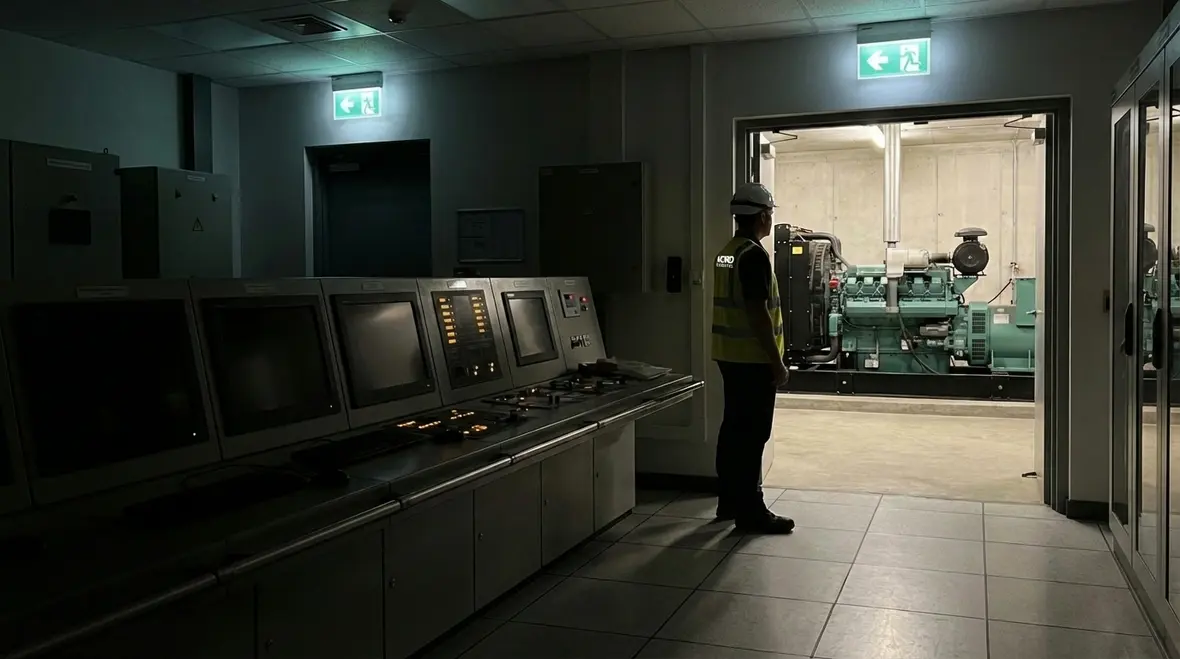
If you manage critical infrastructure like data centers or technology hubs, the need for reliable backup power becomes even more urgent. Redundant power sources, including generators and UPS systems, keep digital operations online even when the utility supply falters. That same mindset of layered protection drives how we design generator systems for commercial buildings, industrial facilities, and specialized environments just as carefully as high availability data centers.
For related insight into how power quality affects your equipment and uptime, explore how Kord Electric tackles unstable voltage and electrical reliability issues across large facilities in voltage fluctuations in commercial & industrial buildings.
2. How Does a Standby Generator Work in Large Facilities?
When clients ask this question, our expert service staff slow the conversation down and break it into clear steps. First, sensors monitor the incoming utility power. When a power outage or severe voltage drop occurs, the automatic transfer switch signals the standby generator to start. Within seconds, the system transfers the building load from the grid to the generator. Once utility service returns and stabilizes, the switch transfers power back and the generator shuts down.
However, in commercial and industrial environments, the design goes deeper than that simple sequence. We assess load priority. For example, life safety systems and critical production lines receive first tier support. Meanwhile, non essential loads may remain offline to preserve fuel and reduce strain. Because of this layered approach, the system performs efficiently under pressure.
Our technicians take time to explain these phases during planning meetings. They walk property managers through load calculations, fuel storage options, ventilation needs, and compliance codes. They also review maintenance schedules in plain language. After all, no one wants to decode technical jargon at eight in the morning before coffee.
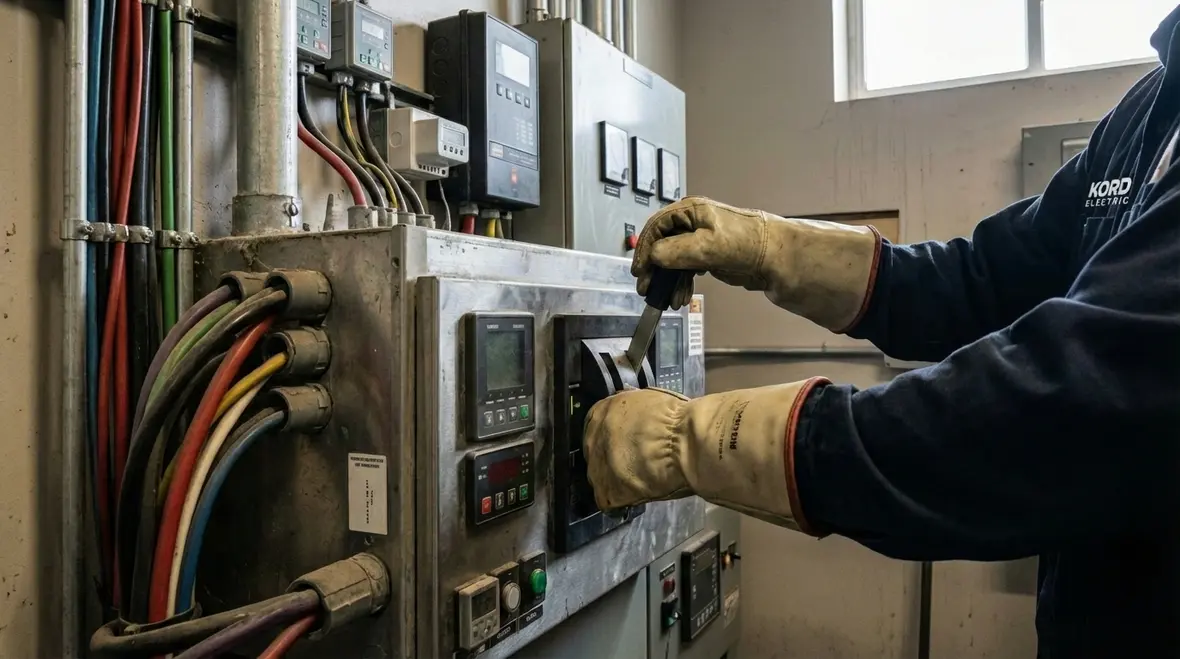
In many of the commercial facilities we service, standby generators work hand in hand with other power quality solutions. For example, facilities that have previously struggled with brownouts or equipment shutdowns from unstable electricity often pair generator systems with corrective measures that address deeper voltage issues. That way, everyday performance improves while the generator stands ready for larger failures.
3. Choosing the Right Backup Generator for Major Properties
Selecting the proper system is not about picking the largest unit available. Instead, it requires a thoughtful evaluation of operational goals and risk tolerance. At Kord Electric, we guide clients through a structured process.
First, we conduct a detailed load study. This step measures real world demand rather than relying on rough estimates. Next, we identify mission critical systems. Then we determine runtime expectations. Some facilities require only short term coverage. Others need extended operation during prolonged grid failure.
Fuel type also matters. Diesel systems often deliver strong performance for industrial settings. Natural gas solutions may suit properties with reliable utility supply. Each option carries its own benefits related to storage, emissions, and long term cost.
Below is a simplified comparison our team often shares during consultations.
| Diesel Generator | Natural Gas Generator |
| High power output for heavy loads | Continuous fuel supply where gas service is stable |
| On site fuel storage allows independence from utilities | Lower onsite storage requirements |
| Well suited for industrial operations | Often used in commercial campuses |
Because every property operates differently, we never apply a one size fits all formula. Instead, our service staff evaluate infrastructure, space constraints, local codes, and long term growth plans. As a result, clients receive a system that supports both present needs and future expansion.
We also look beyond the generator itself. Facilities that already run complex lighting, mechanical, or EV charging systems have unique electrical demands and code requirements. Our team coordinates power system design with broader electrical infrastructure so your backup generator or standby generator becomes part of a resilient, well planned ecosystem instead of a bolt on accessory.
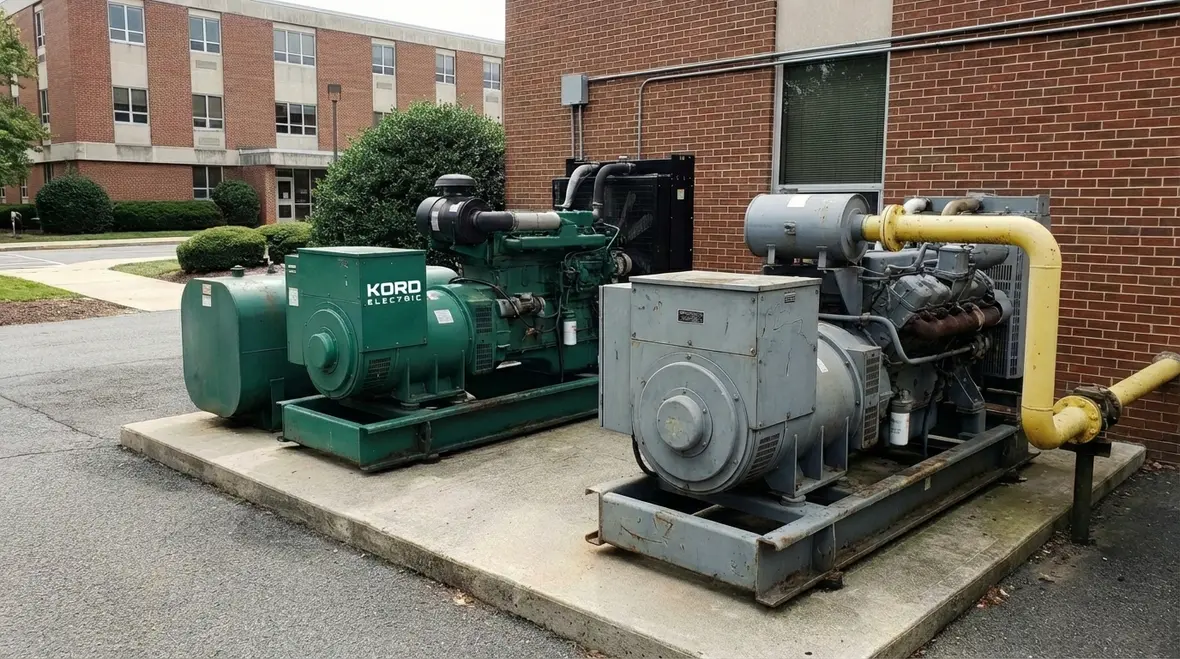
For property teams working through broader electrical reliability upgrades, Kord Electric also supports structured preventive maintenance programs that help protect generators, switchgear, and distribution equipment together. Coordinating your generator strategy with preventive maintenance is one of the most effective ways to keep long term risk in check.
4. Planning for Power Outage Scenarios Before They Happen
It is easy to think about backup power only after the lights flicker. However, strategic planning makes all the difference. Therefore, our approach begins long before installation.
We collaborate with facility directors, risk managers, and operations leaders to map potential outage scenarios. For instance, what happens if the disruption lasts two hours? What if it stretches across several days? How will fuel be replenished? Who receives alerts? Which teams are responsible for system checks?
By answering these questions in advance, property managers gain clarity. Moreover, they reduce panic when an actual grid failure occurs. Our technicians often conduct simulated drills so teams understand the transition process. During these exercises, we review system indicators, manual overrides, and communication protocols.
Although it may feel dramatic to rehearse for darkness on a sunny afternoon, preparation builds confidence. After all, when the real event arrives, no one wants to improvise like a contestant on a survival show.
We also encourage facilities to treat power outage planning as part of a larger electrical risk strategy. That can include preventing voltage fluctuations, modernizing aging lighting, and tightening up preventive maintenance so you are not dealing with avoidable failures when emergency conditions hit.
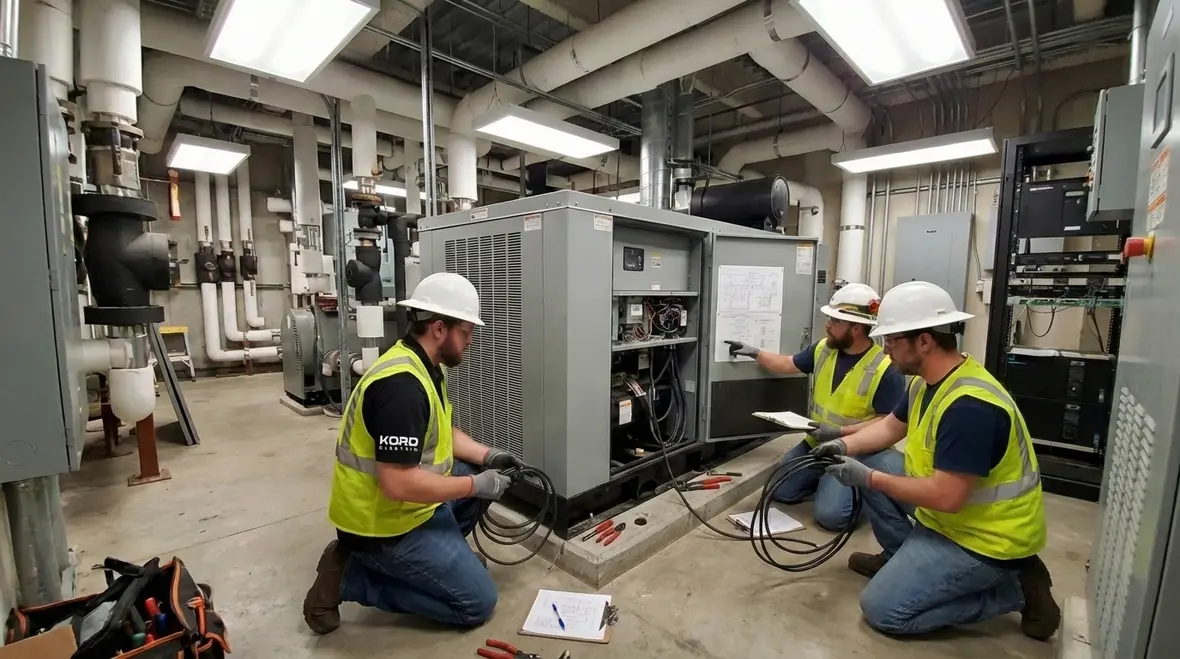
Well lit, code compliant spaces, stable voltage, and a reliable backup generator all work together when the grid goes down. Facilities that address these elements ahead of time experience outages more like controlled transitions and less like all hands emergencies.
5. Installation and Integration in Complex Buildings
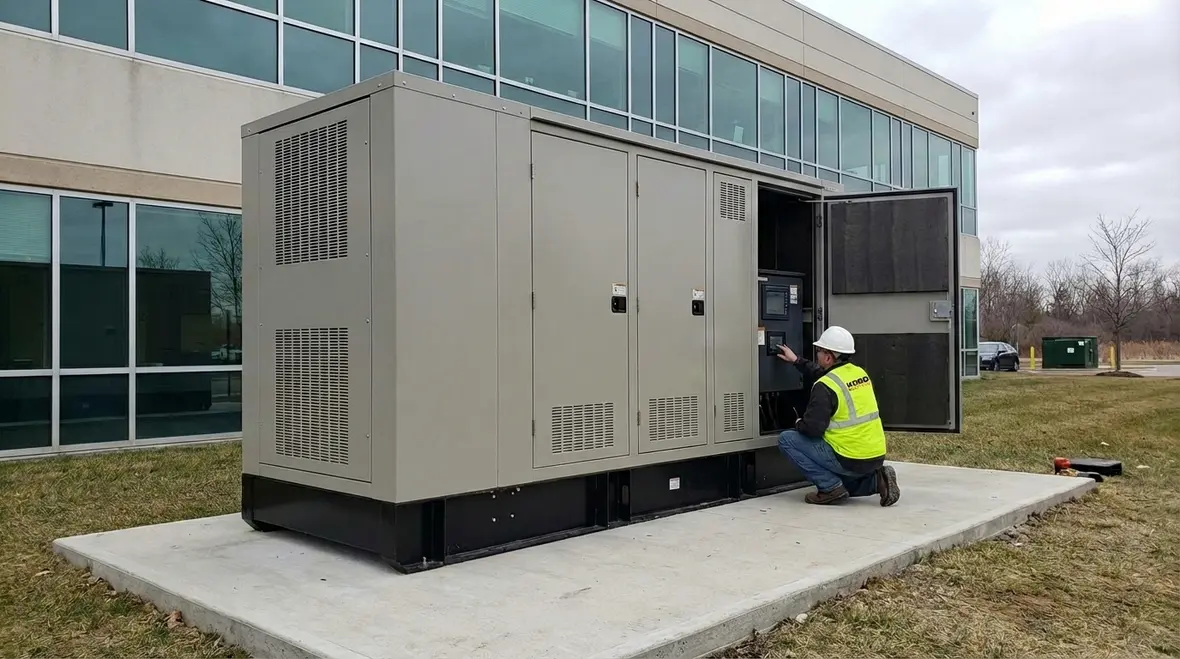
Installing a standby generator in a major facility is not a simple equipment drop. Instead, it requires coordination across multiple disciplines. Electrical distribution panels, transfer switches, ventilation systems, and structural supports must align with precision.
At Kord Electric, our licensed technicians manage the process from initial layout to final commissioning. First, we review site logistics. Large equipment requires safe access paths and stable foundations. Next, we coordinate with mechanical teams to ensure proper airflow and cooling. Then, we integrate control systems with existing building management platforms.
Because commercial and industrial facilities often operate around the clock, we schedule work to minimize disruption. In some cases, our crews perform tie ins during low demand hours. In others, we phase the project to keep critical operations live. This careful sequencing protects productivity while moving the project forward.
Furthermore, we verify compliance with all applicable codes and inspection requirements. Our expert service staff document every step, so property owners maintain clear records for insurance and regulatory review. In short, we treat each installation as a long term investment, not a quick fix.
Generator installations also intersect with other projects, including lighting upgrades, EV charger infrastructure, and power quality corrections. Coordinating those scopes through a single commercial electrical partner reduces change orders, shortens timelines, and ensures that all systems play nicely together on day one.
6. Maintenance: Protecting Your Investment and Performance
A backup generator that sits idle for years without testing can become a very expensive paperweight. Therefore, routine maintenance remains essential. Our technicians emphasize proactive care rather than reactive repair.
Regular service typically includes:
- Load testing to verify output capacity
- Inspection of fuel systems and filters
- Battery checks and charging system review
- Control panel diagnostics
- Cooling system evaluation
In addition, we track performance data over time. This approach allows us to detect subtle trends before they evolve into failures. For example, a slight voltage fluctuation may signal a component wearing down. Addressing it early prevents emergency service calls later.
Our service staff also provide detailed reports in clear language. Facility managers appreciate knowing not just what we inspected, but why it matters. Because transparency builds trust, we take time to answer questions and outline next steps.
Think of maintenance as routine exercise. Skip it long enough, and the first sprint becomes painful. Stay consistent, and the system performs when called upon.
Many facilities roll generator care into a broader electrical preventive maintenance program so that panels, distribution equipment, and life safety systems receive regular attention alongside the generator itself. Aligning all of these schedules allows you to document compliance, control costs, and avoid last minute scrambles when inspections or power outage events appear on the calendar.
7. Safety, Compliance, and Environmental Considerations
Commercial and industrial properties operate under strict safety standards. Consequently, a standby generator system must meet fire codes, electrical regulations, and environmental guidelines. Our team stays current with these requirements and incorporates them into every design.
Fuel storage demands proper containment and ventilation. Exhaust systems require safe routing to prevent hazardous buildup. Electrical connections must follow precise grounding and bonding practices. Moreover, noise levels may require mitigation strategies in densely occupied areas.
Because regulations evolve, ongoing review remains critical. During service visits, our technicians assess compliance factors alongside mechanical performance. If standards shift, we advise clients on necessary updates. In doing so, we help facilities avoid fines, liability exposure, and operational risk.
We also discuss sustainability goals. Some organizations seek lower emission solutions or integration with renewable systems. While a backup generator provides reliability, it can also complement broader energy strategies when planned correctly.
From lighting levels that keep staff safe and productive to compliant emergency egress illumination and signage, your generator strategy connects directly to how well your building performs under stress. Thinking about safety as a system, rather than a set of isolated components, helps ensure that when the generator takes over, the rest of the building is truly ready.
8. The Kord Electric Approach: Expertise with a Human Touch
Technical skill matters. Yet, how that skill is delivered matters just as much. At Kord Electric, our technicians combine deep experience with clear communication. They explain complex systems in straightforward terms. They listen to operational concerns. They respect the fact that facility leaders carry significant responsibility.
During consultations, our expert service staff review not only equipment specifications but also business priorities. For example, a distribution center may prioritize uninterrupted logistics flow. A manufacturing plant may focus on worker safety and production continuity. By understanding these goals, we design power solutions that align with real world demands.
Furthermore, we remain available after installation. When questions arise about a recent power outage event or system alert, our team responds promptly. We believe partnership does not end once the generator starts. It continues through the life of the system.
And yes, we take our work seriously. However, we also understand that conversations about voltage and transfer switches can feel dry. So, from time to time, we add a touch of humor. After all, if a machine can wait quietly for years just to save the day, the least we can do is give it a little personality.
If your facility is also exploring EV infrastructure, lighting upgrades, or other capital projects alongside generator planning, our commercial electrical teams can help you coordinate timelines and priorities so each upgrade supports the others instead of competing for resources.
Frequently Asked Questions
Conclusion: Secure Your Facility Before the Next Power Outage
When the grid fails, preparation defines the outcome. A well designed backup generator system protects operations, safety, and reputation across commercial and industrial properties. At Kord Electric, our skilled technicians and expert service staff stand ready to design, install, and maintain reliable power solutions tailored to complex facilities. Contact us today to strengthen your infrastructure and ensure that the next power outage becomes a minor interruption rather than a major event.
If your facility is reviewing broader electrical reliability, consider pairing generator planning with structured preventive maintenance and electrical risk mitigation. Coordinated service can help stabilize voltage, modernize lighting, and protect sensitive equipment so that when your standby generator and backup systems step in, every part of the building is ready to perform.
For organizations that need rapid response during unplanned electrical events, Kord Electric also provides dedicated emergency electrical services to assess issues, stabilize systems, and restore power across commercial and industrial properties.
To explore how generator planning can align with your overall emergency response strategy and electrical resilience, connect with our commercial emergency service team and discuss your facility’s risk profile, critical systems, and long term reliability goals.
Ready to protect your building from the next blackout and keep every floor, server room, and production line powered with confidence? Partner with a commercial electrical team that understands complex facilities, regulatory requirements, and the real world demands of staying online.
To learn more about emergency support options that complement your generator investment, visit our dedicated service page here: emergency electrical services.