EV Charger Install Guide for Large Properties
EV Charger Installation at Home Guide for Large Properties and Commercial Facilities
When it comes to EV charger install projects, electric vehicle charging is no longer a trend waiting to happen. It has arrived, parked, and plugged in. For major property buildings, commercial campuses, and industrial facilities, a reliable home EV setup within private residences tied to large estates or corporate housing is quickly becoming part of modern infrastructure. At Kord Electric, we approach every project with the steady confidence of seasoned professionals who have wired everything from complex distribution panels to high demand charging networks. We do not guess. We plan, test, and execute with precision.
Although many articles speak to single family homes, this guide speaks to property managers, facility directors, and building owners responsible for larger scale environments. Therefore, the focus here stays where it belongs: on commercial and industrial grade results delivered by expert hands.
Understanding the Demand for Electric Vehicle Charging in Large Properties
Electric vehicles are no longer rare sightings. They fill employee parking lots, executive garages, fleet yards, and mixed use developments. As a result, facility managers face a clear question. How can they support electric vehicle charging safely and efficiently without straining existing systems?
First, power demand must be measured accurately. Large properties often operate heavy equipment, HVAC systems, elevators, data rooms, and lighting grids. Adding charging stations without a load study would be like adding an espresso machine to a submarine. It might work for a moment, but the pressure will show.
At Kord Electric, our technicians conduct detailed load calculations. They review transformer capacity, panel ratings, and distribution paths. Then, they explain everything in plain language. No mystery. No jargon cloud. Just clear facts delivered with calm authority. In addition, we evaluate peak usage times. This helps property owners avoid costly demand spikes that can inflate utility bills.
Because electric vehicle charging often happens during work hours or overnight fleet staging, planning around operational cycles is essential. Consequently, the system design must support present needs and future growth.
Planning an EV Charger Install for Commercial and Industrial Buildings
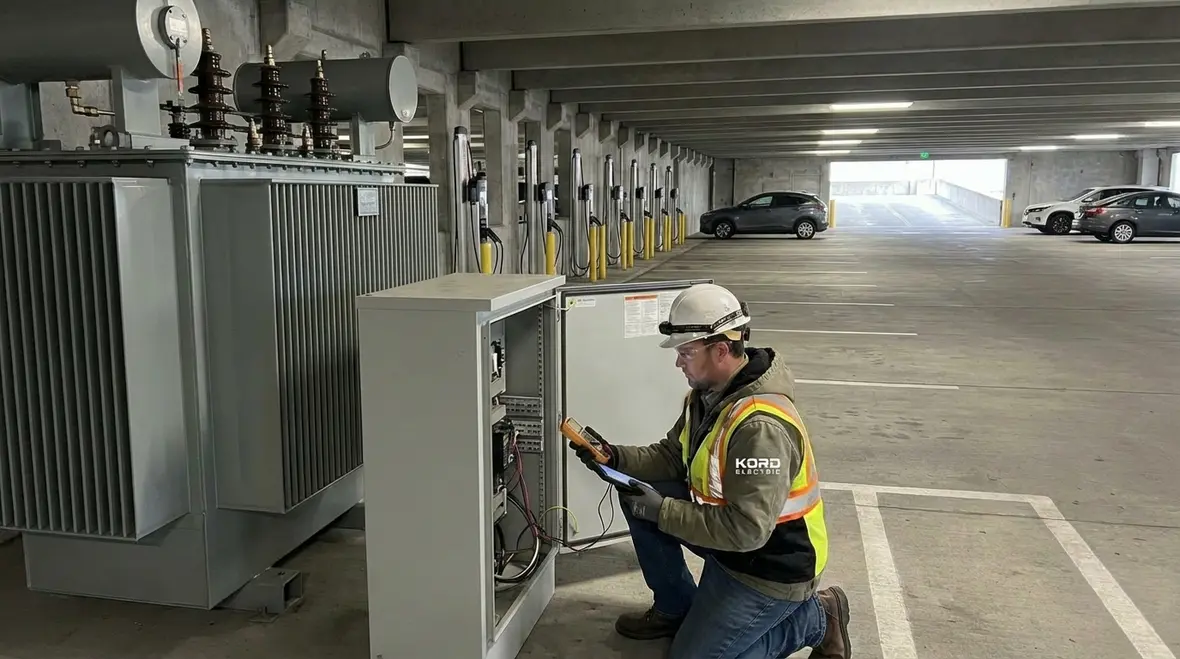
Planning sets the tone for the entire project. Without it, even the best equipment cannot perform at its full potential. Therefore, we treat every EV charger install as an infrastructure upgrade, not just an add on accessory.
Our expert service staff begins with a site assessment. They examine parking layouts, conduit pathways, panel locations, and accessibility requirements. After that, they determine the ideal charger type based on usage patterns.
For large properties, Level 2 chargers are common for employee and tenant use. However, fleet operations may require higher output systems. Each decision connects to real world use. A corporate campus with steady eight hour parking times differs greatly from an industrial yard where vehicles rotate frequently.
Moreover, we look at scalability. It is far easier to install additional conduit and panel capacity during the first phase than to reopen concrete later. Think of it as setting the stage for sequels before the first movie premieres. No one wants to rebuild the set after the box office hits.
Throughout the planning stage, we coordinate with engineers, architects, and facility managers. This ensures compliance with electrical codes and local regulations. Because safety drives everything we do, no step is rushed.
Integrating EV Planning with Broader Facility Strategy
EV infrastructure should never live in a silo. It connects to long term capital planning, sustainability goals, and even tenant attraction strategies. Many properties now evaluate EV charger install timelines alongside projects like electrical preventive maintenance and panel upgrades to minimize downtime and coordinate budgets effectively.
How Does a Home EV Setup Work in a Large Estate or Corporate Residence?

Although Kord Electric focuses on commercial and industrial environments, some large estates, executive housing units, and corporate residences require a structured home EV setup. In these cases, the installation mirrors commercial standards rather than simple residential plug ins.
First, our technicians inspect the main service panel and subpanels. If necessary, they recommend service upgrades to handle the additional load. Next, they map conduit runs to maintain both function and visual appeal. A clean installation matters, especially in high end properties where aesthetics carry weight.
Furthermore, we integrate smart charging controls when appropriate. These systems manage load distribution automatically. As a result, multiple vehicles can charge without overwhelming the electrical infrastructure.
Our team explains each component step by step. We believe informed clients make confident decisions. So instead of handing over a technical sheet thicker than a fantasy novel, we break it down into clear points. Power source. Breaker capacity. Charging rate. Safety features. Simple.
Bringing Commercial-Grade Reliability to Residential Environments
For corporate residences attached to larger campuses, integrating EV charger install work with the broader EV charger installation services across the property ensures consistent performance, shared monitoring, and easier support if future expansion is required.
Electrical Infrastructure Upgrades That Support Long Term Growth
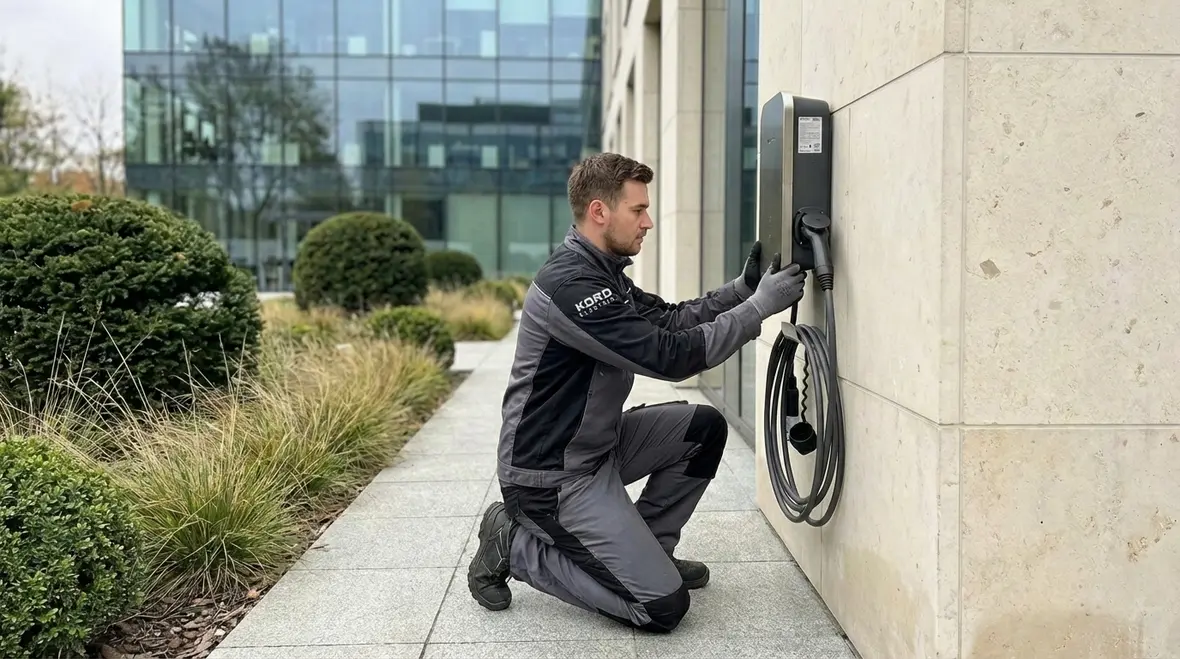
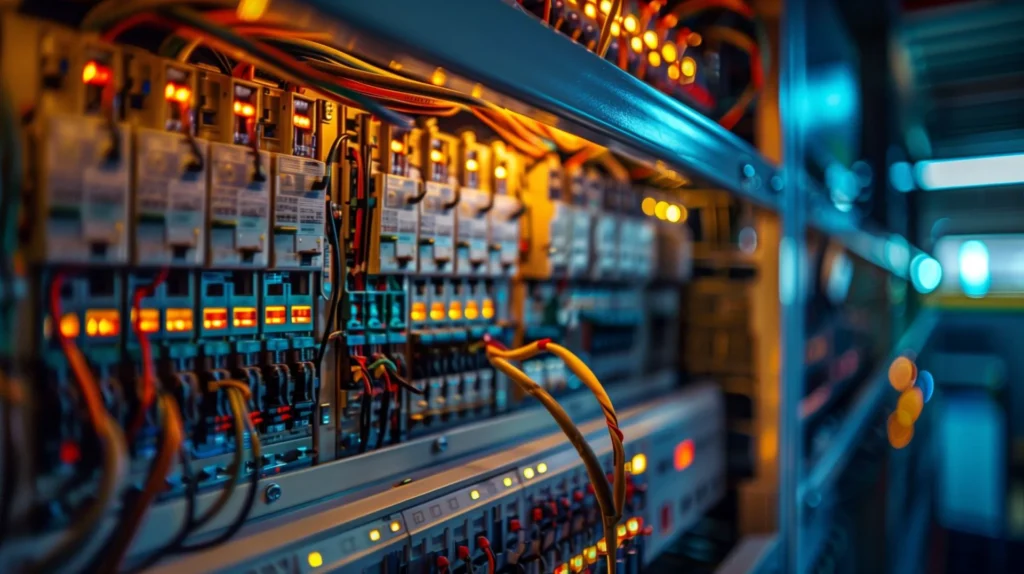
Adding electric vehicle charging equipment often reveals opportunities to strengthen the entire electrical backbone of a property. Therefore, we evaluate more than just the charger location.
For example, transformers may require upsizing. Panels may need reconfiguration. Grounding systems must meet current standards. Each element plays a role in maintaining stability and safety.
Below is a structured comparison of common infrastructure considerations in large scale properties:
| Component | What We Evaluate |
| Service Capacity | Total available amperage and projected growth over five to ten years |
| Distribution Panels | Breaker space, load balance, and labeling accuracy |
| Transformers | Current demand versus future electric vehicle charging expansion |
| Conduit Pathways | Distance, protection, and ease of maintenance access |
| Energy Management Systems | Ability to monitor and control charging loads in real time |
Because large properties operate as living systems, each upgrade must align with daily operations. Consequently, our electricians schedule work in phases to limit disruption. We coordinate shutdowns carefully. We communicate clearly. And yes, we clean up after ourselves. No one wants to explain stray wire clippings to upper management.
Pairing EV Expansion with Preventive Maintenance
EV charger install projects create a perfect moment to review the health of existing systems. Many facilities combine charging upgrades with electrical preventive maintenance programs or voltage stability assessments to reduce future downtime and protect their investment.
Safety and Compliance: The Non Negotiables
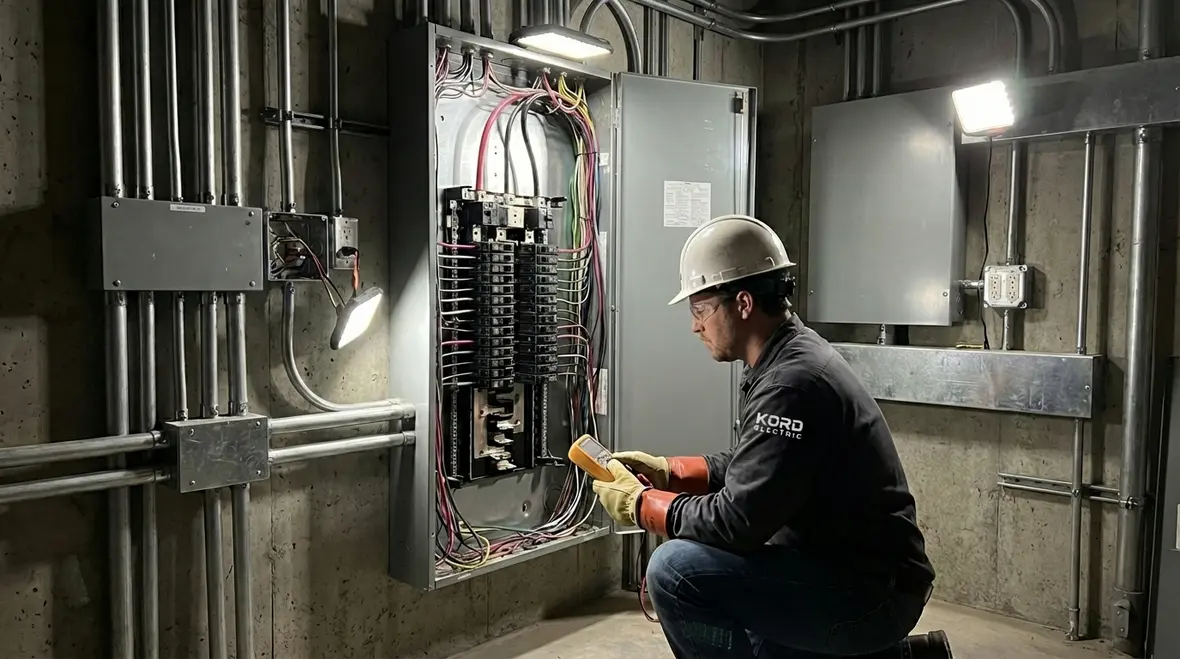
Electricity does not forgive shortcuts. Therefore, compliance with national and local electrical codes stands at the center of every project we complete.
Our licensed electricians follow strict installation standards. They use proper conduit sizing, dedicated circuits, ground fault protection, and correct breaker ratings. Additionally, we verify torque specifications on all terminations. Loose connections create heat. Heat creates problems. We prefer systems that remain calm and cool under pressure.
Inspection processes vary by jurisdiction. However, we manage permit applications and coordinate with inspectors to ensure smooth approvals. Because documentation matters, we provide clear records of load calculations, equipment specifications, and as built drawings.
Moreover, we train facility staff on proper usage. A well installed charger still requires responsible operation. So we explain best practices for cable management, periodic visual checks, and reporting unusual behavior. Think of it as handing over the keys to a well tuned machine along with the owner manual, minus the fine print maze.
Coordinating with Existing Safety Programs
Many facilities already lean on structured programs like emergency electrical services and preventive maintenance. Integrating EV charger install work into those frameworks ensures that new equipment follows the same reporting, testing, and documentation standards as the rest of the electrical system.
Smart Charging Solutions for Modern Facilities
Technology now allows properties to manage electric vehicle charging with impressive control. Smart systems monitor usage, allocate power dynamically, and generate detailed reports.
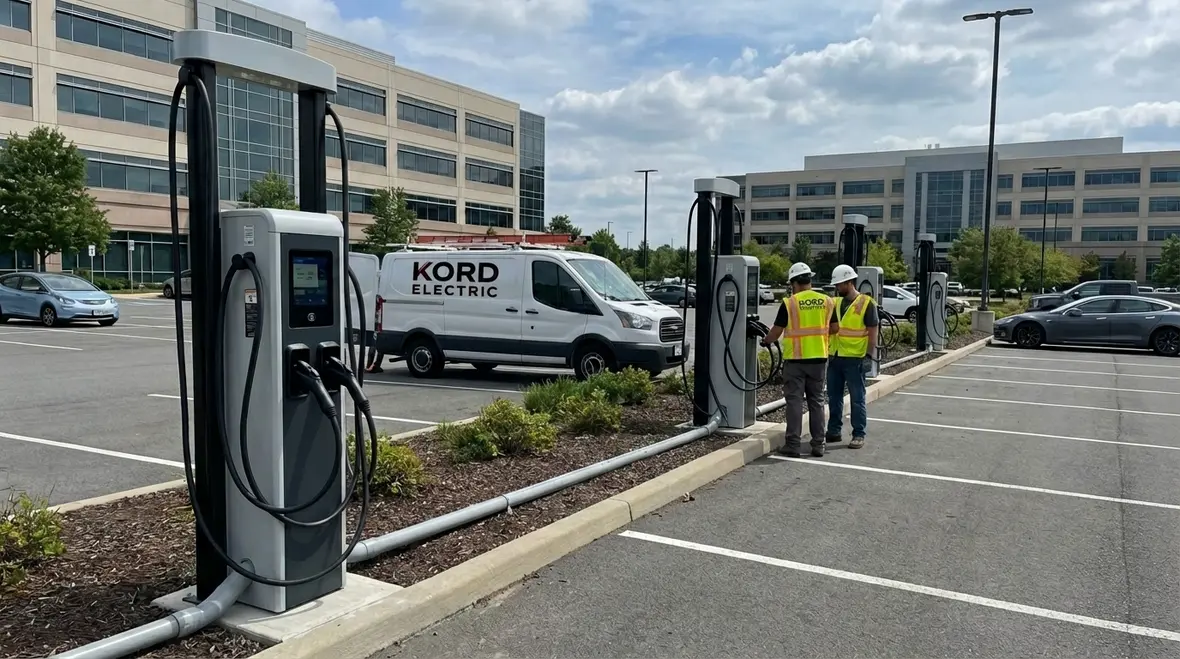
For commercial campuses, this means administrators can track which stations are in use and how much energy they consume. In fleet settings, managers can schedule charging cycles during off peak hours. As a result, energy costs remain predictable.
At Kord Electric, we integrate these solutions seamlessly into existing building management systems when possible. Our technicians collaborate with IT departments to ensure secure network connections. Because cybersecurity matters, we configure access controls carefully.
Furthermore, smart chargers support future expansion. When additional stations become necessary, the system can adjust load distribution automatically. This flexibility protects infrastructure investments over time.
And let us be honest. There is something satisfying about checking a dashboard and seeing every unit operating smoothly. It feels a bit like mission control, only without astronauts floating past the coffee machine.
Blending Smart Charging with Broader Energy Strategy
Smart EV charger install projects pair naturally with energy management tools that already track lighting, HVAC, and critical equipment. As electric vehicle charging grows, properties that treat it as part of a unified energy strategy will operate with more stability and lower long term costs.
Cost Considerations and Return on Investment
Every major upgrade prompts the same question. What will it cost, and what is the return?
The total investment for an EV charger install depends on equipment type, electrical upgrades, trenching requirements, and permitting fees. However, for large properties, the long term value often extends beyond direct revenue.
First, offering electric vehicle charging attracts tenants and employees who expect modern amenities. Second, fleet electrification reduces fuel expenses over time. Third, properties that prepare for evolving energy standards position themselves ahead of regulatory shifts.
Additionally, certain regions offer incentives or rebates for commercial charging infrastructure. We help clients identify applicable programs and prepare the required documentation. Because navigating forms alone can feel like assembling furniture without instructions, guidance makes a difference.
Ultimately, the return on investment reflects more than dollars. It reflects operational readiness and environmental responsibility.
Making EV Investment Part of Long-Term Capital Planning
Forward looking facility teams fold EV charger install costs into broader capital plans that include lighting upgrades, panel replacements, and lighting installation services. Bundling work can lower per project costs, simplify scheduling, and create a cleaner narrative for leadership approval.
Why Professional Expertise Matters More Than Ever
Electric vehicle charging systems interact with high capacity electrical networks. Therefore, experience matters. A poorly executed installation can lead to nuisance breaker trips, overheating conductors, or system downtime.
At Kord Electric, our technicians bring years of field experience in commercial and industrial environments. They understand three phase systems, demand calculations, and complex distribution layouts. More importantly, they communicate clearly with stakeholders at every level.
We approach each project with steady focus. We measure twice. We install once. And we test thoroughly before energizing any equipment. Because confidence comes from preparation, not guesswork.
While others may treat charging stations as simple accessories, we treat them as critical infrastructure. That mindset shapes every decision we make.
Pairing EV Expertise with Ongoing Support
Beyond initial EV charger install work, many clients rely on Kord Electric for ongoing support, including troubleshooting, upgrades, and integration with new building systems. Treating electric vehicle charging as a living system instead of a one time project keeps performance steady as technology evolves.
FAQ: Electric Vehicle Charging for Large Properties
Conclusion: Build the Future with Confidence
The shift toward electric mobility continues to accelerate. Therefore, large properties, commercial campuses, and industrial facilities must prepare with intention. At Kord Electric, we deliver careful planning, expert installation, and steady guidance from start to finish. If your organization is ready to upgrade its infrastructure with reliable electric vehicle charging solutions, our team stands ready to help. Connect with us today, and let us power your next chapter with clarity and strength.
To explore how a tailored EV charger install can support your facility’s broader electrical goals, visit our dedicated EV charger installation service page and connect with our team for a detailed assessment.