California Commercial Lighting Code Guide for 2026
Commercial Lighting Code Requirements in California: What Property Managers and Business Owners Need to Know
Out here in California, the air’s golden, the waves are rolling, and our lighting codes? Well, they’re just as intense as Hollywood’s latest blockbuster. The California Electrical Code lighting requirements are no walk in the park — unless it’s a very specific, well-lit park with motion sensors and demand-responsive lighting controls. If you’re running a commercial or industrial property (think big offices, warehouses, large-scale hotels, and manufacturing facilities), these codes are more than guidelines. They’re the law — and, frankly, they come with as many plot twists as a Christopher Nolan film.
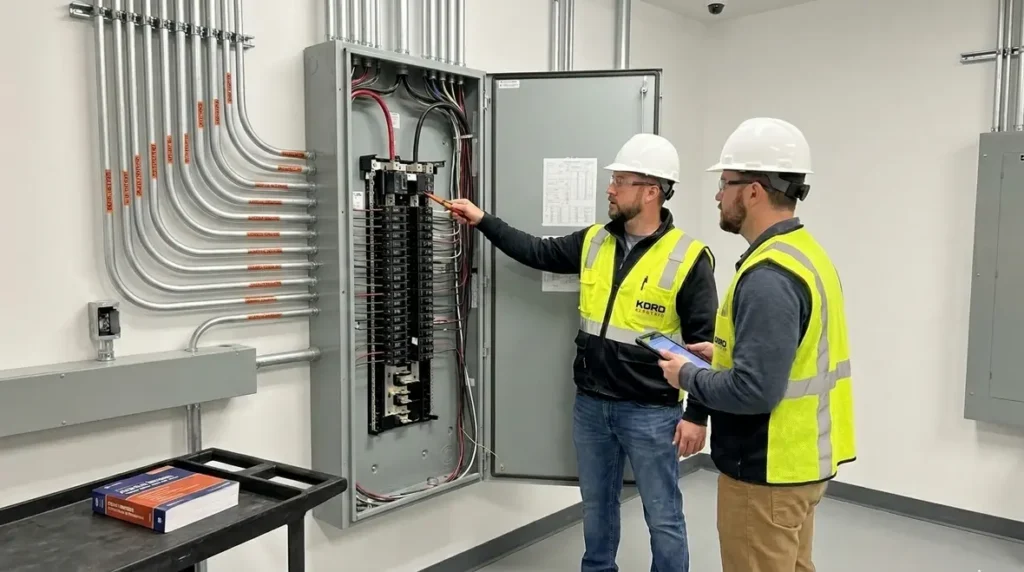
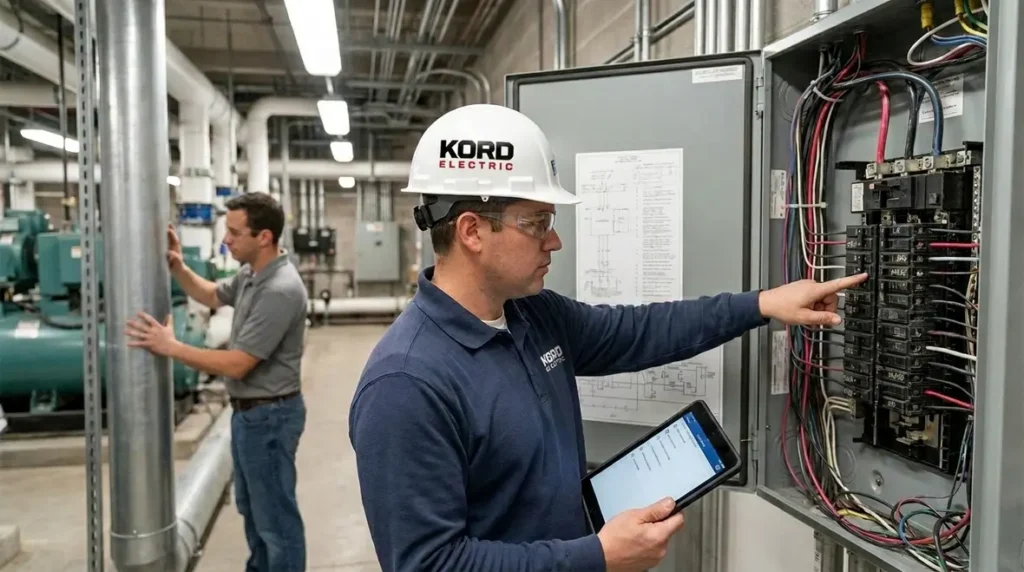
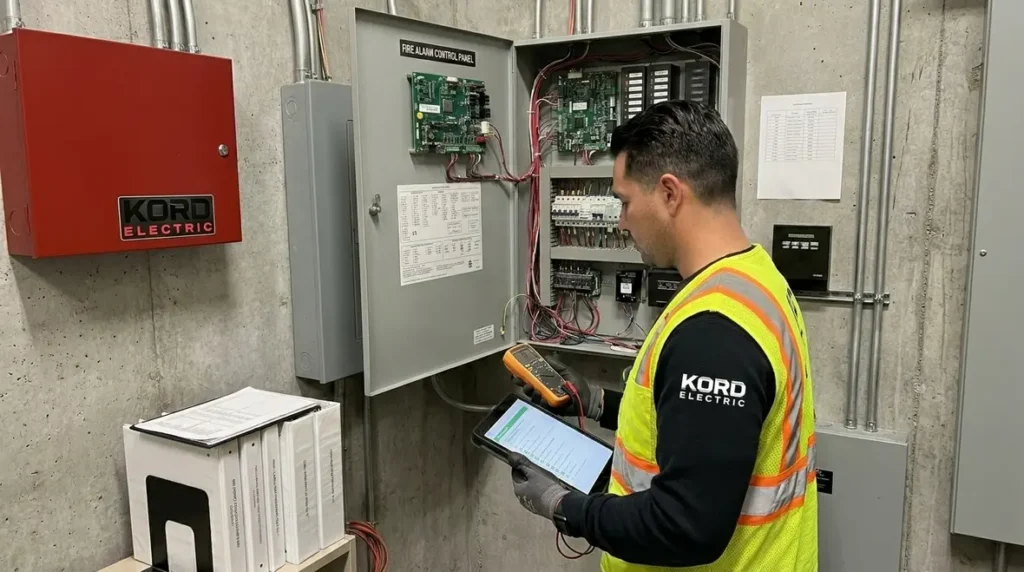
To help navigate these requirements, the expert technicians at Kord Electric are the real MVPs. Not only do they light up rooms (literally), they break down these complicated codes with a patience that rivals your grandma teaching you to use a rotary phone. And let’s be honest, who wants to decode government regulation without a little help? Buckle up — or in this case, screw your bulbs tight — and let’s explore.
When Code Isn’t Just a Suggestion — It’s Mandatory
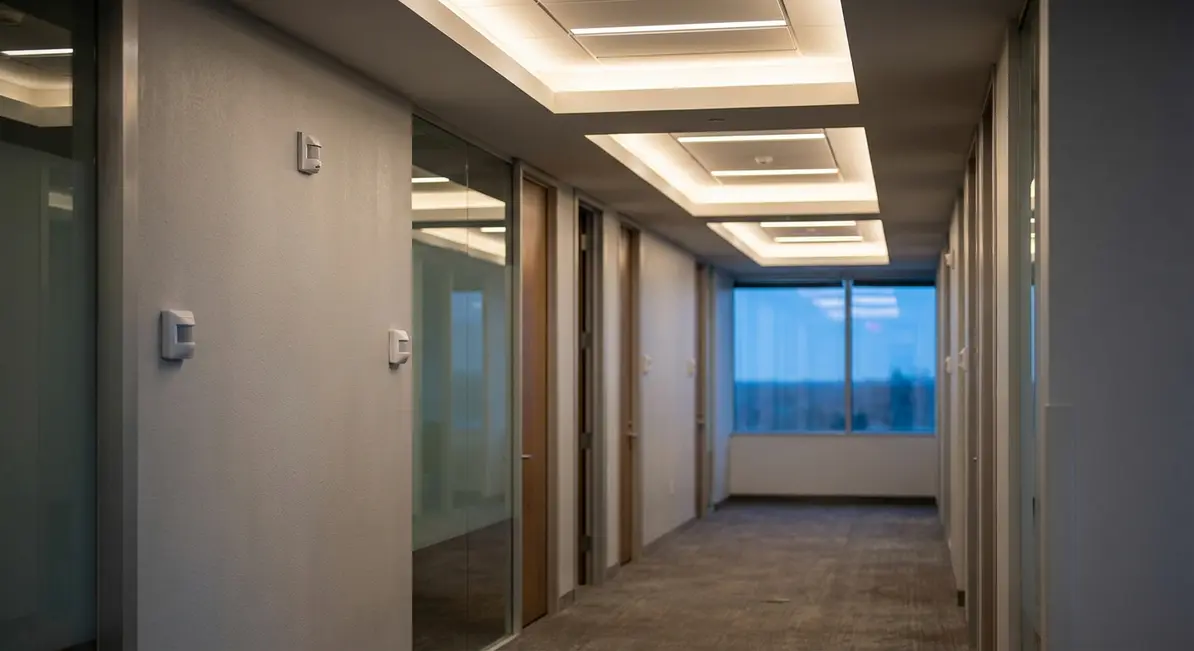
If you’re a commercial property owner in California, these lighting requirements aren’t optional. They’re backed by the California Building Standards Code, Title 24, Part 6. Catchy, right? This section zeroes in on energy efficiency and is enforced state-wide.
Some of the highlights include:
- Mandatory occupancy sensors in certain rooms, so lights don’t stay on for no reason (looking at you, break room).
- Multi-level lighting controls in offices and conference rooms, so people with powerpoints don’t wield *too* much power.
- Outdoor lighting timing, because apparently your parking lot doesn’t need to shine like a landing strip 24/7.
The goal here is energy efficiency — and if you squint, you’ll see a dollar sign right in the middle of that phrase. These rules might seem like a buzzkill, but they actually help trim those sky-high utility bills. The state isn’t just being picky; it’s your budget’s wingman.
Lighting Controls: The Smartest Thing Since Sliced LED
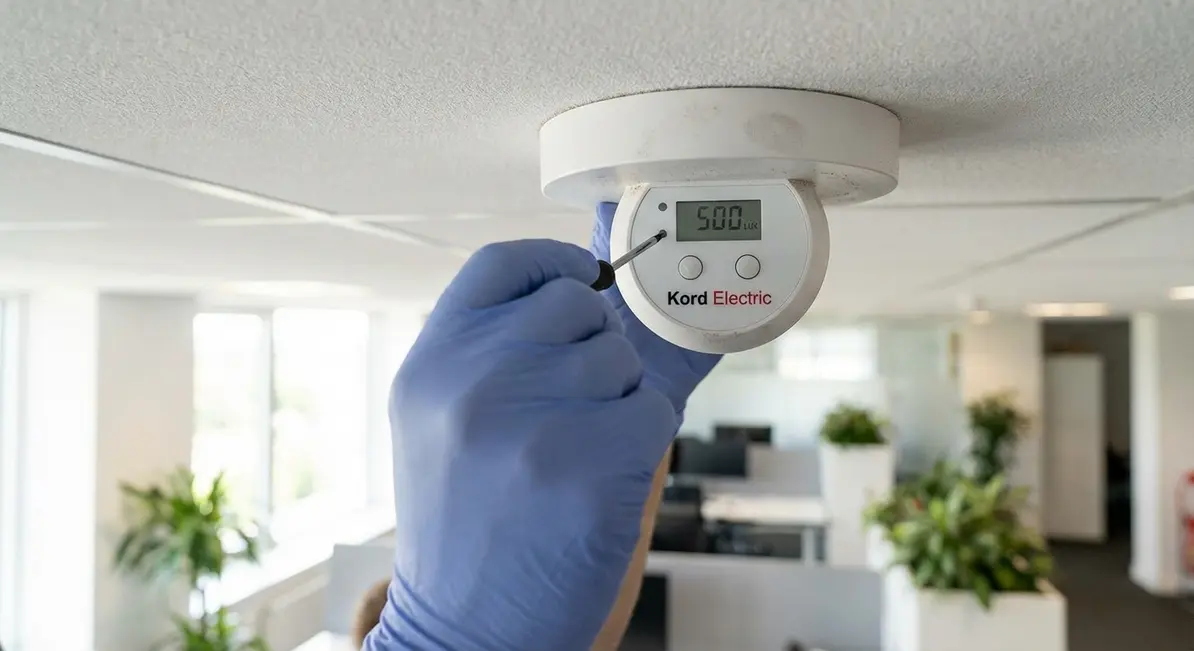
No one likes lights being on when no one’s around. It’s like watching a horror movie where the haunted mansion has better electricity usage than your office.
Under the CA electrical code lighting requirements, commercial properties must have automated lighting controls — and not the clunky, “oops-it-shuts-off-during-a-meeting” type. Think smarter. Occupancy sensors get installed in restrooms, storage closets under 50 sq ft, and small offices. Daylight-responsive controls? They’re a godsend for spaces with skylights or big windows.
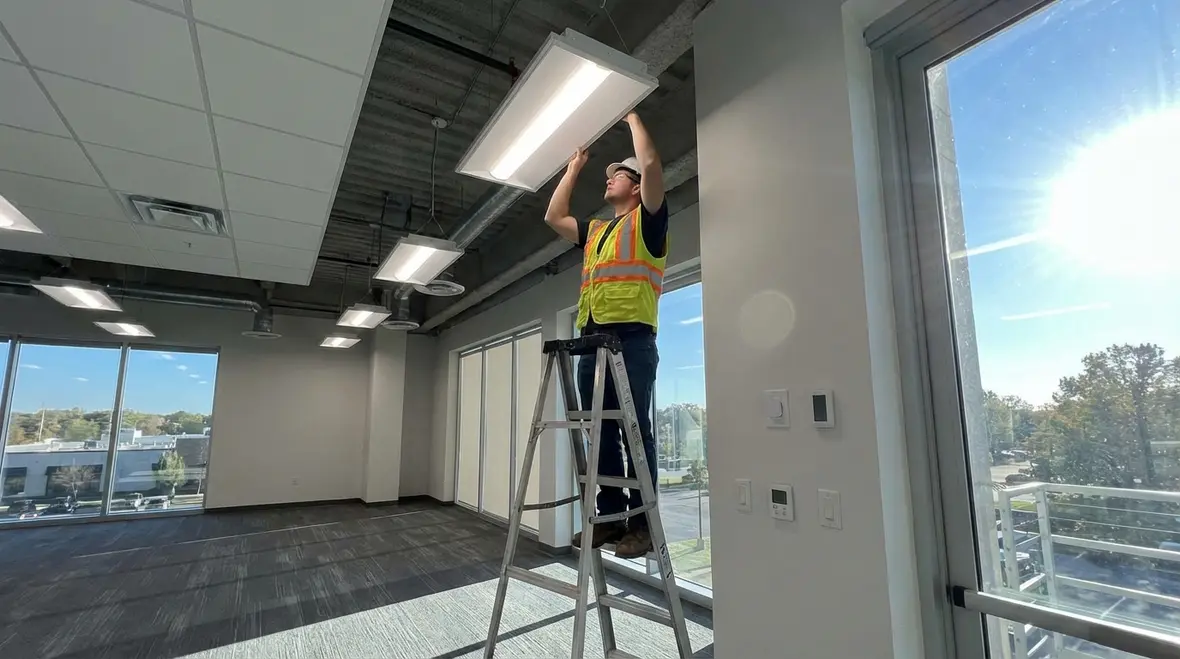
Kord Electric’s certified technicians are often called in when a business’s “fancy new lighting system” turns into a disco during meetings. Whether retrofitting decades-old wiring or starting fresh on new builds, they ensure automation works with your workflow — no surprises, and definitely no impromptu blackouts.
Dual-Column Deep Dive: What Property Managers Ask

Required Lighting Systems:
- Occupancy sensors
- Photosensors for daylight zones
- Time-switch controls
- Demand response systems in buildings ≥ 10,000 sq ft
Common Installation Headaches:
- Incorrect sensor placement in restrooms
- Failing to account for natural light in zoning
- Using outdated ballasts or fixtures
- Non-compliant exterior lighting at night
As Kord Electric’s lead tech says, “Most code violations aren’t due to malicious intent — it’s just that Ted from Maintenance installed something from a YouTube tutorial filmed in 2007.”
Exterior Lighting: Because It’s Not Just What’s Inside That Counts

If you’re managing a big commercial space or warehouse, your exterior lighting is more than decorative — it’s functional, it’s secure, and yes, it’s regulated. Proper illumination in parking lots, walkways, entrances, and loading docks is required, but over-lighting isn’t just wasteful — it’s against code.
Smart outdoor lighting solutions include:
- LED fixtures with integrated photocells
- Lights that dim or shut off during non-business hours
- Protection against light trespass into public rights-of-way
The team at Kord Electric regularly consults with property managers to develop compliant, efficient exterior lighting layouts that keep tenants safe without attracting every moth west of the Rockies.
Do “Historic” Fixtures Still Apply Under Today’s Code?
So, you’ve got a building that’s been standing since the Beatles were still touring. Cool. But when it comes to lighting, “historic charm” doesn’t grant you a vacation from modern codes.
Under Title 24, certain spaces can request exceptions for historical preservation. However, these are rarely blanket passes. Lighting must still meet minimum efficiency and safety standards — even if the sconces are antique.
That’s where Kord Electric shines. Their technicians blend modern lighting design with historic integrity so that you meet compliance, retain charm, and don’t accidentally start a fire with a fixture older than disco.
Design Meets Compliance: Style Doesn’t Have to Suffer
Let’s be real — no one gets excited about lighting design regulations. Until, that is, someone installs a fixture that makes your sleek lobby look like a DMV waiting area.
Commercial lighting design is all about balance:
- Compliance with color temperature and brightness limits
- Glare mitigation for computer-intensive spaces
- Adaptive brightness for shared-use zones like lobbies and corridors
Lots of property developers go DIY and wonder why the space ends up looking like a scene from Stranger Things. That’s where Kord Electric works their magic — aligning mood, branding, and energy compliance without sacrificing vibe. Because nothing screams “modern HQ” like LED panel lights that don’t hum like a 90s dial-up modem.
The 15-Minute Walkthrough That Could Save You Thousands
Busy property managers don’t have time to sit down and read all 400+ pages of the California Building Energy Efficiency Standards. And unless you’re into reading code after hours with a snack, you probably need help prioritizing.
Kord Electric offers professional walkthroughs for industrial spaces, evaluating:
- Compliance of existing lighting systems
- Upgrade options for outdated fixtures
- ROI projections on LED retrofits
- Integration potential with building automation
It’s like having your own lighting consultant, without the steep hourly fees or weird herbal tea obsession. Most businesses discover savings and code discrepancies within the first visit — and often leave wondering why they waited so long to call.
Penalties, Fines, and “Oops” Scenarios
“I didn’t know” doesn’t quite fly when you’re hit with a code violation notice from the city. Penalties for non-compliance with CA electrical code lighting requirements can range from warning tags to five-figure administrative fines — especially for large-scale facilities.
Common violations include:
- No bi-level stairwell lighting
- Non-functional sensors in private offices
- Over-lit exterior zones after closing hours
And if that sounds like small potatoes, remember: one overlooked error in lighting setup can result in months of rework, tenant delays, and yeah — potentially embarrassing phone calls with planning inspectors. Kord Electric ensures that once a project is signed off, those “oops” moments stay in the past — where they belong, right alongside bellbottoms and halogen bulbs.
FAQ: Quick Answers to Help You Stay Compliant
What is the CA electrical code lighting requirement for offices?
Offices must have multi-level lighting or dimming controls and occupancy sensors per Title 24 regulations.
Are exterior lights exempt from lighting code rules?
No. Outdoor lighting must follow timing, zoning, and brightness limitations to meet code and reduce light pollution.
Can I just retrofit my fluorescent fixtures?
Sometimes, but the retrofit must meet power density and control requirements. Always check before starting.
Do warehouse spaces need daylight sensors?
Yes, if they receive natural light. These areas must auto-adjust based on available daylight.
How do I know if my lighting is compliant?
Schedule a walkthrough with a qualified commercial lighting technician or consult your building permit’s lighting section.
Does Title 24 apply to older buildings?
Yes. Even retrofits must follow modern energy standards unless specific exemptions are approved.
What’s the penalty for a lighting code violation?
Fines can reach thousands and may delay occupancy permits, especially during inspections for large properties.
How often do code requirements change?
California updates Title 24 every 3 years. Always ensure your project aligns with the latest standard.
Compliance Isn’t Just a Checklist — It’s a Power Move
Let’s face it — lighting code compliance in California isn’t just about dodging fines and inspections. It’s about staying efficient, future-proofing your property, and showing tenants and clients that your building runs like a well-oiled (and well-lit) machine. With commercial lighting making up a large chunk of energy usage, doing it right means savings, tax benefits, and fewer maintenance nightmares.
Kord Electric’s technicians are more than electricians — they’re trusted partners in assembling the perfect balance of performance, elegance, and compliance. Whether you’re upgrading, building, or fixing that thing Ted installed in 2009, you’re covered.
CTA:
Don’t wait until the lights (or city officials) shut you down. Schedule a code consultation with Kord Electric today and keep your commercial property shining bright, compliant, and future-proof. Your bottom line will thank you — and so will Ted from Maintenance.