Commercial Building Electrical Infrastructure Design and Maintenance
Kord Electric builds Commercial Building Electrical Infrastructure: Systems, Design & Maintenance for commercial and industrial facilities, plus major property buildings where downtime costs real money. In this guide, we explain how we plan, install, and maintain electrical power systems that stay stable when demand rises. We also show how our team of technicians, along with our expert service staff, explains the “why” behind each decision so facility managers can plan with confidence. After all, no one wants to stare at a breaker panel like it is a mystery novel, especially when the lights decide to quit in chapter three.
Commercial building electrical infrastructure starts with power you can trust
In commercial and industrial buildings, electricity is not a background utility. It is the engine that runs life safety systems, HVAC controls, production equipment, communications, elevators, and more. Therefore, our approach begins with understanding how the building actually behaves, not how it should behave in a brochure.
First, we analyze the load profile. We look at peak demand, startup surges, harmonics from variable frequency drives, and seasonal changes that shift what loads run when. Then we translate that into a design that balances capacity and efficiency. Next, we review service entrance requirements, grounding methods, and coordination between protective devices so the system clears faults quickly and selectively.
When something fails in a business setting, it needs to fail safely and predictably. So we design for stable operation and controlled fault response. Our technicians walk through the system during handoff, and our service staff follows up with clear explanations of operating notes, labels, and maintenance expectations. In other words, we do not just install equipment, we help people understand it.
How we design electrical systems for modern commercial buildings
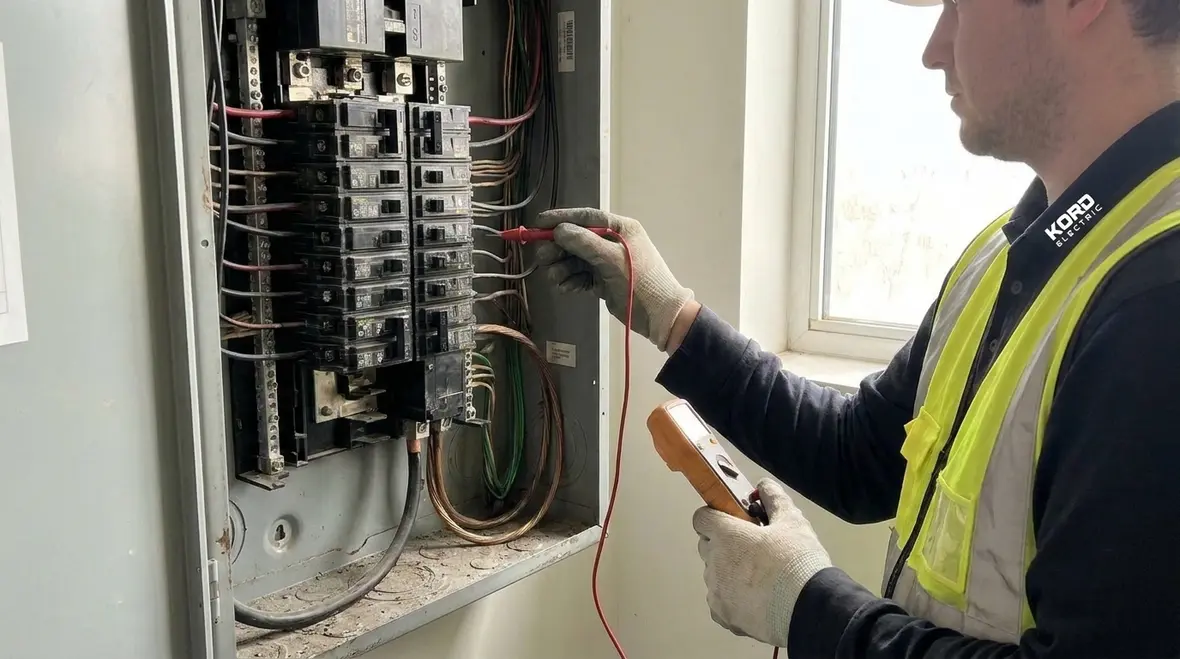
Modern buildings demand more than basic power distribution. They want reliability, flexibility, and clean power for sensitive loads. That is why our design process includes more than running wires. We plan a full path from utility service through distribution panels, branch circuits, and into critical systems.
To support that, we focus on several design pillars. We size conductors for continuous loading and thermal performance. We choose distribution equipment with appropriate interrupt ratings and fault current capability. We coordinate protection so a fault in one area does not darken the entire facility like a scene from a bad action movie.
We also account for automation and building systems integration. Many facilities rely on controls that monitor energy usage, manage demand, and coordinate loads. As a result, we verify that metering, panels, and disconnects align with what facility operators need for reporting and response. For a deeper dive into how those systems behave across portfolios of facilities, many managers also explore Kord Electric’s perspective in Commercial Electrical Systems for Modern Buildings, which connects design choices with day-to-day operation.
Finally, we build maintenance into the design. We consider accessibility, labeling, replacement cycles, and how technicians will test components during planned service. That planning reduces surprises during real-world maintenance, and it keeps our work grounded in practicality.
Electrical distribution networks: panels, feeders, and load balancing
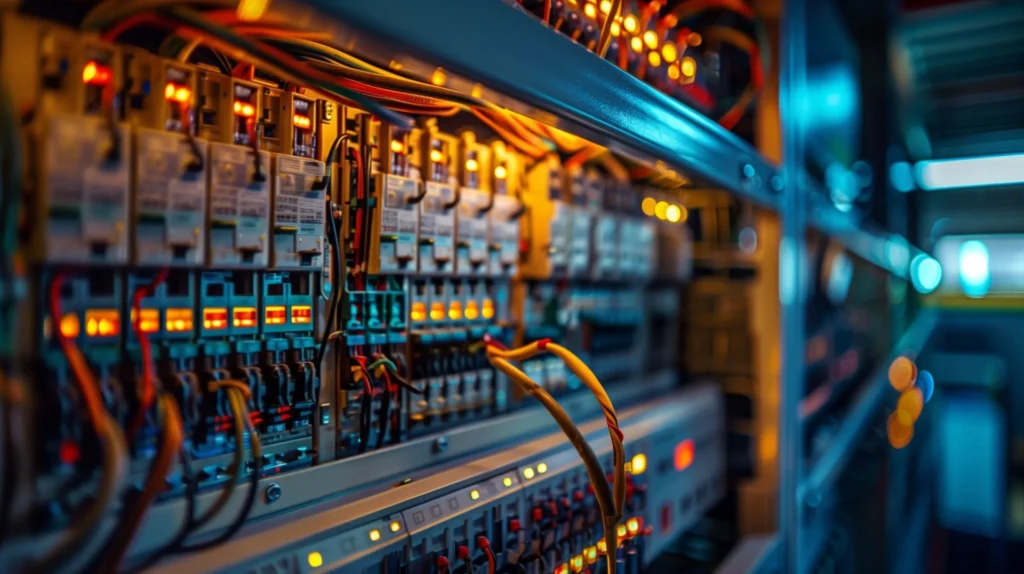
Once the design foundation is set, the distribution network takes center stage. This is where Commercial Building Electrical Infrastructure: Systems, Design & Maintenance becomes tangible: panels, feeders, transformers, switchgear, and branch circuits. We treat distribution like a map. If the map is wrong, every trip becomes stressful.
We build distribution networks that support clean routing and clear segregation of circuits. We separate essential loads from nonessential loads. We design for future growth by allowing reasonable expansion pathways without forcing major rewiring. And we keep load balancing in mind so equipment runs within expected ranges.
Equally important, we address coordination across devices. For example, if a feeder protection device does not coordinate with downstream breakers, the wrong device can trip first. That leads to wider outages, longer troubleshooting, and frustrated operators trying to identify which circuit actually caused the issue.
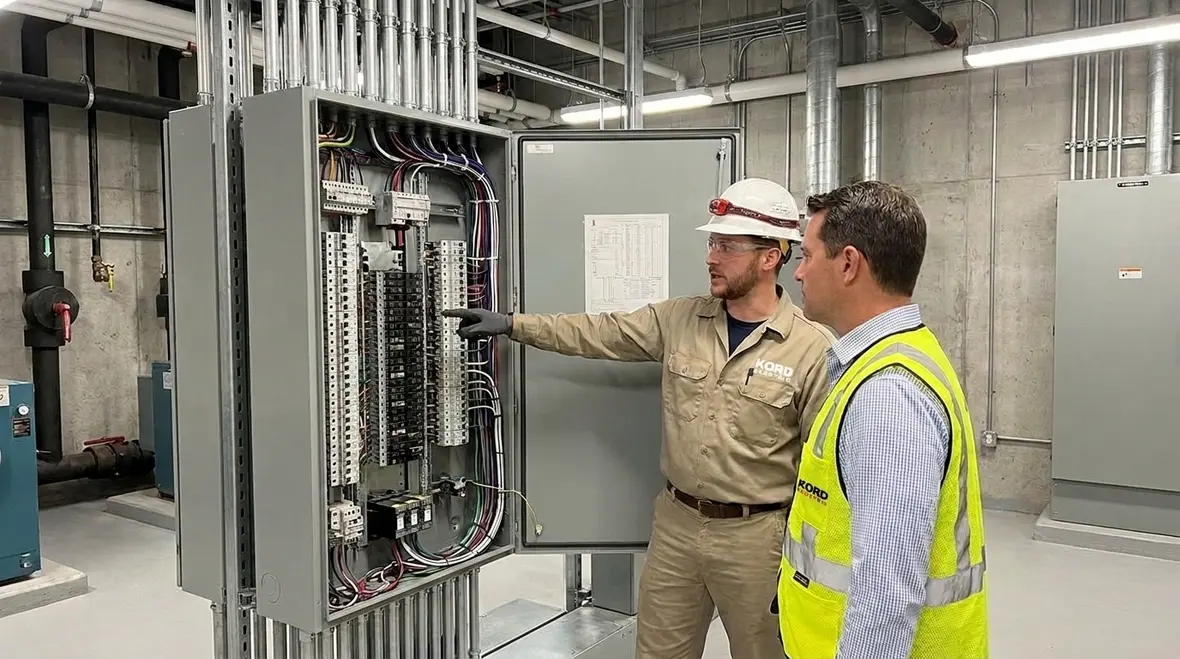
Our technicians explain this during commissioning. They show how the system behaves during simulated faults or tests, and they describe what labels mean and where to find key data. When operators understand the logic, response time drops. And when response time drops, business keeps running.
Why critical power and life safety need tighter planning
In commercial and industrial facilities, life safety systems and critical operations cannot rely on guesswork. If something fails, it must fail safely, and it must keep working when it matters. So we design for redundancy and controlled backup strategies, rather than hoping a single component carries the whole day.
We often support critical needs through arrangements that may include emergency power, selective coordination, and proper system testing. We also consider how life safety circuits interface with normal power so transitions remain stable. That means we verify wiring, labeling, and control logic and then we document it clearly. For many facility teams, this ties closely to the strategies we outline in our emergency and continuity resources on the Kord Electric blog, which show how layered planning keeps critical equipment running instead of improvising during the first real outage.
To keep the system reliable, we focus on maintenance-ready design. We ensure that panels and equipment support inspection and testing without excessive disassembly. We coordinate with facility teams so testing schedules fit operations. Our service staff then explains what results mean and what trends to watch, because trend matters more than a one time pass or fail.
Here is the calm truth: if the critical power side is handled thoughtfully, operators spend less time playing detective. Nobody wants to be the only one awake at 2 a.m. because the system decided to teach a lesson.
Preventive maintenance that protects uptime, not just equipment
Maintenance is where reliability either improves or slowly erodes. Therefore, we build maintenance programs that match how each facility runs. For commercial and industrial locations, we typically prioritize inspection and testing that targets the parts most likely to drift out of spec over time.
We perform tasks that help reduce nuisance trips and hidden failures. That can include inspections of terminations, torque verification on key connections, infrared scans where appropriate, and functional checks of protective components. We also review documentation and update labeling so technicians can find things quickly. Those same principles show up in related topics like panel labeling and uptime strategies in the Kord Electric blog, where clear documentation and disciplined testing keep Commercial Building Electrical Infrastructure: Systems, Design & Maintenance aligned with how real facilities operate.
However, we do not treat maintenance as a checklist with a rubber stamp. Instead, we evaluate results to identify patterns. If one area warms more than expected, we check the cause. If coordination issues appear, we confirm device settings and operating history. Then we recommend next steps based on risk and operational impact.
Just as importantly, our technicians explain findings in plain language. We translate test outcomes into what they mean for operations, and our expert service staff outlines a path to reduce risk. That way, facility leaders can plan budgets and outage windows with clarity.
Energy management, efficiency, and clean power for business goals
Commercial sites do not just need electricity. They need electricity that supports business goals like efficiency, compliance, and predictable costs. So, we work on energy management considerations that improve how facilities consume power.
First, we examine electrical distribution losses and how equipment operates under real load. Next, we help facilities align metering and monitoring with what they need to act. With better visibility, operators can respond to unusual load changes before they become expensive problems.
We also consider power quality. Harmonics, voltage imbalance, and stray issues can stress equipment and shorten service life. Meanwhile, modern loads like drives and variable speed equipment can introduce non linear behavior. Therefore, we evaluate power quality conditions and design or adjust solutions accordingly.
Even when a facility does not chase every efficiency metric, the benefits show up in steadier performance. And as a bonus, fewer complaints land in the facilities office. That alone is worth the paperwork.
One clear pathway for installation, commissioning, and long term support
Projects run smoother when the electrical scope has a clear sequence. We plan that sequence from design through commissioning and into ongoing service. That continuity matters, especially for commercial and industrial facilities where multiple trades work in parallel.
During installation, we manage quality at each stage: materials verification, routing discipline, termination standards, and documentation. Then we commission the system by verifying operation, labeling accuracy, and protective behavior. Finally, we provide handoff support so the facility team knows what to expect.
After go live, our service staff stays involved through preventive maintenance and targeted troubleshooting. Moreover, if the facility expands, we help evaluate how the electrical infrastructure adapts so it does not turn into a patchwork of compromises.
In short, we build long term confidence. We do not disappear after the final sign off. We remain available for inspections, upgrades, and maintenance that keep operations steady. When those needs stretch across multiple facilities or call for broader support in Los Angeles County, many organizations also connect this approach with Kord Electric’s broader Los Angeles County electrical services, so design, upgrades, and troubleshooting stay aligned.
FAQ
Can Kord Electric handle design and maintenance together?
Yes. We can support the full lifecycle, from design and installation through commissioning and ongoing maintenance, so decisions stay consistent over time. That means a single team helps plan Commercial Building Electrical Infrastructure: Systems, Design & Maintenance, guides construction and testing, and then supports real-world operation instead of treating each phase as a separate project.
Conclusion: Get reliable power planning with Kord Electric
If your commercial or industrial facility needs electrical systems that perform under real conditions, Kord Electric is ready. We design Commercial Building Electrical Infrastructure: Systems, Design & Maintenance solutions that prioritize reliability, clean power, and maintenance friendly execution. Then we support your team with commissioning help and ongoing service that reduces outages and confusion. When your plans extend across multiple locations or complex projects, you can also connect this infrastructure work with related services highlighted throughout the Kord Electric blog, including resources on commercial electrical systems for modern buildings and other portfolio-wide planning guides. Call Kord Electric today to review your infrastructure goals and plan the next steps with our expert service staff.
To take the next step toward resilient electrical systems, facility leaders often combine this infrastructure strategy with targeted services such as panel upgrades, emergency power design, or broader commercial projects. Aligning services with your long term plan helps keep every upgrade moving in the same direction instead of creating a patchwork of one-off fixes.