Commercial Electrical Fault Finding: Causes, Testing & Troubleshooting
Commercial Electrical Fault Finding: Causes, Testing & Troubleshooting is what Kord Electric relies on when a building starts behaving like it woke up on the wrong side of the grid. We focus on commercial and industrial facilities and major property buildings, because that is where downtime costs real money, real jobs, and real reputations. In this guide, our expert service staff and trained technicians walk through the way we approach faults: we spot clues, we test methodically, and we explain what we find in plain language. And yes, we do it without guessing, even when the breaker panel looks like it has seen things.
To keep things clear, we move from common causes, to safe testing methods, to troubleshooting steps that match how commercial systems are actually built. Then we cover documentation, reporting, and what happens after repairs. If you manage a facility, you will recognize the patterns right away, because electrical faults rarely arrive quietly.
What usually triggers faults in commercial buildings?
In commercial spaces, faults rarely come out of nowhere. They build over time, then show up fast once conditions line up. First, aging equipment plays a role. Components such as contactors, starters, switchgear parts, and cable terminations can degrade from heat cycles, vibration, and moisture. Then, electrical load changes push systems beyond what they were comfortable with. If a tenant adds equipment, upgrades lighting, or expands production, the building electrical system may respond with nuisance trips or slow failures that later become hard faults.

Next, poor connections often cause trouble. A loose lug does not usually “snap” into failure. Instead, it heats during operation, oxidizes, and eventually loses conductivity. At that point, you may see flicker, voltage drop, or breaker trips. Meanwhile, contamination from dust, chemical vapors, or water ingress can create leakage paths that show up under humidity and rain. Finally, power quality issues matter. Harmonics, unbalanced phases, and recurring surges can stress sensitive drives and controls.
Our technicians explain these causes in a way that facility teams can use immediately. We also note that not every symptom points to the same origin. For example, a tripping breaker can reflect a short circuit, but it can also reflect overload, bad connections, or a control fault that misreads current. So, we treat the symptom like a headline, and the cause like the full story.
Risk first: how we keep testing safe and effective
When fault finding begins, safety leads. We follow a step by step process that respects live electrical risks, arc flash hazards, and the reality that commercial sites run on schedules, not our calendars. Therefore, before any test, our team verifies the equipment scope, confirms labels and diagrams, and checks whether parts of the system can be isolated. Then we confirm test access and confirm that measurements will not damage equipment or compromise protections.
We also plan for shutdown impact. In a major property building, a test that requires a full isolation may not be acceptable during business hours. So, we select the right testing approach, sometimes using indirect checks first, then isolating sections only when it is necessary. This reduces disruption while still keeping the job thorough.
Additionally, our technicians document their checks as we go. That way, when we explain the findings, the facility team can see what was tested and why. It is like keeping receipts, but for electricity. Nobody wants a “trust me” report when a critical system is involved.
Commercial electrical fault finding methods that work on real systems
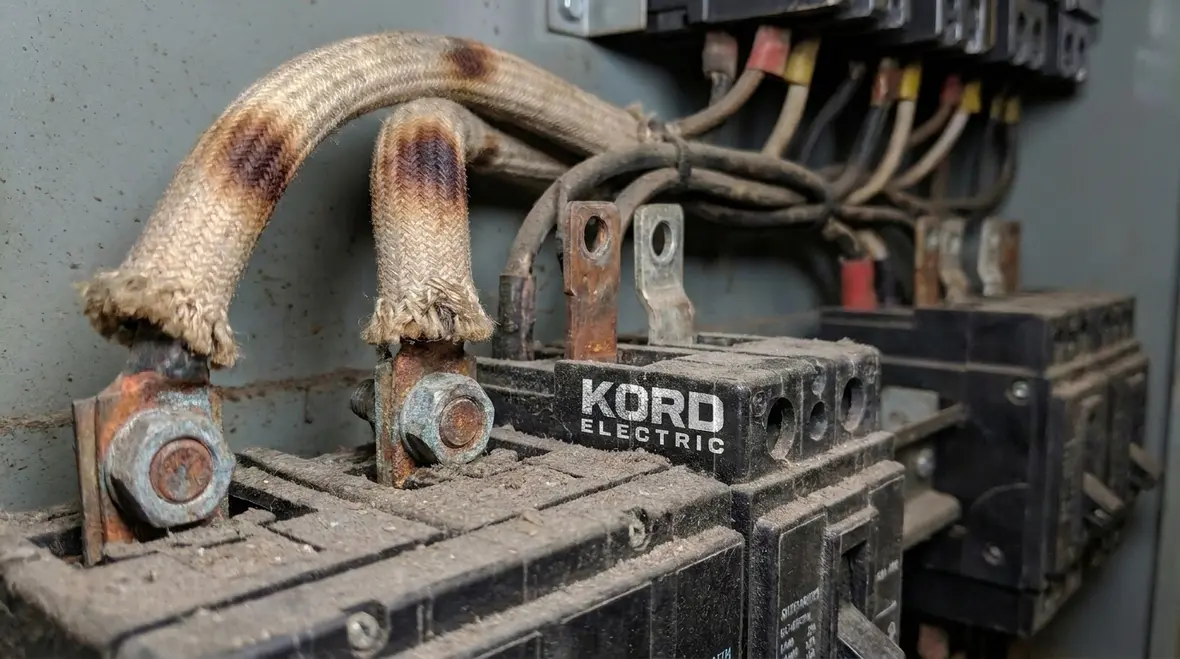
Once the site safety plan is set, we use testing methods that fit the symptoms and the design of the installation. First, we confirm basic electrical health. We measure voltage at appropriate points, verify phase balance, and look for signs of instability. Then we inspect for thermal issues and physical damage, because a fault often leaves fingerprints. Burn marks at terminations, discoloration on busbars, and worn insulation do not lie.
Next, we move into isolation tests and targeted measurements. Our expert service staff uses proper tools and procedures to confirm insulation condition, check continuity where needed, and validate protective device behavior. Where applicable, we test for earth leakage and check grounding integrity, because poor grounding can create repeating issues that look like mystery problems. Also, we verify current values during load conditions, not just at idle, since some faults only show up under demand.
Then we check controls. In commercial and industrial panels, many faults live in the control side, not the power side. A faulty relay coil, a failing sensor, or a miswired interlock can trigger shutdowns even when the motor circuit looks fine. Therefore, our technicians trace the cause through the control path and the power path together, so we do not stop at the first device that trips.
Finally, we cross check against documentation. Single line diagrams, panel schedules, and equipment data help us verify that the measurement matches the intended wiring. In other words, we do not treat the building like a rumor. We treat it like an engineered system with logic.

Step by step troubleshooting when breakers trip, lights flicker, or power fails
Let us cover the patterns our clients ask about most. When breakers trip, we start with what the building tells us. We review trip history if available, check whether the trip happens instantly or after a delay, and verify which circuit loads were active at the moment. Then we inspect for obvious damage and confirm correct wiring and torque on terminations. After that, we test the suspected circuit in segments, so we can narrow down whether the problem sits in the load, the cable run, or the termination point.
For flicker and voltage swings, we do not only chase loose connections. We also evaluate voltage drop, check phase balance, and look for load imbalance that can overload one phase. If the building uses drives or large motor equipment, we verify whether harmonics are contributing to instability. Then we check neutral connections where applicable. In commercial setups, a bad neutral can behave like a ghost that keeps returning at 2 a.m.
When power fails in part of a facility, we treat it like a map. We identify the affected sections, trace back upstream, and test systematically. If you operate a major property building, you usually have critical loads, so we prioritize life safety and essential systems first. After that, we troubleshoot the distribution path, including switchgear sections, distribution panels, and feeder circuits.
Throughout, our technicians explain the logic behind each test. We do not just say “we checked it.” We explain what the results mean, what it likely indicates, and what it would take to confirm. That kind of clarity helps your team plan repairs, schedule work, and avoid repeated shutdowns.
How we pinpoint the root cause, not just the symptom
Many repairs fix what the current outage shows, but they do not stop the next failure. Kord Electric aims for root cause resolution. First, we validate whether the fault is repeatable under the same load and environmental conditions. If it only appears during rain, humidity spikes, or certain shifts, we test with that in mind. If it appears after equipment startup, we connect the timing to motor loads, starters, or control logic.
Next, we confirm whether the fault is internal to equipment or external through the circuit. For instance, a failing contactor may create arcing and heat, while the breaker trip could occur at a higher level due to protective coordination. Therefore, we examine both local device condition and upstream protective behavior. Then we review whether protective devices were set correctly, because misconfiguration can lead to nuisance tripping or delayed response.
Then comes the documentation piece. We produce clear fault findings so facility managers can make confident decisions. We log what we tested, what we measured, which component likely failed, and what risks remain if the circuit stays in service. In short, our reporting helps you budget repairs and track recurring issues.
Also, we keep communication direct. Our expert service staff can walk you through the findings during a site debrief, so your team does not have to interpret electrical jargon like it is a foreign language. Yes, electricity is its own dialect, but it should not be a secret.
Repair, verification, and what happens after the fix
After we identify the cause, we do repairs with verification built in. First, we confirm that replacement parts match the application and the electrical ratings. Then we restore wiring and terminations to correct standards, including proper torque and finishing practices. If we identify heat damage or degraded insulation, we recommend replacements instead of patchwork. That matters in commercial and industrial facilities, where reliability and repeat safety checks protect your operation.
Next, we verify that protections behave correctly. We test under controlled conditions where possible, confirm voltage stability, and validate load response. Then we check that the fault does not return when the system returns to normal operation. This is where many “quick fixes” fall short. We do not simply swap a component and send everyone home with good vibes. We test to prove the job.
Finally, we advise on prevention. Depending on the fault type, we may recommend tightening schedules, inspection intervals, thermal imaging checks, or updates to labeling and documentation. In major property buildings, those steps reduce troubleshooting time later and help avoid repeat failures.
Fast comparison for facility teams
Common fault
- Breaker trips during demand
- Flicker or voltage imbalance
- Partial outages after startup
Likely root areas
- Connections and terminations
- Control circuit and interlocks
- Neutral or grounding faults
What we test first
- Voltage and phase balance
- Insulation and continuity where needed
- Protective device behavior
How we close the loop
- Repair verification
- Return to normal load testing
- Clear fault findings report
For deeper background on how structured diagnostics support uptime across large facilities, you can also look at Kord Electric’s broader Los Angeles County electrical services, which connect troubleshooting, upgrades, and long term maintenance into one coordinated plan.
FAQ about commercial electrical fault finding
If you operate across multiple locations or want to integrate fault finding with broader inspection and maintenance work, it can also help to connect this with Kord Electric’s ongoing electrical repair and troubleshooting programs highlighted throughout their Electrical Repair & Troubleshooting resources.
Book Kord Electric for dependable fault finding
If your commercial or industrial facility is facing nuisance trips, flickering power, or partial outages, do not play electrician roulette. Contact Kord Electric and let our technicians handle the full Commercial Electrical Fault Finding: Causes, Testing & Troubleshooting process, from safe testing to root cause verification and clear reporting. We focus on major property buildings where downtime hurts, and we keep communication simple and direct. Reach out today, and let us bring steady power back to your site, the professional way, without the guesswork.
As you map out the next steps for your facility, you can also align this work with Kord Electric’s wider service support for complex properties, including structured troubleshooting, inspections, and upgrades across Los Angeles County and surrounding areas.
When you are ready to move from reacting to outages to actively stabilizing your system, coordinating Commercial Electrical Fault Finding: Causes, Testing & Troubleshooting with your broader Los Angeles County electrical services plan helps keep breakers, panels, and distribution equipment working together instead of fighting your operations.
If your team also needs help with day to day issues like repeated trips, unexplained flicker, or localized failures in specific wings or tenant spaces, tying this guide into Kord Electric’s electrical repair and troubleshooting expertise gives you one point of contact for both diagnostics and long term reliability work.
From the first phone call to the final verification test, the goal stays straightforward: dependable, well documented Commercial Electrical Fault Finding: Causes, Testing & Troubleshooting that keeps your building on the right side of the grid and your operations focused on business, not on chasing mystery faults.