Commercial Lighting Control That Saves Energy With Automation, Kord Electric
Commercial lighting control that actually saves energy
At Kord Electric, we install Commercial Facility Lighting Controls: Design, Automation & Energy Savings for commercial and industrial facilities, and for major property buildings where lighting runs all day, every day. We do it with systems that match how people work, not how a generic brochure hopes you do. In other words, we bring calm order to a space that often feels like it is fighting with itself, like a sitcom where everyone forgot the punchline.
Instead of turning lights on because someone forgot to turn them off, we help facilities control lighting with schedules, sensors, and smart automation. Then we validate results, explain the setup in plain language, and keep the service side dependable. Our technicians and expert service staff walk our customers through what matters, when it matters, and why it matters.
What commercial facilities need from a lighting control plan
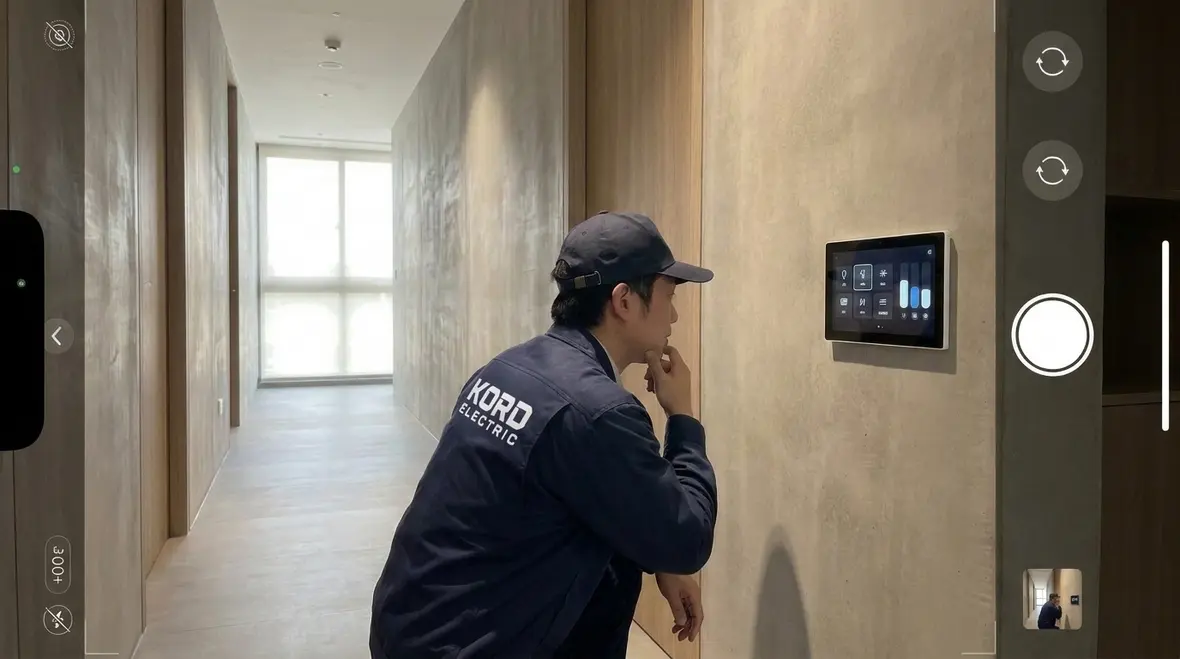
Commercial and industrial lighting control starts with how your building behaves. Most facilities have zones with different use patterns. Offices might run steady during business hours, while warehouse bays, corridors, and loading areas need different light levels and occupancy logic. Retail has foot traffic spikes; manufacturing has shifts; multi tenant properties have varying schedules. Kord Electric builds control plans around these realities so the system supports operations instead of interrupting them.
To do that, our team looks beyond “reduce wattage.” We map circuits and fixture groups, confirm lighting types, and identify where daylight can help. We also consider safety, glare control, and emergency lighting coordination. If you have ever watched a lights on lights off routine make a hallway look like it is haunted by a fluorescent poltergeist, you already know the value of correct zoning and smart logic.
For facilities teams comparing options, it can help to see how controls behave in practice. Kord Electric’s article on automated lighting control benefits for facilities walks through how real schedules, occupancy, and daylight tuning work together instead of fighting each other.
Design: zone layout, switching strategy, and daylight integration

We design lighting controls like we design a proper electrical system: with clear structure and fewer surprises. First, we define zones by function, not by floor plan colors. Next, we choose switching and dimming methods that fit the load and the wiring reality you already have.
Then we integrate daylight where it matters. When sunlight hits a lobby, conference hallway, or warehouse skylight line, lights should respond. In practice, that means sensors and dimming controls that adjust output while maintaining target levels for comfort and visibility. As a result, your building reduces energy use without creating uneven lighting.
Our technicians explain the design choices as they work. For example, we tell others why we group fixtures a certain way, why we avoid mismatched dimming loads, and how we set levels to support tasks. We do not hide the logic behind buzzwords. We prefer clarity, because facilities leaders need decisions they can defend.
And yes, we do make jokes sometimes. When someone says, “Can we just tie everything together and call it smart,” we respond, “Only if you enjoy paying for the whole building to light up like a stadium during a janitor’s shift.” Then we smile and build it correctly.
Building on broader commercial electrical design
Lighting controls sit inside a larger electrical story. As Kord Electric explains in its guide to commercial electrical systems for modern buildings, panels, distribution, and automation platforms all influence how well controls behave over time.
Automation features that fit real shifts and real occupancy
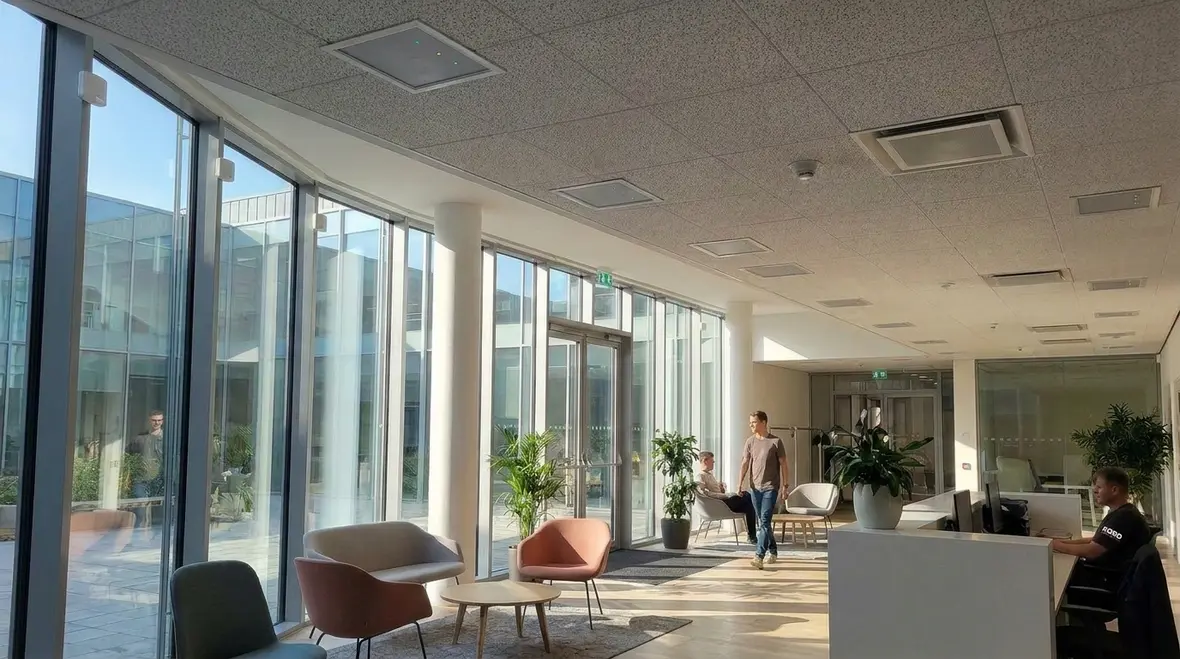
Automation succeeds when it follows how people actually move through a facility. Kord Electric helps commercial facilities use controls that handle schedules and occupancy without constant manual changes. We commonly support strategies like occupancy sensing for intermittently used spaces, time based schedules for predictable areas, and override options for staff when business needs change.
We also use staged control sequences. That means lights rise to set levels when someone enters, then adjust down as the space clears or as natural light covers the area. This approach reduces energy waste and avoids the “all or nothing” behavior that can frustrate occupants.
Another key part is smart override and fail safe logic. If your building runs a special event, hosts visitors, or shifts production, occupants can adjust lighting without breaking the automation rules. At the same time, the system keeps behavior consistent across zones so staff do not have to chase settings like they are tracking down a loose cable in a cable tray maze.
Coordinating automation with other systems
In many facilities, lighting control also feeds into broader energy and building management strategies. Articles like Kord Electric’s smart building energy management for offices show how controls, load balancing, and monitoring share data so the building behaves like a single coordinated system.
How energy savings happen, and how we measure them
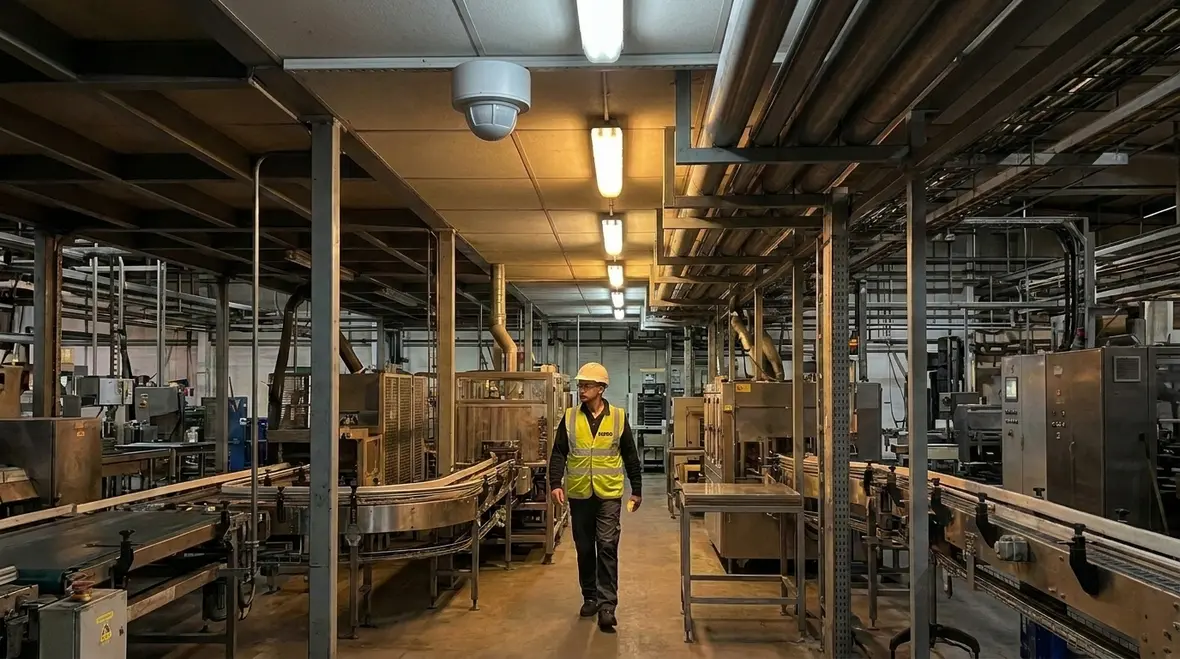
Energy savings come from reducing lighting run time, lowering light output when full brightness is unnecessary, and preventing “lights on, nobody home” waste. However, we know savings must be real, not just theoretical. So we help clients plan controls that match measurable targets.
To keep results grounded, we take a practical approach. We confirm current fixture wattage and operating schedules, identify lighting categories by area type, and estimate how each control strategy changes usage. Then, after installation, we verify performance and fine tune settings. We do this because dimming profiles and sensor placement can change the final outcome.
Our expert service staff also explains what to watch. For instance, we tell building operators how to adjust set points based on seasonal daylight changes, and how to interpret sensor behavior if occupancy patterns evolve. In other words, we do not hand off a system and disappear. We stay to support the way the building actually runs.
Tying savings to broader facility goals
Lighting control savings often pair with other upgrades, from power quality to maintenance planning. Resources such as Kord Electric’s commercial electrical load balancing solutions and commercial preventative maintenance programs explain how those pieces support stability, lifespan, and predictable operating costs across your facility.
Commissioning, compliance, and keeping the system reliable
Once equipment is installed, commissioning matters. Controls need correct addressing, proper calibration, and accurate scene logic so everything responds the way it should. Kord Electric follows structured steps to verify coverage, test transitions, and confirm that overrides and schedules behave correctly. This includes coordination around safety related lighting requirements, especially in commercial and industrial environments where regulations and operational needs overlap.
Reliability is also a maintenance mindset. We advise clients on service intervals, how to spot sensor issues early, and how to handle firmware or configuration updates. The goal is simple: keep the system stable and reduce downtime. Because nothing kills adoption like a control system that works great until the first time it gets moody, like tech support for a router you never asked for.
Our technicians and service staff also train operators. We walk them through day to day use so the system stays in control. And if questions show up later, we handle them. That is how we build long term partnerships in major property buildings and industrial spaces, where continuity is not optional.
Integrating lighting projects with service programs
For many organizations, the best results come when lighting control lives inside a structured electrical maintenance approach. Kord Electric’s overview of commercial and industrial electrical maintenance plans shows how inspections, testing, and targeted upgrades keep control systems reliable year after year.
Common pitfalls we help clients avoid
Many lighting control projects struggle because the plan gets copied from somewhere else. Facilities think one rule works everywhere. Then they get uneven coverage, flicker, or zones that never quite hit the right brightness. We help prevent those issues early.
Here are pitfalls we actively avoid:
- Wrong zoning: We group fixtures by function and usage, not by wiring convenience alone.
- Mismatch between dimming hardware and load types: We verify compatibility to prevent unstable performance.
- Overreliance on simple occupancy: We use occupancy plus schedules and, when needed, daylight logic.
- No commissioning: We test transitions, calibrate coverage, and confirm scenes behave correctly.
- Neglecting operator workflows: We design overrides and training so staff can handle change without frustration.
To be blunt, a control system can look impressive on a diagram and still fail in the field. So we focus on real performance. And yes, we say this with the affection of someone who has seen too many “it should work” plans turn into “why does this hallway act like it is starring in its own horror movie.”
FAQ
Key benefits for major property buildings
For major property buildings and multi use commercial campuses, consistent lighting behavior matters. Tenants care about comfort. Owners care about operating cost. Operators care about maintenance. Meanwhile, your facility’s daily reality keeps changing.
That is why Commercial Facility Lighting Controls: Design, Automation & Energy Savings is not only about saving energy. It also brings repeatable control across zones, clearer operations for building teams, and measurable performance over time. We design systems that support steady spaces like offices and flexible spaces like corridors and shared amenities. Then we add automation that reacts to occupancy and daylight changes.
And when you operate with trained support, the whole building benefits. Our technicians explain how the system works, and our service staff helps keep it running smoothly. That means less guessing, fewer complaints, and fewer “who turned the lights to max again?” moments.
For portfolio and campus teams, it can also help to look at how lighting control fits alongside other upgrades. Kord Electric’s resources on industrial facility electrical power distribution upgrades and Los Angeles County electrical services outline how distribution, controls, and service coverage all pull in the same direction.
Ready to upgrade your lighting control system?
If you want commercial and industrial lighting control that performs, Kord Electric is ready to help. We design zoning and automation around how your facility actually runs, then we commission and support the system so it keeps working the way you expect. Our technicians explain choices in plain language, and our expert service staff stays available for reliable follow through. Contact us to plan your next lighting upgrade and start seeing measurable energy savings with calmer, smarter control.
If you are also exploring how lighting fits into a wider facility strategy, Kord Electric’s guide to commercial lighting control systems for facilities is a strong next read. It pairs design and automation concepts with practical examples from real commercial and industrial sites.