Building Panel Load Testing: How to Verify Electrical Capacity & Safety
Kord Electric helps commercial and industrial facilities prove they can safely carry real-world electrical demand. In our process, we focus on Building Panel Load Testing: How to Verify Electrical Capacity & Safety early enough to prevent surprises later. Therefore, we verify capacity, we check protection, and we confirm that your system behaves like it should when motors start, HVAC ramps up, and loads settle into their normal rhythm. If you have ever watched a breaker trip and wondered, “Is this the system or just my luck,” you are not alone. Others may blame the weather, but we prefer measurable facts. Our technicians and expert service staff bring a calm, methodical approach so your power stays stable, your panels stay within limits, and your operation keeps moving.
Why commercial buildings need load testing that actually proves capacity
Commercial and industrial sites run on uptime. Yet many facilities rely on nameplate ratings and past habits instead of verification. As a result, you may find that a panel looks fine on paper while real demand climbs higher than you expected. Over time, added equipment, remodels, tenant changes, and new production cycles alter the load profile. Then the electrical system tries to keep up, and it does so with stress you cannot always see.
Here is the part people underestimate. Loads do not behave like static numbers. Motor start current spikes, refrigeration cycles swing, and office or retail bays can shift quickly. Therefore, Building Panel Load Testing: How to Verify Electrical Capacity & Safety becomes a practical way to confirm that the electrical capacity matches today’s needs, not yesterday’s assumptions.
At Kord Electric, our team approaches this with clear steps and calm explanations. Our technicians will walk the site manager through what we expect, what we measure, and what the data means. In other words, we do not just “run a test and leave.” We bring a real conversation, like a coach breaking down film, but with fewer dramatic catchphrases.
Building load testing overview: what our expert team checks
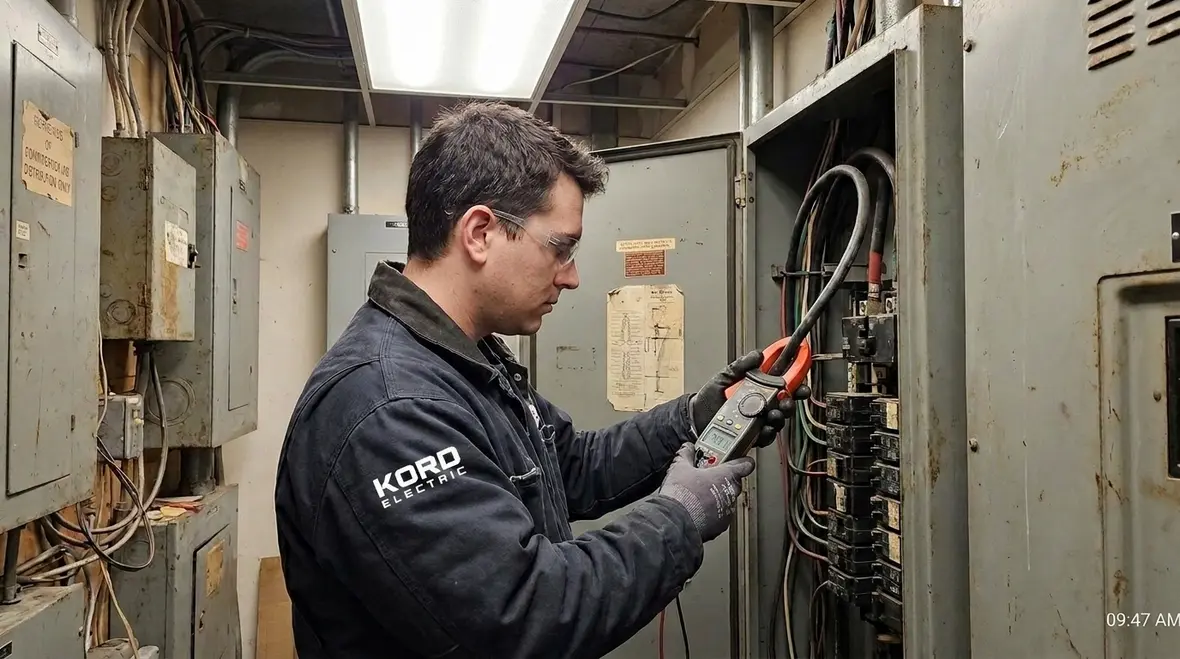
Before any test starts, we plan around the building’s operating schedule and known load sources. Then we define the goal: verify capacity, confirm thermal performance, and assess protection behavior. Accordingly, our technicians focus on the panel or switchboard, the feeders, and the connected loads that influence current flow.
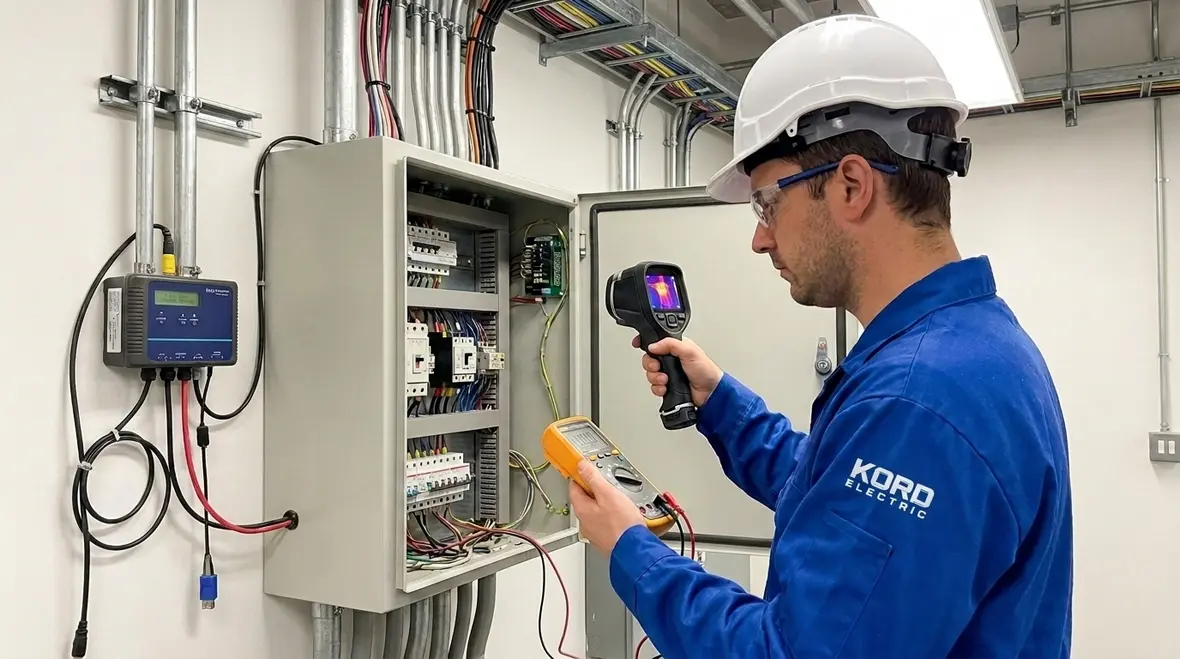
In most commercial and industrial settings, we monitor key electrical behavior, including actual current draw, voltage stability, and phase balance. We also compare measured values to design limits and to what the facility normally experiences. Additionally, we look at trends, because a single reading can mislead. When the system runs for minutes, then hours, the pattern tells the truth.
Our expert service staff explains the checks in plain terms. For example, we explain why voltage drops matter, how overheating can form even when breakers do not trip, and why protection settings must match the real load scenario. If someone tells you, “It never tripped before,” we respond politely. Then we show them the measurements, because past comfort is not a safety plan.
Step by step: how we verify electrical capacity and panel safety
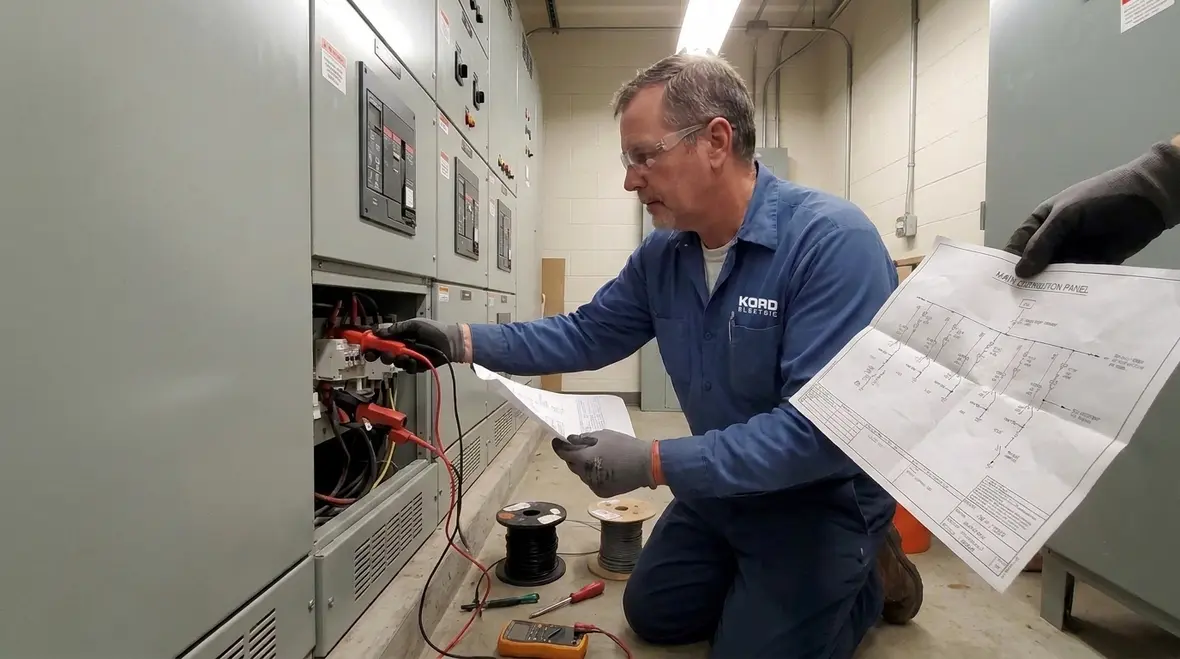
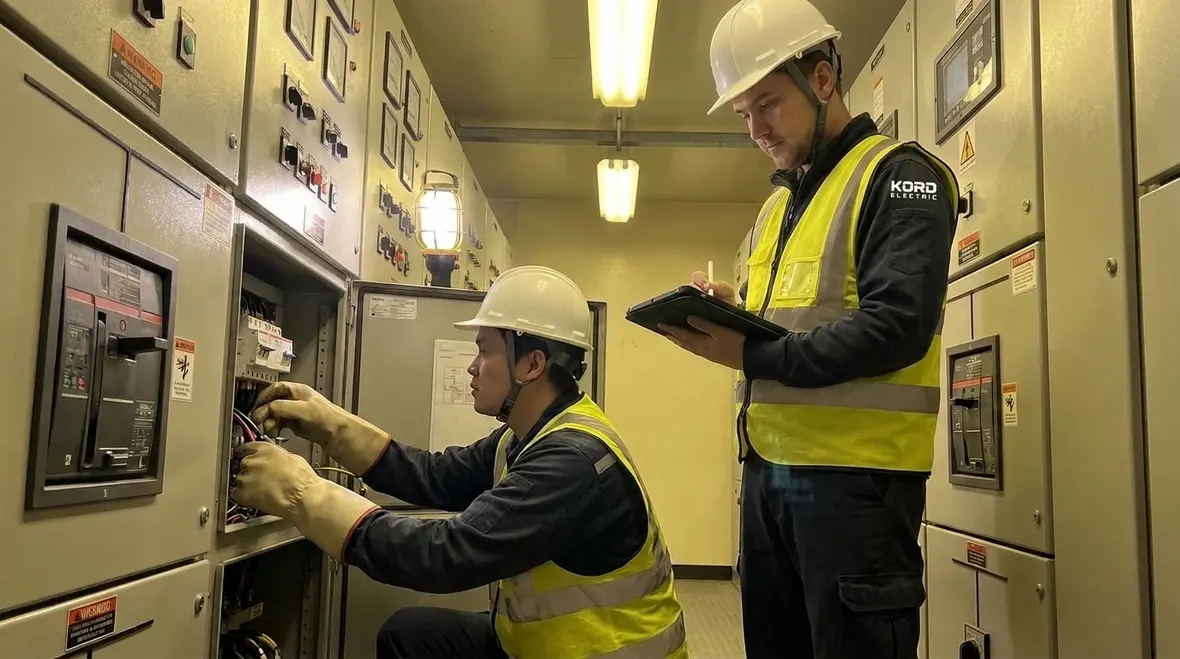
We start by reviewing available data, such as one-line diagrams, panel schedules, equipment list, and any prior test records. After that, we inspect the physical condition of the equipment. Then we build a test plan that fits the building’s daily reality.
First, we collect baseline conditions. We document normal operation and confirm meter placement so results match what you actually use. Next, we identify high-impact loads like HVAC compressors, pumps, conveyors, process equipment, and major lighting or receptacle circuits.
Second, we perform load verification. We apply or simulate conditions that represent expected demand. In many facilities, we use existing operations to create a natural load profile rather than forcing unrealistic spikes. Meanwhile, our technicians monitor currents and voltage under load and observe how the system responds.
Third, we check protection behavior and health. We verify that breakers and protective devices operate as designed. We also assess coordination concerns by watching for abnormal voltage, excessive current imbalance, and symptoms that point to loose connections or aging components.
Fourth, we evaluate thermal risk. Electrical stress can show up as elevated temperatures. Therefore, we look for signs that indicate overheating at terminations, bus connections, or other hot spots. We then connect those findings to practical next steps.
Finally, we document everything in a clear report. In addition, our technicians explain the results and what we recommend for commercial and industrial facilities. That way, other stakeholders can make decisions with confidence, not guesswork.
Equipment, methods, and real measurements that guide decisions
Load testing only works when you measure the right things the right way. At Kord Electric, we use instruments and methods that support dependable results under normal operating conditions. We also align the test duration with how the building behaves, because some issues show up only after equipment cycles.
For example, we do not treat load testing like a quick snapshot. Instead, we monitor how current patterns shift through the load cycle. As a result, we can spot imbalance between phases, see how voltage stabilizes or drifts, and confirm that the panel handles sustained demand without unacceptable strain.
In commercial buildings, the load profile can change faster than a plot twist in a sitcom. In industrial settings, it can shift with production cycles. Therefore, we design the test window around actual operations. If your facility runs on two shifts, we plan accordingly. If your HVAC cycles for long periods, we plan for that too.
Meanwhile, our team keeps the process business friendly. We coordinate access, we reduce downtime, and we keep you informed. And yes, if the schedule requires patience, we bring that calm energy. Nobody needs a “surprise outage” that turns your day into an episode of a reality show you did not audition for.
Interpreting results: what the data tells us about safety
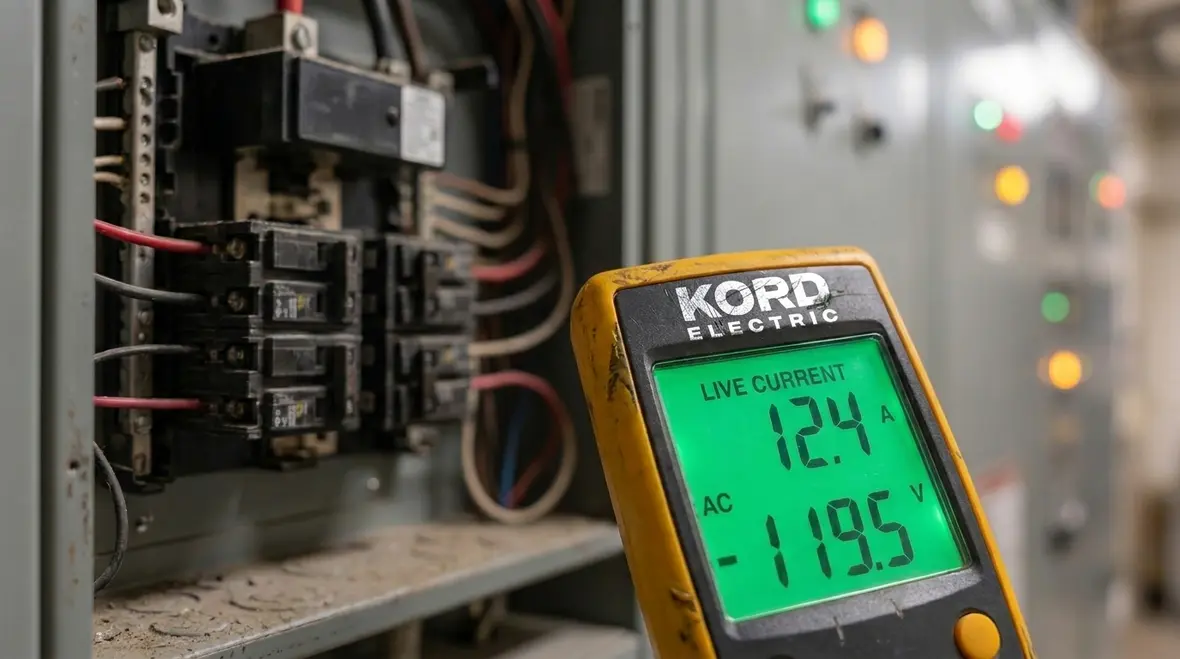
Once the measurements finish, we move into interpretation. This is where many teams get sloppy. They collect numbers but do not translate them into safety and capacity decisions. We do the opposite. We connect the readings to how the system performs under expected demand.
Our technicians look at current levels relative to design intent and breaker and conductor limits. Then we evaluate phase balance, because imbalance can overheat components and reduce system efficiency. After that, we check voltage performance. Even small drops can indicate cable constraints or load interactions that matter during heavy operation.
Thermal indicators also play a key role. Therefore, when we see elevated temperatures at specific points, we investigate possible causes such as connection quality, component age, or insulation concerns. We then recommend repair, tightening, replacement, or targeted updates based on what the data supports.
Just as important, we interpret protection behavior. If protective devices respond inconsistently, that can signal coordination issues or conditions that risk nuisance trips or delayed fault clearing. As we explain the findings, our expert service staff highlights the practical path forward. We focus on commercial and industrial facility safety because the cost of guessing is always higher than the cost of measuring.
How load testing supports compliance and reduces risk over time
Commercial and industrial facility owners need reliability, and they also need documented proof. Load testing supports safer operations by showing that electrical capacity matches demand and that equipment handles stress properly. Additionally, the reports help teams plan upgrades with fewer surprises.
When we run Building Panel Load Testing: How to Verify Electrical Capacity & Safety programs in a structured way, you gain more than one test result. You gain a baseline for future changes. Later, if you add equipment or expand production, we can compare new measurements to the earlier reference. Therefore, we reduce the risk of operating in a gray area.
Our technicians also help you avoid the common “fix it when it fails” pattern. Instead of waiting for overheating, nuisance trips, or power quality complaints, we look for early signals. Then we act before the building starts paying a tax in downtime and emergency repairs.
If you are referencing the topic from our guide on commercial electrical load testing for safer power, you already know the logic: safer power comes from verification, not assumptions. We follow that same principle, and we apply it carefully to commercial and industrial panels and major property buildings.
For larger portfolios or high-demand operations, we often connect building panel load testing with broader reliability work such as structured electrical preventive maintenance and emergency power system testing. That way, your Los Angeles County electrical services strategy supports both everyday operations and the moments when the grid does not cooperate.
FAQ
Get a safer power baseline with Kord Electric
If you operate a commercial or industrial facility, you deserve electrical confidence, not hope. Kord Electric builds a clear Building Panel Load Testing: How to Verify Electrical Capacity & Safety plan that fits your schedule, measures what matters, and explains results in a way your team can act on. Therefore, you can plan upgrades with fewer surprises and reduce risk before it becomes a real emergency. Contact us today to schedule load testing with our technicians and expert service staff, and let’s verify your power like professionals.
To strengthen your overall safety and reliability posture, consider pairing panel load testing with related reliability services such as commercial electrical load capacity assessments, emergency power system testing, and structured preventive maintenance. Together, these steps help create a safer power baseline for your building instead of waiting for the next unexplained trip or outage to force the conversation.