Commercial Preventative Maintenance Programs Kord Electric
Facility managers do not want surprises. They want control, predictable costs, and equipment that behaves like it has read the manual. That is why Kord Electric builds Commercial Preventative Maintenance Programs for commercial and industrial facilities and major property buildings. We design them like a playbook, not a guess.
In this guide, we walk through how our team helps facility managers set up a custom program that matches the building, the load, the risk, and the real world schedule. And yes, we do explain things. Our technicians and expert service staff do not just swap parts. They explain what they found, what it means, and what comes next, so managers can make decisions with confidence.
Build a maintenance plan that fits the building, not the other way around
When Kord Electric starts a custom program, we first look at the facility like a living system. Then, we design the Commercial Preventative Maintenance Programs around what the site actually does every day. A data room, a warehouse, a retail box, and a multi story office tower may all use “electricity,” but the way power flows, heats, and ages is different.
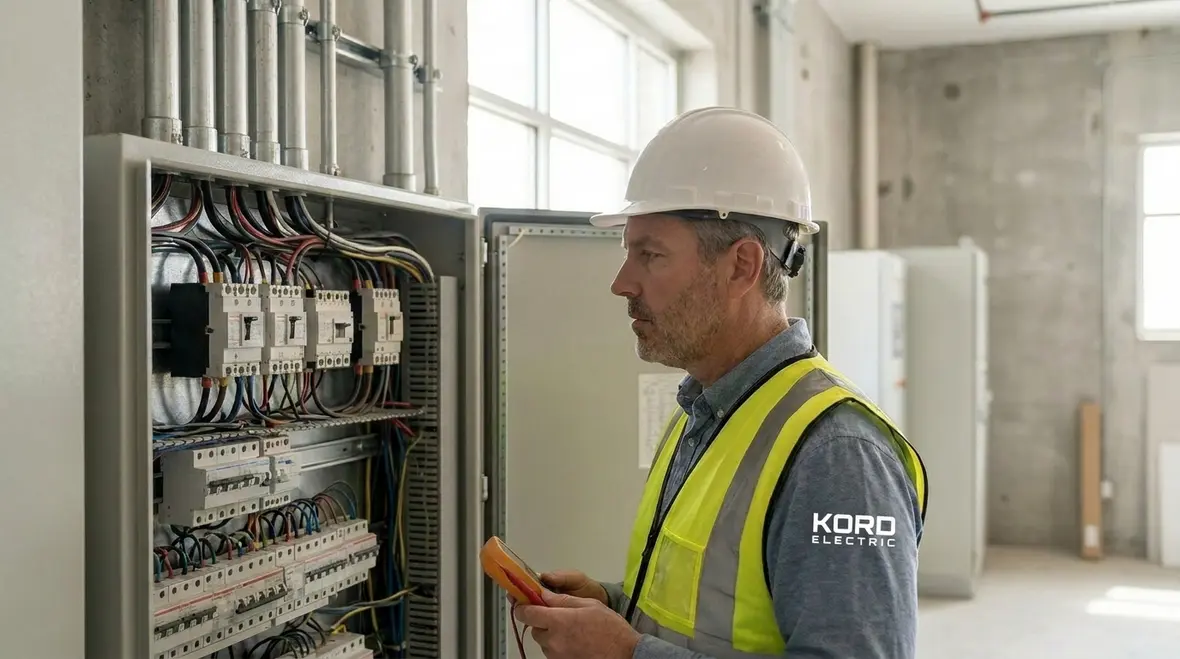
Next, our technicians review utility data, past work orders, equipment names, and any known problem history. We also consider operating patterns such as night shifts, seasonal demand, and how fast a tenant space gets turned over. This matters because the same component can wear out faster when it runs hotter, cycles more often, or gets dusty in ways that a quick visual inspection would miss.
To keep this practical, we translate that information into an inspection and service schedule. We also define response expectations. So instead of “someday maintenance,” the facility gets a plan with clear tasks, clear intervals, and clear outcomes.
Use risk based schedules for electrical systems
Facility managers often ask for a schedule that is simple. We respect that. However, electricity does not care about simplicity. It cares about heat, load, and connections. So we build the plan around risk, and we rank systems by potential impact.
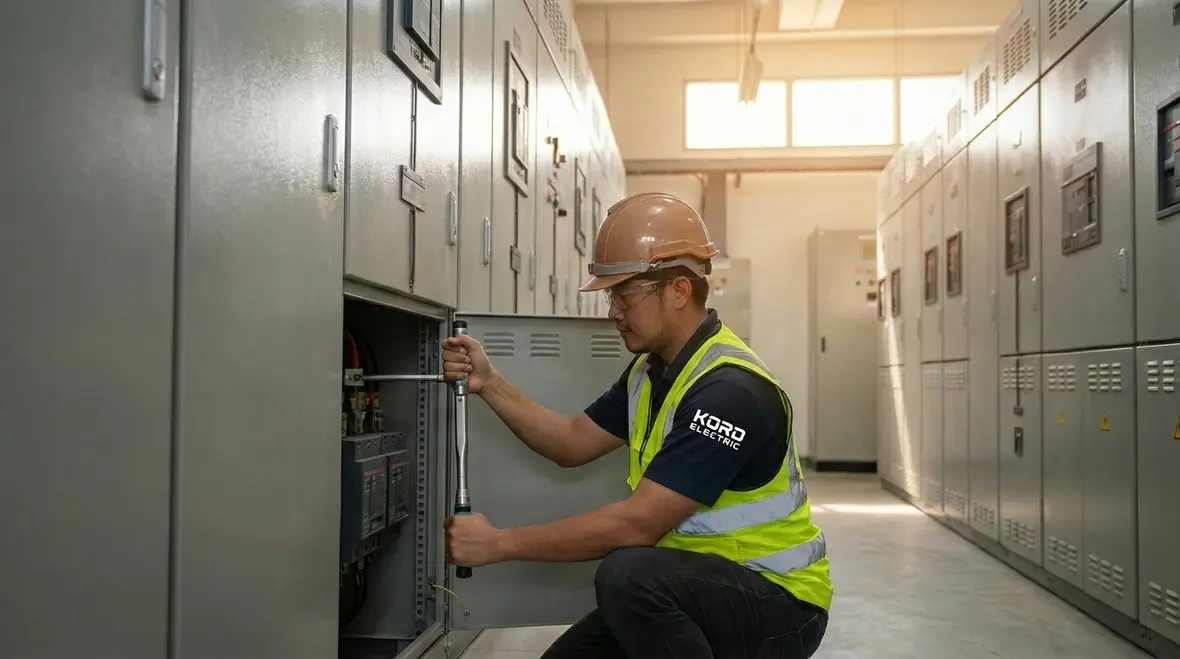
For example, electrical rooms and switchgear carry a different risk level than general lighting circuits. Likewise, a busway feeding critical loads deserves more attention than a line that serves low consequence spaces. Therefore, we use risk based timing for inspections, testing, and torque checks. That reduces the chance of failure during peak hours, and it helps avoid emergency calls that usually arrive right when a manager least wants them.
Our approach aligns with the kind of structured planning described in resources like Commercial and Industrial Electrical Maintenance Plans, where preventive maintenance is treated as an organized, documented process, not a guess. In plain terms, we do not treat every facility the same. We set priorities, then we keep the schedule realistic for the building team. When others rush through maintenance like they are trying to win a bet, problems tend to come back. When we plan with discipline, the building runs calmer.
Define scope, standards, and documentation that auditors respect
A maintenance program is only as strong as its paperwork. And yes, paperwork can feel like a tax form written by a villain. Still, facility managers benefit from it. Strong documentation supports audits, internal reviews, and long term planning.
Kord Electric helps define scope and standards before work starts. We outline what gets inspected, what gets tested, what gets cleaned, and what gets repaired. We also capture baseline conditions so future inspections compare “before and after,” not “now and vibes.”
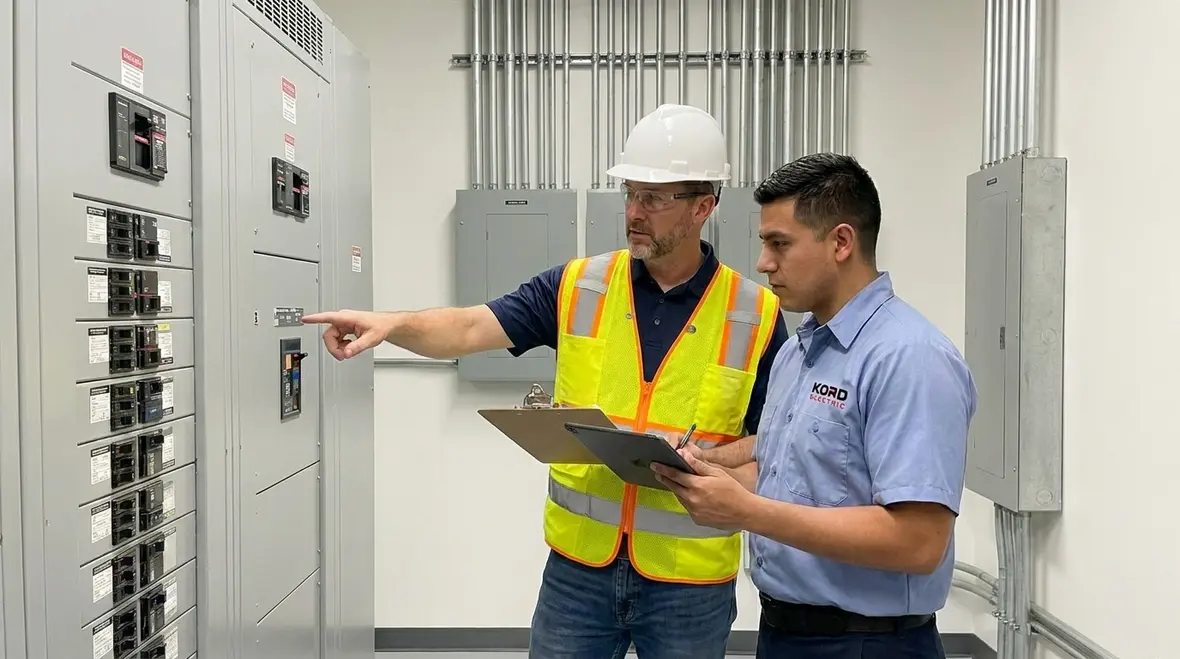
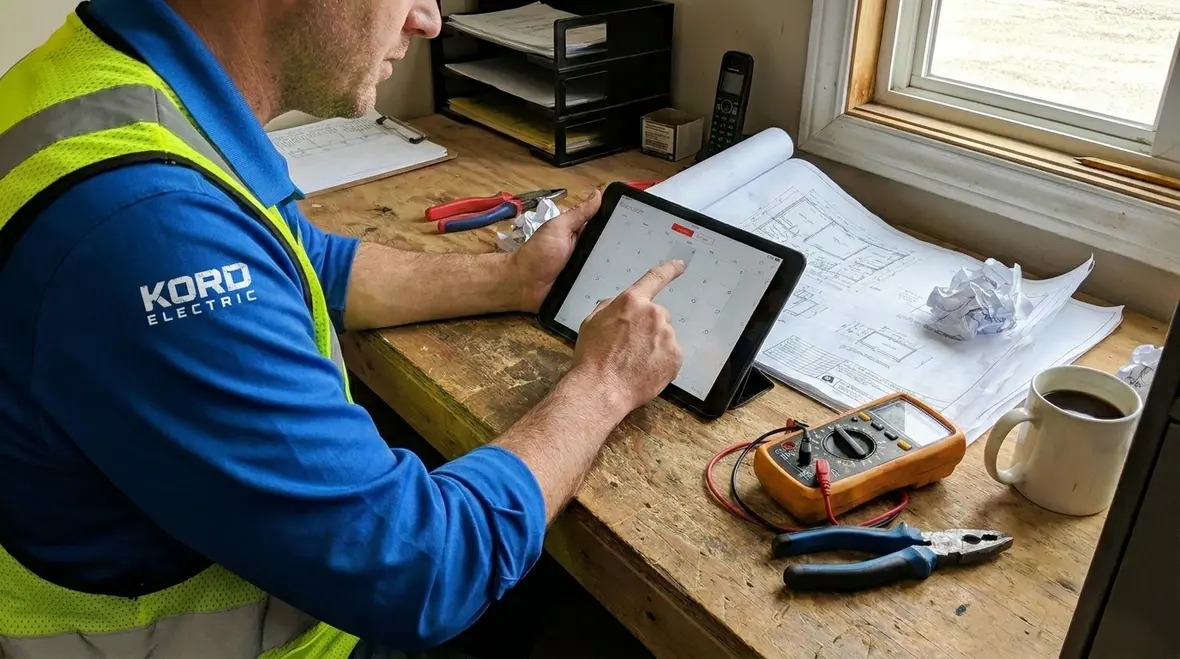
Then we organize results into a format facility teams can use. Our expert service staff records findings, photos when needed, and recommended actions. After that, we label items with clear urgency levels. This way, a manager can decide what gets handled now, what gets scheduled, and what is safe to watch.
That also improves communication with property stakeholders. When questions come in such as “Why did this take time” or “What was the risk,” the answers show up in the records, not in someone’s memory.
Sequence inspections so operations stay steady
Facility managers do not schedule downtime for fun. So we sequence the work to reduce disruption. First, we map where downtime is tolerable and where it is not. Next, we group tasks that can run together without turning the building into a construction site.
For example, we may perform lower impact inspections during off peak hours and reserve higher impact work for windows that the facility already uses. If a building has multiple tenants, we also coordinate access requirements. We keep the plan synchronized with the facility schedule, so the maintenance program supports operations instead of fighting them.
Additionally, we plan for coordination with other trades when needed. That reduces repeated site visits, avoids tool conflicts, and keeps the building team focused on their actual work. If you have ever seen a maintenance day turn into a group project where nobody agrees on roles, you already know why sequencing matters.
Make it measurable with clear performance targets
A custom Commercial Preventative Maintenance Programs should not just exist. It should produce measurable improvements. Therefore, Kord Electric helps facility managers track key outcomes over time.
We use practical measures such as reduction in unexpected failures, fewer repeated service calls for the same issue, and more stable equipment readings from inspection and testing. We also track completion rates against the planned schedule. When we see gaps, we adjust the plan based on what caused the delays and what changed in the facility.
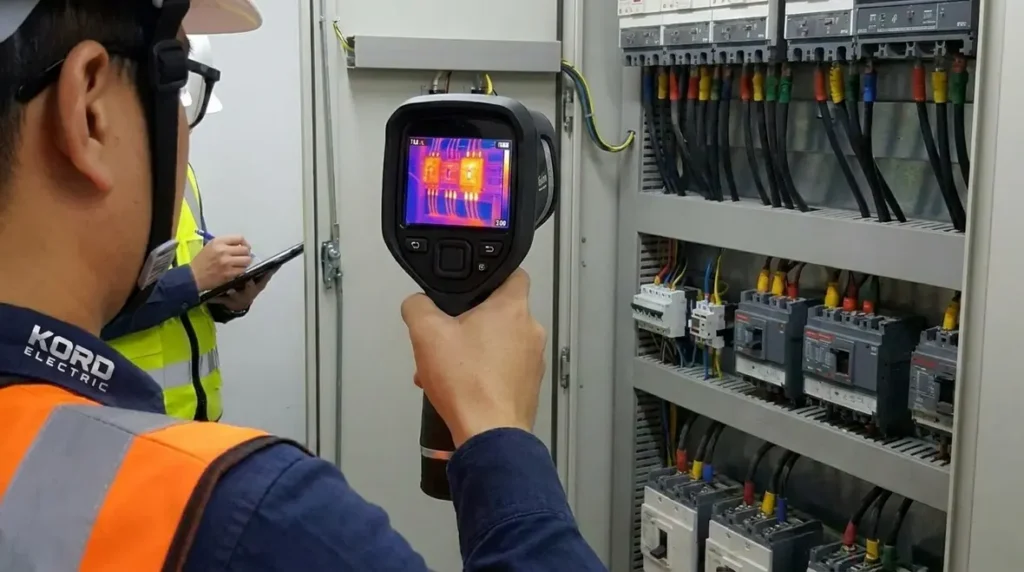
Moreover, we treat trends as signals. If thermal behavior shifts, if connections show repeated wear, or if a circuit behaves differently after tenant changes, the program should respond. That means updates to the schedule, additional spot checks, or targeted corrections. The best programs evolve because the building evolves.
Coordinate change: tenant fit outs, load growth, and aging equipment
One reason preventive maintenance fails is that it ignores change. Tenants expand. Loads grow. Lighting gets upgraded. New equipment gets added. And suddenly the electrical system operates in a different way.
So we build the program with change control in mind. Our expert service staff reviews how future work might affect equipment. We also recommend electrical assessments when a project could increase load, alter distribution, or change operating patterns. This keeps the facility from treating every improvement as “temporary” until it becomes expensive.
We also account for aging equipment. As components age, their failure modes change. That affects inspection detail and testing frequency. Therefore, the Commercial Preventative Maintenance Programs should include a path for older gear, not just a baseline for brand new systems.
In short, the plan keeps pace with the facility, rather than hoping the facility stays still. Buildings do not stay still. They just pretend they do until something trips.
How Kord Electric delivers expert service to your team
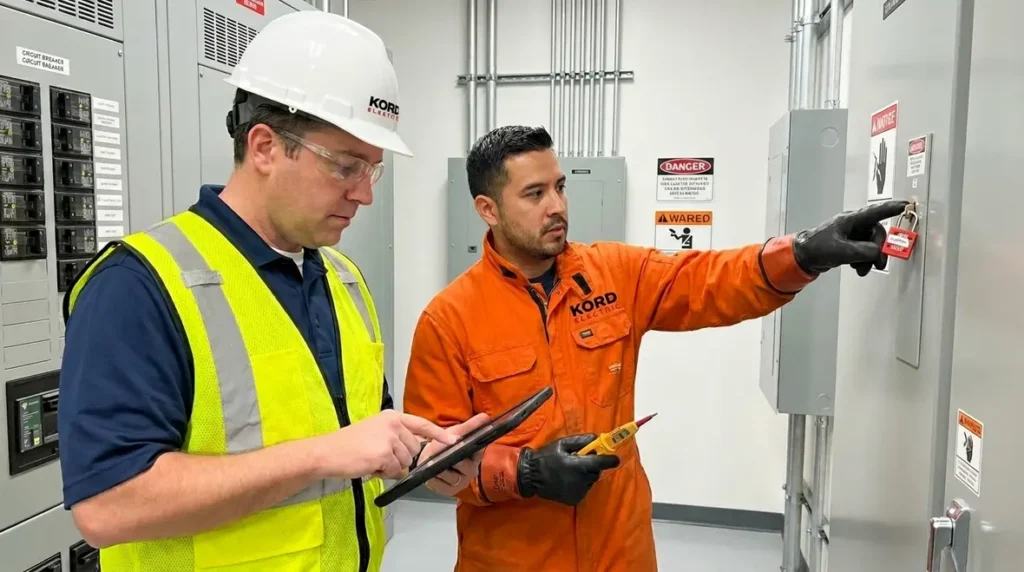
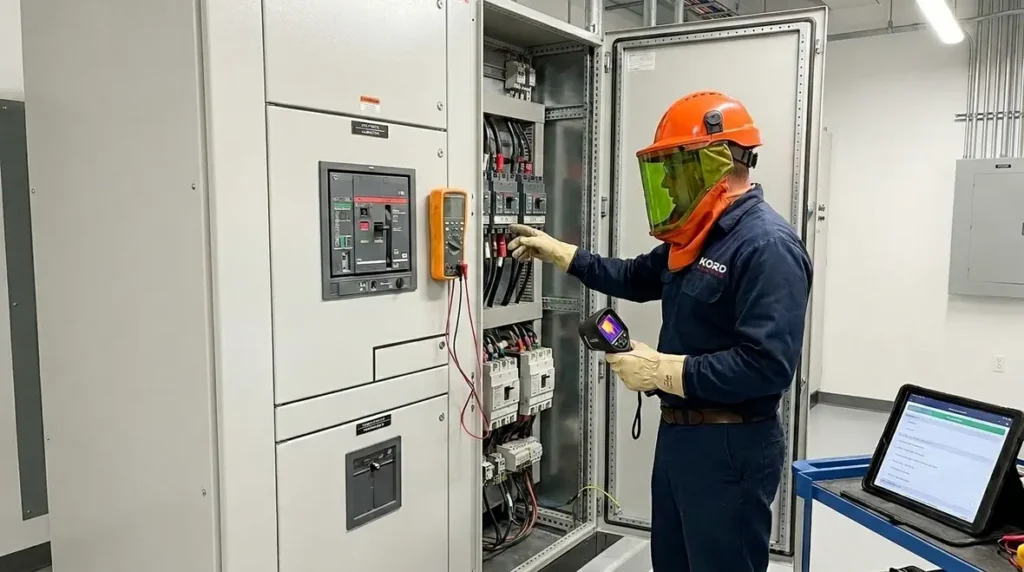
Facility managers want a partner who communicates, shows up prepared, and explains results clearly. Kord Electric does exactly that for commercial and industrial facilities and major property buildings. Our technicians follow the program steps with care, and they treat electrical systems like something worth protecting, not something to hustle through.
When we service a site, our team explains what we found and why it matters. That includes giving facility managers a simple view of risk and next actions. We also help them understand how the program supports their long term goals, such as reducing emergency downtime, controlling costs, and meeting standards.
Finally, we coordinate with the facility staff so the day stays organized. We schedule access, handle documentation, and keep the process steady. It feels calm, because it is planned. And if you have ever tried to schedule maintenance around a busy property, you know calm is rare. That is the point.
FAQ
Request a custom plan from Kord Electric
If you manage a commercial or industrial facility and you want fewer surprises, it starts with a maintenance program built for your building, your equipment, and your schedule. Kord Electric designs Commercial Preventative Maintenance Programs that facility teams can trust, track, and improve over time. Contact us to review your current electrical systems and operating patterns. We will help you build a schedule that reduces risk and supports steady operations. Then, your next maintenance window can feel like a plan, not a panic.
If you are formalizing your long term strategy, you can also explore how a dedicated plan like Commercial and Industrial Electrical Maintenance Plans pairs with our day to day Electrical Preventive Maintenance services to keep critical systems steady across your portfolio.
For facilities facing power quality issues, our Voltage Fluctuations in Commercial & Industrial Facilities service page outlines how we diagnose instability and protect sensitive equipment as part of your broader maintenance strategy.
When you are ready to move from “we should really get a plan” to “we have a program we trust,” Kord Electric can help you align Commercial Preventative Maintenance Programs with your risk profile, your budget, and your operational realities.