Commercial Outlet Replacement as Safety Upgrade
In large commercial and industrial buildings, electrical systems rarely ask for attention politely. They flicker, they hum, they heat up, and sometimes they fail without much warning. At Kord Electric, we often tell facility managers that an outlet replacement is not just a minor repair. It is a safety upgrade that protects people, equipment, and productivity. Worn outlets can look harmless on the surface. However, behind those faceplates, years of strain may be building into a serious hazard. Therefore, knowing when to act is not just smart maintenance. It is responsible leadership.
Our technicians and expert service staff explain this in calm, clear terms. They do not dramatize the issue. They simply show what happens when connection points loosen, when contact springs weaken, and when heat builds up over time. It is not glamorous work. Yet it is the kind of work that keeps entire operations moving without interruption.
Understanding When to Replace Electrical Outlets in Commercial Buildings
Commercial and industrial properties face electrical demands that most residential buildings never experience. Heavy machinery, server racks, refrigeration systems, production lines, and tenant equipment all draw sustained loads. Because of this, outlets in these settings endure more stress and more cycles of use.
So when should a property manager consider an outlet replacement?
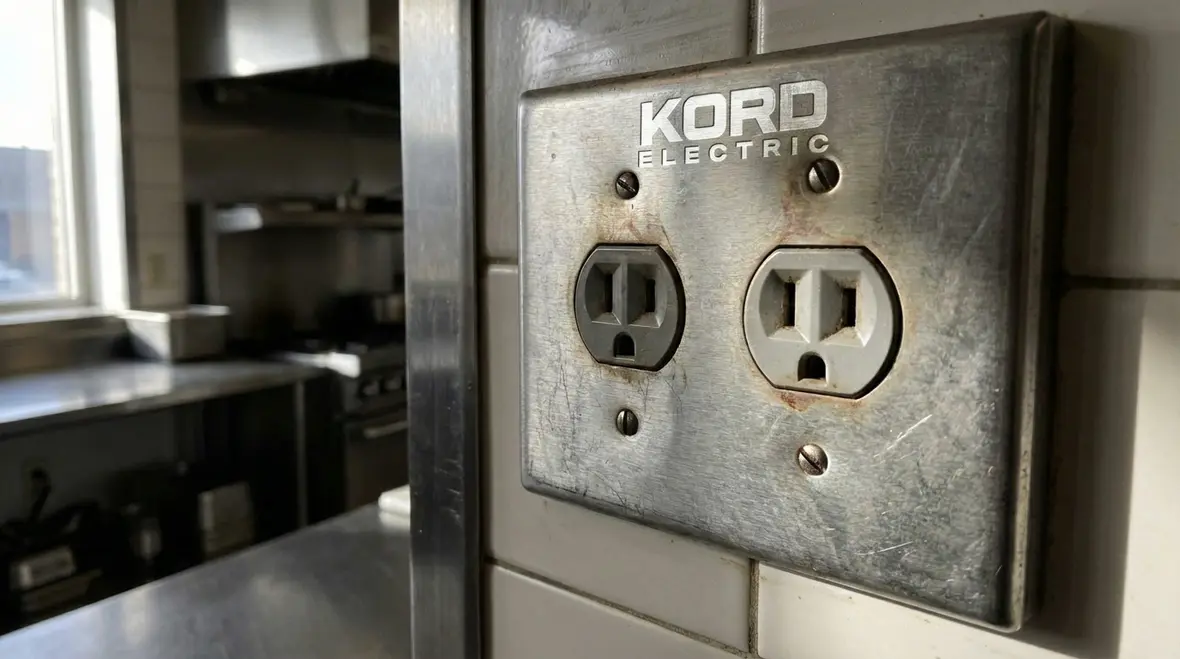
First, consider age. If a facility has outlets that have been in service for decades, they likely do not meet modern code requirements. Additionally, materials degrade over time. Metal contacts lose tension. Insulation becomes brittle. Therefore, even if an outlet appears intact, it may no longer provide a secure electrical connection.
Second, consider performance. If plugs slip out easily or feel loose, that is not a minor annoyance. It signals worn internal contacts. As a result, arcing may occur. Arcing generates heat, and heat invites trouble. In a commercial setting, that trouble can mean damaged equipment or even fire risk.
Finally, consider code compliance. Electrical standards evolve. What was acceptable fifteen years ago may not align with current safety regulations. Consequently, replacing outdated devices often functions as a strategic safety upgrade that also supports insurance and inspection requirements.
Linking Outlet Age, Performance, and Compliance
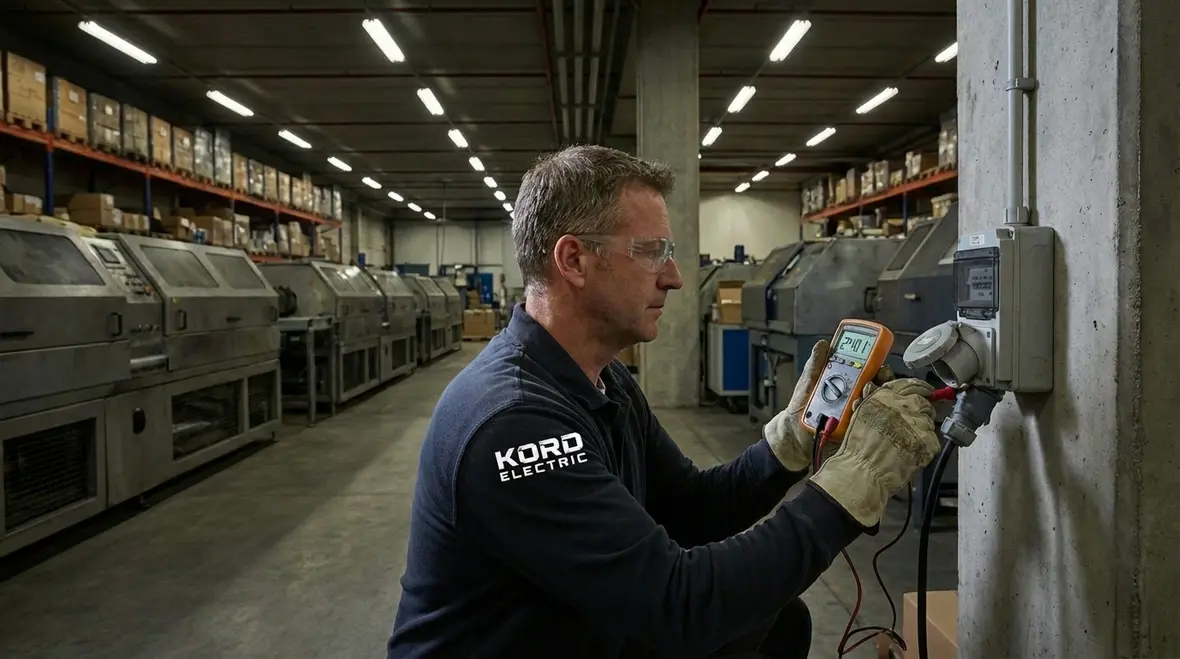
When these three factors overlap—aging devices, poor performance, and outdated code compliance—the case for proactive outlet replacement becomes very strong. Many facility managers choose to pair outlet evaluations with broader electrical reviews so they can address panels, breakers, and receptacles in a coordinated way. This aligns well with electrical preventive maintenance programs that focus on catching issues before they turn into outages or hazards.
How Do I Know If Our Facility Has Worn Outlets That Need Attention?
This is a question many facility directors type into search engines late at night. Fortunately, the signs are not subtle if you know what to look for.
For example, discoloration around the outlet face often points to overheating. Likewise, a faint burning smell, even if occasional, should never be ignored. Furthermore, if maintenance staff notice buzzing sounds or intermittent power, those are direct clues that connections inside the outlet may be failing.
At Kord Electric, our expert service staff walk property managers through these indicators during site evaluations. We show them the physical wear. We demonstrate how a secure plug should feel. And we explain why ignoring small symptoms can lead to major downtime. It is not about alarmism. It is about awareness.
In addition, repeated breaker trips in a specific area can signal deteriorating receptacles. While circuits and panels often take the blame, the outlet itself may be the weak link. Therefore, a detailed inspection becomes essential before assuming the issue lies elsewhere.
Common Warning Signs of Worn Outlets
- Plugs that no longer sit firmly in the outlet
- Noticeable warmth on the outlet cover under normal load
- Visible cracks, chips, or discoloration on the device or faceplate
- Frequent reset of power strips or surge protectors in a single area
- Equipment that unexpectedly reboots when someone bumps a cord
When facility managers see these patterns, they are often looking at a cluster of worn outlets rather than a one-off failure. Addressing them as a group instead of waiting for isolated incidents can prevent service disruptions and unsafe conditions.
The Hidden Risks Behind Worn Electrical Connections
It is easy to underestimate a wall outlet. After all, it just sits there. However, in industrial and commercial environments, that small device serves as a critical junction between infrastructure and operation.
When outlets wear down, resistance increases. As resistance increases, heat builds. Over time, heat degrades surrounding materials. Consequently, insulation may crack, terminals may loosen further, and the risk of arc faults grows.
In high load environments, this process accelerates. A single compromised outlet in a production area can disrupt expensive equipment. Moreover, sensitive electronics may suffer from inconsistent voltage caused by unstable connections. In data driven facilities, that instability can translate into lost information or corrupted systems.
Our technicians often explain it this way. An outlet is like a handshake between the building and the equipment. If the handshake is weak, the message is unclear. And in the electrical world, unclear messages create sparks. No one wants sparks where they do not belong. This is not a superhero movie. There is no dramatic background music when something overheats. There is only downtime and repair bills.
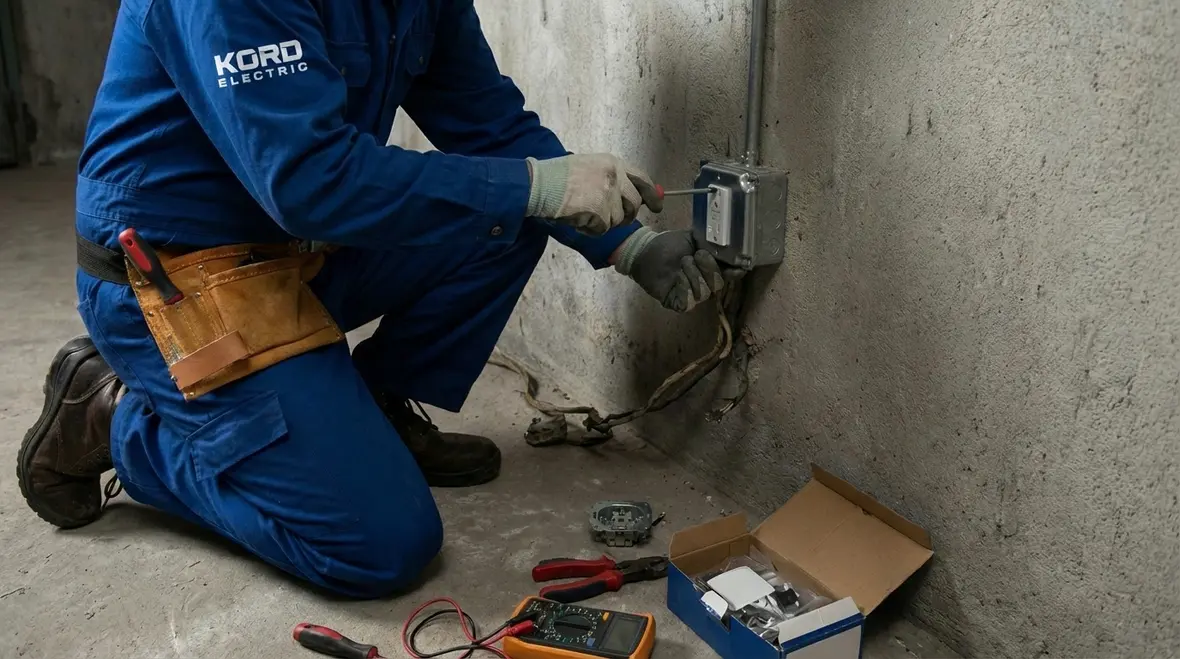
Why Small Connection Issues Become Big Operational Problems
In many commercial buildings, outlets serve more than coffee machines and phone chargers. They support production tools, server racks, point of sale systems, and critical building equipment. When a worn connection causes intermittent power, staff may initially see it as an annoyance. Over time, that annoyance can develop into corrupted files, failed firmware updates, or premature motor failure.
This is why facility managers increasingly connect outlet replacement to broader reliability goals. It is the same logic that drives investment in modern commercial electrical systems: stable infrastructure reduces emergencies, protects capital equipment, and keeps tenants and operations productive.
When Outlet Replacement Becomes a Strategic Safety Upgrade
Many property managers view outlet replacement as reactive maintenance. Something fails, then it gets fixed. However, in commercial and industrial properties, proactive replacement often makes better business sense.
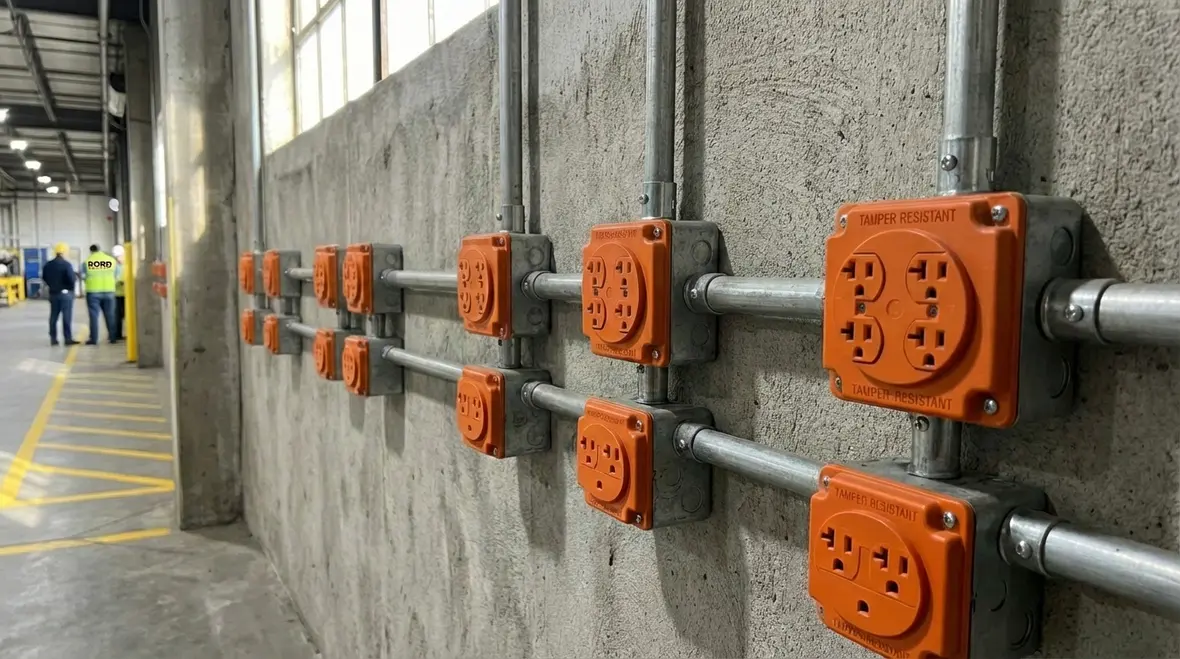
For instance, upgrading to tamper resistant or industrial grade receptacles enhances durability. Additionally, installing ground fault or arc fault protection in appropriate areas can significantly reduce risk. Therefore, what begins as a simple replacement often becomes a meaningful safety upgrade that aligns the facility with modern standards.
At Kord Electric, we assess load requirements, usage patterns, and environmental conditions before recommending solutions. In manufacturing plants, we may suggest heavy duty receptacles designed for repeated insertions. In commercial kitchens or washdown areas, we focus on moisture resistant solutions. Consequently, each outlet replacement supports the specific demands of the environment.
Our expert service staff also explain cost implications in clear terms. They outline how preventive upgrades reduce emergency service calls. They describe how stable connections protect valuable machinery. And yes, they sometimes add a touch of humor. Because while electrical infrastructure is serious business, no one needs a lecture delivered like a villain monologue.
Integrating Outlet Replacement with Commercial Electrical Strategy
Forward thinking facility managers increasingly fold outlet replacement into larger electrical improvement plans. Rather than tackling one device at a time, they pair receptacle upgrades with panel inspections, load balancing, and other improvements outlined in Kord Electric’s commercial electrical systems guidance. This integrated approach helps ensure that new devices are backed by properly sized circuits, updated protection, and documentation that satisfies both internal stakeholders and external inspectors.
Comparing Functional Outlets and Worn Outlets in Commercial Settings
Below is a practical comparison that facility managers often find helpful during planning discussions.
Functional Commercial Outlet
- Secure grip on plugs
- Stable voltage delivery
- Minimal heat during operation
- Compliant with current code
- Designed for load demands
- Supports consistent operations
Worn Outlets in High Demand Areas
- Loose plug connection
- Intermittent power flow
- Noticeable warmth or discoloration
- Outdated or non compliant design
- Reduced contact tension
- Increased risk of equipment damage
As this comparison shows, the difference is not cosmetic. It directly affects operational stability. Therefore, regular evaluations help determine when a simple device has outlived its useful life.
What Happens During a Professional Outlet Replacement Service?
In commercial and industrial facilities, process matters. Randomly swapping devices without evaluation creates risk. For that reason, our technicians follow a structured approach.
First, they perform load verification. They confirm circuit ratings and assess whether the existing wiring supports current demand. Next, they inspect the condition of conductors and terminal connections. If wiring shows signs of heat stress, they address it before installing new equipment.
Then, they install commercial grade or industrial grade receptacles suited to the environment. They secure connections to manufacturer specifications and verify grounding integrity. After installation, they test voltage stability and confirm proper function under load.
Finally, they document the work. For large properties, documentation supports compliance records and future maintenance planning. Consequently, each outlet replacement becomes part of a broader electrical asset management strategy.
Our expert service staff take time to explain each step to facility managers. They answer questions clearly. They outline why certain upgrades qualify as a safety upgrade rather than a cosmetic improvement. In doing so, they build confidence. And confidence is valuable when overseeing a major property.
Coordinating Outlet Replacement with Facility Operations
Because downtime matters, Kord Electric plans outlet replacement projects around production schedules, tenant needs, and safety protocols. This often includes working in phases, scheduling after hours, or coordinating with broader electrical service such as preventive maintenance visits. The result is a smoother project that upgrades safety without disrupting the operations that depend on it.
Planning for Large Scale Outlet Replacement in Industrial and Commercial Facilities
Large buildings rarely need just one outlet replaced. Often, patterns emerge. If one section shows deterioration, similar areas may follow.
Therefore, strategic planning becomes essential. Rather than waiting for scattered failures, many facility directors choose phased upgrades. This approach spreads cost over time while improving reliability in stages. Additionally, it reduces the likelihood of sudden disruptions.
At Kord Electric, we help clients map high usage zones. We identify areas with heavy equipment, frequent plug cycles, or environmental stress. Then, we prioritize those zones for inspection and replacement. Consequently, decisions rely on data rather than guesswork.
We also coordinate with operations teams to minimize downtime. In industrial settings, shutting down a line even briefly can affect revenue. Therefore, our scheduling reflects production realities. Our goal is simple. Improve safety and performance without interrupting what keeps the building profitable.
Over time, this proactive mindset transforms outlet replacement from a reactive chore into a strategic investment. It strengthens infrastructure. It supports compliance. And it protects both people and assets.
Frequently Asked Questions About Outlet Replacement as a Safety Upgrade
Partner with Kord Electric for Reliable Electrical Infrastructure
In commercial and industrial properties, small components often carry great responsibility. Therefore, ignoring aging receptacles invites risk that no serious operation can afford. At Kord Electric, we approach every outlet replacement as an opportunity to strengthen safety, performance, and compliance. Our technicians and expert service staff stand ready to evaluate your facility, explain your options, and implement solutions that support your long term goals.
Outlet replacement also fits naturally alongside other upgrades such as lighting improvements and panel inspections. Whether you are planning targeted repairs or considering a larger electrical preventive maintenance program, coordinating these efforts helps protect your investment and simplify compliance.
When you are ready to move from reactive repairs to strategic upgrades, we are ready to help. Our team designs solutions that respect your operational schedule, your budget, and your responsibility to keep people and equipment safe.
For larger initiatives that extend beyond outlets into panels, wiring, and distribution, explore our broader commercial and industrial services and connect with our team to discuss a tailored plan for your facility.
Learn more about Kord Electric’s commercial electrical preventive maintenance services and how they can support outlet replacement, system testing, and long term reliability across your property.