Commercial Surge Protection Installation Guide
Surge Protection Installation Guide for Commercial and Industrial Facilities
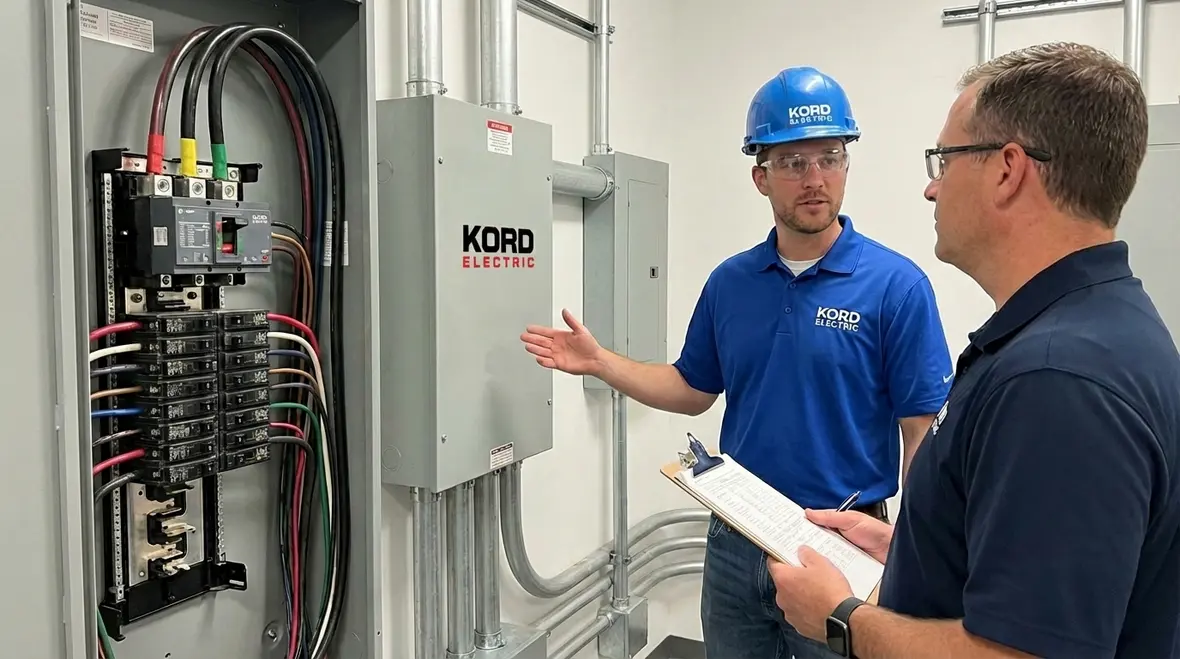
In the world of commercial power, a single surge can move faster than office gossip and hit harder than a summer storm rolling across the plains. At Kord Electric, they often begin conversations with facility managers by discussing whole house surge protection. Although the phrase sounds residential, the principle scales powerfully to large commercial and industrial buildings. A properly engineered building wide surge protection system guards critical equipment, stabilizes operations, and protects investments that took years to build. Their technicians and expert service staff explain it in clear, steady terms, because when it comes to electricity, clarity matters. And yes, they manage to make it interesting. After all, protecting a facility from electrical chaos deserves more than a shrug and a flashlight.
Understanding the Role of Surge Protection in Commercial and Industrial Buildings
Power surges do not send a calendar invite before arriving. Instead, they strike in milliseconds, often caused by lightning, utility switching, large motor loads, or internal system faults. Consequently, sensitive equipment such as automation controls, data servers, HVAC systems, production lines, and security infrastructure can suffer damage long before a breaker trips.
At Kord Electric, the team approaches surge protection as layered defense. While many people imagine a small plug in device, large facilities demand a more strategic solution. Therefore, they design systems that integrate service entrance surge protective devices, distribution level protection, and point of use safeguards where needed.
Their technicians explain that an effective system does three things. First, it diverts excess voltage safely to ground. Second, it limits the let through voltage that reaches equipment. Third, it responds fast enough to stop damage before it begins. It is not magic. It is physics, planning, and disciplined installation.
Moreover, commercial facilities often contain interconnected systems. If one section fails, the ripple can spread. As a result, surge protection becomes part of risk management, not just an electrical upgrade. Think of it as insurance that actually shows up on time.
Whole House Surge Protection Installation Guide for Large Facilities
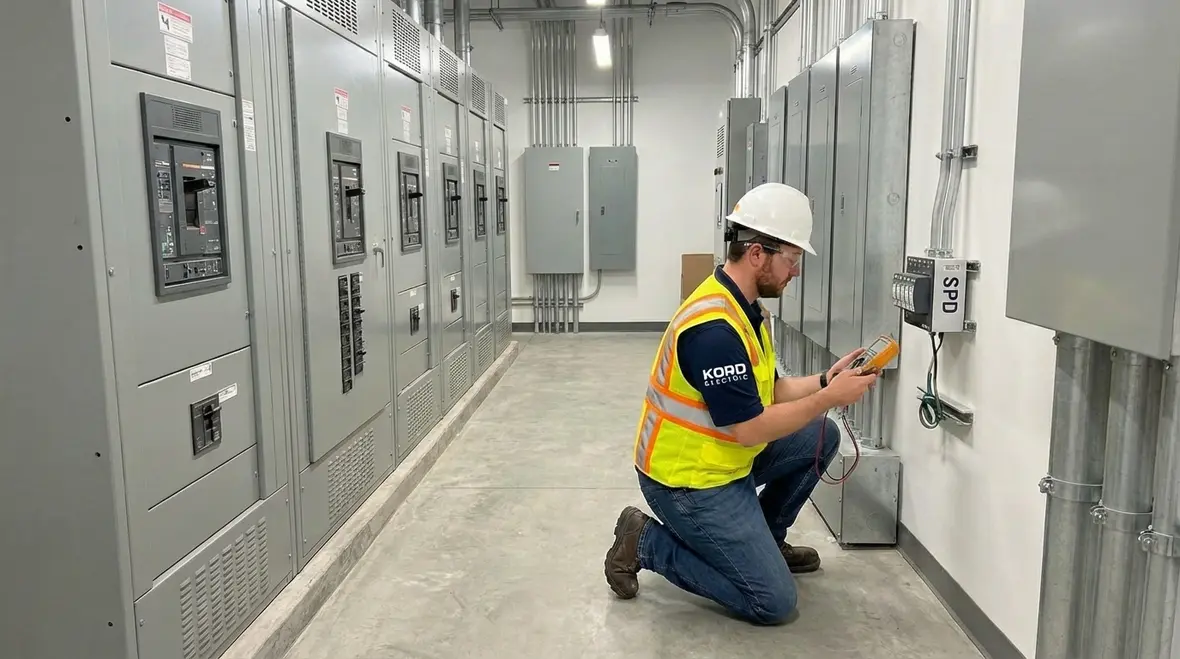
Although the phrase whole house surge often appears in residential discussions, the concept adapts beautifully to major properties. In commercial and industrial buildings, it translates into service entrance surge protection designed to handle high capacity electrical loads.
Kord Electric follows a deliberate installation path.
1. Load and Infrastructure Assessment
Before a single device is mounted, their expert service staff evaluates the facility’s electrical system. They review service size, grounding quality, transformer configuration, and distribution layout. In addition, they identify critical equipment that requires priority protection. This assessment prevents guesswork and ensures that the selected surge protective device matches the building’s real world demand.
2. Selecting the Correct Surge Protective Device
Not all devices are equal. Commercial grade units must handle high surge current ratings and comply with industry standards. Therefore, the team selects devices based on nominal discharge current, maximum surge capacity, voltage rating, and response time. They also consider future expansion, because growth should not outpace protection.
3. Strategic Placement at the Service Entrance
The primary device is installed as close as possible to the main service panel or switchgear. The shorter the conductor length, the better the performance. Consequently, proper placement reduces impedance and improves clamping efficiency. Their technicians pay attention to conductor routing, torque specifications, and grounding continuity.
4. Integration with Distribution Panels
For larger facilities, protection does not stop at the main entrance. Sub panels that feed specialized equipment may require additional devices. As a result, the building benefits from a coordinated approach that prevents surges from traveling deeper into the system.
5. Testing and Verification
After installation, the system is tested. Indicators are verified, grounding resistance is measured, and documentation is provided. Furthermore, the staff explains how facility managers can monitor status lights and schedule periodic inspections.
In short, whole house surge principles scale into a comprehensive commercial solution when handled with precision.
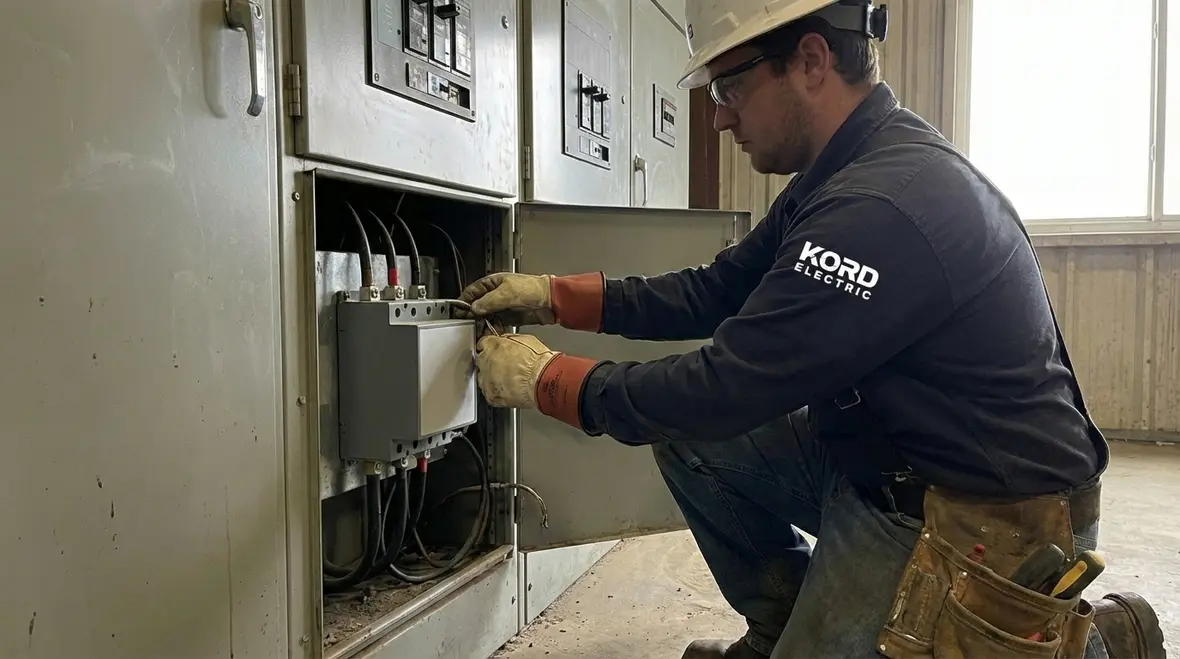
How Kord Electric Technicians Explain Surge Protection to Facility Managers
Technical data matters. However, clarity matters more. Kord Electric’s technicians understand that facility managers juggle budgets, compliance, staffing, and uptime. Therefore, they translate complex electrical behavior into plain language.
They might say, “Imagine your electrical system as a highway. A surge is a speeding truck with no brakes. Surge protection is the barrier that redirects that truck before it crashes into your equipment.”
Although the analogy is simple, the point lands. Their expert service staff walks clients through risk exposure, replacement costs, downtime projections, and maintenance plans. In addition, they discuss how surge protection supports insurance requirements and safety protocols.
They avoid scare tactics. Instead, they rely on facts, field experience, and calm authority. There is something reassuring about a technician who can reference electrical code while keeping the mood lighter than a superhero origin story. Yes, electricity can be dramatic, but preparation keeps it from becoming a blockbuster disaster.
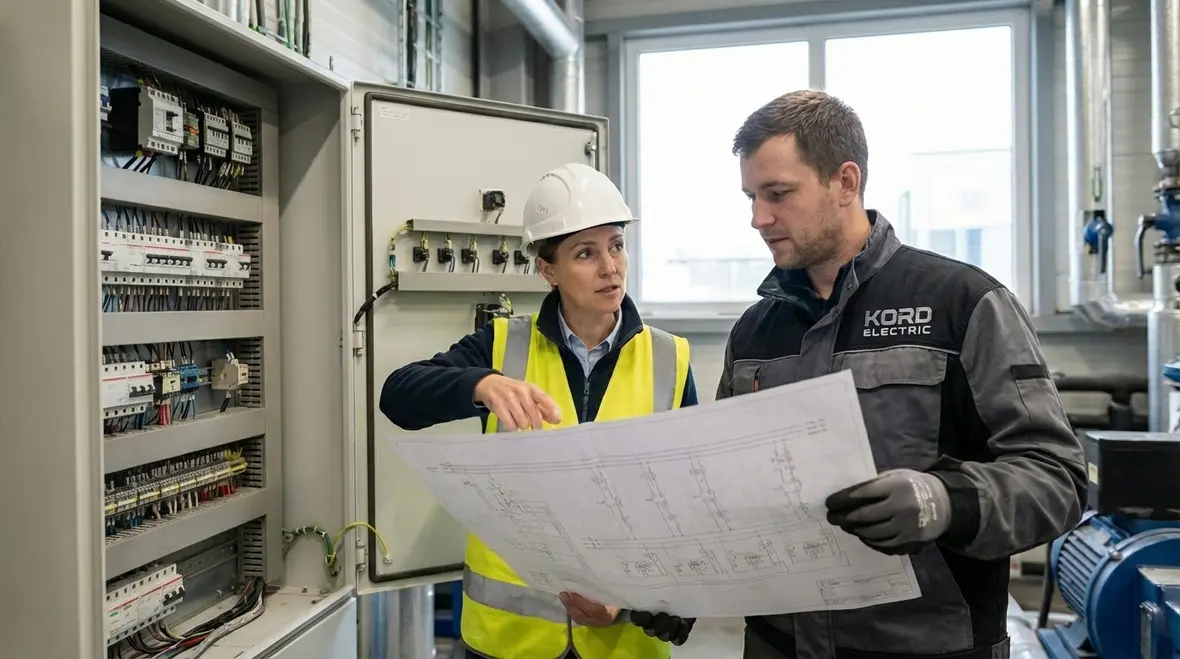
Key Components of a Commercial Surge Protection System
Every effective system contains coordinated elements. Rather than presenting them as isolated parts, Kord Electric views them as a team working toward a single goal.
Component |
Purpose |
Service entrance surge protective device |
Diverts high energy surges before they enter the facility |
Distribution panel protection |
Limits residual voltage traveling to sub systems |
Grounding and bonding system |
Provides low impedance path to ground |
Status monitoring indicators |
Offers visual or remote confirmation of protection status |
Maintenance plan |
Ensures long term reliability and compliance |
Because these components interact, ignoring one weakens the whole. For example, even the best device performs poorly with inadequate grounding. Consequently, Kord Electric inspects bonding connections, grounding electrodes, and conductor sizing during every installation.
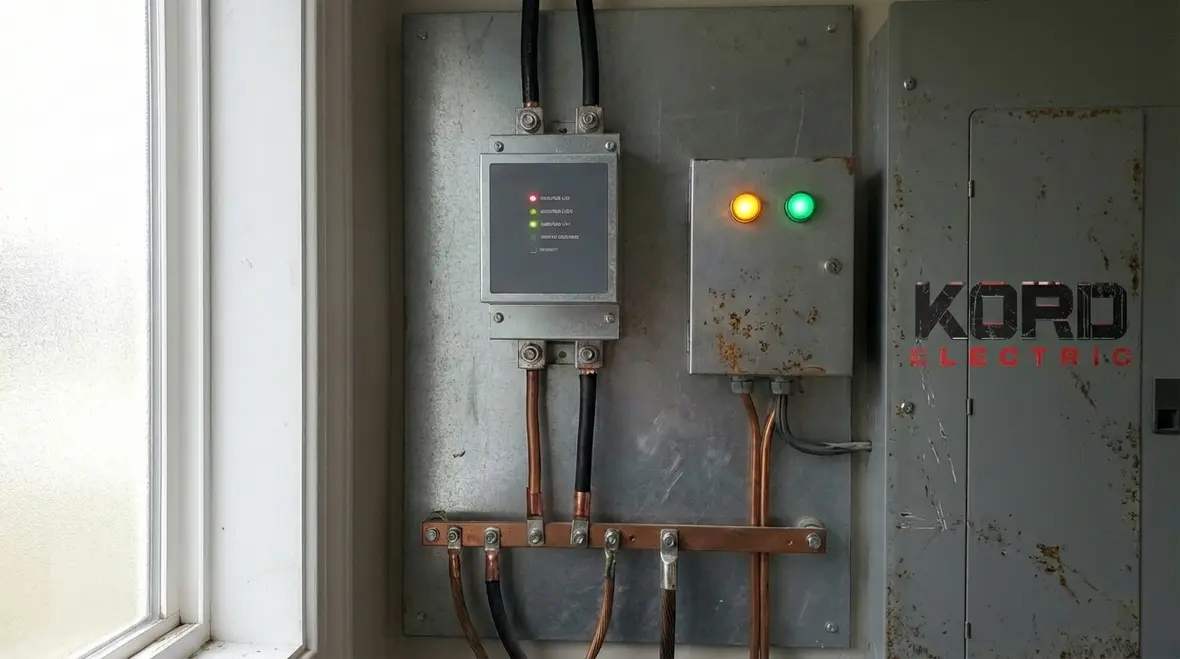
Why Commercial Properties Need More Than Basic Protection
Large facilities face higher stakes. Manufacturing equipment may run continuously. Data centers rely on stable power. Medical or research environments depend on uninterrupted systems. Therefore, a surge event can translate into production delays, lost data, or compliance issues.
While a single surge might not shut down an entire building, repeated minor surges slowly degrade components. Over time, circuit boards weaken, insulation breaks down, and equipment lifespan shortens. In other words, the damage hides in plain sight.
Kord Electric addresses this risk through comprehensive design. Instead of relying on minimal solutions, they recommend layered strategies aligned with facility usage. Moreover, they consider regional weather patterns and utility infrastructure. A coastal industrial plant may face different surge exposure than an inland distribution center. Thus, customization becomes essential.
It is a bit like wearing a hard hat in a construction zone. You may not expect debris every minute. However, when something falls, you will be glad you planned ahead.
If your building is already dealing with flickering lights, unexplained equipment failures, or unstable voltage, pairing a surge protection plan with a targeted voltage assessment can be especially effective. Kord Electric’s team regularly helps facilities correct voltage fluctuations in commercial and industrial facilities, then strengthens long term resilience with coordinated surge protection.
What Is the Installation Timeline for Surge Protection in Major Buildings?
The timeline depends on facility size, electrical complexity, and operational constraints. Nevertheless, Kord Electric follows a structured approach to minimize disruption.
First, the assessment phase typically requires a detailed site visit and electrical review. Afterward, equipment selection and procurement follow. Once materials arrive, installation at the service entrance may take several hours to a full day, depending on access and panel configuration.
For facilities operating around the clock, installations can be scheduled during planned maintenance windows. Consequently, downtime remains controlled and predictable. In some cases, temporary power arrangements or phased integration allows work without halting production.
Throughout the process, their technicians communicate clearly. They outline safety measures, lockout procedures, and inspection steps. As a result, facility managers remain informed rather than surprised.
Maintenance and Long Term Performance of Whole House Surge Systems
Even the best system requires attention. Although surge protective devices do not demand daily interaction, they benefit from periodic inspection. Kord Electric recommends routine checks aligned with electrical maintenance schedules.
Status indicators should be reviewed to confirm operational readiness. Additionally, grounding systems should be tested to ensure low resistance paths remain intact. If a significant surge event occurs, a follow up inspection verifies that protective components still function within specification.
Because whole house surge devices absorb and divert energy, they may degrade over time after multiple events. Therefore, monitoring becomes part of responsible facility management. Kord Electric’s expert service staff provides guidance on replacement intervals and documentation for compliance records.
Long term performance also depends on system changes. When facilities expand or add heavy equipment, the electrical load profile shifts. Consequently, surge protection strategies may require adjustment. By staying engaged with clients, Kord Electric ensures that protection evolves alongside growth.
Many commercial and industrial facilities choose to pair their surge system inspections with broader electrical preventive maintenance, allowing technicians to catch emerging issues early while confirming that surge protection remains aligned with the building’s real world operating conditions.
Frequently Asked Questions
Conclusion and Next Steps with Kord Electric
Electrical surges do not wait for convenient timing. Therefore, preparation becomes a mark of strong leadership. Kord Electric delivers expertly engineered whole house surge solutions tailored for commercial and industrial facilities. Their technicians and expert service staff guide clients with calm authority, clear explanations, and precise installation. When protection, performance, and peace of mind matter, they stand ready. Contact Kord Electric today and let their team fortify your facility against the unexpected.
If your facility is already planning lighting or infrastructure upgrades, surge protection can be integrated into a broader project scope alongside services like commercial and industrial lighting installation so that new equipment is protected from day one.
For facilities that cannot afford extended outages, working with a contractor who also specializes in emergency electrical services ensures you have a partner ready to respond quickly if a surge event or power issue disrupts operations before upgrades are fully in place.
When you are ready to move from vulnerability to readiness, Kord Electric is prepared to design and install a surge protection strategy that fits your building, your risk profile, and your long term operational goals.