Aluminum Wiring Replacement for Commercial Properties
Aluminum Wiring Replacement Guide for Commercial and Industrial Properties
In large commercial and industrial buildings, power is not a luxury. It is the heartbeat of daily operations. When that heartbeat runs through aging conductors, risk follows close behind. That is why aluminum wiring replacement often becomes a serious topic in boardrooms and maintenance meetings alike. At Kord Electric, they guide facility managers and property owners through this process with clarity, patience, and a steady hand. Their expert technicians explain every step, so decision makers never feel left in the dark. After all, electricity should power productivity, not spark concern.
Moreover, this guide speaks directly to owners of major properties, warehouses, manufacturing plants, office towers, and institutional facilities. It avoids fluff and focuses on real world solutions. Because when it comes to electrical infrastructure, guesswork belongs in game shows, not in switchgear rooms.
Understanding Aluminum Wiring in Large Scale Facilities
Aluminum conductors became popular in commercial construction during certain building booms due to cost and availability. At the time, the material seemed like a practical solution for feeding panels, branch circuits, and large mechanical loads. However, as buildings aged and power demands increased, the limitations of these systems became more visible.
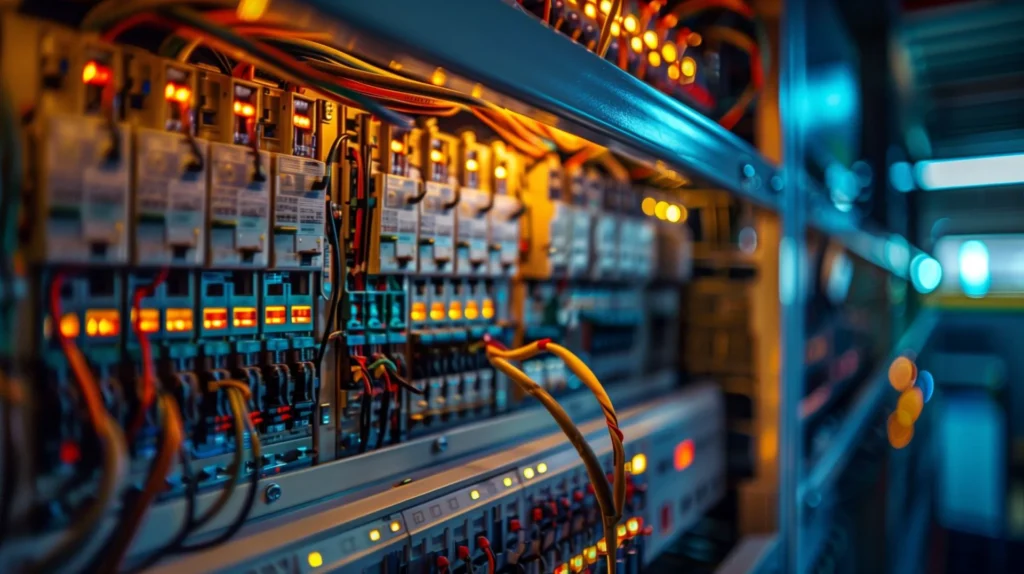
Aluminum expands and contracts more than copper when temperatures shift. Therefore, connections can loosen over time. Loose terminations create resistance. Resistance creates heat. And heat, as every facility manager knows, has a way of inviting trouble. While not every installation fails, the risk grows when maintenance is inconsistent or loads exceed original design.
Kord Electric approaches this reality without alarmism. Instead, their service staff assess each property with a clear eye. They explain where aluminum feeders perform well and where older branch circuits may pose issues. In addition, they review panel conditions, breaker compatibility, and connection integrity. As a result, property owners receive data, not drama.
Furthermore, modern codes and insurance requirements often demand upgrades in high occupancy or mission critical facilities. Consequently, many industrial operators choose proactive conductor upgrades rather than reactive repairs. It is not about fear. It is about control.
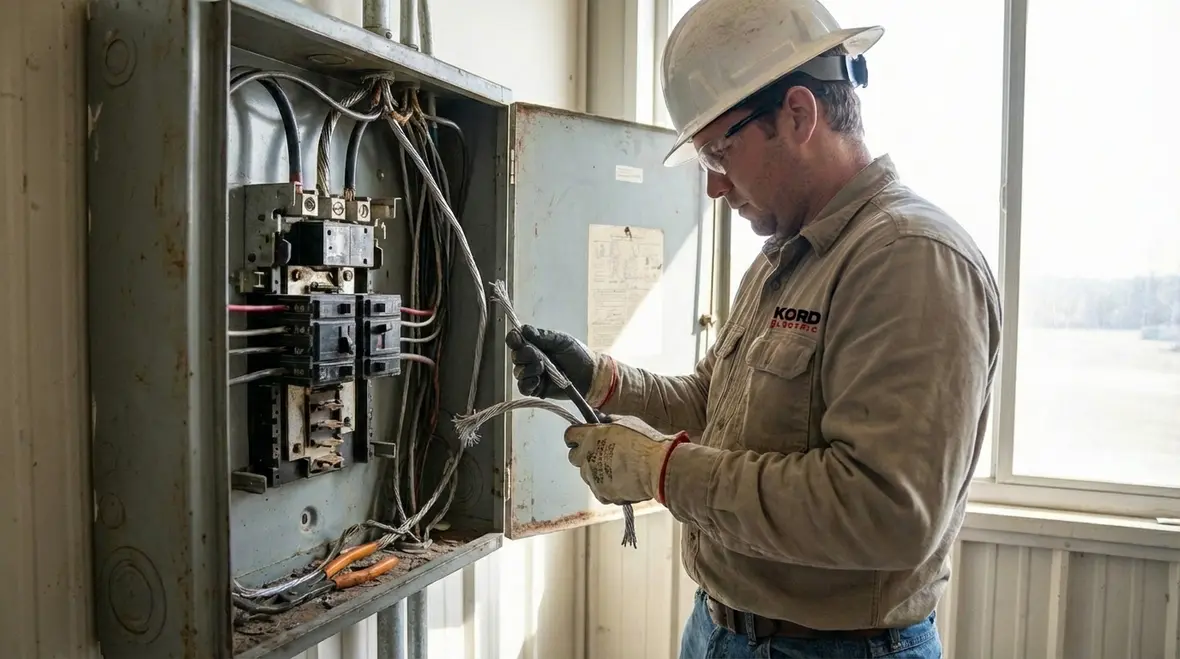
How to Know If Your Building Needs Aluminum Wiring Replacement
Facility managers often ask a direct question. How can they tell whether their building requires aluminum wiring replacement? The answer begins with observation and ends with professional evaluation.
First, signs of overheating at panelboards or disconnects deserve attention. Discoloration, insulation breakdown, or a faint odor near terminations can signal loose connections. Meanwhile, frequent breaker trips under normal loads may point to conductor or termination issues. Although these symptoms do not guarantee failure, they should never be ignored.
Next, consider the age and load profile of the property. Many commercial buildings constructed decades ago now support modern equipment, data centers, heavy HVAC systems, and advanced manufacturing lines. Therefore, circuits that once served light office equipment may now struggle under greater demand.
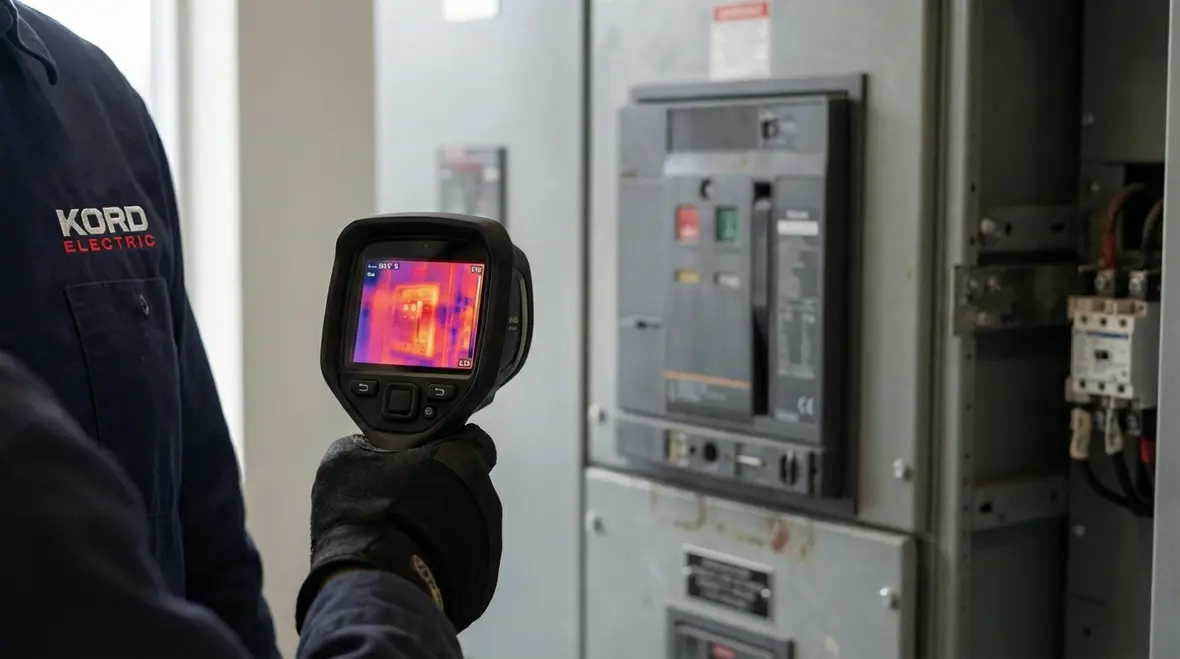
Kord Electric technicians conduct detailed inspections that include thermal imaging, torque checks, and load calculations. They explain findings in plain language, not technical riddles. In addition, they help property owners compare repair options with full conductor replacement strategies. Because informed decisions reduce regret later.
Importantly, large facilities often contain a mix of conductor types. Consequently, the solution may involve partial upgrades, new copper feeders, or selective panel retrofits. Rather than applying a one size fits all approach, Kord Electric tailors each plan to the property’s operational goals. For facilities that want a deeper dive into system-wide planning and code alignment, resources like the California Commercial Lighting Code Guide for 2026 offer helpful perspective on how electrical strategies align with broader compliance requirements.
Partnering Inspections with Long-Term Electrical Strategy
An aluminum wiring assessment should never exist in a vacuum. Forward-thinking facility teams pair conductor evaluations with broader electrical inspections, short circuit studies, and panel condition reports. That way, when aluminum wiring replacement is recommended, it fits inside a larger roadmap for capacity growth, energy efficiency, and risk reduction across the entire building.
Aluminum Wiring Replacement Planning for Commercial Properties
Once a property owner decides to move forward, planning becomes the backbone of a successful aluminum wiring replacement project. In industrial and commercial settings, downtime costs money. Therefore, careful scheduling is essential.
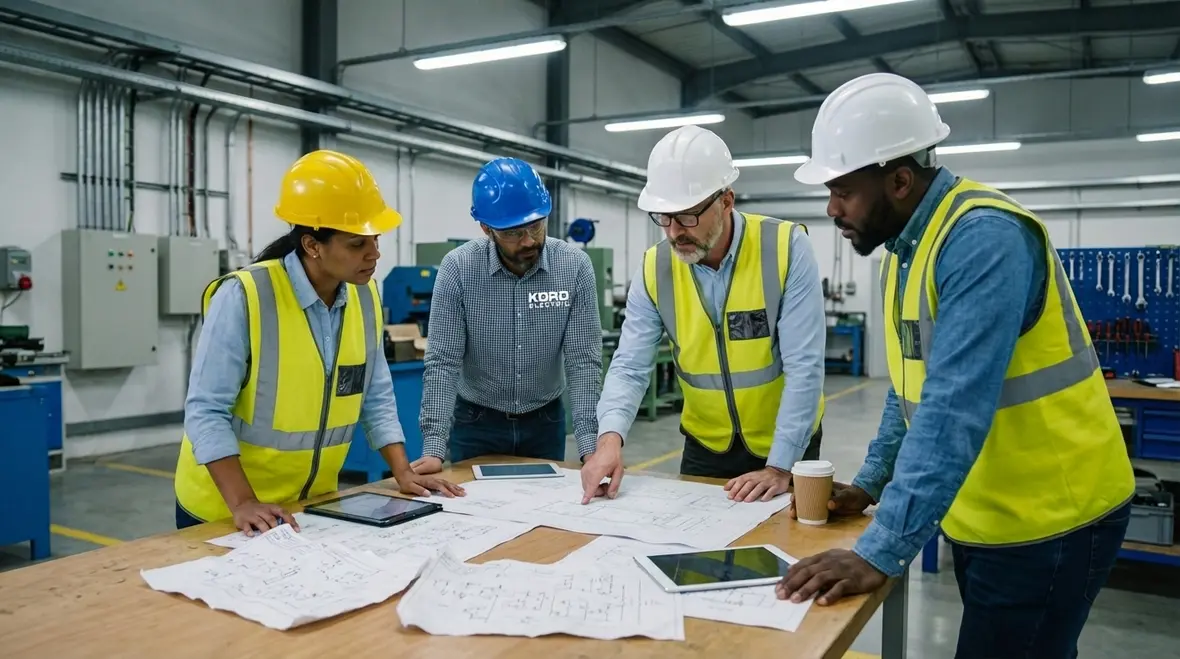
Kord Electric begins with a comprehensive site review. They map existing circuits, identify critical loads, and coordinate with facility engineers. Meanwhile, they analyze peak usage periods to minimize disruption. For example, a manufacturing plant may prefer phased work during scheduled shutdowns. Similarly, an office tower may require evening or weekend transitions to protect tenants.
In addition, material selection plays a key role. Copper conductors often replace aluminum in branch circuits and feeders where long term reliability is a priority. However, conductor sizing, conduit capacity, and panel compatibility require precise calculation. As a result, their technicians verify that each new installation meets current code and load demands.
Permits, inspections, and compliance documentation follow. Because commercial and industrial facilities face strict oversight, every change must align with local and national standards. Kord Electric handles this coordination, allowing property managers to focus on operations rather than paperwork.
Moreover, communication remains constant throughout the project. Their expert service staff explain timelines, expected interruptions, and safety measures before work begins. Therefore, tenants and operations teams know exactly what to expect. Transparency builds trust, and trust keeps projects moving forward.
Integrating Replacement with Broader Electrical Projects
Well-planned aluminum wiring replacement often overlaps with other priorities, such as lighting upgrades, panelboard replacements, or the addition of new equipment. Facilities may choose to bundle conductor work with new lighting installation or retrofit projects so that ceilings, raceways, and work areas are opened once instead of multiple times. This kind of coordination keeps disruption low and value high.
For example, when a property is already scheduling a major lighting upgrade, combining that effort with aluminum wiring replacement can streamline labor, permitting, and inspections. Kord Electric’s lighting installation services are designed with this kind of integration in mind, helping large facilities modernize both illumination and power distribution in a unified plan.
Risks of Delaying Conductor Upgrades in Industrial Settings
It is tempting to postpone upgrades when systems still function. After all, if the lights are on and machines are running, everything must be fine, right? Well, even blockbuster movies remind us that ignoring small cracks can lead to dramatic sequels. Electrical systems are no different.
Delayed upgrades can increase the likelihood of overheating at termination points. Consequently, maintenance teams may face repeated service calls for the same panels. Over time, this reactive approach costs more than planned improvements.
In addition, insurers often review electrical infrastructure during policy renewals for major properties. Therefore, outdated conductor systems may influence premiums or coverage conditions. Proactive improvements, on the other hand, demonstrate responsible risk management.
Operational continuity also depends on reliable distribution. In manufacturing or processing facilities, unexpected outages can halt production lines and delay shipments. As a result, customer relationships may suffer. When weighed against these risks, planned aluminum wiring replacement becomes a strategic investment rather than an expense.
Kord Electric explains these implications with steady clarity. They avoid scare tactics. Instead, they outline probable outcomes and realistic timelines. Because sound decisions come from understanding, not pressure.
Hidden Costs That Come with Waiting Too Long
Pushing aluminum wiring replacement into “next year’s budget” can quietly pile up indirect costs. Extra panel checks, temporary repairs, nuisance trips, and production interruptions steal hours from maintenance and operations teams. Meanwhile, capital projects that rely on additional electrical capacity may stall if existing aluminum infrastructure cannot support new equipment safely. In this light, delaying upgrades is less about saving money and more about borrowing trouble from the future.
What Happens During a Professional Conductor Replacement Project
Many property owners picture chaos when they hear about major electrical upgrades. However, with proper planning and experienced crews, the process unfolds with structure and control.
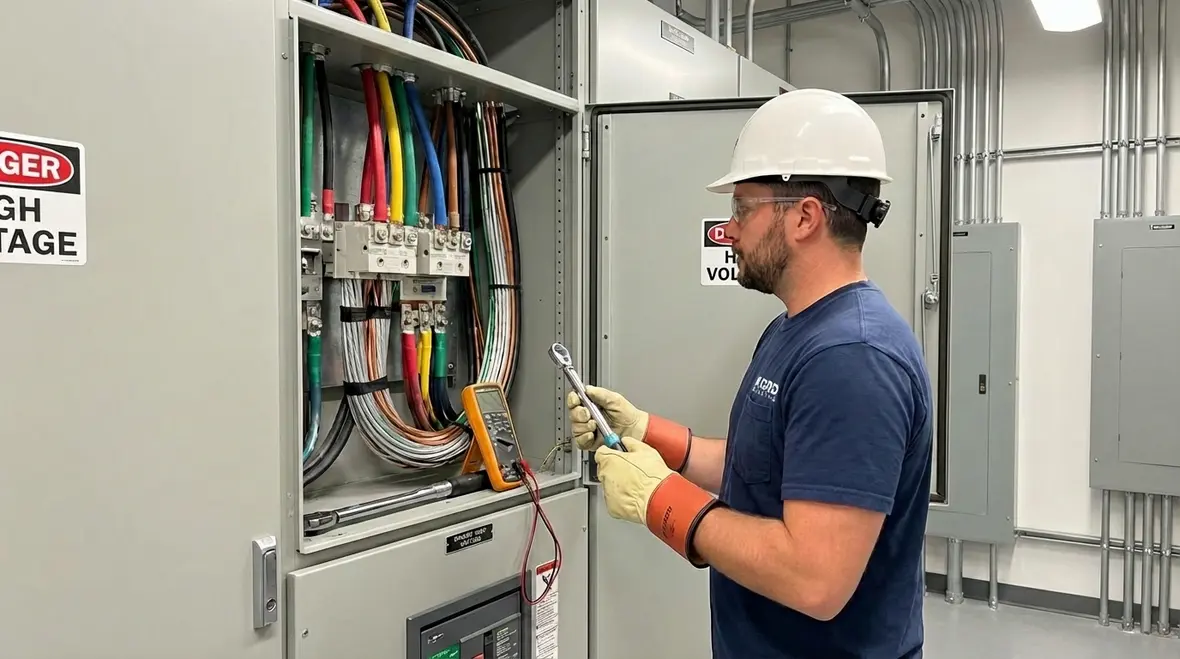
First, technicians isolate targeted circuits and confirm lockout procedures. Safety leads every step. Next, they remove aging aluminum conductors from panels, junction boxes, and raceways where replacement is required. Meanwhile, they inspect terminations and bus bars for wear or heat damage.
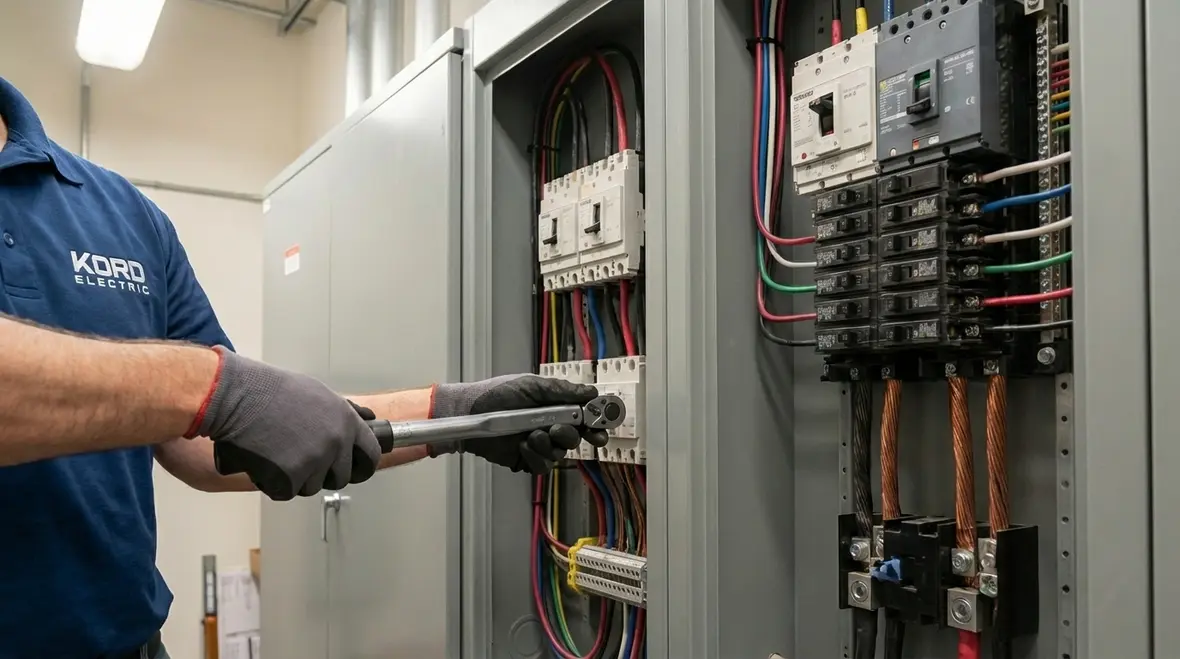
After removal, new conductors are installed according to engineered load calculations. Connections receive proper torque using calibrated tools. In addition, anti oxidation compounds and approved lugs are used where required. Each detail matters, because secure connections prevent future issues.
Testing follows installation. Crews verify continuity, insulation resistance, and load balance. Therefore, the upgraded system operates smoothly before it returns to full service. Finally, documentation is provided to facility management for records and compliance.
Throughout the project, Kord Electric technicians communicate with on site teams. They explain what they are doing and why. This steady dialogue reassures building owners that the process remains under control. In other words, no mystery, no guesswork, and certainly no surprises worthy of a disaster film.
Coordinating with Tenants and Operations Teams
In multi-tenant buildings and industrial campuses, conductor replacement projects succeed or fail based on communication. Detailed phasing plans, clear signage, and tight coordination with operations teams help keep everyone aligned. When crews explain what’s happening floor by floor or zone by zone, tenants view the work as a safety and reliability upgrade rather than a disruption.
Dual Focus: Safety and Operational Efficiency
In major commercial properties, safety and efficiency must move together. One cannot exist without the other. To highlight this balance, consider the following dual focus areas that guide every project:
Safety Priorities
- Reduction of overheating risks at connections
- Compliance with current electrical codes and standards
- Improved reliability of critical systems
- Lower likelihood of arc related incidents
- Clear documentation for inspections and insurers
Operational Efficiency Goals
- Minimized downtime through phased scheduling
- Accurate load balancing for modern equipment
- Enhanced capacity for future expansion
- Reduced emergency maintenance calls
- Better long term asset planning
By addressing both columns together, Kord Electric ensures that aluminum wiring replacement supports not only compliance but also growth. Because a building that runs safely yet cannot scale is still limited.
Cost Considerations and Long Term Value
Budget discussions are unavoidable in large scale projects. However, cost should always be viewed alongside lifespan and performance. While conductor upgrades require capital investment, they also reduce unpredictable repair expenses.
For example, repeated service calls to tighten connections or replace damaged breakers add labor costs over time. Meanwhile, production losses from unplanned outages may exceed the price of planned improvements. Therefore, many industrial operators calculate total cost of ownership rather than short term savings.
Kord Electric assists property managers in developing phased upgrade plans when full replacement at once is not practical. In addition, they outline priority circuits based on load criticality and condition. As a result, decision makers can allocate budgets strategically.
Energy efficiency may also improve with properly sized conductors and balanced loads. Although the savings vary, optimized systems often perform more smoothly. And smoother systems, much like a well rehearsed orchestra, rarely make headlines for the wrong reasons.
Making the Business Case to Leadership
Executives and asset managers respond to clear numbers and clear risk profiles. When presenting aluminum wiring replacement proposals, facility teams do well to show side by side comparisons: projected outage costs versus upgrade costs, insurance implications, and the impact on future capacity. Framing the project as a resilience and growth initiative—not just a maintenance line item—helps secure buy in from stakeholders who may never set foot in an electrical room.
FAQ About Aluminum Conductor Upgrades in Commercial Buildings
Conclusion and Next Steps
Electrical infrastructure should support ambition, not limit it. Kord Electric helps commercial and industrial property owners take control through careful planning, expert guidance, and professional aluminum wiring replacement services. Their technicians explain each step with calm authority, ensuring clarity from inspection to final test. For facilities ready to strengthen safety, improve reliability, and plan for growth, now is the time to act.
If you are considering aluminum wiring replacement as part of a broader modernization effort, it can also be the right moment to evaluate lighting, controls, and other electrical improvements across the property. Coordinated upgrades, supported by services like Kord Electric’s dedicated lighting installation solutions for large-scale facilities, help ensure that every kilowatt you deliver is as safe, efficient, and future ready as possible.
For facilities ready to strengthen safety, protect uptime, and plan for long term capacity, now is the time to act. Contact Kord Electric and move forward with confidence.