Data Cabling and Electrical Integration for Commercial
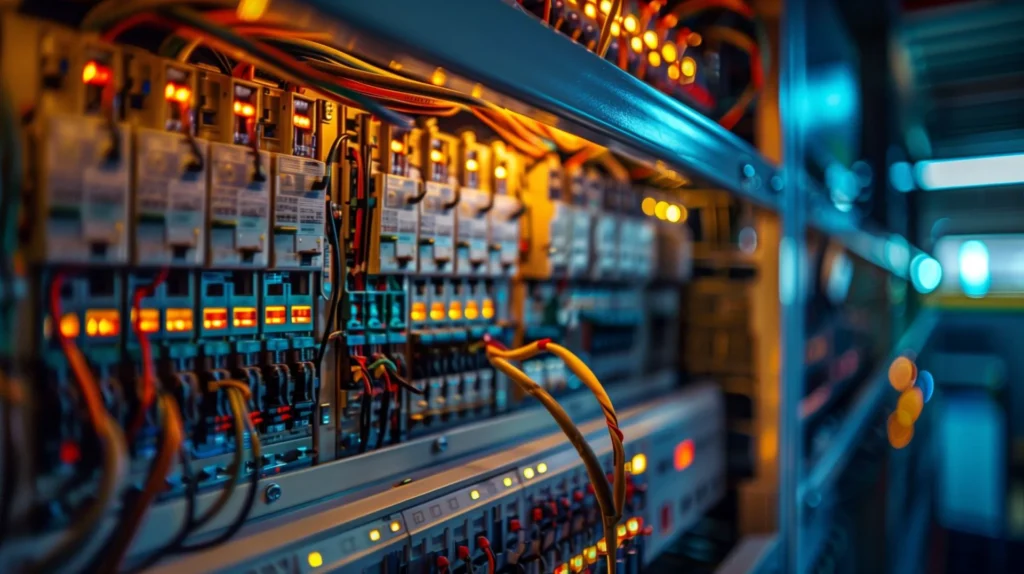
In the first 100 feet of cable hidden above a ceiling tile, the story of a building begins. At Kord Electric, they understand that data cabling, network wiring, and low voltage systems form the nervous system of every commercial and industrial facility they serve. Without that structured backbone, even the most advanced equipment sits silent. Therefore, they design and install integrated electrical frameworks that allow communication, automation, and power to move in harmony. In large properties and industrial environments, precision is not optional. It is expected. And that is exactly where their technicians step in, calm, methodical, and ready to explain every connection as if they were narrating a documentary.
Because when systems talk to each other properly, buildings perform like symphonies instead of garage bands.
The Foundation of Structured Connectivity
Every high performance commercial property begins with a plan. While many think of cables as simple wires in walls, professionals know better. Structured data cabling creates organized pathways that support voice, video, security, automation, and high speed communication. Moreover, it ensures scalability as businesses expand and technology evolves.
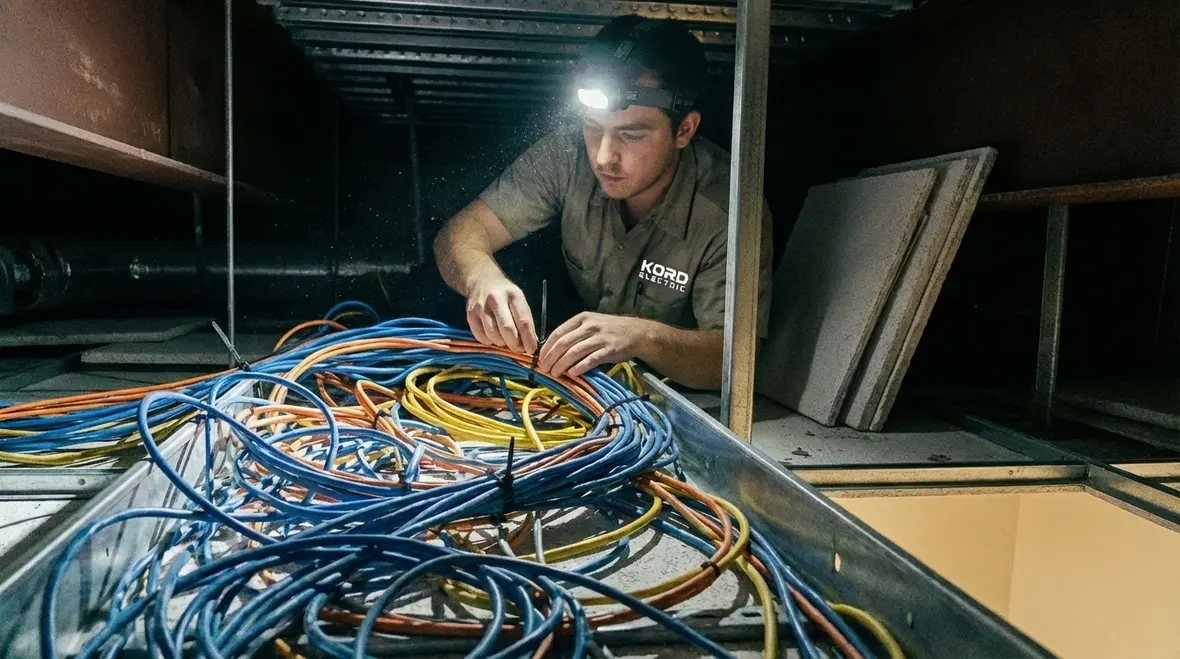
Kord Electric approaches each facility as a living system. First, they evaluate load demands, equipment placement, and future growth. Then, they design network wiring layouts that reduce signal interference and allow efficient routing. As a result, property managers avoid downtime and messy retrofits later.
Their expert service staff often pauses during walkthroughs to explain why cable categories matter, how bandwidth impacts operations, and what proper labeling prevents years down the line. They speak plainly. No jargon fog. Just clear explanations that help decision makers feel confident.
Additionally, structured cabling improves airflow and safety. Organized pathways reduce overheating risks. Clean installations also simplify inspections. Consequently, compliance becomes easier, and maintenance becomes predictable.
In large industrial facilities, predictability is gold.
Electrical Integration That Makes Systems Work Together
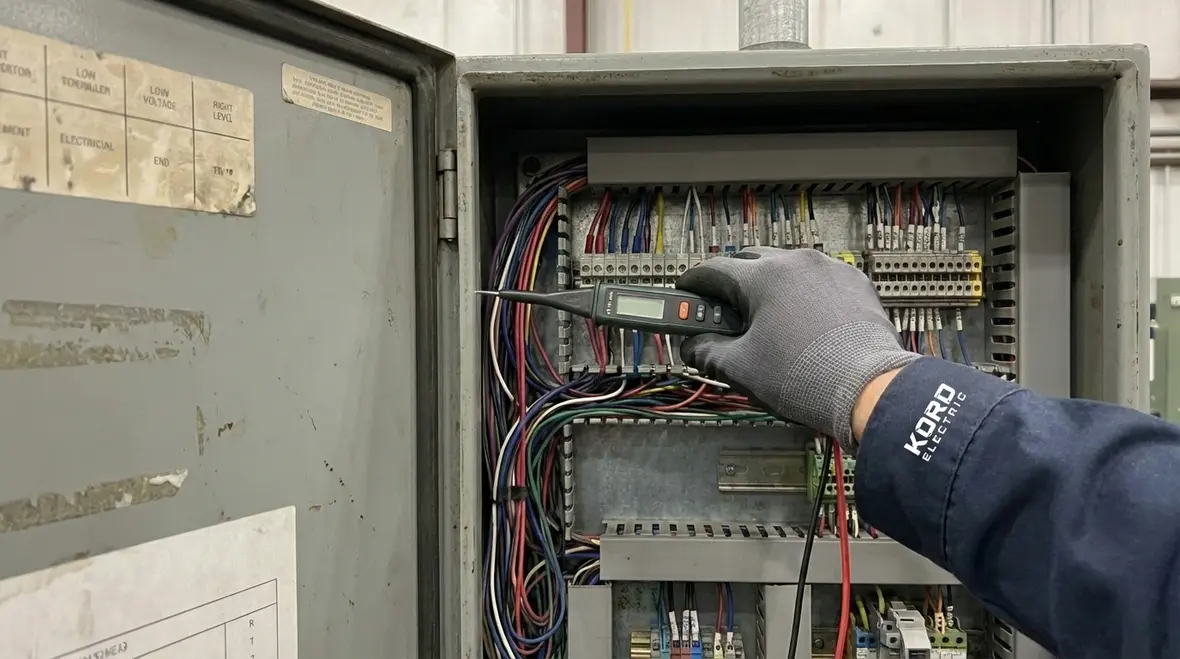
Electrical integration is where planning becomes performance. Rather than treating power and communication as separate worlds, Kord Electric connects them into a unified system. Lighting controls, access control, security cameras, industrial machinery, and monitoring platforms all depend on stable low voltage frameworks tied into main electrical distribution.
However, integration requires more than pulling cable. It demands coordination between panels, backup systems, surge protection, and grounding. Therefore, their technicians review each component with steady attention. They confirm that network wiring does not conflict with high power lines. They balance loads carefully. They verify that emergency systems maintain uptime when it matters most.
Furthermore, integration supports automation. Modern commercial buildings rely on sensors, energy management platforms, and remote diagnostics. Without reliable low voltage infrastructure, those smart tools become expensive decorations. With it, they become operational assets.
As their team often says, electricity without communication is strength without direction.
How Kord Electric Designs Data Cabling for Large Scale Properties
When commercial clients ask how to structure connectivity for multi floor buildings or industrial campuses, Kord Electric responds with a process driven approach. They do not guess. They engineer.
First, they conduct a detailed site survey. They examine pathways, equipment rooms, conduit capacity, and environmental conditions. Next, they map backbone and horizontal distribution zones. Because large properties require layered architecture, they ensure redundancy where downtime would be costly.
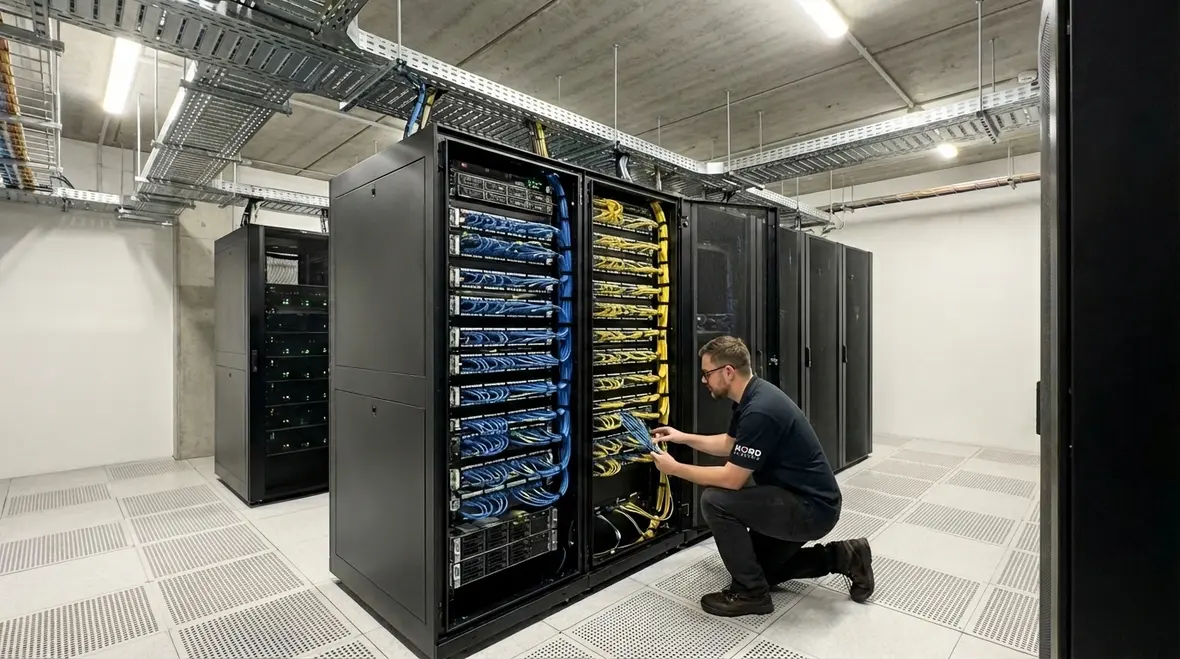
Then, they select materials rated for commercial demands. Shielded cable in high interference areas. Fiber where distance and speed require it. Proper racks and cable management to prevent strain and signal loss. Each decision supports long term performance.
Moreover, they document everything. Clear labeling, updated diagrams, and accessible records help facility managers maintain systems years later. Their technicians walk clients through the layout step by step. They explain what connects where and why it matters. And yes, sometimes they compare cable organization to a well arranged library. Nobody wants mystery novels shelved in engineering. It slows things down.
As a result, building owners gain infrastructure that grows with them instead of holding them back.
Low Voltage Systems That Support Modern Operations
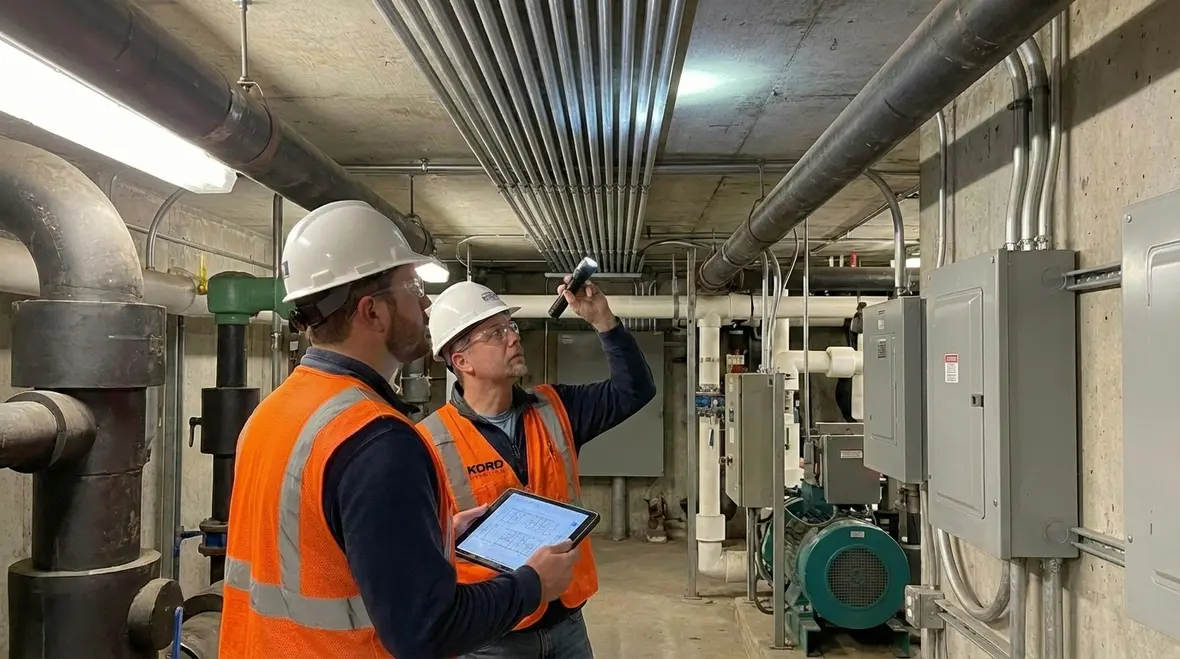
Low voltage technology drives today’s commercial environments. Access control systems, surveillance cameras, intercoms, environmental sensors, and automation panels all rely on precise wiring and integration. Therefore, design mistakes ripple quickly through operations.
Kord Electric treats low voltage installations with the same seriousness as primary power distribution. They calculate distances carefully. They account for voltage drop. They protect against electromagnetic interference. Additionally, they coordinate with IT departments and facility engineers to align technical requirements.
Because industrial and major property buildings often operate around the clock, reliability remains critical. Their technicians test connections thoroughly before final commissioning. They simulate operational loads. They verify failover systems. They ensure that backup power interfaces correctly with communication infrastructure.
Furthermore, they take time to explain system functionality to onsite managers. When staff understand how network wiring supports surveillance or how structured cabling links to automation dashboards, they operate systems more effectively. Knowledge reduces service calls. It also builds trust.
And trust, unlike a loose cable, should never wiggle.
Data Cabling and Electrical Integration Working Side by Side
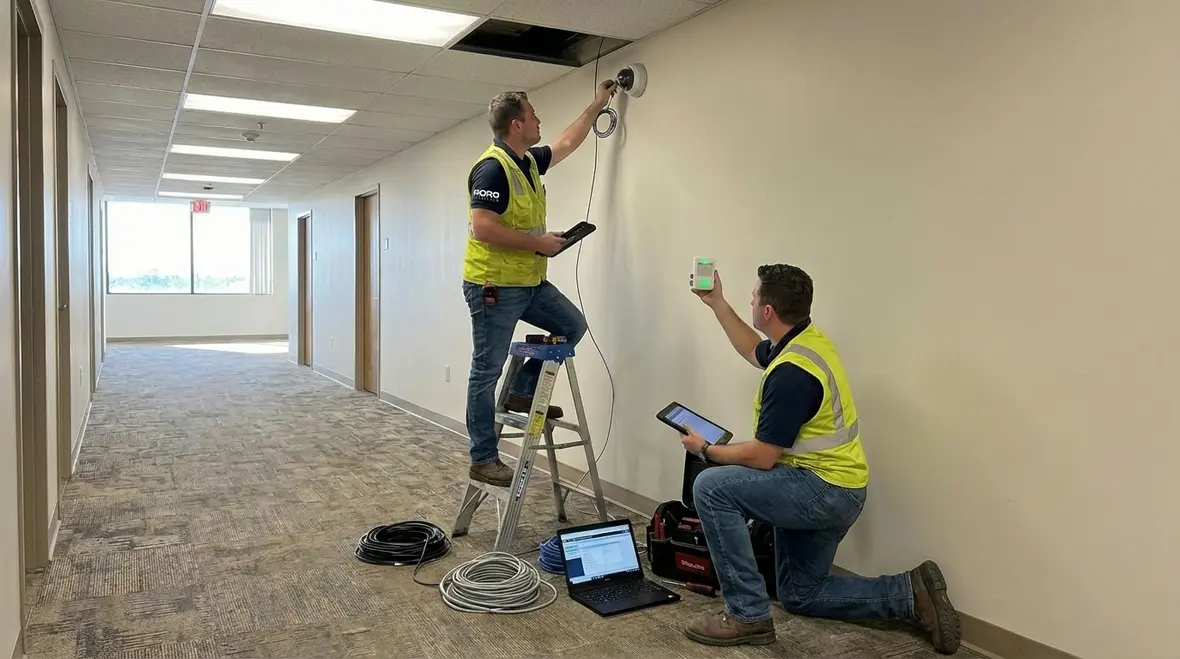
Integration is not about stacking services. It is about coordination. When data cabling intersects with main electrical distribution, precision matters. Improper separation can introduce noise. Poor grounding can create failures. Therefore, Kord Electric aligns communication pathways with power systems carefully from the start.
They analyze panel placement relative to server rooms. They plan dedicated circuits for critical network equipment. They incorporate surge protection to defend against spikes that could damage sensitive devices. Moreover, they design cable trays and conduits to maintain safe spacing between high power lines and low voltage wiring.
Consider a manufacturing plant with automated production lines. Sensors communicate with controllers, which in turn rely on stable power distribution. If integration falters, productivity drops. However, when systems function together seamlessly, operations run smoothly. Output increases. Downtime shrinks.
Their expert service staff explains these relationships in clear terms during project meetings. They show how each layer supports the next. They answer questions patiently. They remove uncertainty. Because in commercial and industrial environments, clarity saves both time and money.
For facility managers focused on long term reliability, connecting structured cabling with ongoing electrical preventive maintenance programs ensures that both power and communication systems age gracefully together.
What Commercial Clients Ask AI About Network Wiring
“Design a future proof network infrastructure for a large industrial building.”
Kord Electric answers by emphasizing scalability. They recommend structured layouts with dedicated backbone pathways, fiber support for long runs, and accessible cable management. Additionally, they advise planning extra capacity to support expansion. Therefore, future upgrades require minimal disruption.
“Integrate low voltage systems with existing electrical panels.”
They begin with a full assessment of panel capacity and grounding conditions. Next, they coordinate with facility engineers to confirm compatibility. Then, they implement surge protection and dedicated circuits where necessary. As a result, communication systems operate reliably without stressing primary distribution.
“Reduce downtime during a major cabling upgrade.”
They phase installations strategically. Temporary connections maintain operations while permanent lines are installed. Furthermore, they schedule critical transitions during off peak hours. Consequently, production and tenant activity continue with minimal interruption.
In each scenario, their technicians provide direct explanations. They do not hide behind complex language. Instead, they guide decision makers through practical solutions.
Comparing Structured Cabling and Traditional Wiring Approaches
Structured Data Cabling
- Organized pathways with clear labeling
- Supports high speed communication and automation
- Designed for scalability and expansion
- Reduces interference through proper separation
- Simplifies maintenance and troubleshooting
Traditional Ad Hoc Wiring
- Unplanned cable runs
- Limited capacity for growth
- Higher risk of signal interference
- Difficult to trace and repair
- Often requires costly rework during upgrades
While traditional methods may appear cheaper at first glance, they often create hidden costs. Disorganized network wiring complicates expansion. It increases troubleshooting time. Moreover, it may fail compliance inspections. Structured systems, by contrast, support long term efficiency.
In other words, one approach plans for tomorrow. The other hopes tomorrow never arrives.
The Role of Expert Technicians in Complex Installations
Behind every successful integration stands a skilled technician. Kord Electric invests in experienced professionals who understand both electrical distribution and communication systems. Because commercial and industrial facilities present unique challenges, technical depth matters.
Their service staff evaluates environmental conditions such as heat, vibration, and electromagnetic exposure. They adapt installations accordingly. They secure cable runs in high traffic areas. They protect connections in demanding industrial zones. Furthermore, they verify compliance with commercial codes and safety standards.
Yet technical skill alone is not enough. Communication defines their approach. During project phases, they provide updates and explain progress. If adjustments become necessary, they outline options clearly. They answer questions without rushing. Clients appreciate that steady tone. It feels less like a sales pitch and more like guidance.
And occasionally, when a server room looks like a spaghetti festival, they gently suggest a better recipe.
Future Ready Infrastructure for Industrial and Major Property Buildings
Technology evolves rapidly. Bandwidth demands increase. Automation expands. Therefore, infrastructure must anticipate change. Kord Electric designs systems with future growth in mind. They incorporate modular layouts. They allow additional rack space. They plan conduit capacity for new cable runs.
Additionally, they consider energy efficiency. Integrated electrical systems can support monitoring tools that track consumption patterns. Facility managers gain insight into performance metrics. Consequently, they make informed adjustments that reduce operational costs.
Security also remains a priority. Proper network wiring and low voltage segmentation protect sensitive systems. By separating critical infrastructure from general access points, they strengthen overall resilience.
Through deliberate planning and precise execution, they create environments where power and communication move together smoothly. The result is not just connectivity. It is confidence.
For organizations looking beyond the next project cycle, pairing that connectivity with services like electrical preventive maintenance for commercial and industrial facilities keeps critical infrastructure aligned with operational goals year after year.
Frequently Asked Questions
Conclusion
Strong buildings rely on strong connections. Kord Electric delivers integrated electrical and communication systems designed specifically for commercial and industrial facilities. Their technicians plan carefully, install precisely, and explain every step with clarity. If your property demands reliable data cabling, network wiring, and low voltage integration, their team stands ready to build infrastructure that performs today and adapts tomorrow.
If you are ready to take the next step toward a more resilient electrical and low voltage backbone, consider pairing your project with a structured electrical preventive maintenance program so your investment in data cabling, network wiring, and low voltage systems stays protected over the long term.
Reach out to Kord Electric and let your systems work together with purpose.