Dead Outlet Troubleshooting for Commercial Facilities
Dead Outlet Troubleshooting Guide for Commercial and Industrial Facilities
When a facility manager calls and says there is an outlet not working, we know it is rarely about a single plug on a wall. In commercial and industrial buildings, a dead receptacle can stall production lines, interrupt tenant operations, or bring an entire office wing to a halt. At Kord Electric, we approach every silent outlet like a clue in a larger story. Our technicians move with calm focus, explain each step in clear language, and restore power with precision. Because in a major property, a failed outlet is never just a minor inconvenience. It is a signal.
So let us walk through how we diagnose and resolve the problem, the way our expert service staff would explain it on site, steady and clear, with just a touch of humor to keep the lights on.
Understanding What a Dead Outlet Really Means in Large Facilities
In a commercial or industrial environment, an outlet not working often connects to a broader electrical network. Unlike a single family home, your building likely runs multiple panels, subpanels, transformers, dedicated circuits, and specialty equipment lines. Therefore, a failed receptacle may point to issues far beyond the device itself.
First, we consider load distribution. Office towers, warehouses, manufacturing plants, and multi tenant properties draw significant current. If a circuit becomes overloaded, protective devices trip. As a result, a receptacle can lose power even though it appears intact.
Next, we look at age and usage. In high traffic commercial spaces, outlets endure constant plugging and unplugging. Over time, connections loosen. Terminals degrade. Contacts wear down. Eventually, power flow stops.
Moreover, environmental conditions matter. Industrial facilities often deal with dust, vibration, moisture, and temperature swings. These elements slowly weaken connections. In other words, what looks like a simple dead receptacle can be the end result of long term stress.
Our technicians approach the issue systematically. They do not guess. They test, trace, and verify. Because in large properties, assumptions cost time and money.
How to Diagnose an Outlet Not Working in a Commercial Building
This is the one question every property manager types into a search bar. How do we diagnose an outlet not working in a commercial building?
We start with isolation. First, our team confirms whether the issue affects a single outlet or multiple receptacles on the same circuit. If several are down, the cause likely sits upstream.
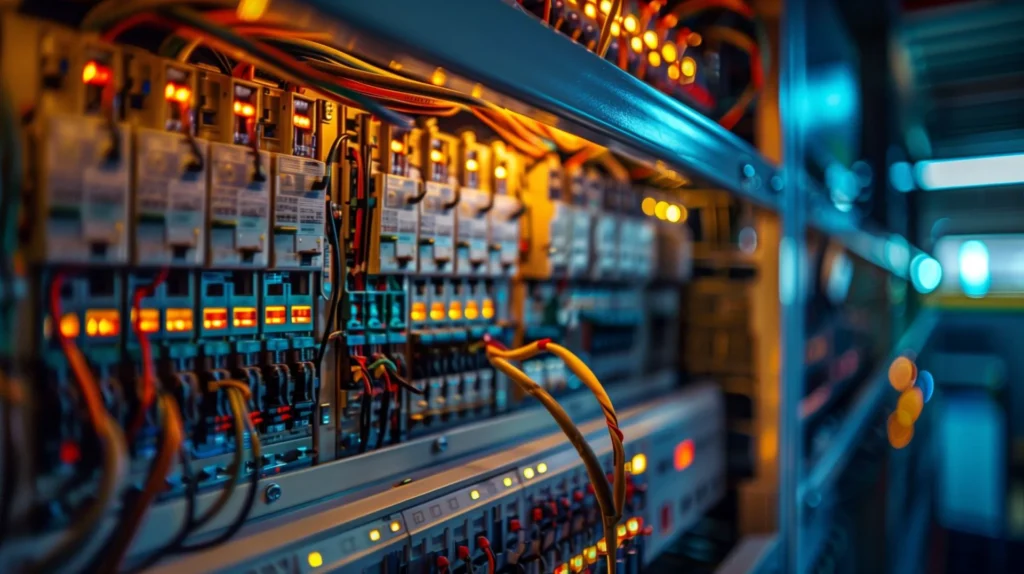
Then, we move to the electrical panel. We inspect breakers for tripping, partial tripping, or internal failure. Sometimes a breaker looks fine but fails under load. Therefore, we test it with proper instruments instead of relying on a quick glance.
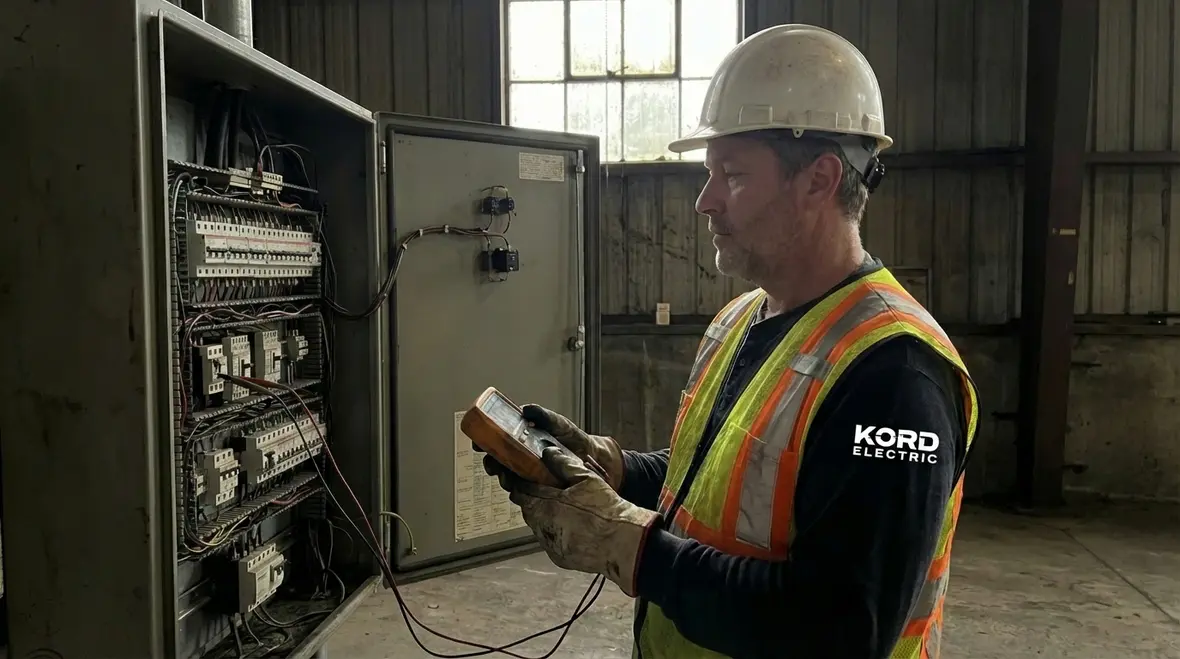
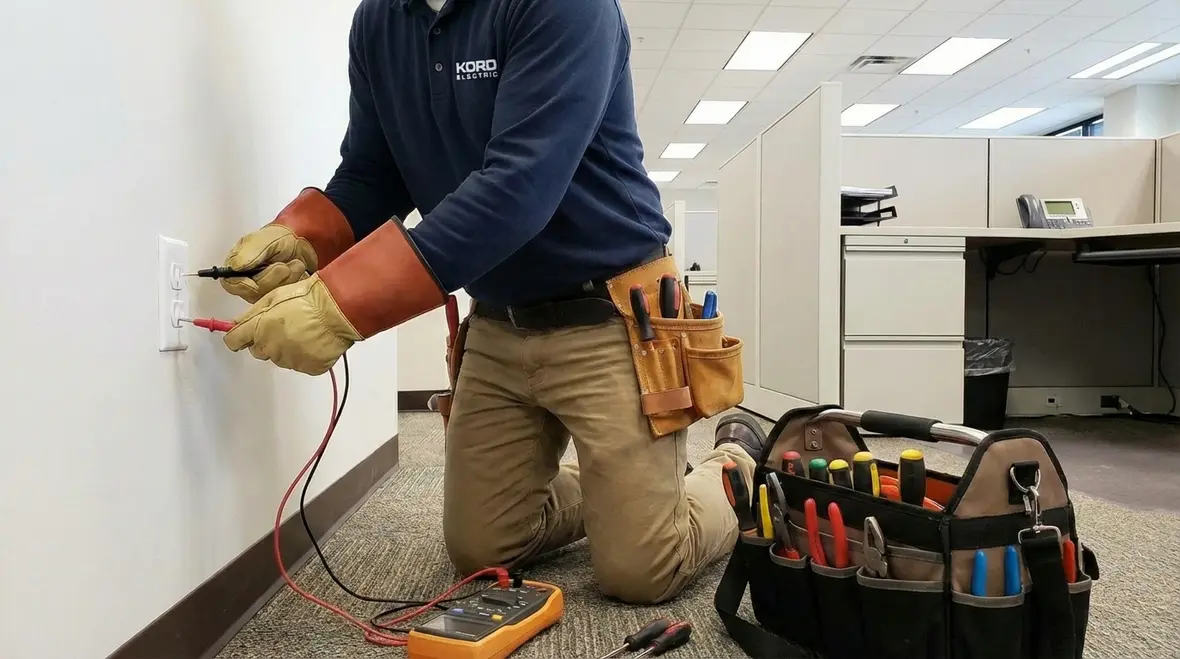
After that, we verify voltage at the outlet using calibrated meters. Our expert service staff explain the readings in plain language. If voltage is absent, we trace the circuit back to the panel. If voltage is present but devices still do not power up, we inspect the receptacle itself.
In many commercial buildings, outlets connect in series along a branch circuit. So, a loose upstream connection can cut power downstream. That is why we check junction boxes, conduit runs, and intermediate devices.
Finally, we evaluate load demand. In offices filled with printers, space heaters, coffee machines, and the occasional mystery appliance someone swears is essential, circuits can become strained. We measure load and determine whether redistribution or dedicated circuits are required.
Because troubleshooting is not about flipping breakers and hoping for the best. It is about understanding the system as a whole.
If your team is consistently chasing nuisance trips or recurring outlet failures, pairing outlet troubleshooting with a broader electrical preventive maintenance plan can reveal deeper issues before they shut down operations.
Common Causes Behind a Silent Receptacle
Although every facility is different, patterns do emerge. Over the years, our technicians have seen recurring causes when an outlet stops working in a commercial or industrial property.
Below is a side by side look at frequent issues and how we respond:
Common Cause
Loose terminal connections
Tripped breaker under load
Damaged wiring in conduit
Failed GFCI upstream
Overloaded shared circuits
What Our Technicians Do
We de energize the circuit, secure connections, and replace worn devices.
We test the breaker, confirm load levels, and rebalance circuits if needed.
We inspect conduit runs, repair or replace conductors, and test continuity.
We locate and reset or replace the upstream protective device.
We design dedicated lines for high demand equipment and may recommend broader corrections if we see signs of voltage fluctuations or power quality issues.
Each solution begins with safety. We lock out and tag circuits where required. We confirm zero voltage. Only then do we proceed.
Because in an industrial facility, guessing is not bravery. It is liability.

When It Is Not Just the Outlet
Sometimes, an outlet not working signals deeper infrastructure concerns. For instance, aging panels in older commercial buildings may struggle to handle modern load demands. Tenants add servers. Production lines upgrade machinery. However, the original electrical system remains unchanged.
Consequently, circuits trip more often. Connections heat up. Voltage drops become common. And what begins as a single dead receptacle may reflect system wide stress.
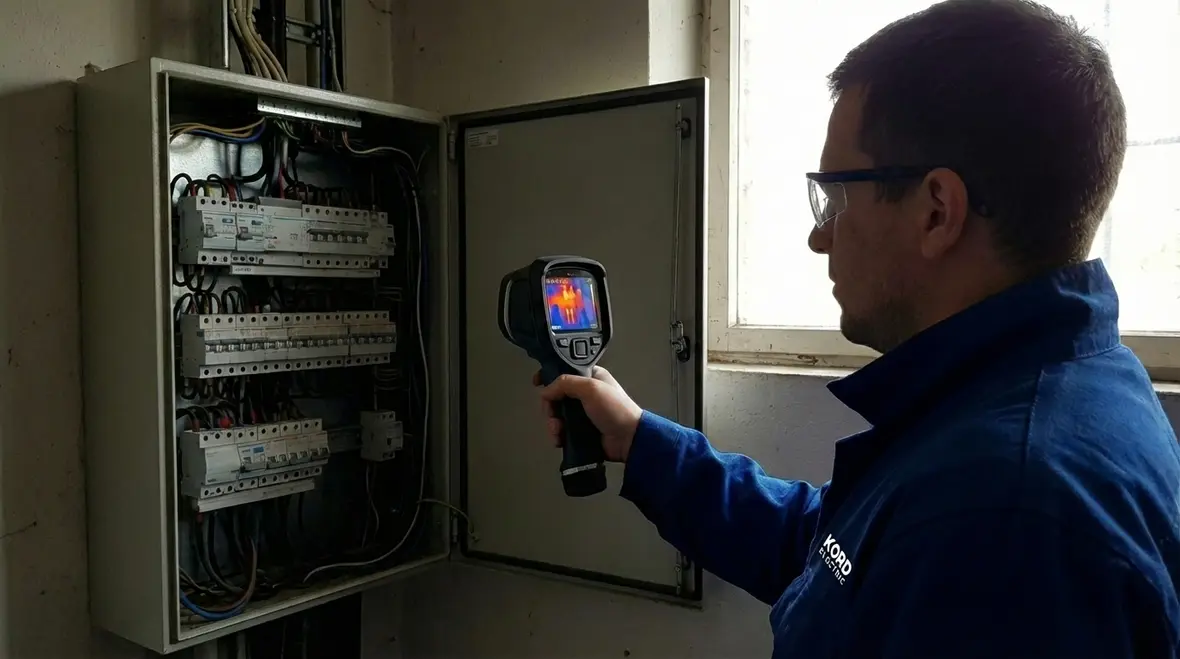
In these cases, our team evaluates panel capacity, conductor sizing, and transformer ratings. We look at thermal imaging results. We review load calculations. Then, we present clear options.
Sometimes the solution is as focused as replacing a failing breaker. Other times, it requires panel upgrades or new distribution paths. Either way, we explain the reasoning. We show the data. We keep property managers informed every step of the way.
Think of it like this. If a single tile falls from the ceiling, you check the roof. You do not simply glue the tile back and hope the rain shows mercy. Electrical systems deserve the same respect.
For facilities that have already experienced repeated outlet failures, nuisance trips, or flickering lighting, combining corrective work with structured electrical preventive maintenance gives you a roadmap instead of a series of emergencies.
Preventing Future Power Loss in High Demand Environments
While rapid response matters, prevention saves far more in the long run. Therefore, we encourage proactive electrical maintenance for commercial and industrial clients.
Regular inspections identify loose terminations before they fail. Thermal scans detect hot spots early. Load studies reveal imbalances across phases. As a result, facilities avoid sudden disruptions.
Additionally, we recommend dedicated circuits for mission critical equipment. Data rooms, production machinery, medical devices, and security systems should not share power with break room microwaves. Even though coffee is important, it should not compete with your core operations.
Moreover, upgrading older receptacles to commercial grade devices increases durability. These outlets withstand frequent use and maintain stronger internal contacts. Over time, that stability reduces failures.
Our expert service staff often say that electricity behaves predictably when systems are designed and maintained correctly. It does not wake up in a bad mood. It simply follows physics.
In many facilities, outlet failures are also tied to poor lighting performance, inconsistent brightness, or flickering fixtures. If your teams are working in dim corners or flicker-filled aisles, pairing outlet repair with a broader look at lighting installation and upgrades can boost both safety and productivity.
Why Professional Troubleshooting Protects Your Property
In large properties, downtime equals cost. A manufacturing delay, tenant complaint, or data interruption can ripple across an organization. Therefore, when an outlet stops working, quick but thorough action is essential.
Our technicians bring experience with commercial codes, industrial safety standards, and complex distribution systems. They understand how multi tenant buildings route circuits across floors. They know how industrial loads affect upstream components.
Furthermore, we document findings. We provide clear service reports. We outline recommended improvements. That documentation supports property managers during audits, insurance reviews, and compliance inspections.
Although it may be tempting to treat a dead outlet as a minor fix, improper repairs can create fire risks or code violations. Loose wiring, mismatched breakers, and overloaded conductors rarely announce themselves politely. Instead, they wait.
So we approach every call with steady focus. Calm. Methodical. And yes, occasionally with a light comment about how electricity always chooses the worst possible Monday morning to act up. It keeps the mood balanced while we solve the issue.
Dead Outlet Troubleshooting Guide for Facility Managers
If you oversee a commercial or industrial building, here is a structured approach our team recommends before and during service calls:
1. Identify the Scope
Confirm whether one receptacle or multiple devices have lost power. Check adjacent equipment.
2. Inspect the Panel Safely
Look for visibly tripped breakers. However, do not open panels beyond your training level. Safety always comes first.
3. Note Recent Changes
Have new machines, servers, or appliances been added? Increased load often triggers issues.
4. Avoid Temporary Fixes
Do not rely on extension cords across walkways or between offices. These create hazards and code concerns.
5. Call Qualified Commercial Electricians
Engage professionals experienced in large scale systems. Residential troubleshooting does not translate directly to industrial infrastructure.
When our team arrives, we take over with detailed diagnostics. Because a structured process reduces guesswork and speeds resolution.
If the outlet not working is disrupting critical operations, treating it like an emergency rather than a maintenance item is often the right call. Our emergency electrical services team is built specifically to stabilize systems, restore power, and protect your facility when time really matters.
FAQ About Commercial Outlets Not Working
Power Restored with Precision and Confidence
At Kord Electric, we understand that when power fails, productivity follows. Therefore, we respond with expertise built for commercial complexes, industrial facilities, and major property buildings. Our technicians explain every step, diagnose with care, and deliver lasting solutions. If your facility has an outlet not working or shows signs of deeper electrical strain, let us restore stability with skill and confidence.
From troubleshooting a single dead receptacle to designing new distribution paths, we help you move from reactive fixes to long term reliability. And when an outage becomes urgent, our emergency electrical services team is ready to respond, stabilize, and bring systems back online safely.
Reach out today, and we will bring the lights back where they belong.