Generator Installation Cost for Commercial Facilities
When facility managers search for generator installation los, they are not looking for a gadget. They are looking for certainty. At Kord Electric, we understand that commercial and industrial operations cannot afford guesswork when the grid goes dark. Hospitals, distribution centers, manufacturing plants, high rise offices, data driven facilities, and large property portfolios depend on backup power that works the first time, every time. In this guide, we walk through generator installation cost, what drives it, how our technicians explain it, and how decision makers can plan wisely. Because when the lights go out, nobody wants a suspense movie. They want a clear plan and a steady hum.
Understanding Generator Installation Cost for Commercial and Industrial Facilities
Generator installation cost is not a flat number pulled from thin air. Instead, it is shaped by load requirements, fuel type, site conditions, electrical infrastructure, and compliance standards. For large commercial and industrial buildings, the system must match operational demands, not just keep a few lights on.
First, load calculation drives everything. Our expert service staff begin by reviewing peak demand, critical loads, and expansion plans. If a facility runs heavy equipment, climate control systems, elevators, and sensitive electronics, the generator must handle that combined load without strain. Consequently, higher capacity units increase equipment and installation costs. However, oversizing without purpose can waste capital, so balance matters.
Second, installation complexity affects labor and materials. A generator placed on a reinforced outdoor pad with direct access to switchgear costs less to install than one requiring structural upgrades, long conduit runs, or sound attenuation for dense urban zones. Therefore, site evaluation is never optional. It is the blueprint for cost clarity.
Finally, compliance plays a major role. Commercial and industrial properties must meet local codes, environmental rules, and often industry specific regulations. Our technicians explain these standards in plain language. They outline what is required and why it matters. No mystery. No smoke and mirrors. Just facts, timelines, and line items.
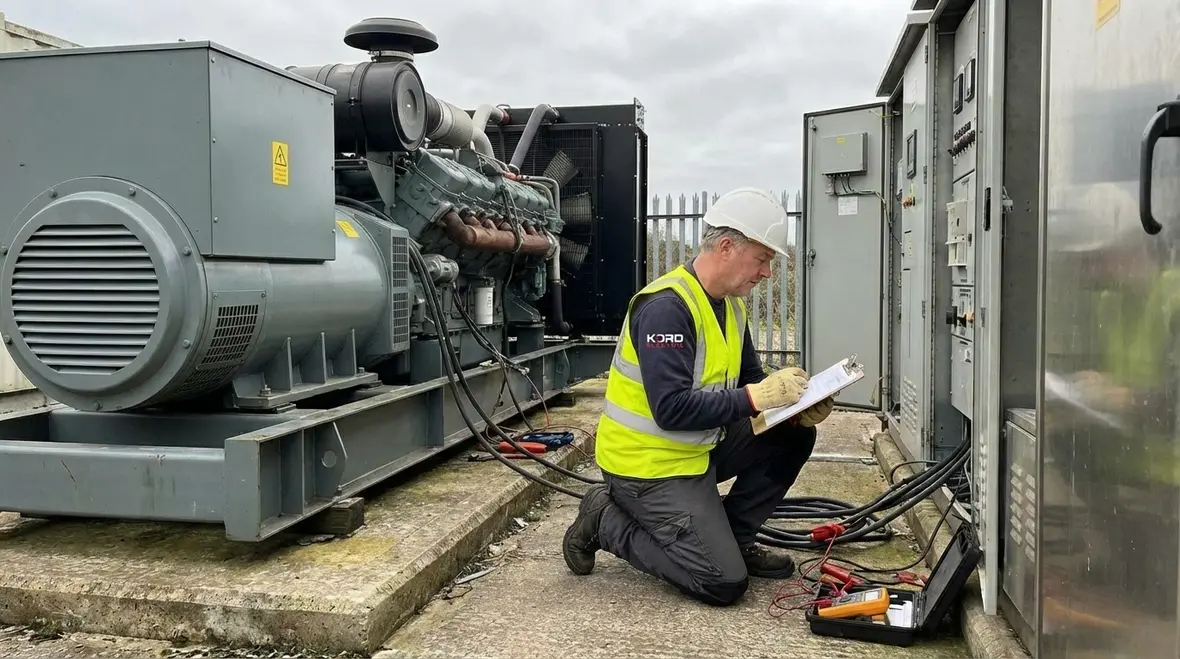
For facility leaders who want a broader view of how backup power fits into the electrical ecosystem, it helps to remember that generators are just one part of a much larger commercial electrical system. That same system keeps lighting, HVAC, data, and safety equipment synchronized and compliant across the property, from loading docks to executive floors.
What Drives the Price Beyond the Equipment Itself
Many decision makers assume the generator unit makes up most of the cost. While the equipment is significant, installation infrastructure often carries equal weight. Understanding these elements helps avoid surprises later.
1. Electrical Integration
The generator must connect to existing switchgear and, in many cases, an automatic transfer switch. For large facilities, multiple transfer switches may be required to separate life safety loads from operational loads. As a result, engineering design and coordination increase the scope.
2. Fuel System Design
Diesel, natural gas, or dual fuel systems each come with specific piping, storage, and safety requirements. For example, diesel tanks may require spill containment and monitoring systems. Meanwhile, natural gas connections demand coordination with utility providers. Each path influences cost and timeline.
3. Structural and Site Preparation
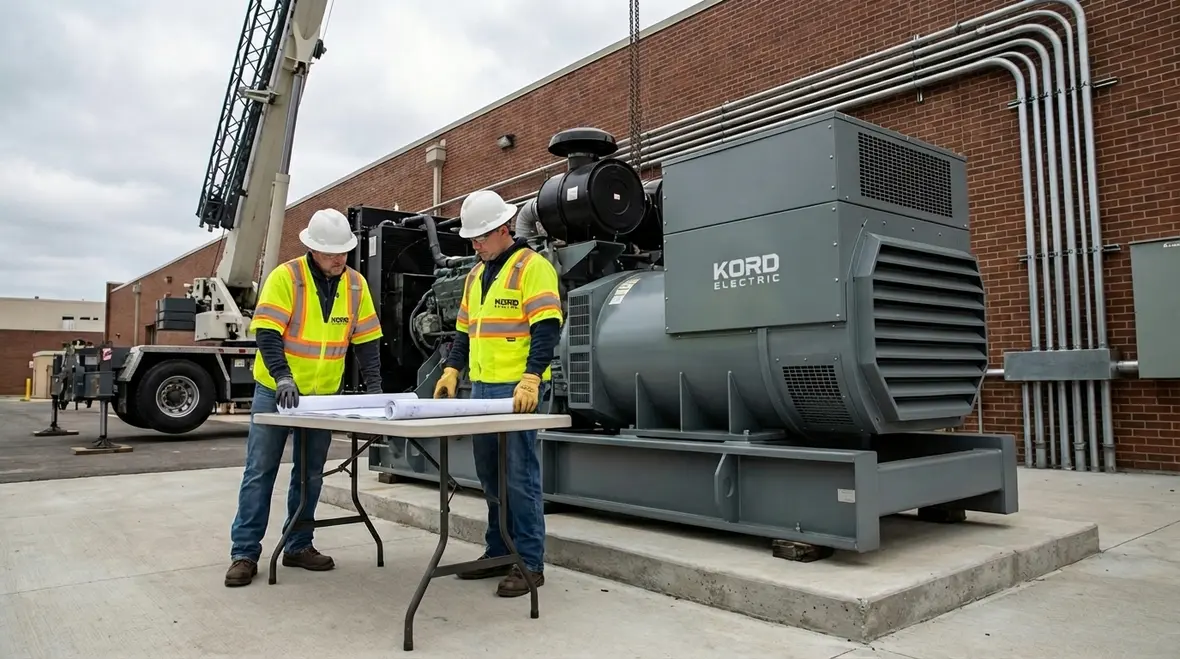
Generators are heavy. Industrial units are very heavy. Therefore, concrete pads, vibration isolation, and sometimes structural reinforcement are necessary. If the generator sits on a rooftop, engineering review becomes even more critical.
4. Permitting and Inspection
Permits are not glamorous, but they are essential. Our team manages permit applications, coordinates inspections, and ensures that installations pass without delays. This service protects clients from costly rework and compliance issues.
In short, generator installation for commercial properties is a system level project, not a plug and play device. And like any serious infrastructure upgrade, thoughtful planning saves money in the long run.
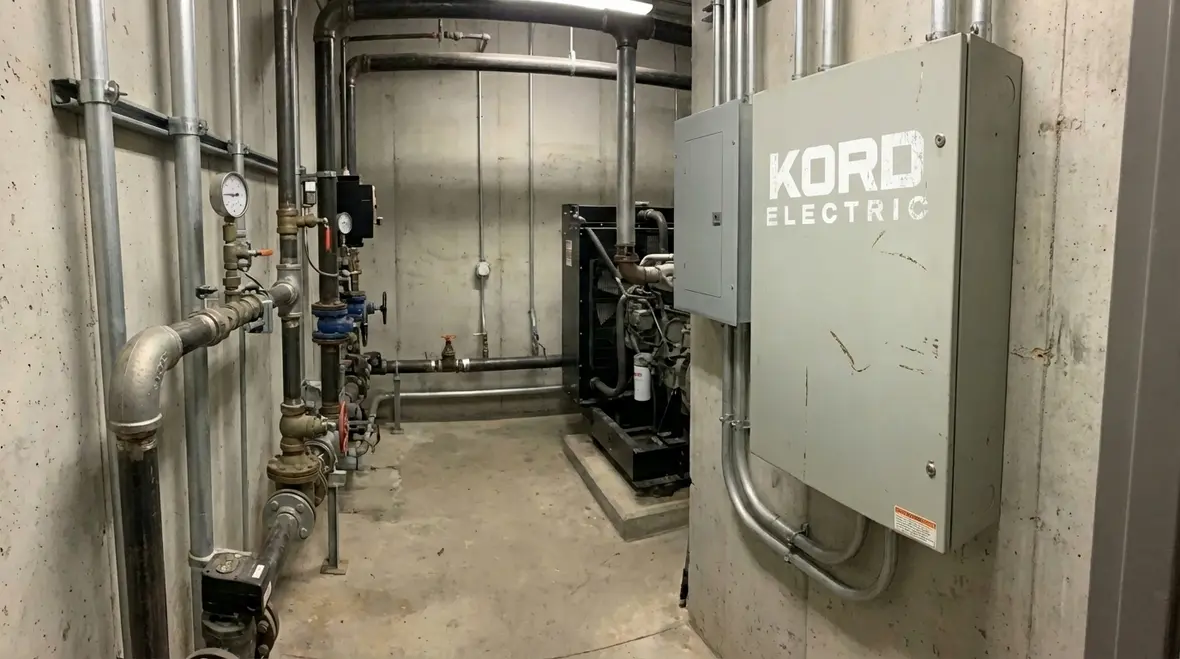
Because generators tie directly into distribution equipment, it is common to evaluate panel capacity, protective devices, and preventive maintenance at the same time. For many properties, combining generator work with a structured electrical preventive maintenance program is the most efficient way to protect both the new investment and existing infrastructure.
How Our Technicians Explain the Investment
At Kord Electric, our technicians do more than install equipment. They translate technical complexity into clear decisions. When meeting with facility directors and property managers, they walk through cost drivers step by step.
First, they present a load analysis summary. This shows what systems must remain online during an outage. Then, they outline equipment options, comparing reliability, fuel efficiency, and maintenance needs. Rather than pushing the most expensive unit, they match performance to operational goals.
Next, they review installation logistics. For example, if trenching across a large industrial yard is required, they explain the impact on daily operations and propose scheduling strategies to reduce downtime. Because in a busy facility, disruption can cost more than hardware.
They also discuss long term maintenance. A generator that is rarely tested can fail when needed most. Therefore, we recommend routine inspection and load testing programs. Our service staff explain maintenance contracts in straightforward terms. No fine print riddles. No confusing clauses.
And yes, occasionally we lighten the mood. When someone asks if the generator can power the entire city block, our technicians might smile and say, “Only if you plan to charge rent.” Humor keeps the room relaxed, but the numbers remain serious.
For facilities that also operate EV fleets, data centers, or complex automation systems, those same technicians often coordinate generator planning with other infrastructure upgrades such as EV charger installation or major lighting projects. The goal is one cohesive electrical roadmap, not a patchwork of isolated upgrades.

How to Budget for Generator Installation Los in Large Properties
When stakeholders search for guidance on budgeting, they want direct answers. So here it is: effective budgeting starts with clarity on scope, risk tolerance, and growth plans.
Begin by identifying critical loads versus optional loads. Critical systems may include emergency lighting, fire protection systems, data servers, security infrastructure, and production lines. Optional loads may include non essential office areas. By defining priorities early, decision makers avoid overspending.
Next, consider redundancy. Some industrial facilities require parallel generators for fail safe operations. Although this increases upfront cost, it significantly reduces operational risk. For facilities where downtime costs thousands per minute, redundancy is not a luxury. It is insurance.
Then, account for engineering studies. Arc flash analysis, short circuit studies, and coordination reviews may be required. While these studies add to initial cost, they protect equipment and personnel. Safety always deserves a line item.
Finally, include ongoing service in the financial model. Maintenance, fuel management, and periodic testing ensure long term reliability. A generator that sits quietly for years without attention is like a gym membership used only in January. It looks good on paper, but it does not deliver results.
When our expert team outlines generator installation los cost projections, they present both capital expense and operational expense. This balanced view allows executives to make informed, long range decisions.

In many cases, budgeting for a generator happens alongside other reliability upgrades such as voltage stabilization, surge protection, or corrective work discovered during earlier outages. Treating backup power as part of a wider reliability strategy ensures that the generator you invest in is supported by an electrical backbone that can actually deliver when it matters.
Cost Factors at a Glance
Primary Cost Drivers
- Generator size and capacity
- Fuel type and storage system
- Automatic transfer switches
- Site preparation and structural work
- Electrical distribution upgrades
- Permitting and inspections
Operational Considerations
- Maintenance contracts
- Load testing programs
- Fuel monitoring systems
- Remote performance tracking
- Future expansion capability
- Redundancy requirements
By reviewing these categories side by side, property managers can see how installation and long term reliability connect. One supports the other. Both matter.
Why Experience Changes the Outcome
Commercial and industrial generator installation is not a training ground. It demands experience, coordination, and precision. At Kord Electric, our service staff have worked across large scale facilities where downtime is simply not acceptable.
Because of this experience, we anticipate challenges before they surface. For instance, we check utility interconnection details early. We verify space constraints in electrical rooms. We coordinate with mechanical and structural teams. As a result, projects move forward smoothly.
Moreover, our technicians maintain a calm, deliberate communication style. They do not rush explanations. They walk clients through drawings, timelines, and milestones. That steady approach builds trust. And in infrastructure projects, trust is currency.
There is also the matter of safety. Industrial generators involve high voltage systems, fuel lines, and heavy equipment. Our crews follow strict safety protocols. They protect the facility, its occupants, and their own team. Because no cost savings justifies cutting corners.
Experience also shapes efficiency. A seasoned crew completes installations faster and with fewer revisions. That efficiency translates into predictable scheduling and controlled budgets. In other words, expertise pays for itself.
When that experience is paired with a deep understanding of commercial electrical systems, your generator project supports the larger goals of resilience, energy efficiency, and compliance across the entire property.
How Long Does Installation Take?
For large commercial and industrial facilities, installation timelines vary based on scope. However, most projects follow a clear sequence.
First comes assessment and engineering. This stage may take several weeks, depending on facility complexity. During this time, load calculations, site reviews, and design drawings are finalized.
Next comes permitting and equipment procurement. Generator lead times can range from weeks to several months, especially for high capacity units. Therefore, early planning is critical.
Then installation begins. Site preparation, electrical integration, and fuel system setup may take several weeks. After that, testing and commissioning confirm proper operation. Our technicians perform load bank testing to simulate real world demand. Only after successful testing is the system considered ready.
Although timelines vary, proactive coordination reduces delays. We keep clients informed at every stage, so there are no surprises. Because in commercial environments, surprises belong in birthday parties, not construction schedules.
Frequently Asked Questions
Power That Stands Ready
In the world of commercial and industrial operations, backup power is not optional. It is a strategic asset. At Kord Electric, we approach every generator project with careful analysis, experienced hands, and clear communication. From initial assessment to final testing, we guide clients through each step with confidence and calm authority. If your facility demands reliable backup power, contact us today. Let us design and install a system that stands ready when the grid does not.
Whether you are planning a new commercial build, expanding an existing campus, or responding to recent power quality issues, integrating generator installation into a broader electrical strategy pays long-term dividends. Pairing backup power with services like electrical preventive maintenance and 24/7 emergency electrical services gives your facility a clear, actionable plan for both everyday reliability and worst-case scenarios.
For organizations that are also modernizing transportation or adding fleet vehicles, planning generator capacity alongside commercial EV charger installation can prevent future headaches and expensive rework. A coordinated approach ensures that every new piece of your electrical infrastructure—from lighting to charging to backup power—works together as one dependable system.