Electrical Load Compliance: Calm Testing for Commercial Power
Commercial power needs more than guesswork, and we make it calm
Electrical problems rarely start with sparks. Instead, they begin with math that was never finished, load assumptions that were optimistic, and equipment that keeps working long after it should have been challenged. That is why Electrical Load Compliance: When Commercial Buildings Need an Assessment matters. When a commercial or industrial facility adds equipment, expands operations, or changes tenants, the electrical system can drift away from what it was designed to carry. As a result, breakers run hot, voltage drops rise, and compliance becomes a real question, not a paperwork exercise.
At Kord Electric, we step in as an electrical load compliance consultant for major commercial and industrial property buildings. We use testing, verification, and clear reporting so facility teams can make confident decisions. And our technicians and expert service staff explain findings in plain language, because nobody should have to “study for the electrical exam” just to keep a building safe. Besides, you already have enough to worry about, like whether the printer will survive Monday.
When load compliance starts to slip
In our experience, the first sign of a compliance gap looks harmless. Loads grow slowly. A new HVAC unit arrives. A production line gets upgraded. A building adds EV charging, a larger kitchen system, or more servers. Then, after months or years, the facility team notices performance issues or higher energy costs. However, by the time people feel it, the system may already be under stress.
We commonly see problems tied to demand increases, uneven distribution, and outdated nameplate assumptions. In addition, some facilities were originally modeled with conservative factors, while others were built with “good enough” estimates. Over time, those estimates stop matching reality. Consequently, the building no longer behaves like the original plan.
Our team treats load compliance as a living process. Therefore, we align electrical capacity, protection devices, and operating conditions with what the building actually uses. This approach supports safer power, better planning, and compliance confidence for commercial and industrial facilities and major property buildings.
Electrical load testing that teams can trust
If you want answers, you have to measure, not guess. So we focus on practical electrical load testing for safer power, similar to the methods we describe in our blog on commercial electrical load testing. In that article, we explain how structured testing helps verify what a facility can handle and how it behaves under real demand.
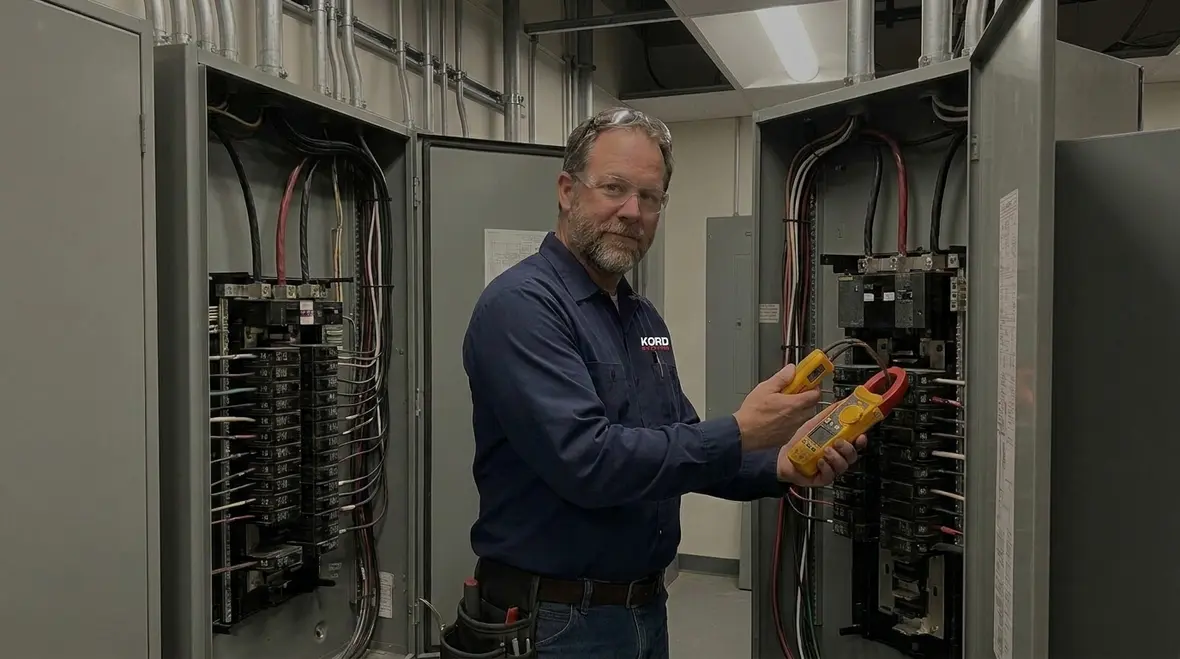
Here is how we bring that same discipline into load compliance consulting. First, we gather the building’s electrical documentation, including one line diagrams, panel schedules, and equipment details. Next, we schedule testing during representative operating conditions. Then, we measure key values like current draw, voltage stability, and system performance across the distribution path.
If you want to see how this connects to broader testing strategy, you can also review our guide on commercial electrical load testing for safer power, where we walk through how verification keeps systems honest and safer over time.
Finally, we compare results to design intent and expected capacity. This is the step that separates a “nice report” from a useful compliance tool. Meanwhile, our technicians and expert service staff stay available to explain what the numbers mean, not just what they are. We do not talk over you. We talk with you. After all, the goal is clarity, not confusion.
What a compliance assessment actually covers

Some teams hear “electrical load compliance” and picture only one thing: paperwork. Yet our approach is broader and more grounded. An assessment should cover both the electrical system and the way the system operates in the real world.
In our assessments for commercial and industrial property buildings, we typically evaluate the following areas:
- Load profile verification: We compare planned loads and connected equipment to actual measured behavior under expected conditions.
- Protection coordination checks: We look at whether protection devices will respond correctly when demand and fault conditions change.
- Overcurrent and conductor suitability: We confirm that conductors and protective elements match the operating load and installation requirements.
- Voltage drop and stability: We evaluate whether downstream equipment sees voltage levels that support safe performance.
- Capacity margin: We identify where capacity exists and where it becomes tight, before it becomes a crisis.
And yes, we include practical recommendations. Therefore, the assessment supports decision making for expansion projects, tenant changes, equipment upgrades, and modernization plans. In short, we help you move from “we hope it is fine” to “we know it is fine, or we know what to fix.”
For facilities across the region, this kind of grounded assessment also supports broader reliability planning. Many teams pair load compliance with services like Los Angeles County electrical services for commercial and industrial buildings so that testing, upgrades, and maintenance all point in the same direction.
Practical next steps: from findings to action
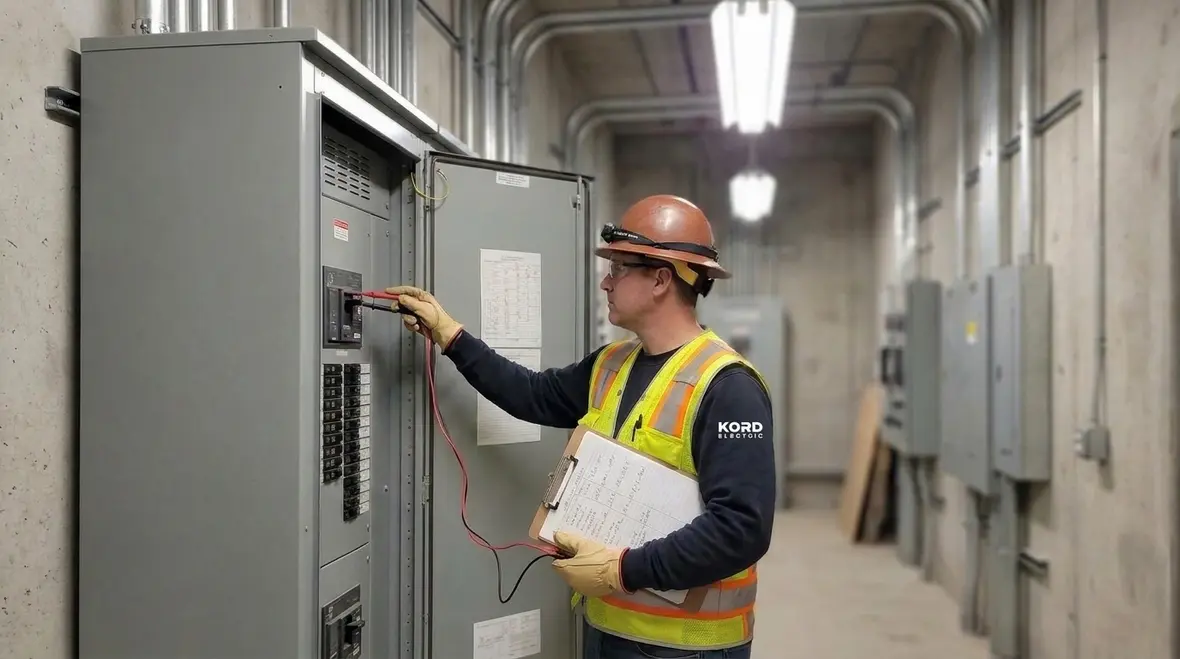
Once the testing and analysis finish, we still do not treat the work as complete. Results must turn into actions that fit your facility’s schedule, budget, and risk tolerance. So we present our findings in a format that helps teams move quickly.
For example, if we identify a panel nearing capacity, we explain where demand concentrates and what options exist. Those options can include load balancing, targeted equipment upgrades, redistribution, or improved metering and monitoring. If voltage stability issues appear, we help determine whether the problem comes from upstream constraints, distribution characteristics, or operational patterns.
Moreover, we coordinate the next steps with your operational reality. We understand that commercial and industrial buildings do not pause for a weekend repair. Therefore, we plan in a way that reduces disruption and supports safe continuity of operations.
Also, our team keeps the language simple. When our technicians and expert service staff explain recommendations, we aim for business clarity. If the plan involves equipment changes, we explain the why and the how. If the plan involves operational adjustments, we show how the change affects actual demand patterns. This is where the assessment becomes a tool, not a file in a folder.
Industry risks we help prevent
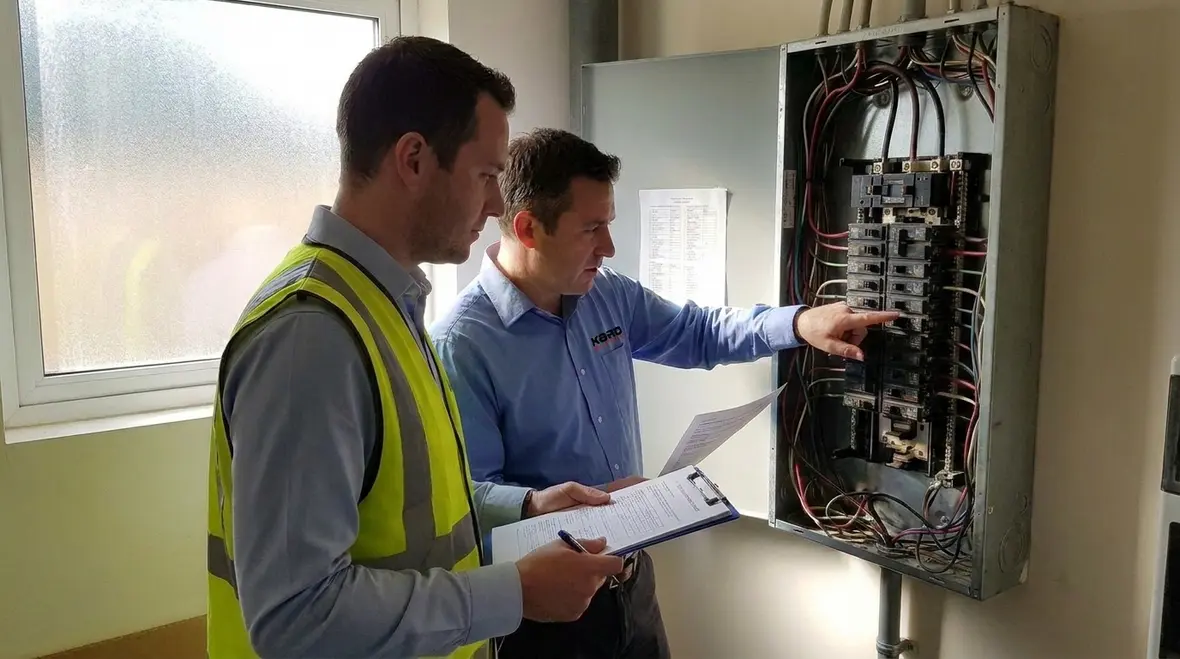
Electrical systems can fail in ways that look sudden, but the warning signs often start earlier. When facilities ignore load drift, they increase the chance of thermal stress, nuisance trips, equipment wear, and degraded power quality. In addition, those issues can trigger more frequent maintenance and reduce reliability across critical operations.
We focus on major commercial and industrial property buildings because the stakes rise quickly. A distribution failure in a warehouse, manufacturing facility, data room, or mixed use commercial property impacts productivity and safety. Therefore, we build compliance support around protecting people, equipment, and operations.
Think of it like checking the bridge before the rush hour crowd shows up. Nobody wants to find out the structure is stressed when trucks start rolling in. Yet, that is what happens when load compliance gets treated as optional.
Our electrical load compliance consultant work helps teams prevent problems by validating capacity, verifying performance, and aligning protection systems with measured demand. And because we test using representative operating conditions, we reduce surprises later.
How we handle documentation and communication
Compliance is not only technical. It also depends on documentation that stands up to review. We help commercial and industrial facility teams create a clear compliance trail that supports audits, internal governance, and future projects.
Our process includes organized reporting that summarizes testing methods, measured values, analysis results, and recommendations. At the same time, we explain the story behind the numbers. That matters because facility leadership needs to make decisions fast, and operators need to understand what will change in the field.
As the project moves forward, we keep communication steady. Our technicians and expert service staff explain expectations and timelines in a business casual way, without hiding behind jargon. If there is a concern, we say so clearly. If a recommendation helps reduce risk, we connect it to the measurement. In other words, you get transparency you can act on.
FAQ
Next steps with Kord Electric
If your commercial or industrial facility is expanding, upgrading equipment, or seeing power quality issues, do not wait for a problem to force the conversation. Contact Kord Electric to get a real electrical load compliance assessment backed by testing, analysis, and clear recommendations. Our technicians and expert service staff will explain what we find and help you map the safest path forward. We move with focus, not guesswork. Call us today and let us make your power planning as solid as your business goals.
If you are also evaluating broader service needs in Southern California, you can explore how our Los Angeles County commercial electrical services support tenant improvements, preventive maintenance, upgrades, and emergency response around the same core goal: calmer, safer power for busy facilities.
From Electrical Load Compliance: When Commercial Buildings Need an Assessment through to ongoing maintenance and upgrades, we keep the process grounded in measurements, documentation, and clear communication. That way, your electrical system becomes one less thing to second-guess when the building is at full stride.