Electrical Safety Inspections for Businesses: How Kord Electric Protects Commercial and Industrial Facilities
In every commercial tower, industrial plant, and major property building, there is a silent force at work. Electricity powers production lines, data rooms, elevators, lighting systems, and the quiet hum of daily operations. However, without proper safety inspection, strict compliance, and a thorough electrical audit, that silent force can quickly become a serious liability. At Kord Electric, we believe prevention speaks louder than repair bills. Therefore, we approach every facility with precision, discipline, and a steady hand. Our technicians do not simply look at panels and wiring. They evaluate risk, explain findings clearly, and guide decision makers toward safer, smarter operations.
After all, in commercial and industrial environments, downtime is expensive. Moreover, safety failures cost far more than money. They cost trust. That is why we take inspections personally.
1. Why Electrical Safety Inspections Matter for Commercial and Industrial Properties
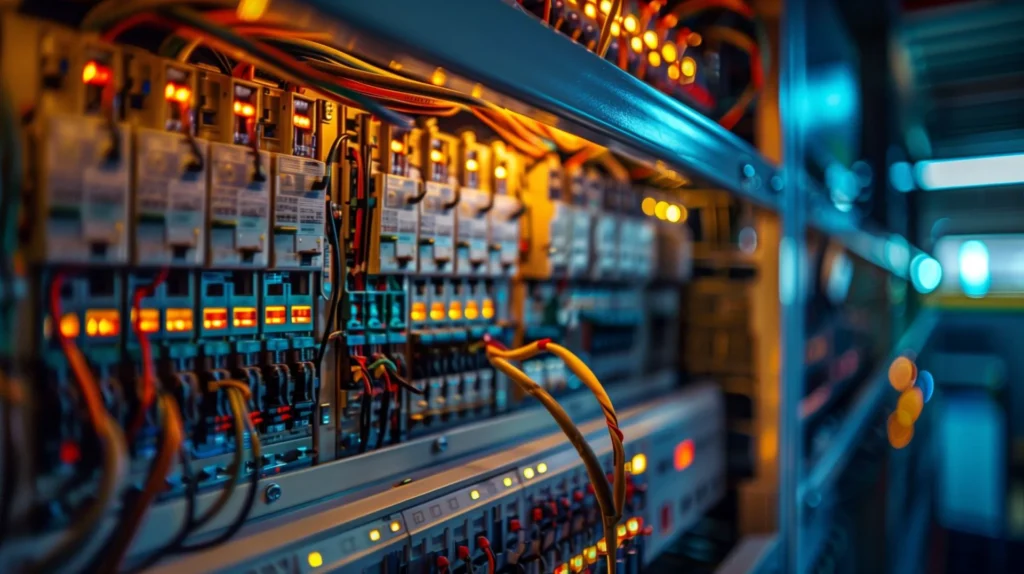
Large facilities operate on complex electrical networks. Switchgear, transformers, distribution panels, emergency systems, backup generators, automation controls. Each component depends on the other. Consequently, one weak link can ripple across an entire operation.
Electrical safety inspections for businesses are not routine box checking exercises. Instead, they are strategic evaluations designed to identify hazards before they escalate. For example, loose connections create heat. Heat creates failure. Failure creates downtime. And downtime tends to arrive at the worst possible moment, usually when everyone important is watching.
At Kord Electric, we focus only on commercial and industrial facilities and major property buildings. We understand high load environments. We know how production schedules operate. We recognize that building managers juggle tenant expectations, regulatory pressure, and operational costs all at once.
Therefore, our inspection process centers on three priorities:
Risk reduction
We identify potential fire hazards, overloaded circuits, and deteriorating components before they cause damage.Regulatory compliance
We verify alignment with local codes, national standards, and insurance requirements.Operational continuity
We ensure systems perform reliably under real world demand.
In short, we help facilities stay safe, compliant, and productive. And yes, we do it without dramatic background music. Though sometimes it feels like it should be there.
2. What Happens During a Professional Electrical Audit?
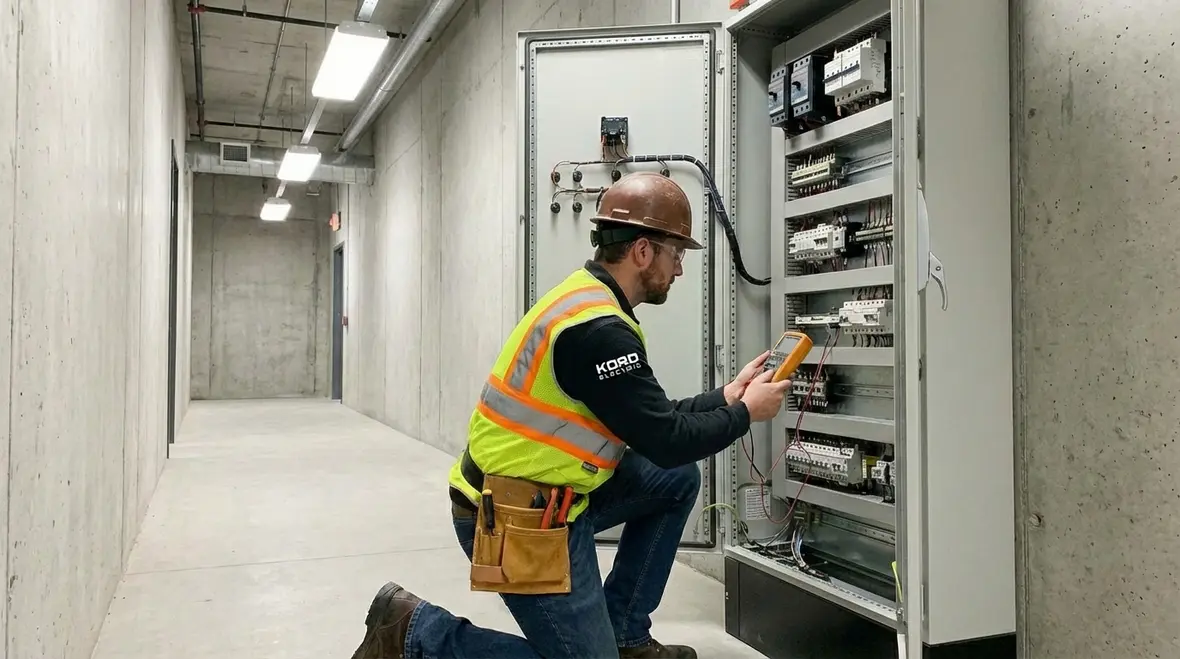
When clients ask what an electrical audit actually includes, we answer immediately and clearly. No vague language. No technical fog.
First, our expert service staff reviews documentation. This includes load calculations, maintenance records, past incident reports, and expansion plans. Because understanding history often reveals future risks.
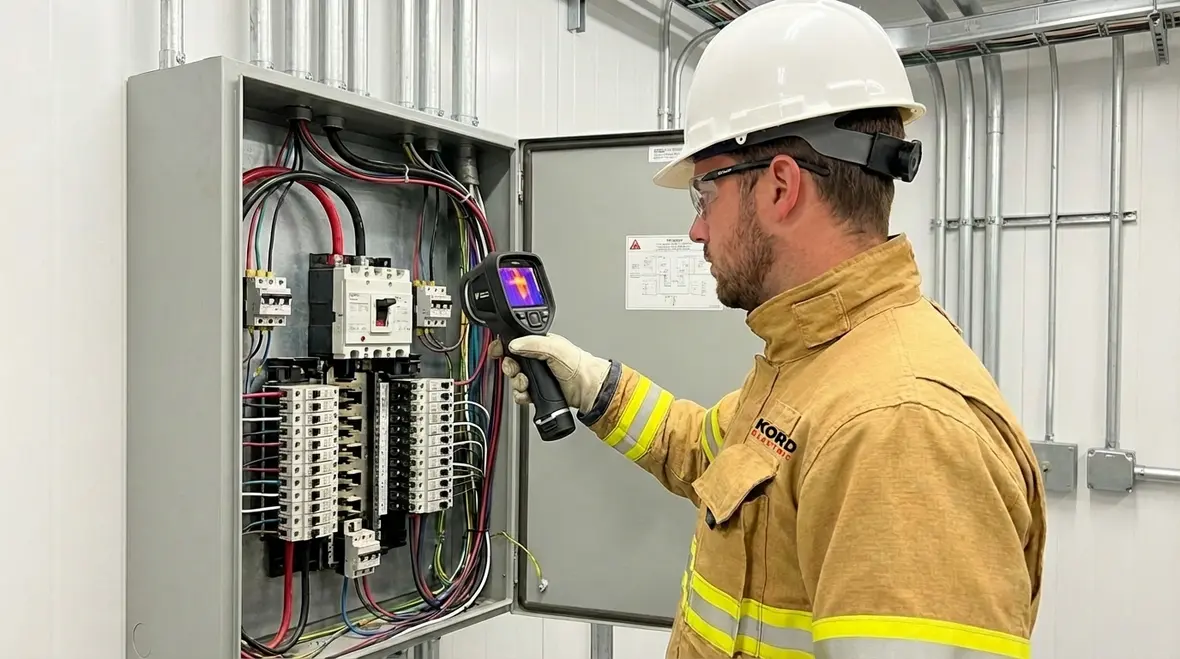
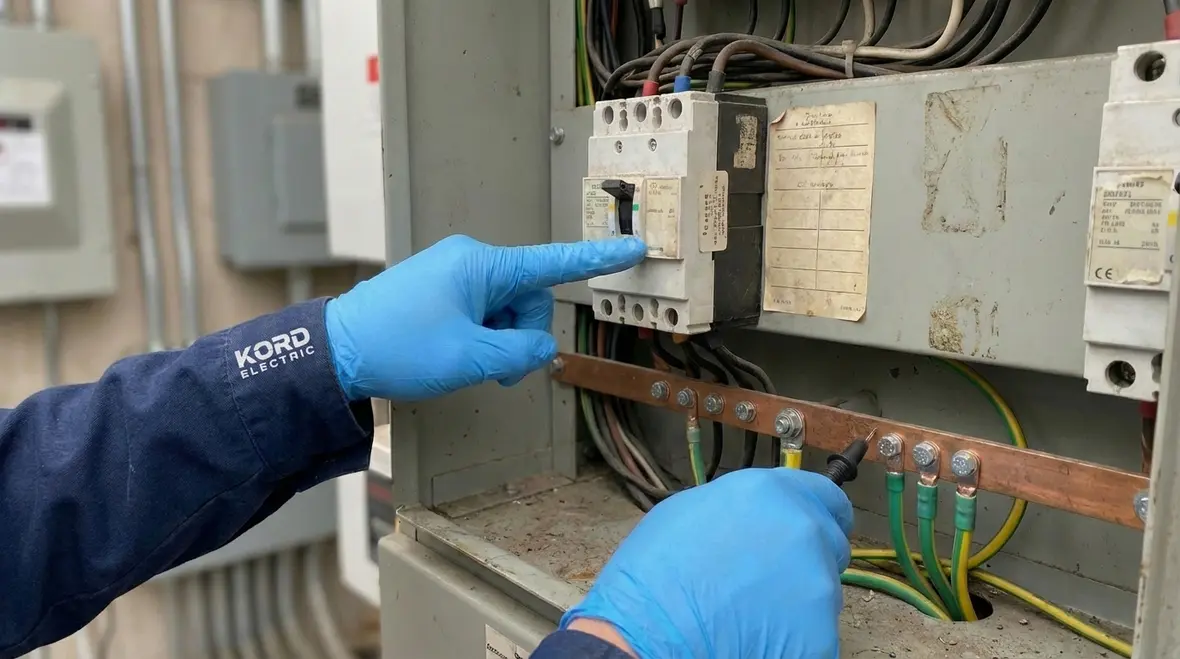
Next, we conduct a detailed physical evaluation. Our technicians examine panels, breakers, grounding systems, wiring integrity, transformer conditions, and protective devices. We measure load balance and inspect for overheating. Additionally, we assess emergency systems such as exit lighting and backup power. For facilities where lighting issues are already a concern, our team may also recommend lighting installation services to correct unsafe or inefficient conditions.
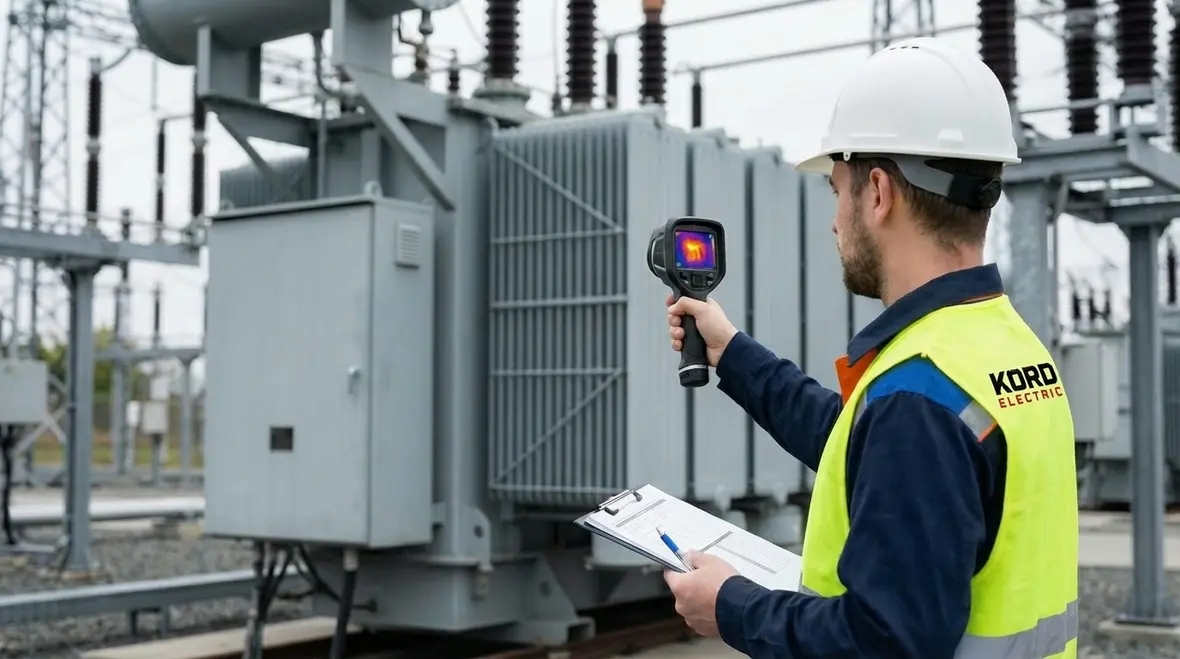
Then, we test where necessary. Thermal imaging helps detect hidden heat buildup. Voltage testing confirms stability. Protective device coordination is reviewed to ensure faults isolate properly instead of cascading across systems. If we uncover unstable power behavior, our findings often connect directly to the types of issues covered in Kord Electric’s guidance on voltage fluctuations in commercial and industrial facilities.
Finally, we compile a structured report. Not a stack of confusing charts. Not a dramatic novel. A clear roadmap. We explain what we found, why it matters, and what steps improve safety and compliance.
Our technicians take time to explain findings in straightforward terms. They do not disappear after dropping off a report. Instead, they walk facility managers through risks, timelines, and practical solutions. Because knowledge builds confidence. And confident decisions protect buildings.
3. Compliance Is Not Optional. It Is Strategic
Compliance often sounds like a bureaucratic burden. However, in commercial and industrial facilities, it functions as protection. Codes and regulations exist because failures have consequences.
Through structured safety inspections for businesses, we help properties align with:
Local electrical codes
National safety standards
Industry specific requirements
Insurance carrier expectations
Moreover, proactive compliance reduces liability exposure. In the event of an incident, documented inspections and corrective actions demonstrate responsibility. That record matters.
At Kord Electric, we do not treat compliance as a checklist. Instead, we integrate it into operational strategy. For example, if a facility plans expansion, we evaluate whether the current electrical infrastructure can handle increased load. If not, we outline upgrades before the expansion strains the system.
It is far better to plan improvements calmly than to explain outages under pressure. As we like to say, electricity is a loyal friend when respected. Ignore it, and it develops a personality.
4. How Often Should Commercial Facilities Schedule Electrical Safety Inspections for Businesses?
This is the question many property managers type into search engines late at night. And the honest answer is this. It depends on load, environment, and operational intensity.
High demand industrial facilities may require annual or even semi annual evaluations. Large commercial buildings often benefit from scheduled periodic reviews. Meanwhile, facilities with aging infrastructure should consider more frequent oversight.
However, frequency alone does not guarantee protection. The quality of the safety inspection matters just as much. Therefore, we focus on depth rather than speed.
In addition, certain triggers signal the need for an immediate review:
Equipment expansion
Unexpected breaker trips
Visible wear or overheating
Insurance policy updates
Ownership transitions
Whenever these events occur, a targeted electrical audit provides clarity. Because guessing is not a strategy. And crossed fingers are not protective equipment.
Many organizations choose to pair these inspections with structured electrical preventive maintenance programs, ensuring that once risks are identified, they are tracked, corrected, and verified over time.
5. Inside Kord Electric’s Inspection Process
We believe transparency builds trust. Therefore, here is how our approach unfolds in real time.
Phase 1: Consultation
We meet with facility leaders to understand operational demands, known concerns, and future plans. We listen first. We talk second.
Phase 2: Site Assessment
Our licensed technicians perform the physical safety inspection. They document conditions carefully and verify code compliance at every level.
Phase 3: Analysis
We compare real world findings with regulatory requirements and engineering best practices. If we identify risk, we prioritize it clearly.
Phase 4: Reporting and Guidance
We present results in a structured report and explain them in plain language. Our expert service staff answers questions directly and without jargon.
Throughout the process, we maintain a calm, steady presence. Because facilities operate under enough stress already. The last thing anyone needs is an inspector who sounds like a disaster movie trailer.
6. Electrical Risk Areas We Examine in Commercial and Industrial Facilities
While every building differs, certain risk zones demand consistent attention. During each safety inspection and electrical audit, we evaluate these areas carefully.
Dual Focus Evaluation
Column One: Infrastructure Integrity
Panels and switchgear condition
Transformer performance
Grounding systems
Conductor insulation quality
Moisture exposure risks
Column Two: Operational Stress Factors
Load balancing across circuits
Peak demand patterns
Harmonic distortion from equipment
Coordination of protective devices
Emergency power readiness
By reviewing both physical condition and operational behavior, we gain a complete view. Because a system may look fine on the surface while struggling internally under load stress.
Furthermore, our technicians explain how these elements interact. For instance, poor load balance increases heat. Heat reduces component life. Reduced component life increases failure probability. It is a chain reaction. And we prefer to break chains before they tighten.
7. The Financial Logic Behind Preventive Electrical Audits
Some decision makers view inspections as an expense. However, we encourage them to view inspections as asset protection.
Consider the cost of unplanned downtime in an industrial facility. Production halts. Contracts delay. Staff wait. Clients notice. Meanwhile, emergency repairs cost more than scheduled improvements.
Preventive electrical audits reduce those risks. Additionally, documented compliance supports insurance negotiations and can lower exposure during claims review.
Moreover, early detection extends equipment life. Replacing a transformer prematurely is far more expensive than correcting imbalance or ventilation issues early.
At Kord Electric, we present findings with cost context. We outline immediate risks, medium term improvements, and long range upgrades. Then leadership teams can plan budgets responsibly. Because informed planning beats reactive spending every time.
And yes, we understand budget meetings. They are rarely anyone’s favorite event. Yet preventing a shutdown tends to make those meetings much shorter.
8. Partnering With Technicians Who Explain, Not Intimidate
Technical expertise matters. However, communication matters just as much.
Our expert service staff understands that facility managers, operations directors, and property executives need clarity. Therefore, we explain findings step by step. We show evidence. We outline consequences. We recommend solutions.
Importantly, we never use fear as a sales tactic. If a component meets standards, we say so. If it requires attention, we explain why. This balanced approach builds long term relationships across commercial campuses, industrial complexes, and major property buildings.
Over time, clients come to view us as partners rather than inspectors. And that partnership creates safer environments for employees, tenants, and visitors alike.
9. Connecting Safety Inspections to Long-Term Maintenance and Upgrades
A single safety inspection is powerful, but its real value appears when findings connect to continuous action. That is where structured maintenance and targeted upgrades come in.
For example, an electrical audit may reveal aging panels, inconsistent lighting levels, and overloaded circuits that strain equipment whenever production ramps up. Instead of waiting for those stress points to trigger outages, our team helps facility leaders sequence improvements over time. That may include panel upgrades, power quality corrections, or upgraded lighting solutions to improve visibility and reduce load.
In facilities where lighting itself is contributing to risk, the insights from a safety inspection often pair naturally with services like recessed lighting installation or broader lighting installation services. The goal is not simply to fix what is broken, but to design an environment where problems are less likely to develop in the first place.
Similarly, identifying chronic breaker trips, flickering equipment, or unexplained shutdowns may signal deeper power quality concerns. In those cases, a detailed safety inspection is often the first step toward the kind of focused diagnostics described in Kord Electric’s resources on voltage fluctuations. That continuity—from inspection to maintenance to system upgrades—keeps facilities safer, more reliable, and fully aligned with evolving compliance requirements.
Frequently Asked Questions
Conclusion: Secure Your Facility With Confidence
At Kord Electric, we protect commercial and industrial facilities with disciplined safety inspection services, clear compliance guidance, and thorough electrical audit processes. We move deliberately. We explain carefully. And we act before problems grow. If your building powers serious operations, it deserves serious oversight.
For many organizations, the smartest way to turn a single inspection into ongoing protection is by pairing it with a structured electrical preventive maintenance program. This combination keeps safety inspection findings, compliance obligations, and long-term electrical audit planning aligned under one strategy—so critical systems remain reliable year after year.
Contact Kord Electric today and let our expert team strengthen the safety, reliability, and future of your facility with electrical safety inspections, compliance support, and full-scope maintenance solutions built specifically for commercial and industrial environments.
If you are ready to turn safety inspection insights into an actionable plan, explore our dedicated Electrical Preventive Maintenance service page to see how Kord Electric supports long-term reliability for commercial, industrial, and government facilities.