
Electrical System Reliability Services for Commercial Facilities
Electrical System Reliability Services for Commercial Facilities: why uptime becomes a real business strategy
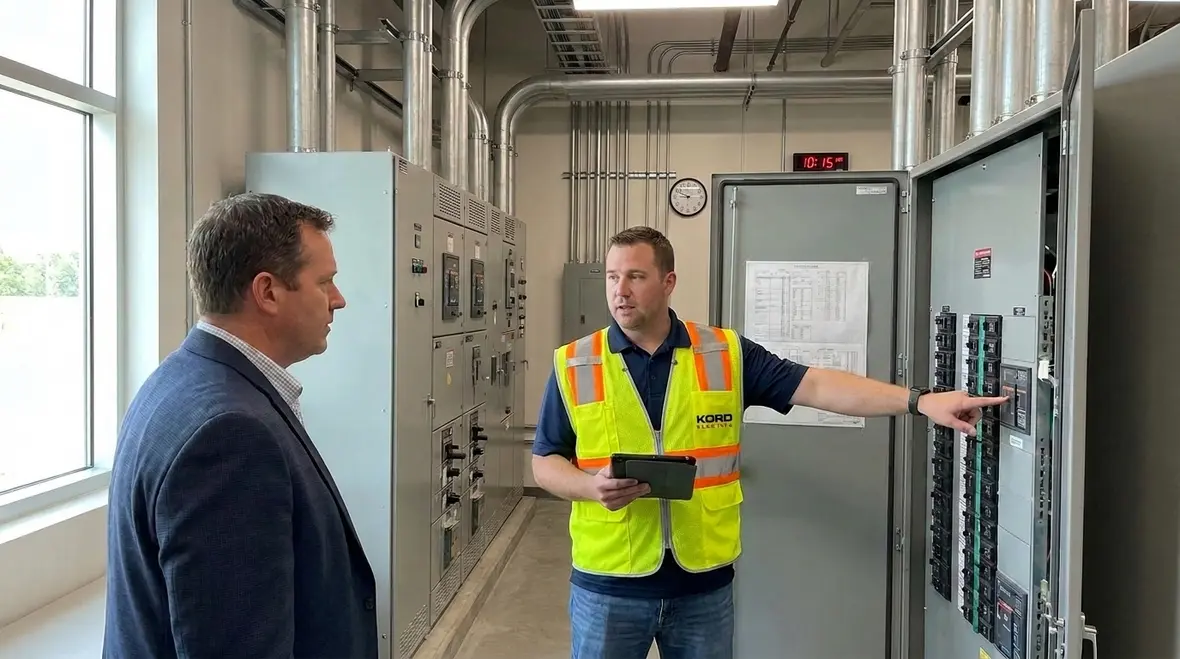
At Kord Electric, we provide Electrical System Reliability Services for Commercial Facilities built for the kind of electrical systems that keep major operations moving. In commercial and industrial buildings, downtime costs more than people like to admit, and when the lights flicker, customers do notice. We treat reliability like a process, not a hope. Our technicians and expert service staff walk through findings in plain language, so decision makers understand what matters, why it matters, and what comes next. In this article, we cover how reliability testing works, what we look for, and how we help facilities reduce surprises. And yes, we promise we will keep the jargon to a minimum. If a switchgear report starts sounding like a spy novel, we translate it.
What “system reliability” means to a facility that can not afford surprises
In the real world, electrical reliability is not just about whether power stays on. Instead, it is about preventing chain reactions that start with small issues and end with major outages. We focus on the full system behavior, including how components respond under load, how protection devices trip, and how voltage and current quality hold up over time. When a facility experiences repeated nuisance trips, degraded power quality, or slow recovery after disturbances, the building does not “just have bad luck.” It has an electrical story, and we help write the ending.
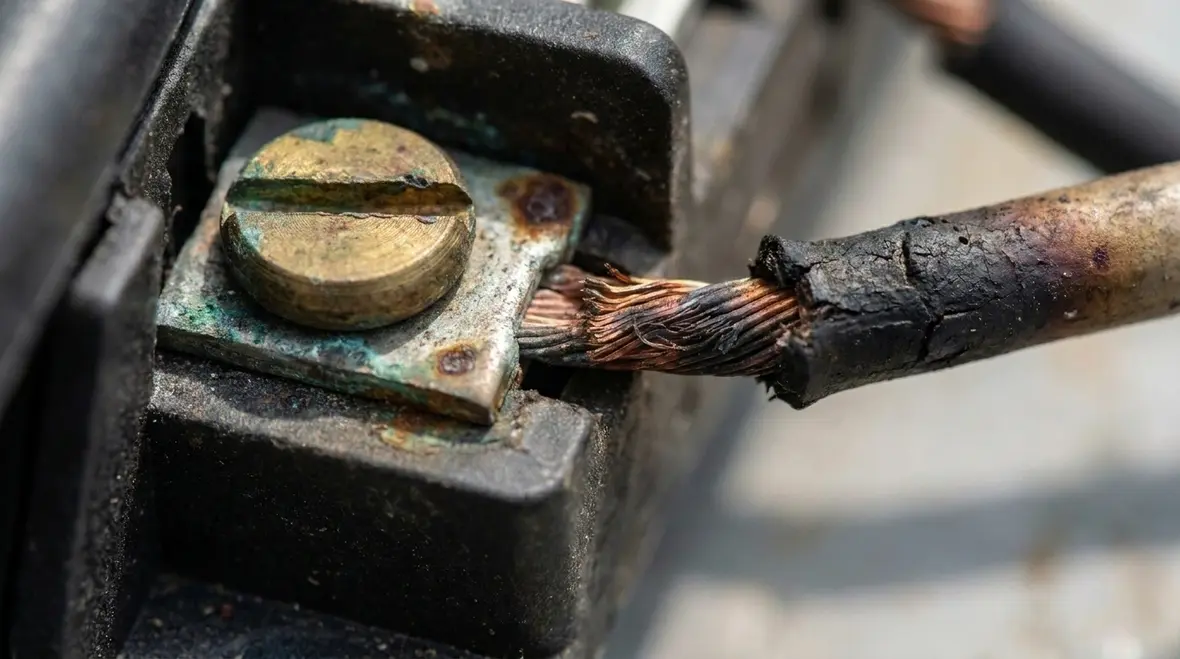
Our approach starts with identifying risk pathways. For example, a grounding problem can quietly increase fault clearing time. Meanwhile, aging conductors and connections can add resistance, which raises heat and stress. Then, protection settings that were once “close enough” may no longer match the system’s current condition. Therefore, we treat reliability as a living target that evolves as equipment ages and operating patterns change.
To keep things calm and clear, our technicians explain the process step by step. They do not just hand over a report. They show what they tested, what they observed, and how the data connects to operational risk. That is what makes reliability work feel less like guessing and more like leadership.
Electrical reliability testing we perform before problems become outages
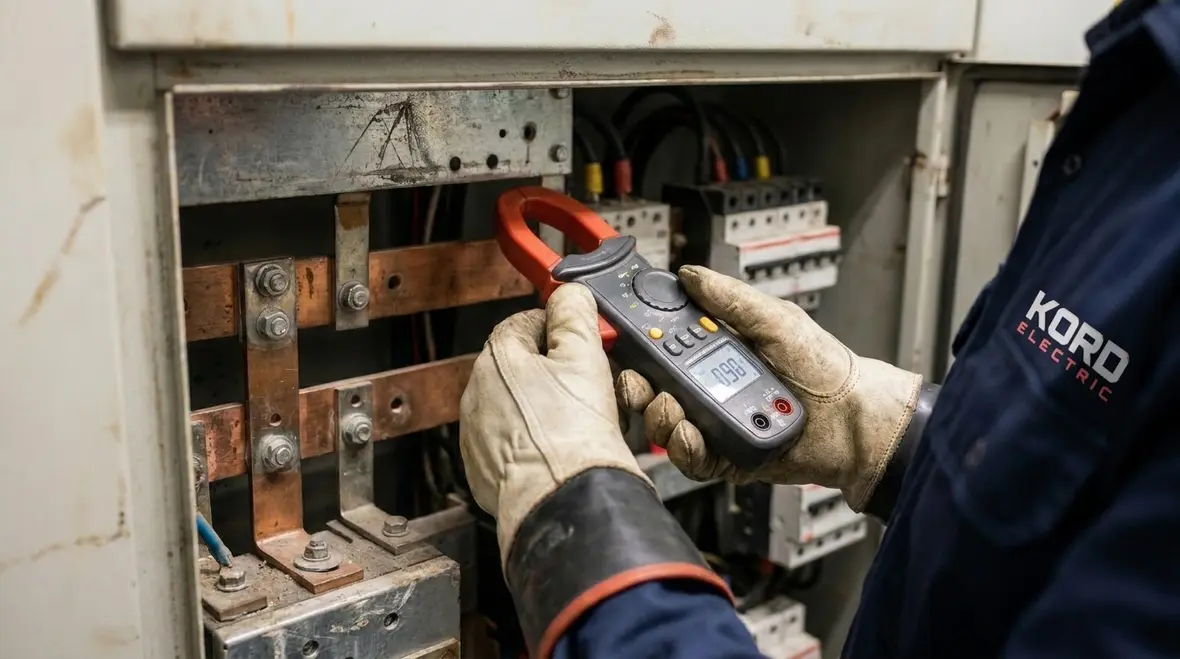
When we conduct critical infrastructure electrical reliability testing, we aim to confirm that the system can handle real conditions. This does not mean we only test what looks good. Instead, we test what is likely to fail first, and we do it in a way that supports maintenance decisions and capital planning. For facility teams that want a deeper dive into how reliability fits into capacity and safety planning, our guide on critical infrastructure electrical reliability testing connects test strategy with long term performance expectations across major properties.
We typically prioritize investigations that cover protective coordination, insulation condition, terminations and connections, and system performance under load. Then, we compare what the system should do against what it actually does. That comparison reveals gaps that routine visual checks often miss.
Our expert service staff also considers site specific realities. Some facilities run steady shifts. Others see peaks, process changes, or seasonal load swings. Consequently, test plans adjust to match the facility’s actual operating profile. The goal is not a one time snapshot. The goal is a repeatable system reliability plan that helps the building perform consistently.
And yes, we still hear jokes like “Let us just cross our fingers.” We understand the impulse, but electrical engineering rarely rewards optimism. We prefer measurements.
Why faults, heat, and poor coordination hide until the worst moment
Electrical problems rarely announce themselves with a clear siren. Instead, they build. Heat increases as connections loosen or as aging materials lose their margin. Over time, that heat can degrade insulation, raising the chance of insulation breakdown. Then, the protection system may not act the way operators expect, especially if coordination has drifted from original design assumptions.
In major property buildings and industrial facilities, the trouble often appears during stress conditions. A short event, a motor start, or a utility disturbance can reveal weak points. If protection devices do not clear the fault quickly and selectively, the event can expand beyond the originating circuit. That means more equipment affected, longer downtime, and additional risk to people, processes, and sensitive loads.
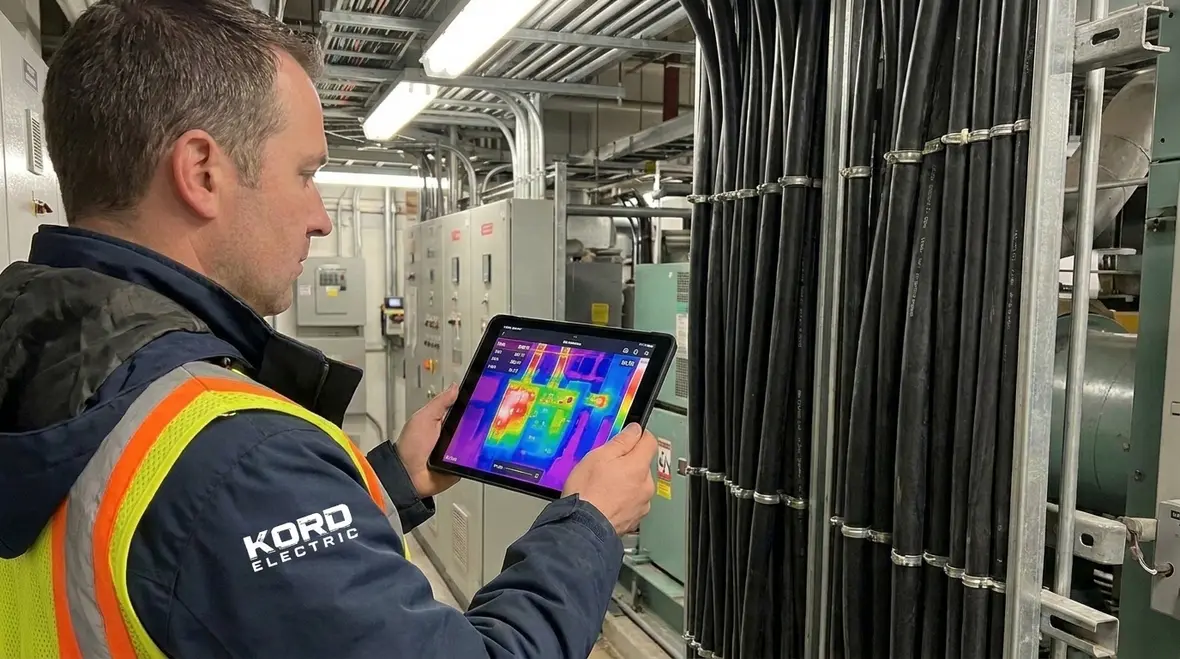
To prevent that cascade, we evaluate how the system handles faults and disturbances. We also look for patterns that suggest chronic issues, such as recurring alarms, unusual thermal signs, or intermittent performance complaints. Then, we connect those observations to measurable evidence from our testing. In other words, we do not rely on vibes, even though some consultants make a living that way.
Finally, we help facilities translate findings into actions that match their risk level. Some fixes require immediate attention. Others support scheduled upgrades. Either way, we keep the plan aligned with critical operations and available downtime windows.
How our technicians communicate test results for smarter decisions
Data does not help anyone if it stays locked in a file. That is why Kord Electric emphasizes clear communication. Our technicians and expert service staff explain the results with a steady rhythm that is easy to follow, even when the subject matter gets technical. We also use practical language for risk, impact, and urgency, so teams can act confidently.
During reviews, we highlight what the measurements show and what it likely means for real operation. For example, we can identify whether a component’s condition increases the probability of nuisance tripping, affects fault clearing behavior, or contributes to overheating during normal load. Then, we outline options, including targeted maintenance, corrective testing, or upgrade recommendations.
Additionally, we help facilities connect the electrical reliability plan to other operational goals. For instance, a site may need to reduce unplanned outages, improve safety, support compliance expectations, or protect high value equipment. Therefore, our explanations support a business decision, not only an engineering one.
One small but important thing: we make sure decision makers know what to ask next. When someone understands the “why,” they can challenge assumptions and prioritize the right work. That level of clarity changes how teams manage reliability year after year.
Building a long term reliability plan that keeps performance steady
Testing is not the finish line. It is the starting point for a program that reduces repeat issues and controls risk. We help commercial and industrial facilities build a long term plan that includes inspection intervals, targeted testing, and maintenance actions based on system condition and performance history.
First, we establish baselines for key components. Then, we build a schedule that matches the facility’s operating demands. If a system runs heavy duty cycles, the plan reflects that reality. If a site sees seasonal load changes, the schedule accounts for it. As a result, reliability work stays relevant and does not become a check-the-box ritual.
Second, we incorporate findings into practical actions. We prioritize work that prevents the most critical failure pathways. We also consider how downtime affects operations, because a “perfect repair” that disrupts production at the wrong time is not a win.
Third, we support continuous improvement. If a facility updates equipment or changes process loads, we recommend reassessment. Electrical systems do not live in a vacuum. Therefore, reliability planning evolves with the building.
In the end, our Electrical System Reliability Services for Commercial Facilities aim for consistency. We want the electrical system to behave predictably, not like a drama series where every episode ends with suspense.
Common reliability service outcomes we help commercial and industrial sites achieve
Facilities pursue reliability because they want fewer surprises, safer systems, and less operational disruption. Through structured testing and expert recommendations, we help sites move toward measurable outcomes, such as improved protection behavior, reduced likelihood of component failure, and better confidence in system performance.
- Better fault response through evaluation of protection and coordination behavior, helping limit how far an event spreads.
- Lower risk of overheating by identifying conditions tied to resistance, poor connections, and degraded components.
- More predictable operation by verifying system performance under realistic loads and operating patterns.
- Maintenance clarity so teams focus on what matters most, instead of replacing equipment on a calendar.
- Informed capital planning with reliability data that supports upgrade decisions for switchgear, feeders, grounding, and related equipment.
Also, we help facilities reduce “unknown unknowns.” When data shows where the system sits today, leaders can plan for what it must do tomorrow. For many properties across the region, that planning ties directly into broader support such as Los Angeles County electrical services that keep individual facility decisions aligned with multi-site reliability goals.
FAQ: Electrical reliability services for major properties
Ready to strengthen electrical reliability at your facility?
If your commercial or industrial operation can not gamble on electrical performance, it is time to act with confidence. Kord Electric supports major property buildings with structured reliability testing, clear technician led explanations, and a long term plan that reduces risk over time. Contact us to discuss your facility’s system condition, operational needs, and testing goals. We will help you turn measurements into decisions, so your team can focus on running the business, not chasing electrical surprises.
As you look at the bigger picture, you can connect reliability testing with broader support such as dedicated regional services that align troubleshooting, maintenance, and upgrades across multiple buildings. Exploring related resources, including commercial guides on code compliance, smart building strategies, and reliability-focused inspections, helps teams see how Electrical System Reliability Services for Commercial Facilities fit into a full electrical roadmap instead of living as a one-off project.
When you are ready to move from diagnosis to action, partnering with an experienced commercial team means your reliability work, capacity planning, and upgrade projects share the same playbook. That alignment keeps your electrical system ready for what comes next and gives leadership the confidence that uptime is being managed on purpose, not by chance.
For facility managers who want a deeper connection between testing and long term performance, reviewing how electrical reliability integrates with regional service offerings can clarify next steps. That path often includes dedicated field support, clear documentation, and coordinated project planning so your reliability goals, service calls, and future projects stay synchronized instead of scattered.
If your facility is ready to treat uptime as a real business strategy, schedule a conversation with Kord Electric and put a structured reliability plan behind the systems that keep your operation moving.


