Electrical Troubleshooting for Flickering Lights in Commercial Buildings
When a facility manager notices flickering lights across a production floor or in a high rise corridor, it is rarely just an annoyance. More often, it signals deeper wiring issues or hidden voltage problems that demand attention. At Kord Electric, we approach these moments with calm focus and steady hands. We understand that in commercial and industrial facilities, unstable lighting can disrupt operations, frustrate tenants, and hint at risks behind the walls. Therefore, our technicians step in not simply to replace a bulb, but to uncover the true source of the disturbance and restore confidence to the entire electrical system.
Although a brief light fluctuation might seem minor, it can point to load imbalances, deteriorating conductors, or distribution panel concerns. In the sections ahead, we explain how our expert service staff diagnose and resolve these concerns for major properties and industrial environments, all while keeping downtime low and safety high.
Why Large Facilities Experience Lighting Instability
In commercial and industrial properties, electrical systems carry heavy and often unpredictable loads. Unlike residential settings, these buildings operate complex machinery, data centers, HVAC systems, elevators, and production equipment. As a result, the electrical network constantly adapts to shifting demand.
When flickering lights appear in these environments, the cause often traces back to one of several root conditions. First, fluctuating loads from large equipment can create brief voltage drops. Second, aging connections inside panels may loosen over time due to heat cycles and vibration. Third, outdated wiring may no longer handle current demand effectively.
Moreover, facilities that have expanded operations without upgrading their electrical infrastructure may experience strain across circuits. Consequently, minor voltage problems can spread across multiple lighting zones. While the human eye sees a quick blink, trained technicians see a symptom of imbalance.
At Kord Electric, we evaluate the entire distribution chain. We review transformers, switchgear, subpanels, and branch circuits. By doing so, we avoid surface level fixes and instead correct the structural causes behind lighting instability.
This whole-building perspective also supports broader safety and productivity goals. As highlighted in our insights on workplace lighting safety hazards that hurt productivity, poor or unstable lighting conditions can increase accident risks, slow reaction times, and reduce workforce efficiency across large facilities. Workplace lighting hazards are often rooted in the same electrical issues that create flickering lights, making early troubleshooting and corrective work even more important.
What Causes Flickering Lights in Industrial and Commercial Spaces?
Facility managers often ask this question directly, and rightly so. In large buildings, the causes differ from simple bulb defects. Therefore, our technicians begin by separating lighting fixture issues from system wide concerns.
Common causes include:
- Loose terminations within panels or junction boxes
- Overloaded circuits serving high demand equipment
- Inconsistent voltage supplied by aging transformers
- Corroded conductors in damp or industrial environments
- Improperly balanced three phase systems
Additionally, harmonics generated by variable frequency drives and heavy machinery can distort electrical waveforms. Over time, these distortions stress lighting systems and sensitive electronics. As a result, what appears to be a simple flicker may stem from deeper voltage problems affecting the facility’s overall power quality.
Our expert service staff explain these findings in plain language. They do not hide behind jargon. Instead, they walk property managers through the evidence, sometimes with a touch of humor. After all, electricity may be invisible, but its behavior follows clear rules. And unlike a plot twist in a thriller movie, it rarely acts without leaving clues.
When flickering lights are paired with equipment resets, breaker trips, or unexplained shutdowns, we may also recommend a deeper evaluation focused on voltage fluctuations in commercial and industrial facilities. That service line targets the same root causes that make lighting unstable, but expands the scope to protect motors, servers, HVAC systems, and other voltage-sensitive loads.
Inside Kord Electric’s Diagnostic Process
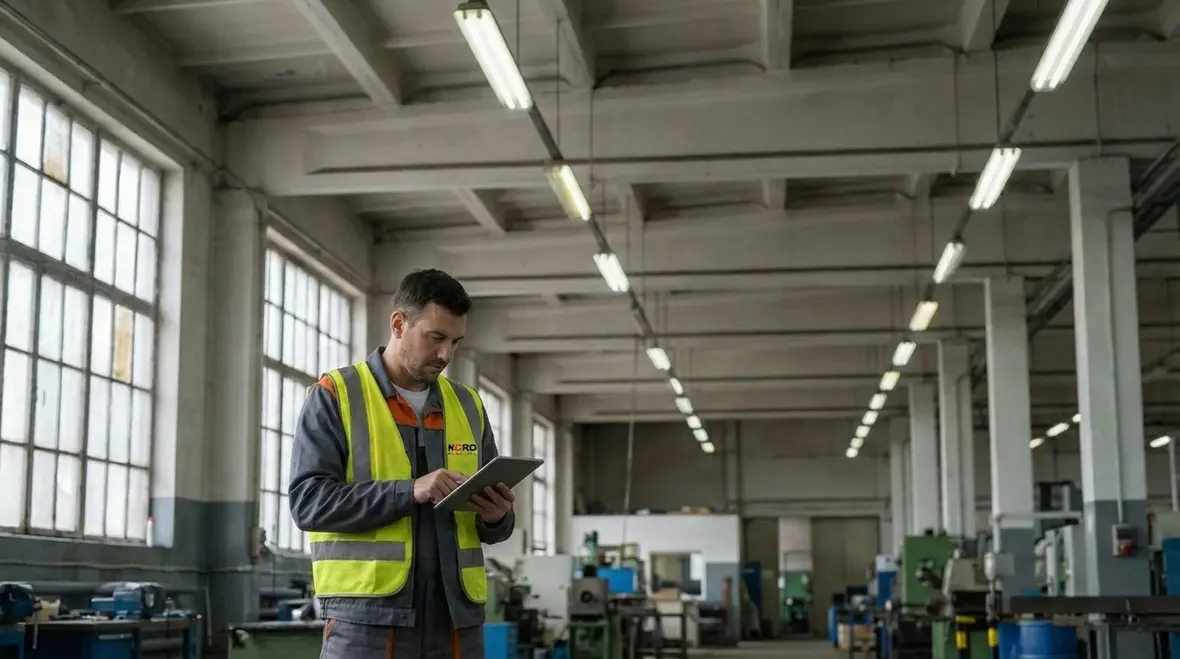
When we conduct electrical troubleshooting for flickering lights, we follow a structured and disciplined method. First, we gather information. We ask when the issue occurs, which areas are affected, and whether heavy equipment operates during those moments. This initial data shapes our next steps.
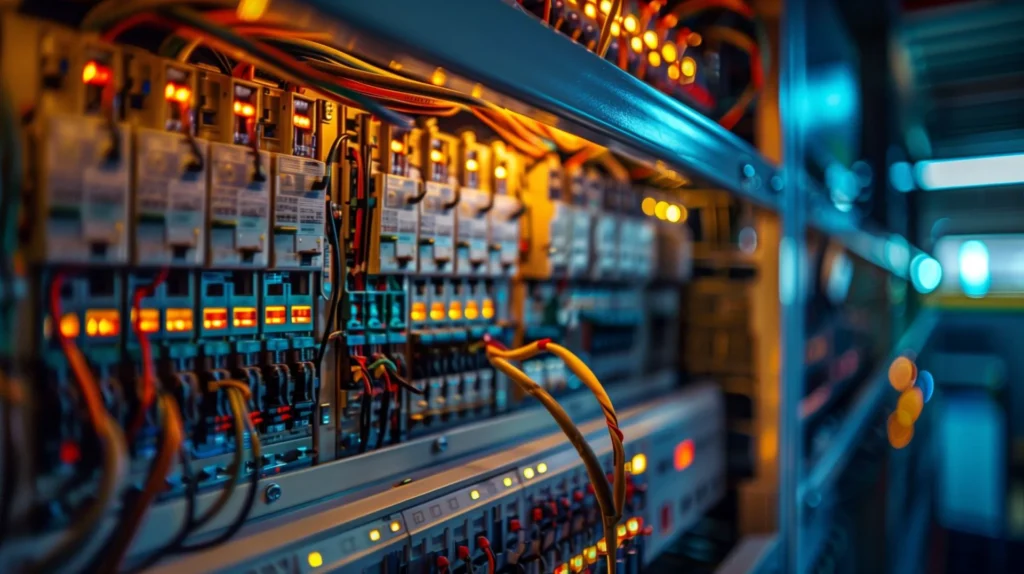
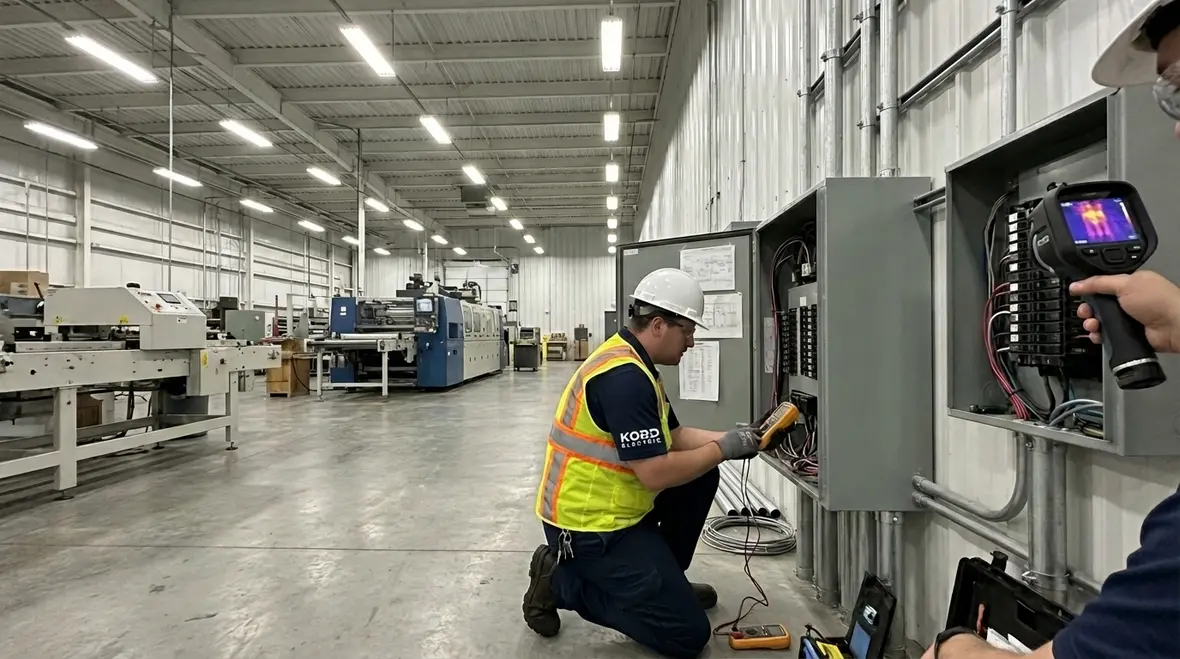
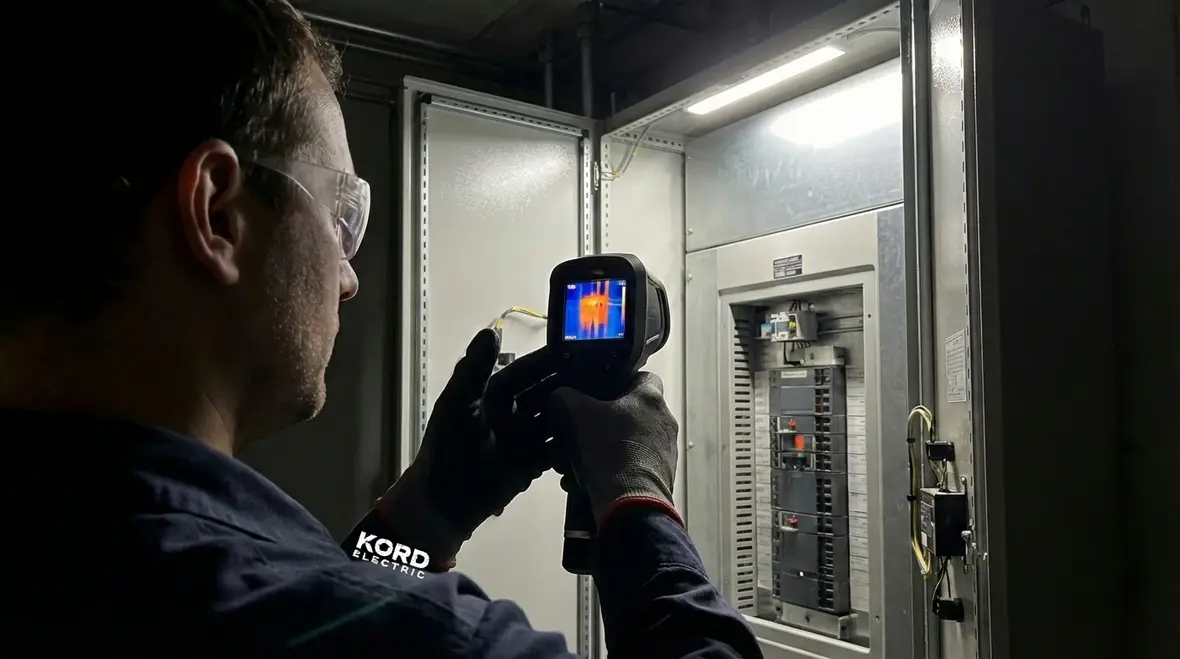
Next, we perform a visual and thermal inspection of panels, switchgear, and feeders. Using infrared imaging, we detect overheating connections that may indicate resistance or loose lugs. At the same time, we measure voltage levels under load conditions. If readings fluctuate beyond acceptable ranges, we investigate upstream components.
Then, we analyze load distribution across phases. In three phase commercial systems, imbalance can cause uneven strain. Consequently, certain lighting circuits may experience dips that lead to repeated flickering lights.
We also evaluate grounding and bonding. Poor grounding can amplify voltage problems and create erratic behavior in LED drivers and control systems. Therefore, our team verifies continuity and integrity throughout the grounding network.
Throughout the process, we document findings in detail. This documentation allows building owners to understand both immediate concerns and long term recommendations. Moreover, it supports future planning and budgeting decisions.
For facilities that want to stay ahead of failures, we often connect these diagnostic efforts with structured electrical preventive maintenance programs. Regular inspections, infrared scans, and load studies catch subtle signs of flickering lights, wiring issues, and voltage problems long before they interrupt tenants, production lines, or critical processes.
Wiring Issues and Voltage Problems in High Demand Environments
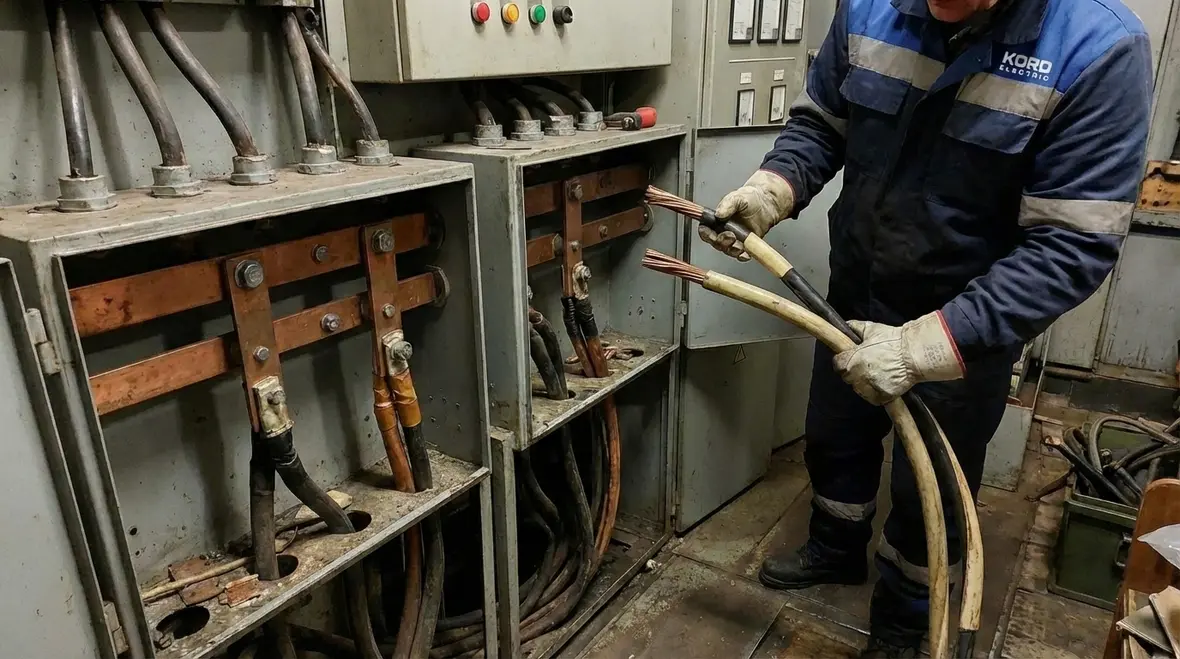
In industrial plants and major commercial properties, wiring issues rarely exist in isolation. Instead, they often connect to operational demands that have evolved over time. For example, a facility may have added automated production lines without upgrading feeder capacity. Over months or years, that added load stresses conductors and terminations.
Similarly, voltage problems can arise from utility supply variations combined with internal distribution weaknesses. Although utility providers maintain standards, internal infrastructure must still regulate and distribute power effectively. If transformers degrade or if panels lack proper maintenance, voltage stability declines.
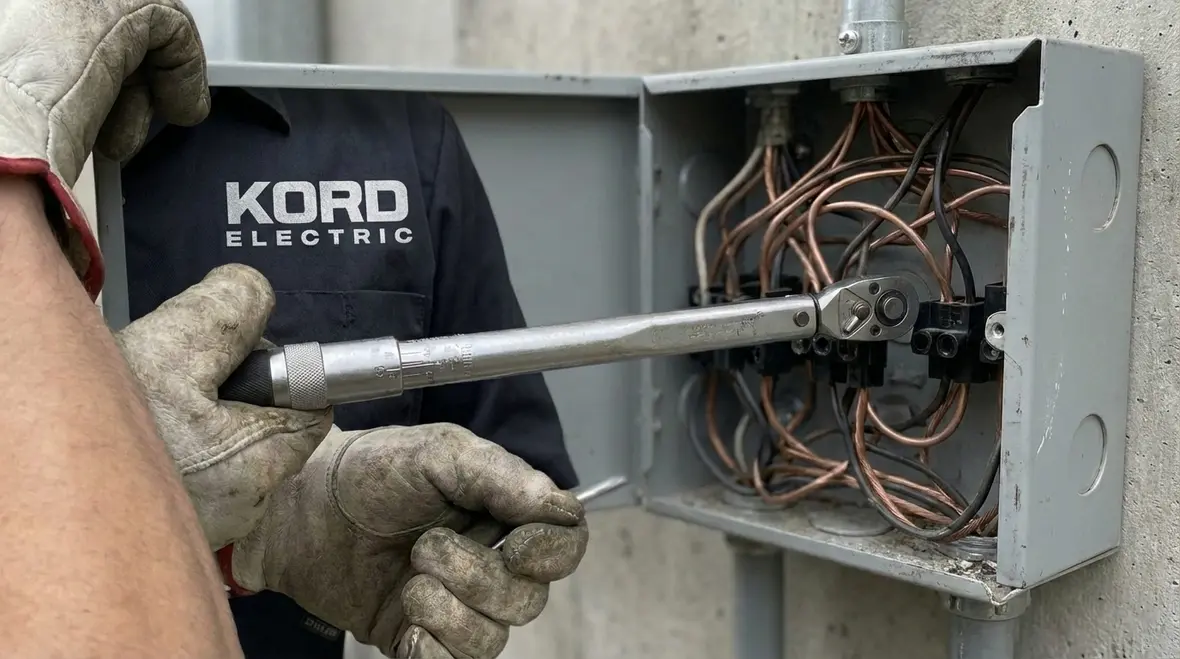
At Kord Electric, we focus on both correction and prevention. We tighten and replace compromised connections. We rebalance loads. We upgrade conductors when necessary. Furthermore, we recommend surge protection and power conditioning solutions for sensitive industrial operations.
Because we serve only commercial and industrial facilities, our technicians understand the scale involved. They work around production schedules and tenant needs. They coordinate shutdowns carefully. In short, they solve problems without creating new ones.
In some cases, advanced monitoring and corrective equipment from our commercial and industrial lighting installation services can be paired with system-level voltage regulation. Modern lighting controls, upgraded fixtures, and better circuit segmentation often reduce the impact of voltage swings and harmonics that would otherwise show up as relentless flickering lights over production lines or office corridors.
Operational Impact Versus Financial Risk
When lighting instability appears, decision makers often weigh urgency against budget. However, postponing service can carry hidden costs. To clarify this balance, we present the risks in two focused perspectives.
Operational Risks
- Reduced productivity in manufacturing areas
- Increased strain on LED drivers and lighting controls
- Safety concerns in warehouses and stairwells
- Equipment malfunctions linked to unstable voltage
Financial Risks
- Higher maintenance costs from repeated component failure
- Energy inefficiency due to imbalanced loads
- Potential damage to sensitive electronics
- Unplanned downtime affecting tenants or production output
Therefore, addressing flickering lights promptly protects more than visual comfort. It preserves operational continuity and shields long term investments. While it may not be as dramatic as a power outage scene in a blockbuster film, the quiet cost of instability can add up just as quickly.
How Facility Managers Can Support Electrical Stability
Although professional diagnostics remain essential, facility managers play a vital role in early detection. First, they should monitor patterns. If lights dim when large machinery starts, that correlation matters. Second, they should schedule routine electrical maintenance rather than waiting for visible symptoms.
Additionally, keeping detailed records of electrical upgrades helps technicians identify potential mismatches in capacity. For example, if new equipment was added to an older panel, that information guides our evaluation.
However, it is important not to rely on temporary fixes. Replacing lamps repeatedly without investigating underlying wiring issues only delays proper resolution. In commercial and industrial settings, small electrical inconsistencies rarely resolve themselves. Electricity does not wake up one morning and decide to behave better. It responds to physics, and physics demands attention.
At Kord Electric, we partner with property teams to develop maintenance schedules tailored to each building’s load profile. By doing so, we reduce the likelihood of recurring voltage problems and extend the life of critical infrastructure.
Advanced Solutions for Complex Facilities
Some large properties require more than standard corrections. Data centers, manufacturing plants, and multi tenant high rises often benefit from advanced monitoring systems. Therefore, we install power quality meters that track voltage trends over time. These systems detect subtle deviations long before they trigger visible flickering lights.
In addition, we may recommend dedicated circuits for high demand equipment. Isolating sensitive lighting systems from heavy machinery can dramatically improve stability. Furthermore, upgrading to modern switchgear with enhanced protection features adds resilience.
For facilities experiencing persistent voltage problems, we evaluate transformer health and consider step voltage regulation solutions. By stabilizing incoming power, we protect downstream systems and improve overall performance.
Throughout each project, our technicians and expert service staff communicate clearly. They explain what they find, why it matters, and how each solution supports operational goals. Their steady, deliberate approach reassures clients that the issue is understood and controlled. And yes, they may occasionally joke that electricity follows strict rules, even if people sometimes do not.
When flickering lights escalate into outages, repeated breaker trips, or safety concerns, we can escalate response through dedicated emergency electrical services. That 24/7 capability ensures that critical facilities have a direct path from early troubleshooting and maintenance all the way to urgent restoration when instability crosses into full-blown failure.
FAQ About Commercial Electrical Troubleshooting
Conclusion
Flickering lights, wiring issues, and voltage problems do not belong in a well managed commercial or industrial facility. At Kord Electric, we bring steady expertise, careful diagnostics, and clear communication to every project. From targeted lighting repairs to full lighting installation services and system-wide voltage correction, our team helps property managers protect operations, safety, and long term infrastructure.
If your building shows signs of electrical instability, let us step in with confidence and precision. Whether you are troubleshooting flickering lights on a single floor or investigating broader voltage problems across a campus, we can align diagnostics, maintenance, and upgrades into a clear plan of action. Contact our team today, and together we will restore reliable power and lasting peace of mind.
For facilities that cannot wait, our emergency electrical services team is available to stabilize systems, mitigate risk, and bring critical lighting and power systems back online as quickly and safely as possible.