Innovative Electrical Systems for Data Centers in the USA
At Kord Electric, we build Innovative Electrical Systems for Data Centers in the USA that stay reliable when demand spikes, hardware heats up, and uptime matters more than comfort. We understand that data centers run on more than servers. They run on clean power, smart protection, and careful coordination between electrical gear and the building itself. In other words, it is not just electricity, it is the quiet choreography behind every successful rack. And yes, we know “quiet” is hard to believe in a room full of fans. Still, the goal is the same: stable power, fast recovery, and a plan that holds up during real-world stress.
1) What powers a data center when the grid gets moody
Data center operators in the USA face a simple challenge: the grid does not always behave like a calm guest at a business meeting. Voltage dips, frequency changes, and utility interruptions can hit at the worst time. Therefore, we design electrical infrastructure that treats power events as something to manage, not something to fear.
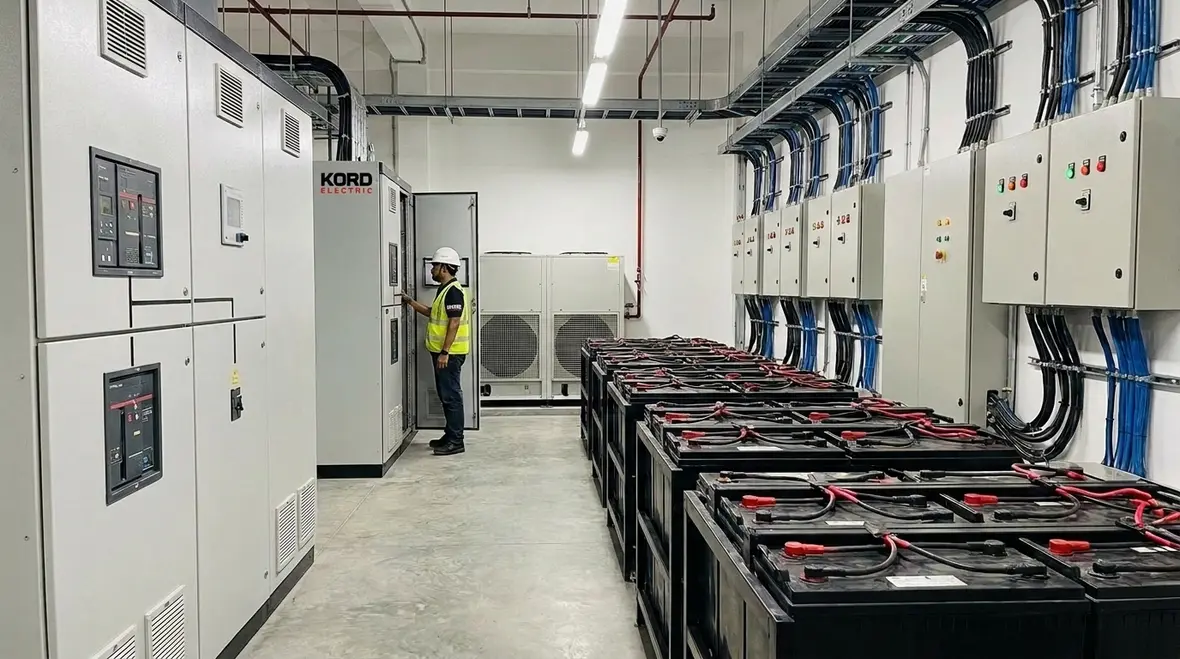
Our technicians and expert service staff explain the full chain of supply, so teams can make decisions with clear eyes. For example, utility power usually enters through service gear, then moves through switchgear and transformers. After that, it feeds UPS systems, distribution panels, and finally the critical loads. If any part of that chain responds slowly, your facility pays the price in downtime.
So, we help clients pick architectures that match the risk level, the criticality of loads, and the growth plan. We also make sure the electrical path supports selective coordination, so faults clear fast and do not spread like a bad rumor.
2) Why we treat UPS and distribution as a system, not a shopping list
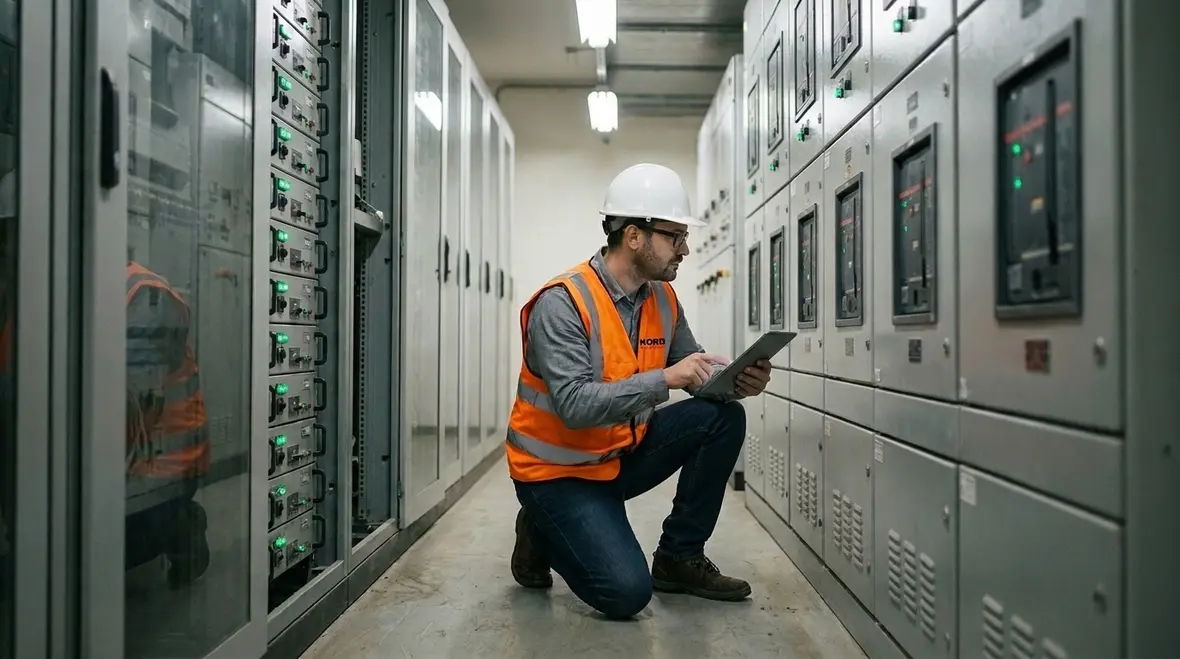
Many projects start with a catalog, but successful data centers start with a plan. In our approach, Innovative Electrical Systems for Data Centers in the USA begin by mapping critical and non critical loads, then matching them to UPS capacity, bypass paths, and distribution design. After that, we verify performance under test conditions, not just under ideal drawings.
Our team focuses on the details that improve resilience. We review how UPS modules share load, how transfers occur, and how bypass switching behaves during maintenance. Then we coordinate protective devices so a single fault isolates the problem instead of shutting down entire zones.
Next, we design distribution with realistic routing, grounding strategy, and labeling that electricians can follow in the real world. That matters, because the “as built” site is where mistakes show up, not where confidence lives. We also make space for future adds, so expanding capacity does not mean rebuilding the electrical backbone from scratch.
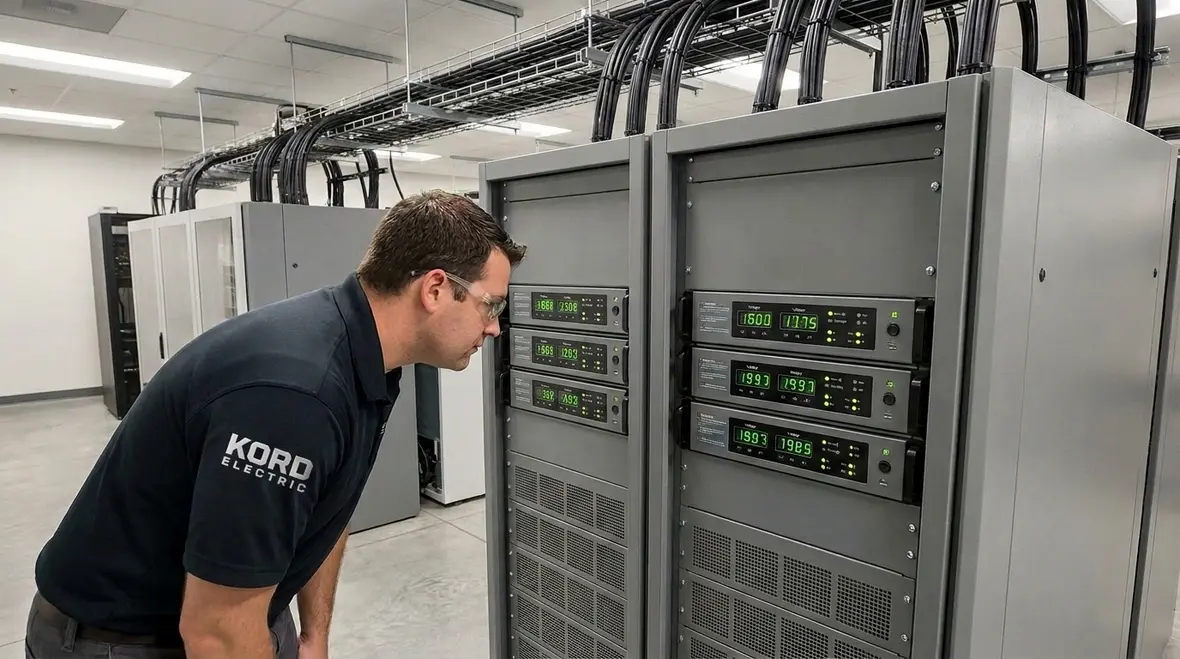
3) How we design redundancy that actually helps, not just sounds good
Redundancy can be real or symbolic. We prefer real. Therefore, we analyze what you mean by “available,” then connect it to design choices like N plus 1, 2N, and segmented distribution strategies. We also check how redundancy plays out during maintenance windows.
In practice, that means we help define operational modes clearly. Some systems allow maintenance without taking critical loads offline. Others require carefully scheduled downtime. So we coordinate the electrical plan with the operating strategy, and we tell everyone what will happen during transfers.
Our expert service staff also explains how to test. That includes commissioning the protective settings, verifying timing, and confirming that failure modes behave as intended. If you cannot test it, you should not bet the business on it. That is not pessimism. That is smart risk management with a calm voice.
4) Cooling power, grounding, and protection work together
When people think about data centers, they often picture cooling first. However, electrical design and cooling design share the same truth: heat and fault conditions do not respect silos. Consequently, we coordinate electrical loads with cooling and building power requirements so the facility does not become a patchwork of mismatched assumptions.
We pay attention to grounding and bonding because they support safe operation and correct protective device performance. Then we focus on surge protection to handle transient events from switching, lightning exposure, and equipment operations. After that, we validate that the system supports harmonic environments, since modern power electronics create complex electrical behavior.
Protection design is where we slow down and do the work thoroughly. We review selectivity, breaker coordination, and how short circuit currents affect equipment ratings. We also ensure arc flash labeling and safe work practices align with the actual configuration.
And yes, we make the occasional joke during walkthroughs because stress is expensive. But we keep the humor light. The real goal is that the next time a panel trips, your team understands why and what to do next, instead of guessing like it is a sitcom plot twist.
5) Project delivery: from planning to commissioning, we keep it orderly
Engineering is only half the story. Implementation decides whether the system performs. For commercial and industrial facilities and major property buildings, we structure delivery around clarity, documentation, and verification.
We coordinate with general contractors, mechanical teams, and facility owners so wiring routes, power distribution zones, and equipment locations match the design intent. Then we support commissioning to confirm real performance. That includes load checks, protection verification, and functional testing of transfer and bypass paths where applicable.
Our technicians document installed configurations, update as built records, and ensure labeling matches the final topology. Afterward, our expert service staff walks the operations team through normal modes, maintenance procedures, and response steps during events. In other words, we help people operate the system like they built it, because they should not have to guess.
For readers who want a structured overview of the broader backbone behind these projects, Kord Electric also shares a deeper technical guide in Data Center Electrical Infrastructure Essentials, which pairs well with the practical delivery focus we bring to real sites.
6) Real world maintenance: keeping uptime without treating downtime like a hobby
Even the best electrical system needs care. Therefore, we build maintenance plans that protect availability and reduce the chance of surprises. This includes inspection schedules, preventative testing, and fast troubleshooting paths.
We focus on practical outcomes for data centers serving business and industrial operations. That means we plan around shutdown constraints, staff capacity, and the facility’s growth schedule. Instead of long disruptions, we aim for targeted interventions. Sometimes that means planned testing of UPS components. Sometimes it means reviewing breaker operation history and verifying torque and connections.
Our service team also helps operators understand what alarm patterns mean. For instance, repeated nuisance alarms can signal a setting mismatch, sensor drift, or a load behavior change. Addressing these early prevents a “one day it fails” moment that nobody wants to explain to leadership.
And if you ever hear someone say, “We will figure it out when it happens,” we just quietly smile. Then we build a plan that makes “when it happens” less likely to arrive.
7) Common mistakes we help customers avoid
In the USA, we often see similar failure points across projects. Our role is to prevent them before they become expensive lessons. First, teams sometimes oversize equipment without aligning distribution and protection settings. That creates reliability issues and can worsen coordination.
Second, they forget about real installation conditions, like cable routing, space constraints, and access for maintenance. We handle those realities during design and coordination, so the system can be built and supported.
Third, some plans treat surge protection, grounding, and harmonic control as afterthoughts. We address them early because they influence protective performance and equipment health.
Finally, some organizations stop at construction and skip the hard part: commissioning and training. As a result, alarms confuse operators and response times stretch. We reduce that risk by supporting commissioning and giving staff clear guidance.
FAQ
Conclusion: let Kord Electric bring calm to critical power
If your data center must stay online, you cannot leave electrical reliability to chance. Kord Electric designs, implements, and supports the kind of infrastructure that keeps power steady, faults contained, and maintenance manageable for commercial and industrial facilities and major property buildings. Our technicians and expert service staff explain every step, so operations teams understand what happens before, during, and after an event. Reach out today and let us review your current setup or upcoming design. We will help you build power confidence.
For facility leaders across the region, our team also supports broader property needs through dedicated coverage such as Los Angeles County electrical services for commercial and industrial facilities, so your data center power strategy fits cleanly into the rest of your building portfolio.