Lighting Automation for Commercial Buildings
In the quiet hum of a well run facility, there is a rhythm. Lights rise with the morning shift. Corridors dim as daylight pours through glass. Conference rooms glow only when needed. At Kord Electric, we design and install lighting automation, smart lighting, and advanced home tech systems for commercial and industrial properties that demand precision. While others flip switches, we orchestrate entire environments. Our technicians and expert service staff do more than wire panels. They explain every detail, every setting, every sensor, so property managers and facility directors understand exactly how their systems think and respond.
This is not about gadgets. It is about control, efficiency, and intelligent design that works quietly in the background. And yes, sometimes it even feels a little like magic. But rest assured, it is grounded in solid engineering and decades of experience.
Whole Home Lighting Automation Systems for Commercial and Industrial Buildings
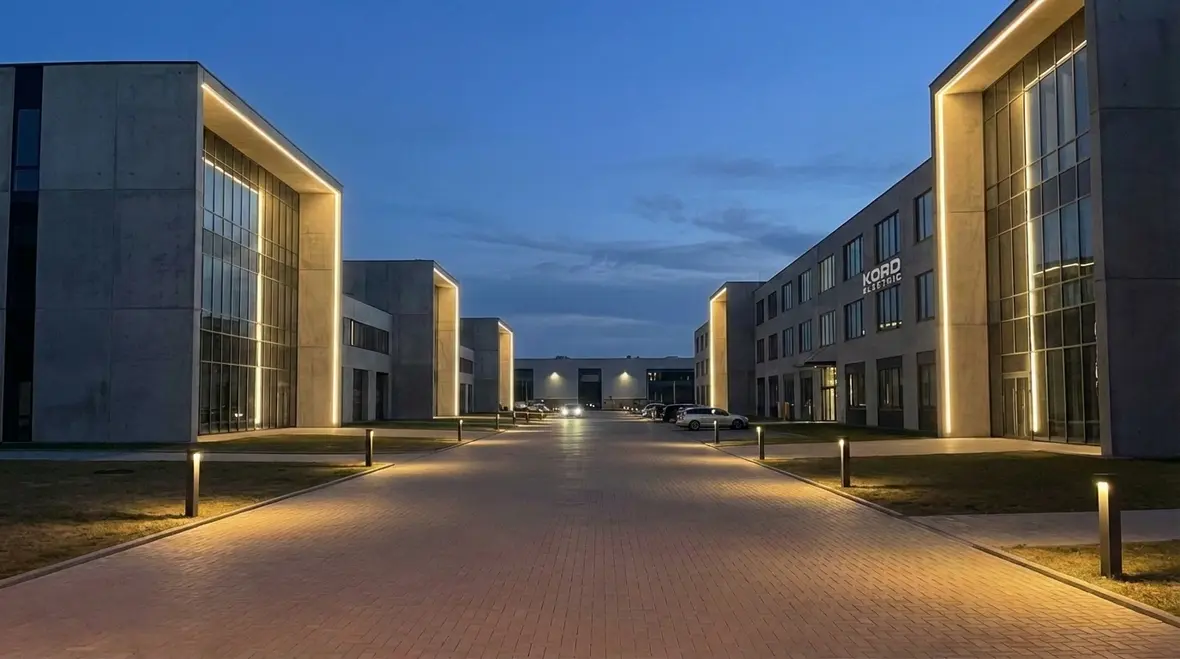
Despite the name, whole home lighting automation has evolved far beyond houses. In today’s world, major commercial properties, industrial campuses, healthcare facilities, warehouses, and multi building complexes benefit most from centralized control. Therefore, when Kord Electric talks about whole home lighting automation systems, we mean large scale, building wide intelligence that manages every fixture with purpose.
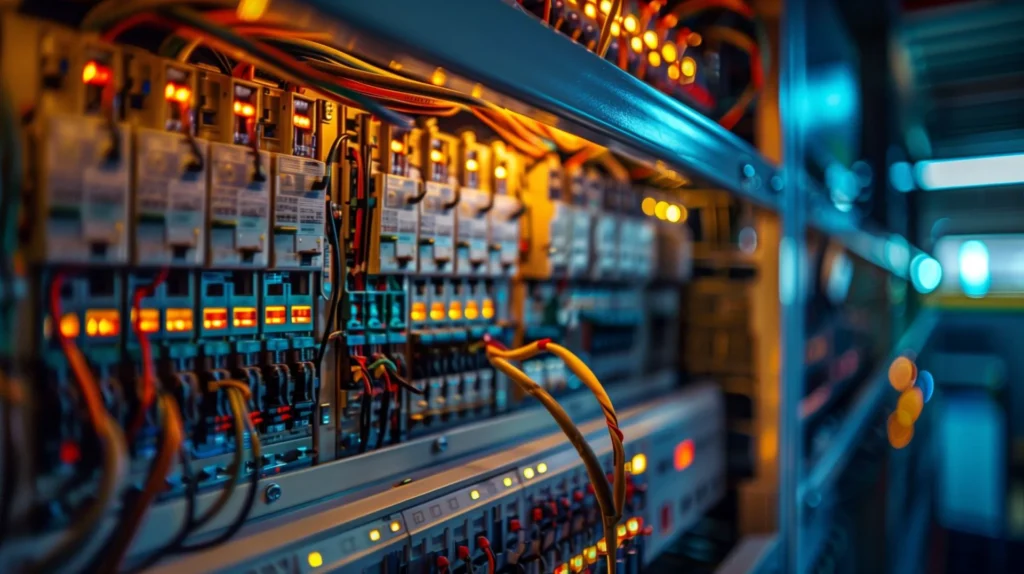
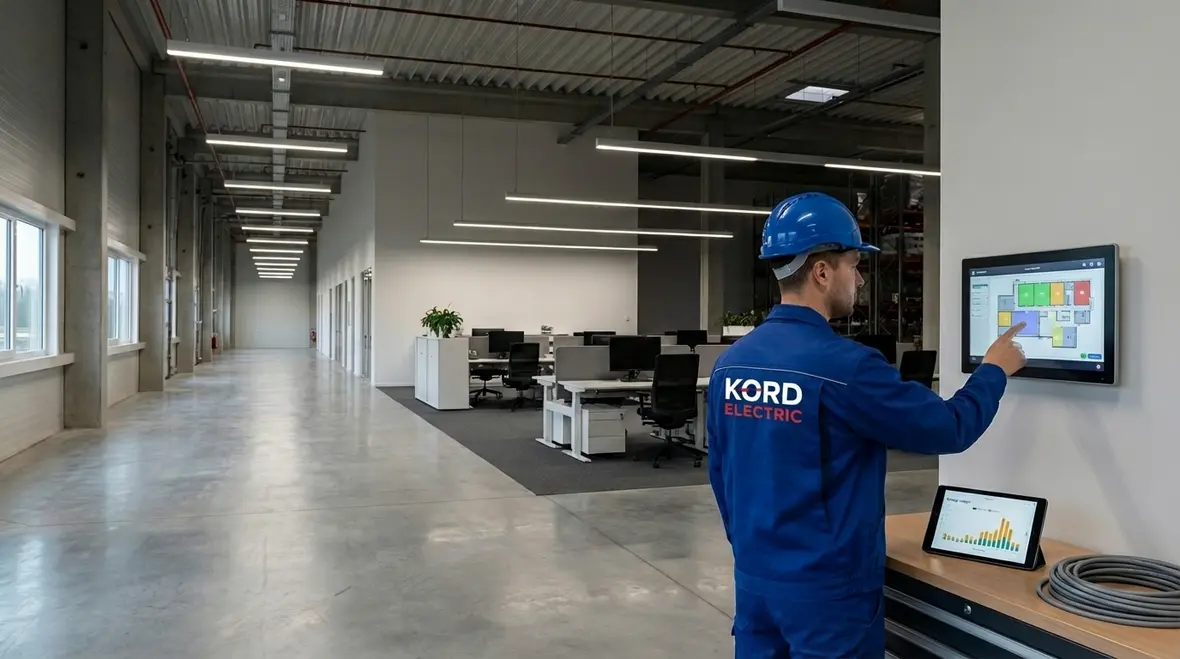
These systems connect lighting panels, occupancy sensors, daylight harvesting devices, and scheduling software into one cohesive network. As a result, facility managers gain full oversight from a single dashboard. They can adjust brightness levels across floors, monitor energy use in real time, and create custom scenes for events or shift changes.
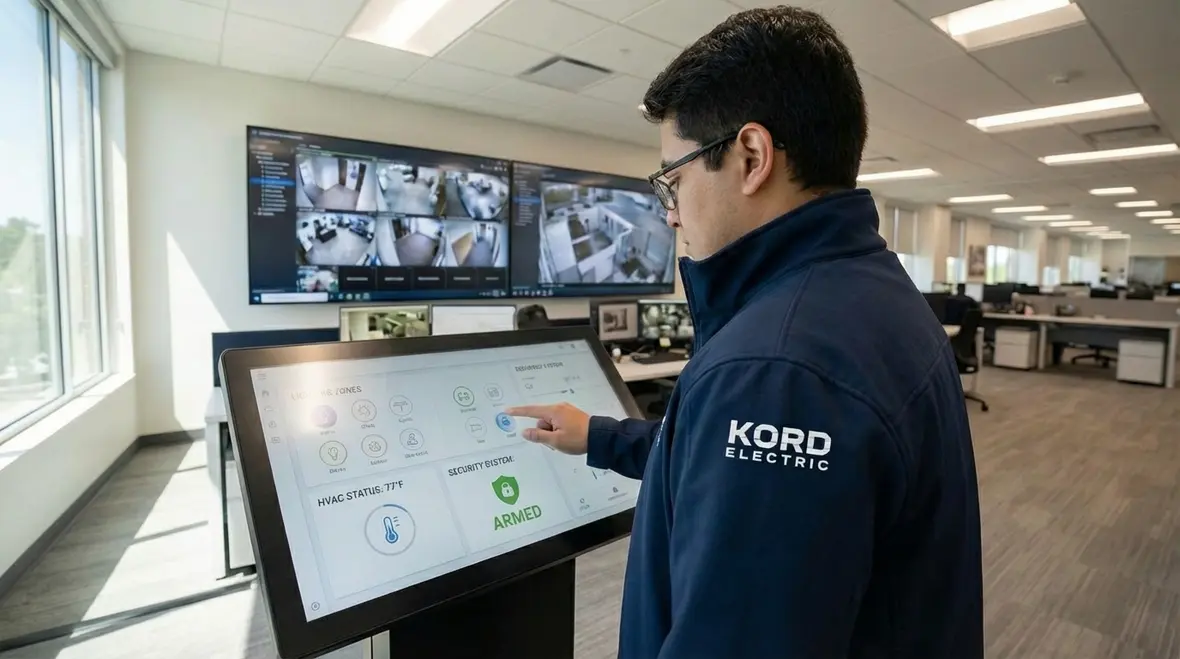
Moreover, integration with broader home tech infrastructure allows lighting to communicate with HVAC, security, and access control systems. When a building goes into after hours mode, lights dim automatically. When security sensors detect motion, lighting responds instantly. It is coordinated, intentional, and efficient.
Kord Electric technicians walk clients through each layer. They explain load distribution, panel configuration, and control programming in clear language. In other words, we make complex systems feel manageable. No jargon storms. No mysterious blinking boxes that no one understands.
How Smart Lighting Improves Energy Efficiency and Operational Costs
Energy costs are not shy. They show up every month, and they do not whisper. Fortunately, smart lighting offers measurable control over consumption.
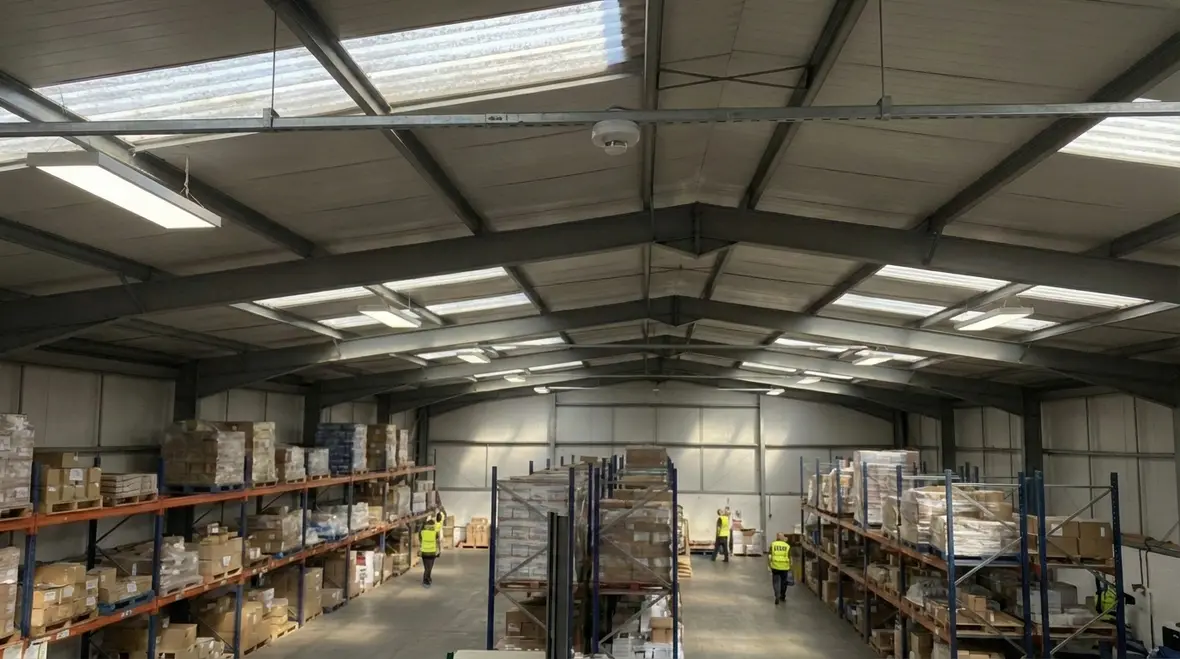
First, occupancy sensors ensure lights operate only when spaces are in use. In industrial facilities where zones may sit empty for hours, this alone can reduce waste dramatically. Additionally, daylight harvesting adjusts artificial light based on natural sunlight levels. On bright afternoons, fixtures dim automatically, cutting unnecessary power draw.
Furthermore, automated scheduling aligns lighting with production cycles or tenant hours. Instead of relying on staff to remember shutdown procedures, the system handles it. That reliability matters in large properties where a single missed circuit can cost thousands over time.
Kord Electric does not simply install devices and walk away. Our expert service staff analyzes usage patterns and programs settings tailored to each facility. They review utility data, examine peak demand periods, and fine tune controls for maximum efficiency. As a result, clients see lower operating expenses without sacrificing comfort or safety.
There is also the environmental benefit. Reduced energy use means a smaller carbon footprint. For organizations focused on sustainability goals, automated lighting becomes a practical step toward compliance and certification. It is not flashy. It is effective.
For facilities working toward California Title 24 lighting compliance, automation pairs naturally with requirements for occupancy sensors, multi-level controls, and after hours dimming. Systems that respond intelligently to occupancy and daylight do more than save on bills — they help keep your building aligned with evolving energy codes and safety expectations.
Connecting Lighting Automation to Broader Electrical Strategy
In many large facilities, lighting is just one piece of an aggressive energy and reliability strategy. When combined with structured electrical preventive maintenance programs, smart lighting controls help stabilize loads, reduce unnecessary strain on panels, and support long term system health. Thoughtful scheduling and dimming can even lessen the risk of nuisance trips or voltage fluctuations during heavy production periods.
What Should a Facility Manager Ask About Lighting Automation?
When property managers explore lighting automation, they often begin with simple questions. How scalable is the system? Can it integrate with existing infrastructure? What happens during a power outage?
Kord Electric answers these questions directly and thoroughly. First, scalability matters. Large commercial campuses grow. Therefore, control systems must expand without requiring full replacement. We design networks that accommodate additional panels and zones as buildings evolve.
Next, integration plays a central role. Many properties already use building management systems. Consequently, our technicians ensure that new lighting controls communicate seamlessly with existing platforms. That interoperability prevents data silos and simplifies facility oversight.
Reliability also stands at the forefront. Backup protocols, surge protection, and fail safe modes protect operations. In industrial environments, even a short disruption can impact productivity. For that reason, we build resilience into every design.
Our service staff takes time to demonstrate dashboards and mobile interfaces. They show how to generate reports, adjust scenes, and monitor performance remotely. Clients leave training sessions confident rather than confused. And in our line of work, confidence is priceless.
Key Topics to Cover During Your Lighting Automation Consultation
Current pain points: areas with wasted energy, poor visibility, or safety concerns
Future growth: potential expansions, new tenants, or added production lines
Code and compliance: how smart lighting can support California commercial lighting standards and OSHA expectations
Maintenance strategy: who will own programming changes and long term upkeep
Integration wish list: how lighting should coordinate with HVAC, access control, and security platforms
Smart Lighting as a Core Component of Modern Home Tech Infrastructure
In major commercial and industrial properties, lighting no longer operates in isolation. Instead, it acts as a cornerstone of broader home tech ecosystems.
For example, access control systems can trigger lighting scenes when authorized personnel enter restricted areas. Meanwhile, security platforms can raise illumination levels during alarms to support camera clarity. Additionally, HVAC systems can coordinate with occupancy data collected through lighting sensors to optimize temperature control.
This interconnected approach creates intelligent buildings that respond dynamically to real world conditions. It is less about flipping lights on and more about shaping environments that adapt in real time.
Kord Electric engineers design these integrations with care. Our technicians test communication protocols, confirm network stability, and verify that each subsystem exchanges data properly. They explain how BACnet or other control languages function, but they do so in plain terms. Because while the technology may be advanced, understanding it should not require a PhD.
Moreover, centralized dashboards provide analytics that extend beyond lighting. Facility directors can review occupancy trends, energy metrics, and maintenance alerts in one place. Therefore, decision making becomes data driven rather than reactive.
It is a bit like giving a building a brain. And fortunately, it is a brain that does not forget to turn off the lights.
Where Lighting Automation Meets Safety and Compliance
Smart lighting also plays a front line role in workplace safety. Well designed lighting automation eliminates dark corners, reduces glare, and maintains consistent light levels in work zones that might otherwise suffer from flicker or shadow. When paired with code guided layouts and emergency lighting strategies, automated control helps prevent the kind of lighting hazards that quietly drag down productivity and raise risk.
If your facility has struggled with flickering fixtures, inconsistent brightness, or compliance questions, it may be time to look beyond bulb swaps and consider a coordinated automation upgrade that treats lighting as part of your core safety infrastructure rather than background scenery.
Designing and Installing Lighting Automation Systems with Precision
Effective lighting automation begins long before installation. It starts with assessment.
Kord Electric conducts detailed site evaluations in commercial and industrial facilities. We analyze electrical infrastructure, panel capacity, fixture types, and operational workflows. In warehouses, we consider ceiling height and rack layout. In office towers, we examine tenant divisions and shared spaces.
After assessment, our engineers develop control schematics tailored to the property. They specify sensor placement for accurate occupancy detection. They determine zoning strategies that balance flexibility with simplicity. Then, our licensed technicians execute the installation with disciplined attention to code compliance and safety standards.
Throughout the process, we maintain open communication with property stakeholders. If adjustments arise, we address them quickly. Because in large facilities, timelines matter.
Below is a clear comparison of how traditional lighting setups differ from automated systems in commercial environments.
Traditional Lighting Systems
Manual switches and limited timers
Fixed brightness levels
Minimal data on energy use
Independent operation from other systems
Higher risk of lights left on
Automated Lighting Systems
Centralized digital control across zones
Dimming based on occupancy and daylight
Real time analytics and reporting
Integration with security and HVAC
Automated scheduling and shutdown
As shown above, the difference is not subtle. It is structural. Automated systems transform lighting from a static utility into an intelligent asset.
Maintenance, Monitoring, and Long Term Support
Even the most advanced systems require oversight. Therefore, Kord Electric provides ongoing support for the commercial and industrial properties we serve.
Our service staff performs routine inspections, firmware updates, and control recalibrations. They monitor system logs for anomalies and address issues before they escalate. In addition, remote diagnostics allow us to troubleshoot many concerns without disrupting operations.
Preventive maintenance extends equipment life. It also protects return on investment. Because while no one enjoys spending time thinking about lighting panels, everyone appreciates avoiding unexpected downtime.
Furthermore, as technology evolves, we guide clients through upgrades and expansions. Whether integrating new smart lighting features or connecting additional buildings into an existing network, we ensure continuity and compatibility.
Our technicians explain each update clearly. They review what changed, why it matters, and how to use new capabilities. That transparency builds trust. And trust, much like proper illumination, makes everything easier to navigate.
Pairing Lighting Automation with Ongoing Electrical Services
Lighting automation works best when it is part of a broader service relationship. Many commercial and industrial clients combine smart lighting with structured lighting installation services, scheduled electrical maintenance, and rapid response support for unexpected issues. When the same team that configured your lighting automation also understands your panels, feeders, and critical equipment, troubleshooting becomes faster and upgrades feel less disruptive.
For facilities that cannot afford extended downtime, partnering with a commercial electrical contractor who designs, installs, and maintains lighting automation provides a safety net. You gain a single point of contact for questions about controls, code, or performance, instead of juggling vendors every time a setting needs to change.
Frequently Asked Questions
Conclusion
In large commercial and industrial properties, lighting should work with intention, not by accident. Kord Electric designs and installs advanced lighting automation systems that bring clarity, efficiency, and control to every corner of a facility. Our technicians explain every step, and our service staff stands behind every system. If your property is ready to think smarter and operate leaner, we are ready to guide the transformation.
Whether you are planning a full automation upgrade, a targeted retrofit, or a new construction project, pairing intelligent controls with professional lighting installation services ensures that every fixture, sensor, and schedule works together. Reach out to Kord Electric and let us illuminate the future of your facility with lighting automation, smart lighting, and home tech usage that is engineered for real world performance.