Modern Electrical Systems for Commercial Buildings: Technologies & Benefits
Modern Electrical Systems for Commercial Buildings: Technologies & Benefits is not a buzzword at Kord Electric, it is the foundation for safer operations, smarter energy use, and dependable power when the stakes are high. In today’s commercial and industrial facilities, we build electrical infrastructure that adapts to real life, not to yesterday’s wiring diagrams. Our technicians and expert service staff explain options clearly, so building owners can make decisions with confidence. And yes, we also make sure the lights turn on the first time, because no one wants a “mystery outage” on a Monday morning. Our approach connects technology, planning, and testing to deliver reliable performance across the systems that keep your facility running.
For owners and facility teams who want to dive deeper into how these concepts play out in real buildings, Kord Electric also explores related topics such as commercial electrical systems for modern buildings, where smart infrastructure, code compliance, and future-ready design all work together behind the walls.
How modern building power systems stay reliable
Commercial and industrial buildings demand power that behaves consistently, even when demand changes fast. Therefore, modern electrical systems use strategies that reduce weak points before they become failures. For example, we design load paths so critical equipment stays protected during normal startup and during unexpected conditions. We also coordinate breakers, relays, and protective devices, so the system isolates faults quickly while keeping the rest of the facility stable.
Next, we treat reliability as more than a promise. Our expert service staff follows procedures that include inspection, documentation, and performance checks. In other words, we do not just install and leave. We validate how the system responds under real operating conditions. As a result, your team experiences fewer disruptions and less downtime that can interrupt production, customer service, or operations.
And if reliability sounds boring, good. Boring is what you want from electrical systems. Like a well tuned engine, it should do its job quietly, without dramatic surprises.
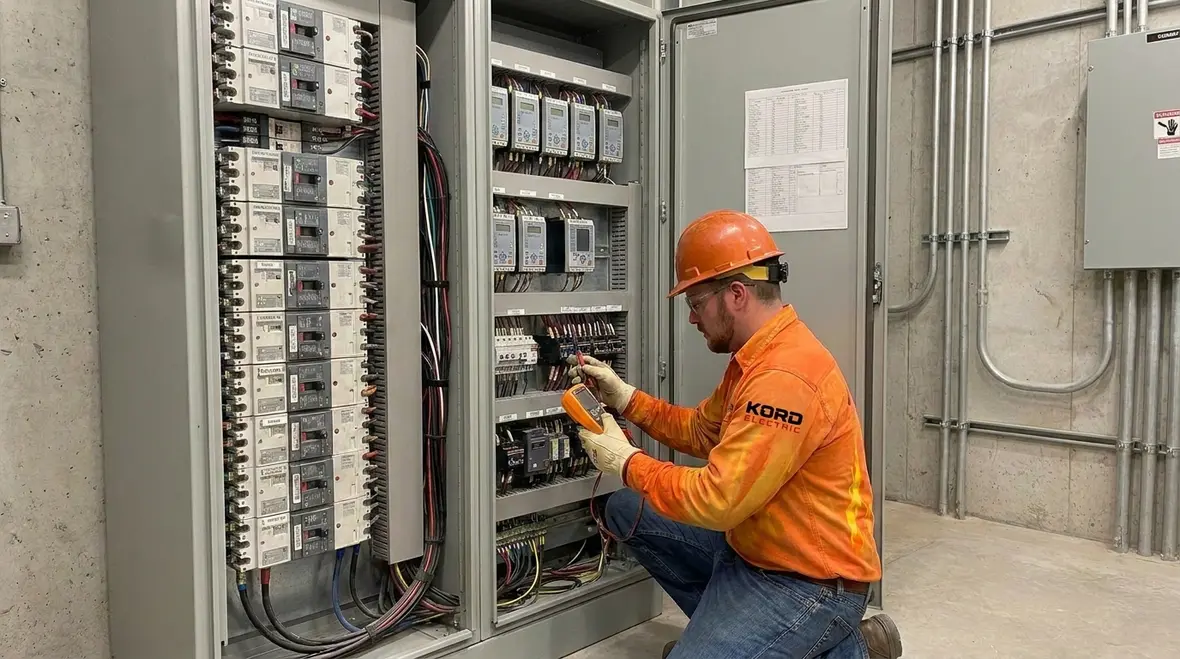
Technologies that reduce energy waste and boost control
Modern electrical systems for commercial buildings now include energy management features that go beyond “turn lights off.” Consequently, we integrate controls that help facilities track usage, manage demand, and optimize power distribution. These technologies support scheduling, load shedding, and smarter response to peak demand charges, which matters a lot for large properties.
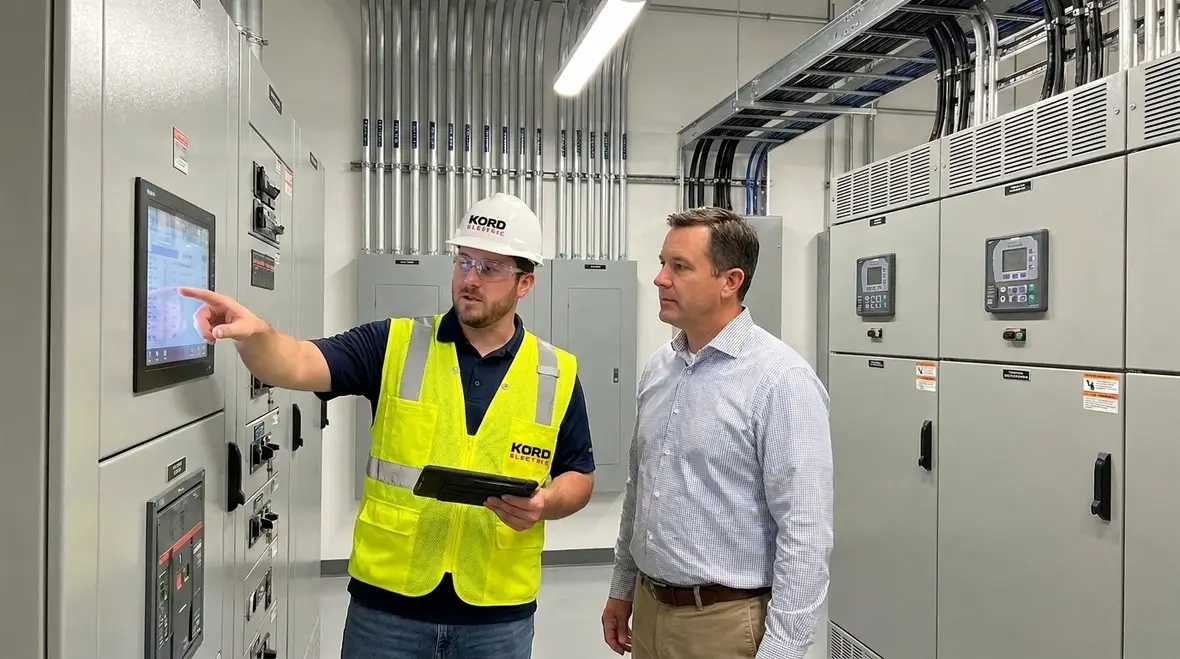
Furthermore, we coordinate electrical distribution with building automation systems so operators can see what the facility uses and why. When people can view trends, they can act sooner. That reduces waste and supports better budgeting. Our technicians explain what they are measuring and how it ties to equipment loads, so your team understands the “story” behind the numbers.
Some systems also use advanced monitoring at panel level, which helps locate abnormal behavior early. For instance, if a circuit shows unusual harmonics or unexpected load growth, we can pinpoint the source rather than waiting for a failure. In practice, this is like finding a loose thread before it becomes a full unraveling of your power strategy.
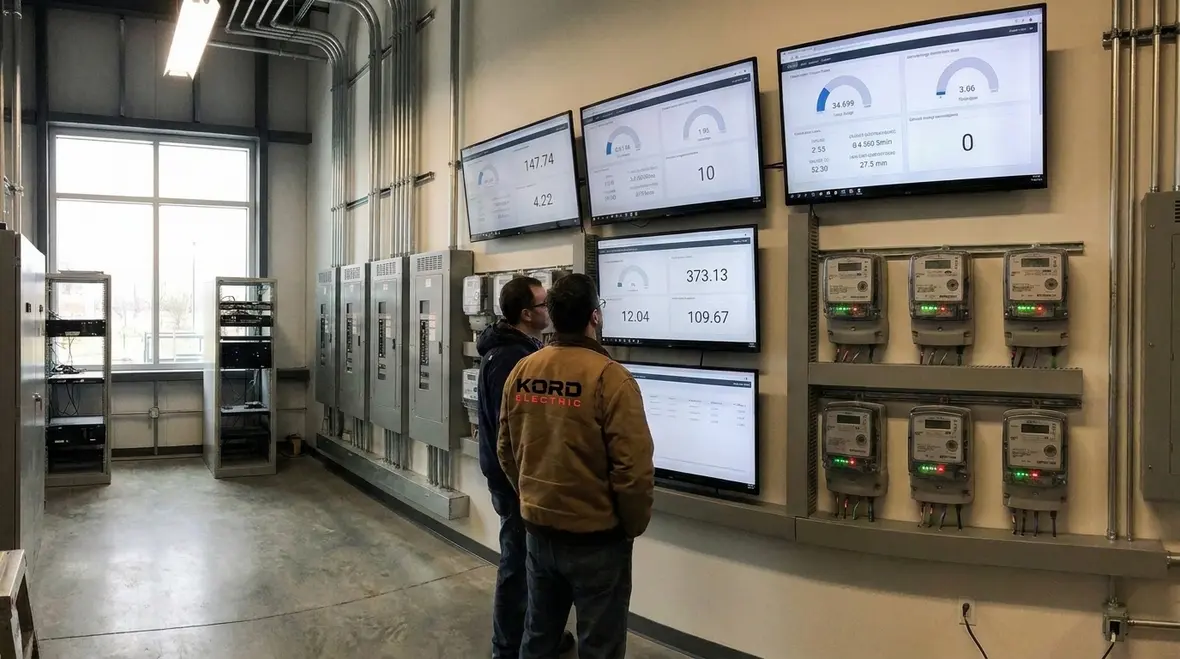
Panelboards, switchgear, and distribution systems built for scale
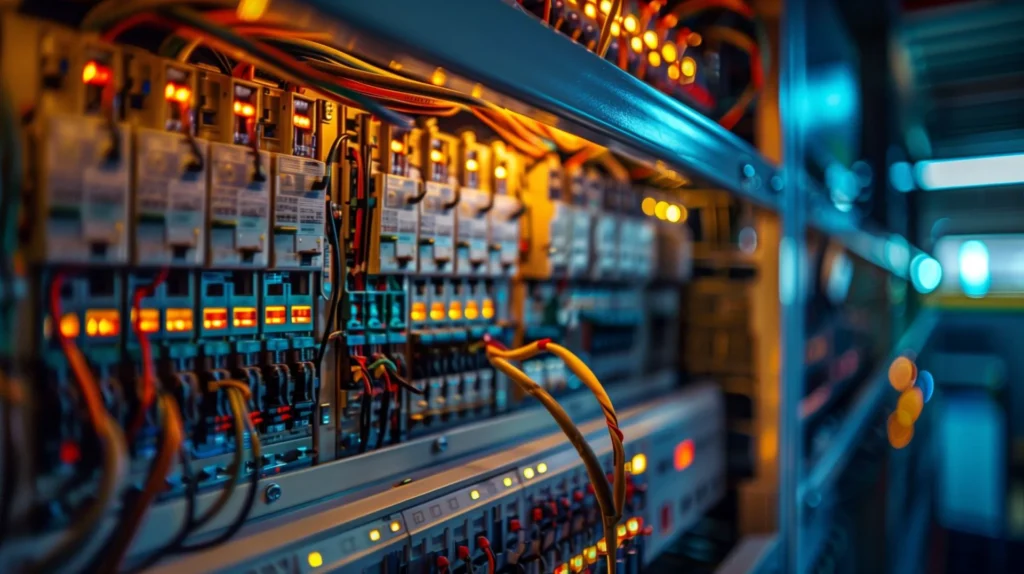
In large facilities, distribution equipment must handle both present demand and future growth. So we focus on panelboards and switchgear layouts that support expansion while maintaining safe, organized power flow. This includes proper sizing, clear labeling, and routing practices that improve service access and reduce troubleshooting time.
At the heart of many modern installations sits switchgear designed for commercial and industrial conditions. It protects feeders and equipment, and it supports selective coordination, which helps ensure that only the affected section trips during a fault. When coordination works, the rest of the building keeps operating. Therefore, you avoid the domino effect that can shut down critical operations.
Also, we consider how equipment gets used. Manufacturing loads, data center loads, HVAC systems, and process equipment all create different electrical demands. Our technicians evaluate those patterns so the distribution architecture matches reality. Otherwise, you can end up with a system that “works,” but never works well.

Designing distribution with real-world operations in mind
Real facilities do not operate in neat, even blocks of load. Production schedules, seasonal occupancy, and tenant changes all shift how power flows through a building. That reality shapes how we design panelboards, feeders, and branch circuits. We look at where equipment runs hardest, where flexibility is essential, and where redundancy keeps the building calm during changes.
For example, a distribution plan for a mixed-use commercial building might reserve capacity and space in panelboards for future tenant improvements, while a manufacturing campus could require dedicated sections for process loads and separate sections for office and support spaces. Our goal is to create layouts that feel intuitive to service technicians and inspectors years later, not just on the day everything is first energized.
Standby power and backup systems for critical operations
When power interruptions threaten safety or productivity, backup systems move from “nice to have” to essential. In commercial and industrial environments, we plan standby power with the full sequence in mind: transfer, timing, load pickup, and stability. That means we do not just choose an emergency generator and call it done. We design it to carry the right loads, with the right protections, under the right conditions.
We also discuss how backup systems interact with sensitive equipment. Many facilities run devices that cannot tolerate even brief instability. Therefore, we coordinate protective settings and ensure proper power quality behavior during transfer and operation. Our expert service staff walks clients through these details so the facility team understands what will run, what will wait, and why.
And yes, we have a sense of humor about it. Building owners sometimes imagine the lights will stay on like a superhero power. In reality, backup systems save the day when properly engineered, maintained, and tested. That is the goal.
Coordinating backup power with real facility priorities
Not every load deserves generator support, and not every circuit should switch at the exact same moment. We work with facility teams to rank loads by criticality—life safety, business continuity, equipment protection, and comfort. Then we design transfer schemes that keep the right circuits alive through an outage without overloading the generator or stressing sensitive gear.
For some facilities, that means dedicated emergency switchboards and automatic transfer switches with clearly defined loads. For others, it might mean staged transfer, where priority systems pick up first while nonessential loads wait until the generator is stable. Either way, a carefully engineered approach keeps the “hero moment” from turning into a drama.

Power quality and surge protection that protects the whole chain
Electrical issues rarely stay isolated. One problem can ride along the system and affect multiple devices. That is why modern electrical system planning emphasizes power quality and protection. We build defenses against surges, spikes, and transient events that can damage motors, drives, controls, and communication equipment.
Additionally, we consider harmonics and electrical noise, which often show up with variable frequency drives, modern lighting systems, and certain process equipment. If these factors get ignored, they can raise temperatures, shorten equipment life, and cause nuisance alarms. Therefore, we evaluate the electrical environment and design protection that fits the loads you actually operate.
Our technicians explain mitigation steps in plain terms. They clarify what surge devices do, how they differ, and where they belong in the distribution chain. Then we set expectations for testing and verification. In the end, the objective is simple: keep the equipment doing its job, not learning the hard way what failed first.
Layered protection for modern commercial loads
A single surge protection device at the service entrance is helpful, but it is rarely enough for today’s facilities. Modern Electrical Systems for Commercial Buildings: Technologies & Benefits often rely on layered protection: devices at the main service, at key distribution points, and at sensitive downstream equipment. This approach gives transient energy fewer chances to reach the devices that cannot afford a hit.
We also tie surge protection and power quality monitoring into ongoing maintenance. Trends in voltage events, harmonic content, and neutral currents can signal where loads are misbehaving or where distribution needs an adjustment. That way, your surge strategy becomes part of a larger reliability program instead of a one-time purchase that quietly ages in the background.
Safety, code compliance, and commissioning that teams can trust
Commercial and industrial facilities require strict safety practices, and code compliance protects people and assets. Kord Electric focuses on safe installation methods and documentation that holds up during inspections and internal audits. However, we go beyond paperwork. We bring a practical commissioning mindset to ensure systems perform as designed.
Commissioning matters because it catches mismatches early. For example, we verify correct phase identification, breaker settings, labeling accuracy, and coordination behavior. We also test functional sequences for critical systems so the operational team knows exactly what happens during normal events and during fault conditions.
Meanwhile, our expert service staff supports ongoing maintenance planning. That includes inspection intervals, recommended testing schedules, and clear repair pathways if issues show up. Consequently, building teams avoid the “wait until it fails” approach that turns maintenance into emergency response.
Connecting safety practices with long-term reliability
Safe systems are rarely an accident. They come from consistent standards, clear documentation, and teams who know how to apply both under real workload. That is why we align installation and commissioning with the way your facility actually operates: shift schedules, seasonal loads, and the reality that equipment ages over time.
If your building is due for upgrades or you are planning new construction, pairing design and commissioning with a structured safety mindset helps prevent future headaches. It also supports smoother permitting and inspections—especially for facilities in regions with detailed requirements for Los Angeles County electrical services and similar jurisdictions where compliance and documentation must line up perfectly.
FAQ
Request an expert plan from Kord Electric
Modern Electrical Systems for Commercial Buildings: Technologies & Benefits should not feel confusing. At Kord Electric, we assess your facility, explain the options in clear terms, and design systems that protect operations, improve control, and support safe long term performance. If you are planning upgrades, expanding infrastructure, or strengthening reliability, contact us to schedule a consultation with our technicians and expert service staff. We will listen first, then build a practical plan your team can trust. Let us turn “power concerns” into controlled outcomes for your facility, fast.
Whether you are upgrading existing gear, planning new construction, or coordinating power with building automation, our team can align your project with a wider roadmap of services, from detailed design-build support to full commercial electrical services across Los Angeles County. The result is an electrical system that feels less like a mystery and more like a reliable partner in your daily operations.