Preventative Electrical Maintenance for Industrial Plants Guide
Preventative Electrical Maintenance for Industrial Plants: Complete Guide
In this Preventative Electrical Maintenance for Industrial Plants: Complete Guide, Kord Electric lays out a practical approach for keeping plant power systems steady, safe, and ready for the next shift. We focus on commercial and industrial facilities and major property buildings, where one loose connection can turn into hours of downtime. Our team approaches electrical upkeep like a calm pilot preflight check. We inspect, test, clean, tighten, and document. Then we explain what we found in plain language, so your operations team understands risk, timing, and next steps. If your plant equipment is the engine, then preventive maintenance is the oil change that keeps the whole machine from yelling at you later. And yes, we have seen “later” turn into “emergency.”
Why industrial plants need preventative electrical upkeep, even when everything “seems fine”
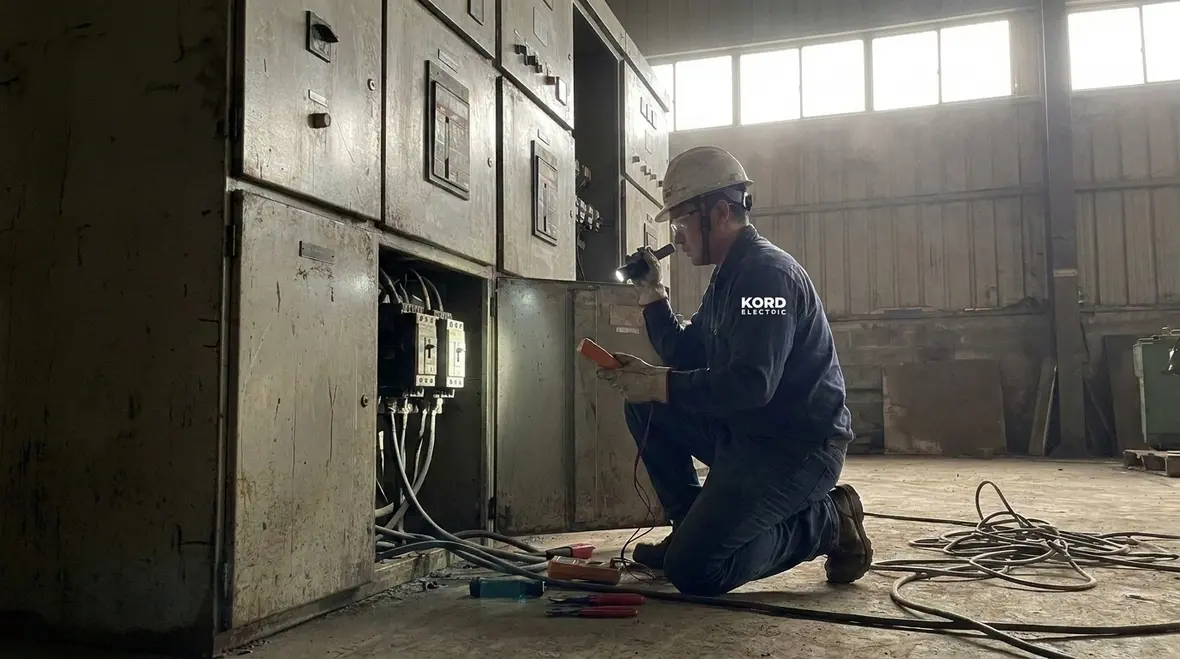
Many facilities run well until they do not. That is the tricky part of industrial electrical systems. They can look normal while insulation breaks down, connections loosen, and protective devices drift out of spec. Meanwhile, motors cycle, drives heat up, and panels sit under constant load. Over time, heat and vibration quietly reduce performance and increase failure risk.
At Kord Electric, our technicians and expert service staff use a simple mindset: we would rather prevent a problem than chase it at midnight. Even when production stays steady today, electrical wear often begins earlier than you think. Therefore, we plan maintenance around the real behavior of your equipment, not vague schedules that belong in a textbook.
Also, we treat “seems fine” like a sitcom excuse. It works until the punchline lands. When the failure finally hits, it rarely happens gently. It tends to arrive with tripped breakers, nuisance alarms, overheating, or worse, damaged equipment that costs more than a good maintenance plan ever could.
If your facility team wants a deeper checklist-style companion for day-to-day inspections, you can also review how structured programs work in resources like Kord Electric’s commercial and industrial electrical maintenance plans and commercial electrical preventative maintenance checklist, which both show how inspections, infrared scans, and documentation all tie together for major properties.
How we build a maintenance plan that matches your plant’s risk
We start with what matters most: system criticality. Not every circuit deserves the same attention. For example, a feed that powers safety controls, process lines, or critical building loads often requires tighter testing and faster response. In contrast, a lower-impact circuit may need less frequent inspection, but it still needs basic checks.
Then we map electrical assets. We look at switchgear, transformers, panelboards, motor control centers, variable frequency drives, lighting distribution, emergency systems, and grounding components. In addition, we coordinate with your operating schedule so maintenance work does not disrupt production. Many plants run on tight windows. So we plan for safe access, power down where needed, and clear communication for your staff.
Next, we align tasks with failure modes. We do not just “check boxes.” We choose testing based on what typically fails in real environments: contact resistance, insulation breakdown, overheating patterns, and protective device performance. When we explain results, our service staff shows you what the numbers mean and how they connect to operational risk. You get clarity, not mystery.
That same structured thinking appears across Kord Electric’s guidance on industrial power quality analysis and factory troubleshooting. Instead of chasing individual symptoms, we look at the whole system: where power comes from, how it moves through the plant, and which parts deserve the most attention so downtime risk actually drops instead of just getting new labels.
What we inspect and test during a preventive visit
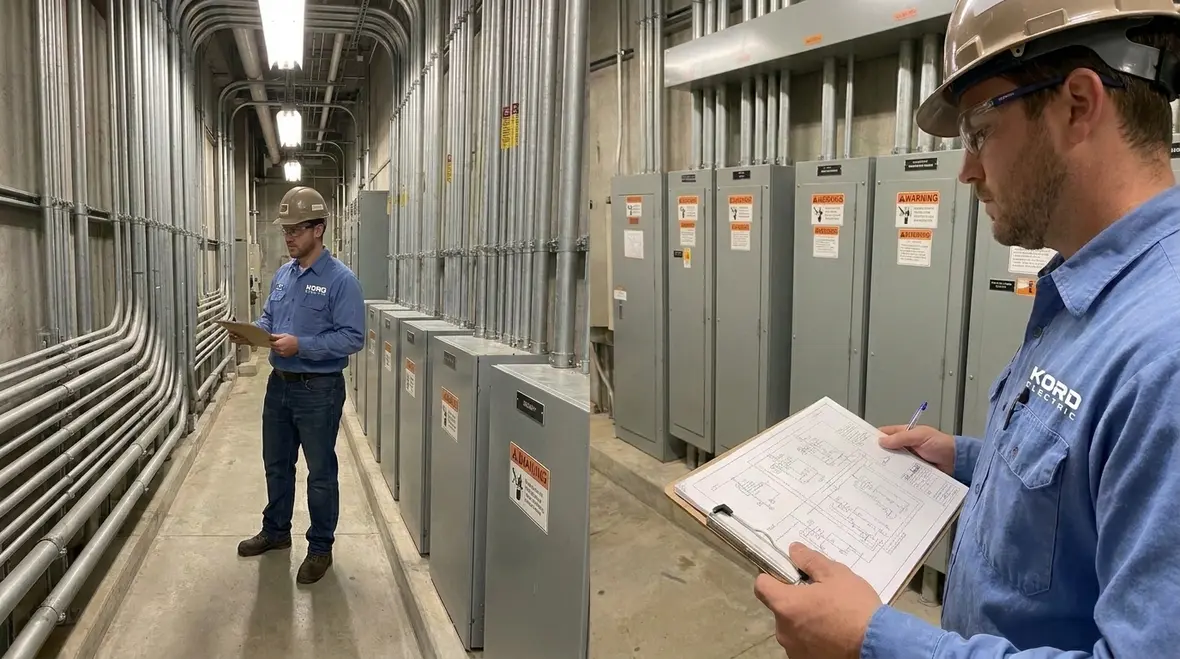
When our team arrives, we follow a method that is both thorough and easy to understand. We focus on the health of connections, the behavior of protective devices, and the stability of grounding and insulation. Below is how we typically approach industrial plants and major property buildings.
Switchgear and panels
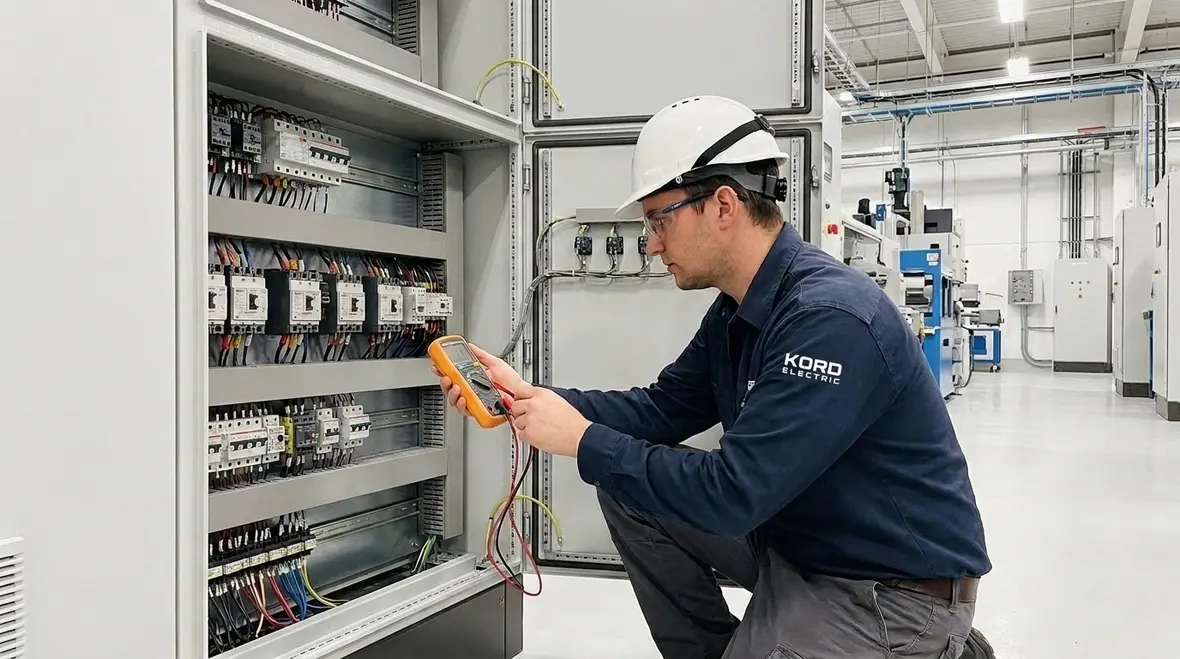
- Visual inspection for signs of heat, corrosion, dust buildup, and wear
- Torque checks on bus connections where appropriate
- Verification of breaker operation and control functionality
- Inspection of neutral and ground integrity to reduce nuisance faults
Motors, drives, and distribution
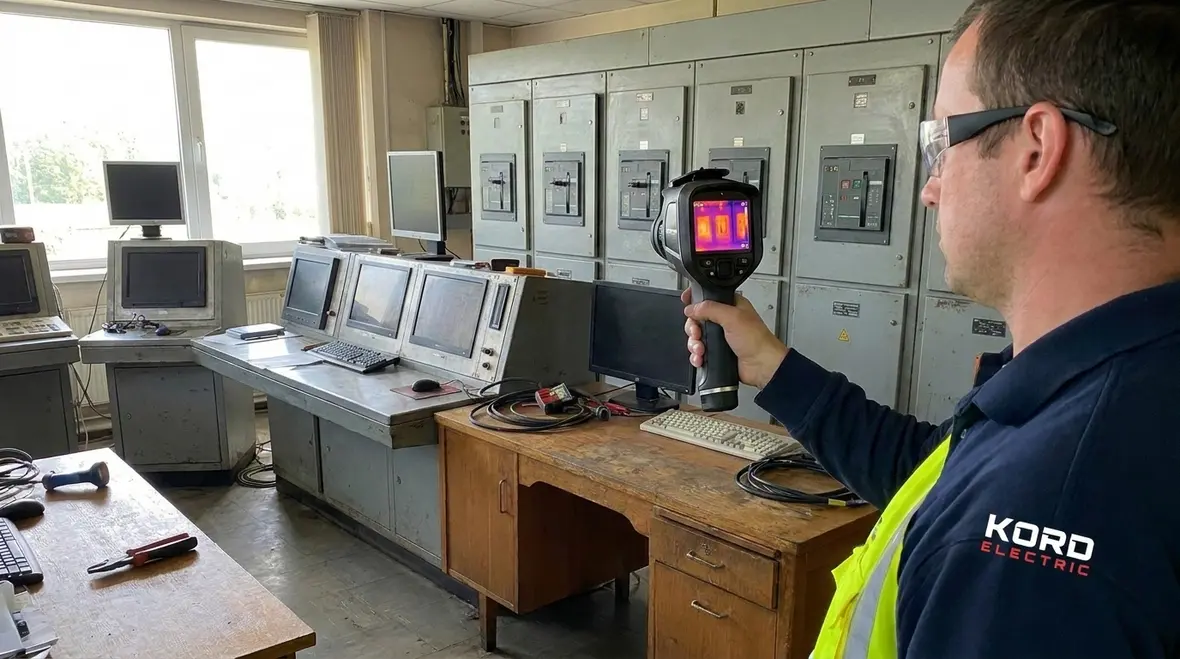
- Infrared scanning to detect hot spots early
- Insulation testing based on equipment type and use
- Assessment of motor starting and drive conditions
- Cleaning and tightening where heat and contamination build up
We then review protective coordination and device settings when your plant load or process changes. That step matters because electrical systems do not stay still. New equipment gets added. Load profiles shift. And sometimes, a setting that worked last year starts behaving like a bad coworker who “always meant well.”
Finally, we document everything. Our reports include observations, test results, and recommended actions with priority levels. This helps your team plan budgets and schedules without guesswork. Over time, that documentation becomes a playbook you can use alongside resources such as industrial electrical system troubleshooting guides and factory-specific checklists, so every maintenance cycle builds on the last instead of starting from scratch.
Common failure points in industrial plants, explained in plain terms
Industrial electrical failures often start small. However, they grow quickly once heat, resistance, or moisture enters the picture. Here are typical areas we see, and how we help clients understand them.
Loose or aging connections create resistance, which creates heat. Heat breaks down insulation, then things fail in a domino sequence. We inspect and correct connection issues before they become “why did the panel smell like burning toast” events.
Overloaded circuits push equipment beyond its design limits. A motor that runs hot all day may not fail today, but it will shorten life and increase downtime risk. Therefore, we check load behavior and verify protections match your operating profile.
Grounding and bonding issues can lead to shock hazards and erratic protection trips. When grounding is wrong, the system can react like it is haunted. Our service staff checks grounding paths and connections so faults clear the way they should, safely and predictably.
Protective device drift happens as components wear. Breakers and relays can move out of alignment, especially in harsh conditions. As a result, protection may trip at the wrong time, or not trip when it should. We test and evaluate performance so your plant does not rely on luck.
These same patterns show up across commercial and industrial portfolios. That is why a Preventative Electrical Maintenance for Industrial Plants: Complete Guide does more than list tasks. It gives you a way to connect small symptoms to the big root causes that Kord Electric’s teams see every week: heat, contamination, poor terminations, and forgotten settings.
Preventative Electrical Maintenance for Industrial Plants: how we reduce downtime risk
Reducing downtime starts with smart timing and clear sequencing. We coordinate maintenance with your production plan, identify which equipment can be serviced safely, and plan power interruptions only when needed. Then we set up work so technicians restore systems and verify performance before leaving the site.
In addition, we prioritize findings based on impact. We do not treat every concern like an equal emergency. Instead, we classify issues by severity and likelihood so your maintenance dollars land where they help most. That approach keeps your operation running and your budget from turning into a surprise plot twist.
Also, we help your staff connect the dots. Our technicians explain what they saw, what it could lead to, and what the fix looks like. That way, your plant management can make decisions with confidence. Nobody enjoys maintenance meetings, but at least you can walk out of them with real answers and fewer “we will see later” promises.
For plants that want to formalize this into a long-term strategy, Kord Electric’s dedicated electrical preventive maintenance services give you a way to lock in inspections, thermal imaging, and testing across the whole year. That same program can support multi-site operators—especially in regions like Los Angeles County—who need a consistent standard for electrical reliability instead of reacting to every unexpected trip.
Scheduling and documentation that your operations team will actually use
A preventive program fails when paperwork becomes a museum. We keep documentation useful and action oriented. Each maintenance visit generates findings, test results, and recommended next steps. We present it in a way that supports scheduling, procurement, and engineering review.
For scheduling, we often use a mix of recurring tasks and event driven checks. Recurring tasks might include inspections and targeted testing at planned intervals. Event driven work happens after electrical changes, equipment replacements, new process loads, or unusual operating conditions. This matters because plant electrical systems respond to change. If you add equipment, your system’s stress changes too.
Finally, we align with your safety practices. Our team follows proper lockout and safety procedures, and we coordinate with site rules. That reduces risk and helps your staff stay focused on production, not chaos.
Over time, that history supports broader reliability decisions. It can highlight panels that deserve upgrades, motor control centers that should be modernized, or sites that need deeper analysis such as industrial power quality studies. It also gives you a clear trail for audits, insurance reviews, and capital planning discussions.
FAQ: preventive electrical maintenance for commercial and industrial facilities
Need a preventive plan built for your plant?
When you choose Kord Electric, you get more than a checklist. You get a preventive electrical maintenance program designed for your equipment, your uptime goals, and your real risk profile. Our technicians inspect, test, document, and explain results so your team can act with confidence. If you want fewer surprises and steadier operations, contact us to schedule an assessment for your commercial and industrial facility or major property building. Let’s keep your power steady, like it was always meant to be.
If your team manages facilities across Southern California, you can also connect this work with regional support for Los Angeles County electrical services, so plant maintenance, troubleshooting, and upgrades share one consistent playbook. That way, whether you are planning the next outage window or reacting to a surprise alarm, you already know who understands your system.
And if you are ready to go beyond one-time inspections, Kord Electric’s electrical preventive maintenance services give you a clear framework for recurring inspections, infrared scans, breaker testing, and documented recommendations that line up with your industrial risk profile instead of a generic calendar.