
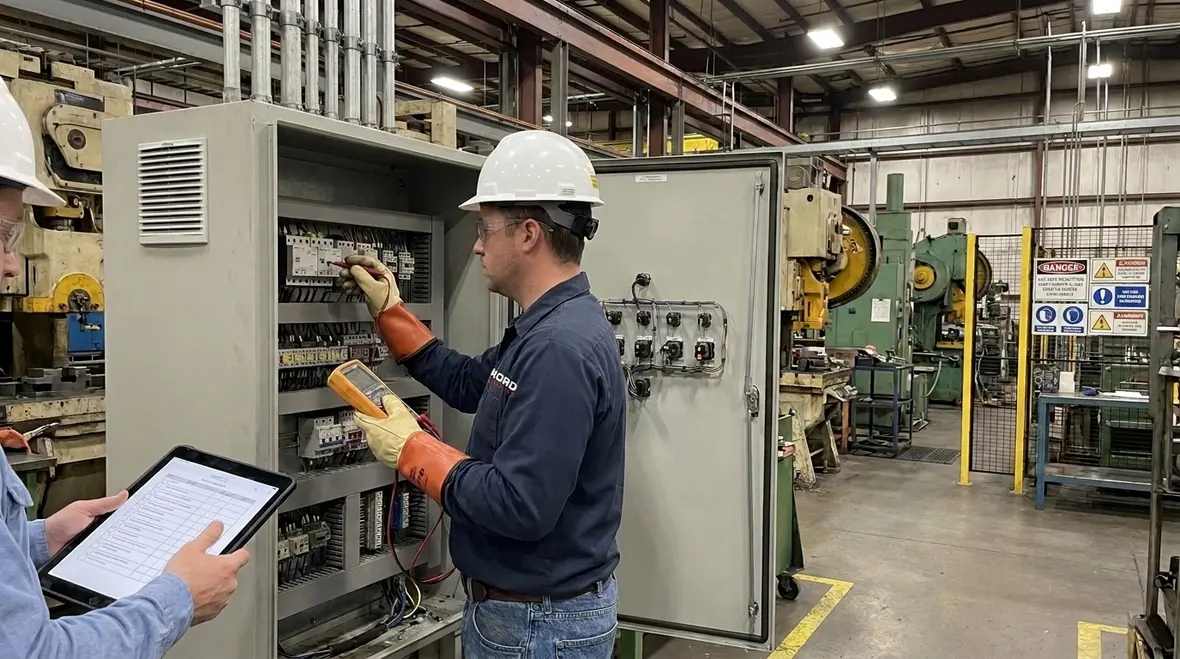
Factory Electrical Safety Compliance Requirements Inspections
At Kord Electric, we treat Factory Electrical Safety Compliance: Requirements, Inspections & Best Practices as more than a checklist. Others may treat it like paperwork you can toss in a drawer, but we do not. In this guide, our team walks through what commercial and industrial facilities and major property buildings must do to keep people safe, systems reliable, and audits smooth. We also explain how our technicians and expert service staff verify conditions on site, what we document, and how we help facilities reduce risk before problems show up. And yes, we will say it plainly: electrical hazards do not care how busy your shift is. Let’s handle it the right way.
Why factory electrical compliance matters on real projects
In commercial and industrial facilities, electrical issues rarely stay “small.” A loose connection can heat up, a mislabeled circuit can send a worker to the wrong panel, and a missing safeguard can turn a routine task into an incident. Therefore, compliance becomes a safety tool, not just a legal shield. When we support your facility with Factory Electrical Safety Compliance: Requirements, Inspections & Best Practices, we focus on the practical reality: inspectors look for evidence, and workers need controls that actually work.
We also see patterns. If a facility has frequent maintenance requests, the electrical system often has an underlying cause. Instead of blaming “bad luck,” we examine conditions like panel condition, grounding integrity, and protection device settings. Then we translate findings into clear actions your team can schedule and complete. The goal is simple: prevent events, protect staff, and keep operations moving. Or in a more pop culture way, we stop “season finales” before the plot gets dramatic.
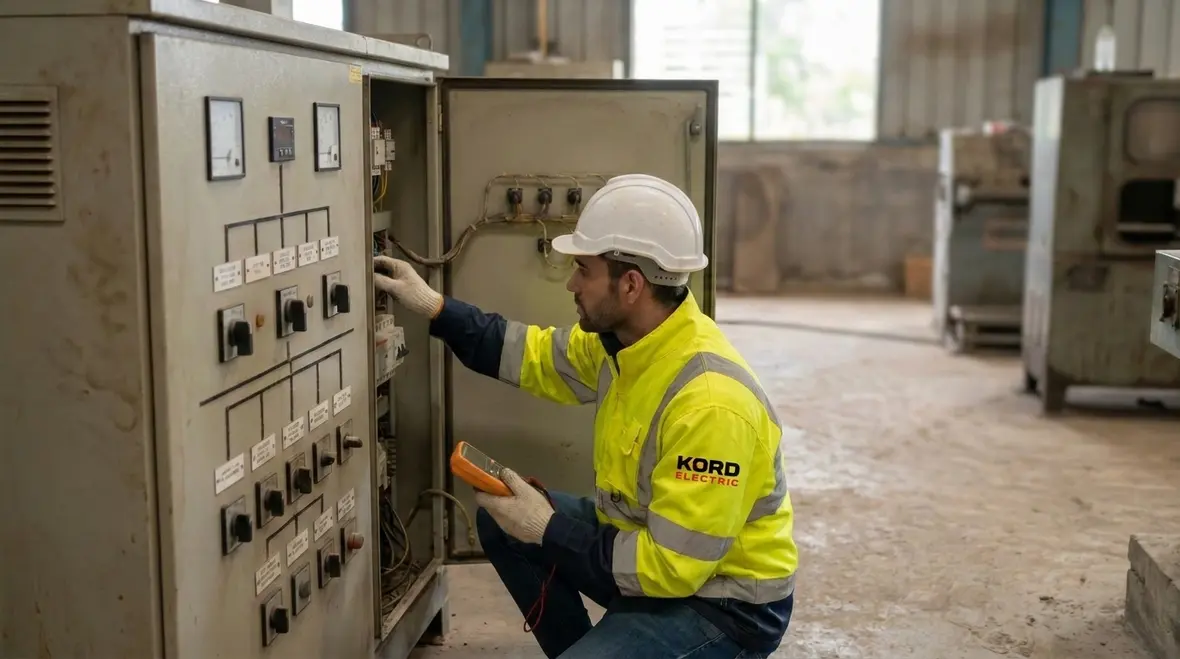
Key electrical safety elements we verify first
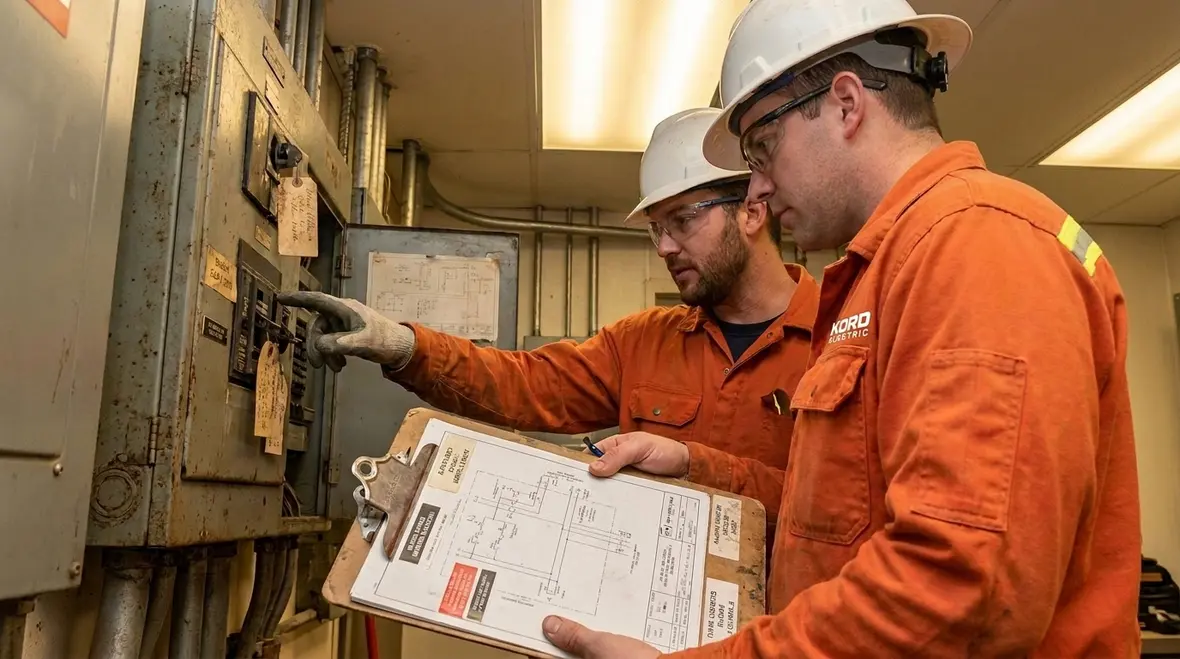
When our technicians arrive, we do not start by guessing. We start by looking at the fundamentals that drive safe operation in manufacturing and major property environments. We check protective equipment, labeling, and safe access, because those details reduce confusion and prevent dangerous work practices.
First, we verify circuit protection. We inspect breakers and fuses to confirm they match the intended loads and remain in proper working condition. Next, we check wiring condition and termination quality. Then we review grounding and bonding, since poor grounding can create shock hazards and can also damage equipment.
We also look at disconnects and lockout readiness. If a facility cannot isolate energy quickly and safely, then every maintenance task becomes higher risk. In addition, we review panel access and clearance. Even if everything else is correct, restricted access can cause unsafe workarounds.
Finally, we confirm documentation alignment. That means drawings, single lines when available, and labeling that matches the field. Without that, workers spend time searching, and searching creates risk. This is where Factory Electrical Safety Compliance: Requirements, Inspections & Best Practices moves from theory into daily operations.
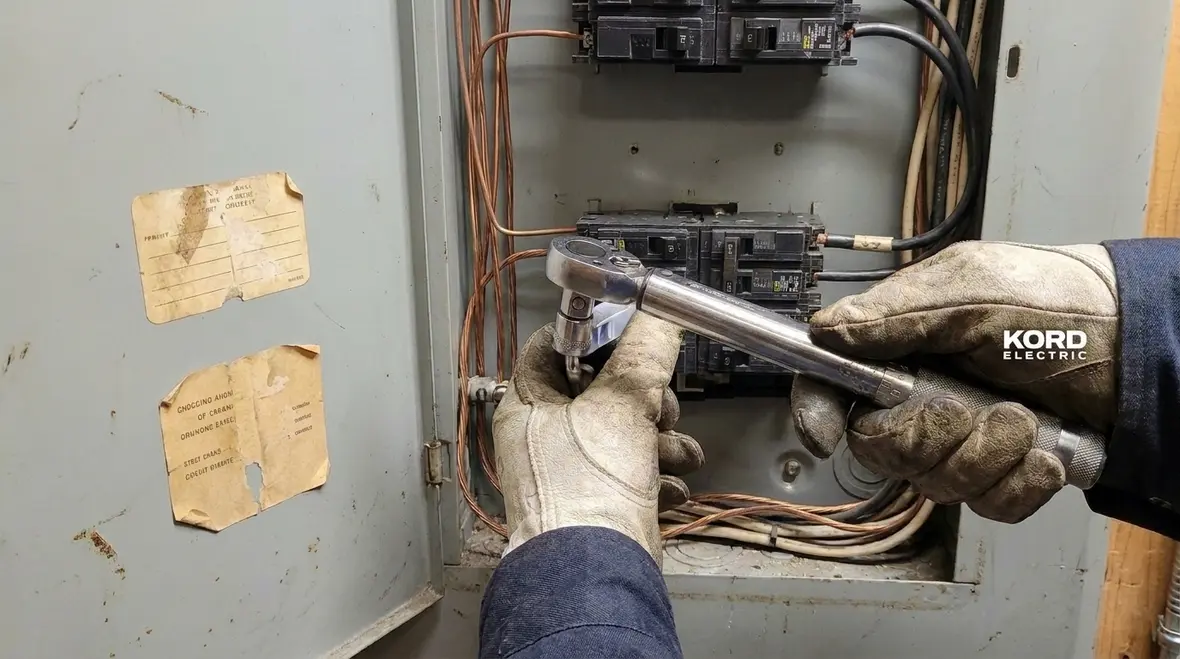
What inspections look like, and what inspectors expect to see
Inspections do not reward hope. They reward consistency, evidence, and clear controls. Therefore, facilities benefit when they prepare like they expect questions. Our expert service staff explains what inspectors usually focus on, so your site does not scramble at the last minute.
During inspections, inspectors typically review visible safety conditions and verify that protective systems remain functional. They also look for proper labeling, working covers and doors, correct torque practices where applicable, and safe routing of cables. In many cases, they want to see that hazards have been identified and corrected rather than patched repeatedly.
Then they may request records. Those records can include maintenance logs, thermal imaging or other checks if performed, calibration data for testing equipment when relevant, and documentation tied to corrective work. We guide facilities on how to keep the right paperwork without turning your maintenance team into a part time administrative department.
And if you are thinking, “We have records, but they are scattered,” we hear you. We help consolidate key documentation so your facility can show what matters clearly. In other words, we make sure your compliance story does not read like a detective novel with missing pages.
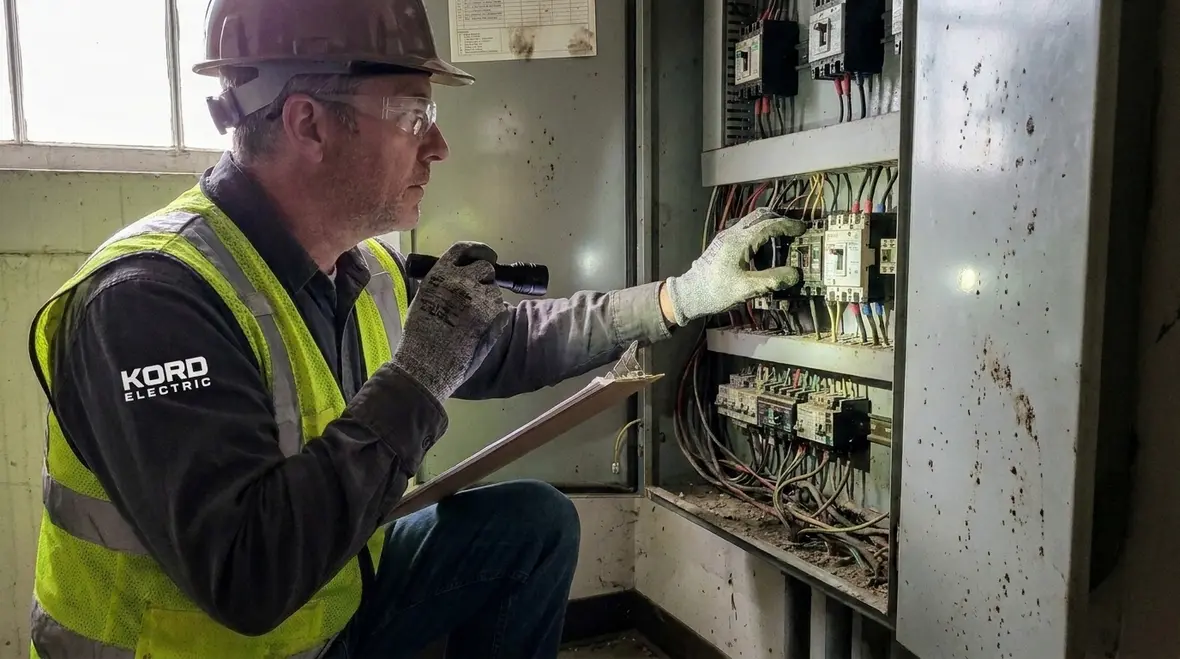
How we reduce risk before problems start
Safety compliance works best when it becomes routine. So we build a plan around prevention, not reaction. First, we perform field assessments that identify risks early. Next, we prioritize work by hazard and operational impact, because shutting down a production line is not always the easiest option.
We also support standardized practices that reduce inconsistency across shifts and contractors. For example, we promote safe panel access and disciplined labeling. When labels match the actual circuits, workers stop guessing, and guessing is where errors hide. Likewise, we support safe isolation habits for maintenance, including lockout and tagout readiness.
Another area we often address is equipment condition and aging. Commercial and industrial environments experience heat, vibration, and frequent load changes. Over time, terminations can loosen, contacts can wear, and enclosure conditions can degrade. Therefore, we recommend targeted inspections and testing based on the risks present, rather than generic checks that miss what matters.
Then, we help your team implement corrections and verify that the fixes hold. Our technicians explain what they found, what it means, and what to do next. We keep the explanations practical, because compliance fails when people cannot follow the plan. For facilities that want a deeper framework behind this approach, pairing your program with a structured electrical safety audit and risk assessment helps keep both hazards and downtime under control.
Best practices for documentation, labeling, and training
Even the best equipment can become unsafe if people cannot use it correctly. That is why Factory Electrical Safety Compliance: Requirements, Inspections & Best Practices includes communication tools. Our approach emphasizes documentation you can actually maintain and labeling that helps people work safely under time pressure.
We help facilities standardize labeling so circuits, disconnects, and panels stay readable and accurate. We also support maintenance-ready documentation, such as clear panel schedules and updates after modifications. When changes happen and documentation lags behind, you create a future hazard that only shows up during emergencies. Pairing these efforts with strong electrical system documentation best practices keeps your paperwork useful instead of overwhelming.
Training plays a role too. Our expert service staff explains safe procedures in plain language, and we tailor guidance to the tasks your crews perform. For instance, training for routine inspection differs from training for line work, troubleshooting, or equipment replacement. Still, the safety core stays the same: know what energy you are dealing with and isolate it correctly.
We also encourage consistent habits around inspection intervals and response. When a facility tracks issues and closes corrective actions, it strengthens compliance over time. Moreover, it improves uptime because small problems get fixed early, before they grow into failures that interrupt production.
Common compliance pitfalls we see in commercial and industrial sites
Let us be honest. Many facilities try hard, yet they fall into predictable traps. First, some sites rely on “we will update it later.” Later often becomes never, and then labeling and documentation drift away from reality. Next, facilities sometimes treat panel condition as cosmetic. We know from experience that corrosion, damage, and missing parts can turn routine tasks into risk events.
Another pitfall involves inconsistent maintenance practices across crews and contractors. If one team tightens terminations to the right standard and another team does not follow the same approach, outcomes vary. Also, when facilities skip checks like grounding and bonding verification, they may miss early warning signs.
Finally, some buildings lack clear procedures for isolation and safe access. Therefore, workers may improvise during maintenance, and improvisation rarely improves safety. We address these gaps by walking through the exact conditions we find, then offering corrective steps your facility can implement without guesswork.
Dual-column checklist for facility readiness
What we inspect
- Panel access and physical condition
- Circuit protection devices and verification
- Grounding and bonding integrity
- Labeling accuracy and readability
- Disconnects and safe isolation readiness
- Documentation alignment to the field
What your facility gets
- Clear findings and hazard level notes
- Corrective actions prioritized by risk
- Technician explanations your team can use
- Record guidance for inspections
- Support for maintenance consistency
FAQ
Ready to strengthen safety and pass inspections with confidence
If your facility needs a real plan, not vague promises, we are ready. Kord Electric supports commercial and industrial sites with hands on assessments, practical documentation guidance, and clear explanations from our technicians and expert service staff. Then, we help you prioritize corrective actions so you improve safety without disrupting production more than necessary. For multi-site portfolios or larger campuses, our team can also align local work with regional programs such as Los Angeles County commercial electrical services so standards stay consistent across locations.
For facilities that want to go even deeper into Factory Electrical Safety Compliance: Requirements, Inspections & Best Practices, we connect field findings with code expectations, risk assessments, and long term upgrade planning. That means safer day to day work, fewer surprises during audits, and a clearer roadmap when you decide to modernize equipment or expand production lines. Contact us today to schedule a compliance focused visit for your major property building and move from stress to steady control.
If you are planning a broader modernization effort, you can also explore how our structured upgrade process supports safety and uptime by reviewing our guide on building an industrial facility electrical upgrades plan that stays aligned with compliance from the first walk-through to final testing.


