
Industrial Facility Electrical Upgrades Plan
Industrial Facility Electrical Upgrades: what we plan before the first switch flips
When commercial and industrial facilities modernize, industrial facility electrical upgrades cannot be treated like a casual “while we are here” task. At Kord Electric, we step in with a clear plan for systems, safety, and long term reliability, so the facility keeps running while standards move forward. Therefore, our approach starts with understanding how power flows through your plant or major property building, and then we map what must change to modern codes, better protection, and smarter operation. And yes, we know downtime is expensive, so our technicians and expert service staff design upgrades that reduce surprises. In other words, we do the work with calm focus, not guesswork.
What must change in an industrial electrical system for modern standards
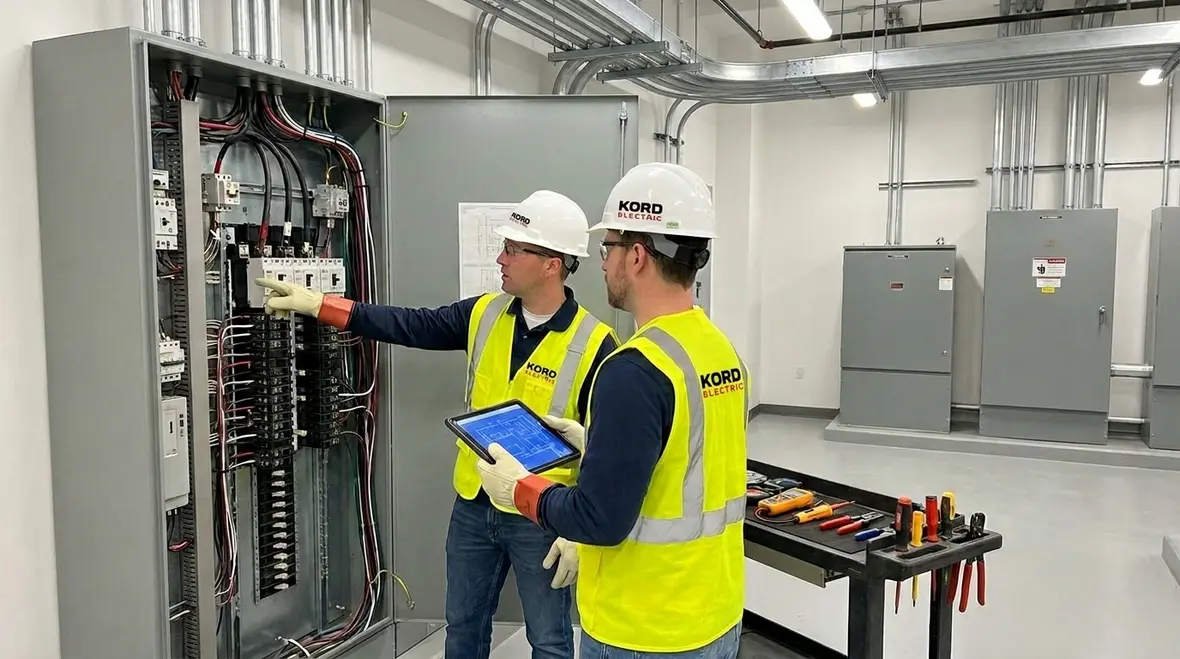
Modern standards typically demand improvements in protection, control, wiring integrity, grounding, and documentation. Consequently, we review the full path from utility service to switchgear, distribution panels, transformers, and final circuits that drive motors, HVAC, lighting, pumps, and process equipment. Then we compare what exists against current requirements and the risks that come with age, heat, and repeated changes over the years.
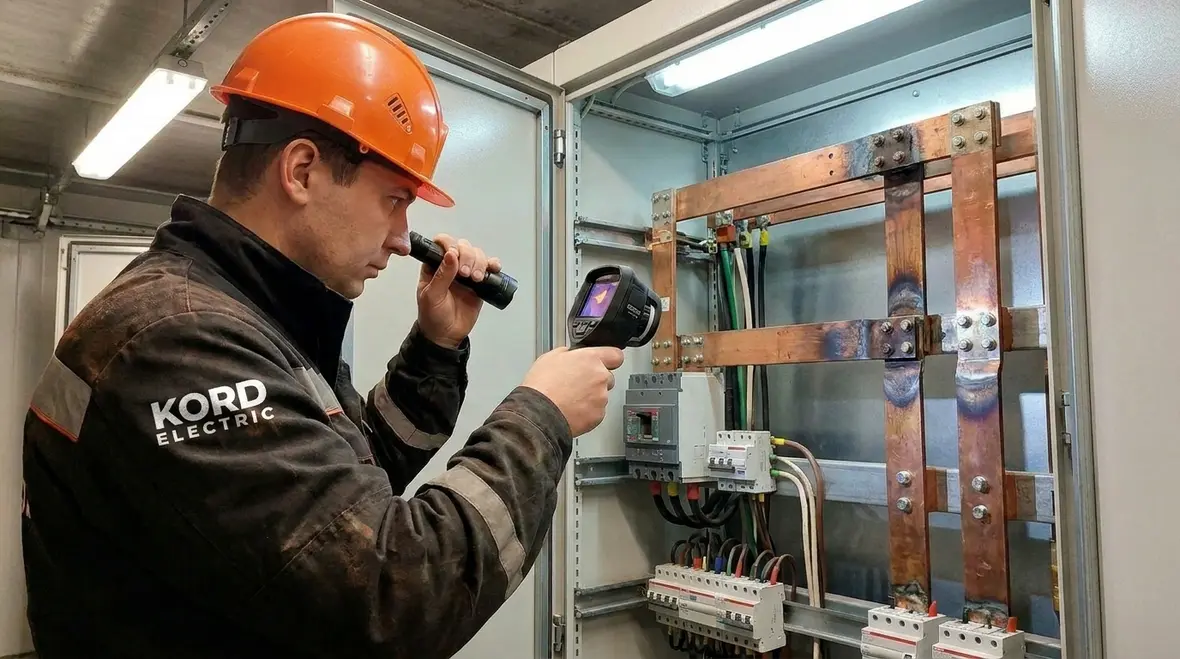
To make this practical, our expert service team explains what we see in plain language. For example, if a bus is discolored from past overloads, we do not just say “replace it.” Instead, we explain why heat damage can lower insulation life, and how that affects fault clearing and long term stability. If that sounds dramatic, it is because it matters. Electrical failures rarely announce themselves with a friendly calendar invite.
Electrical safety planning that protects people and operations
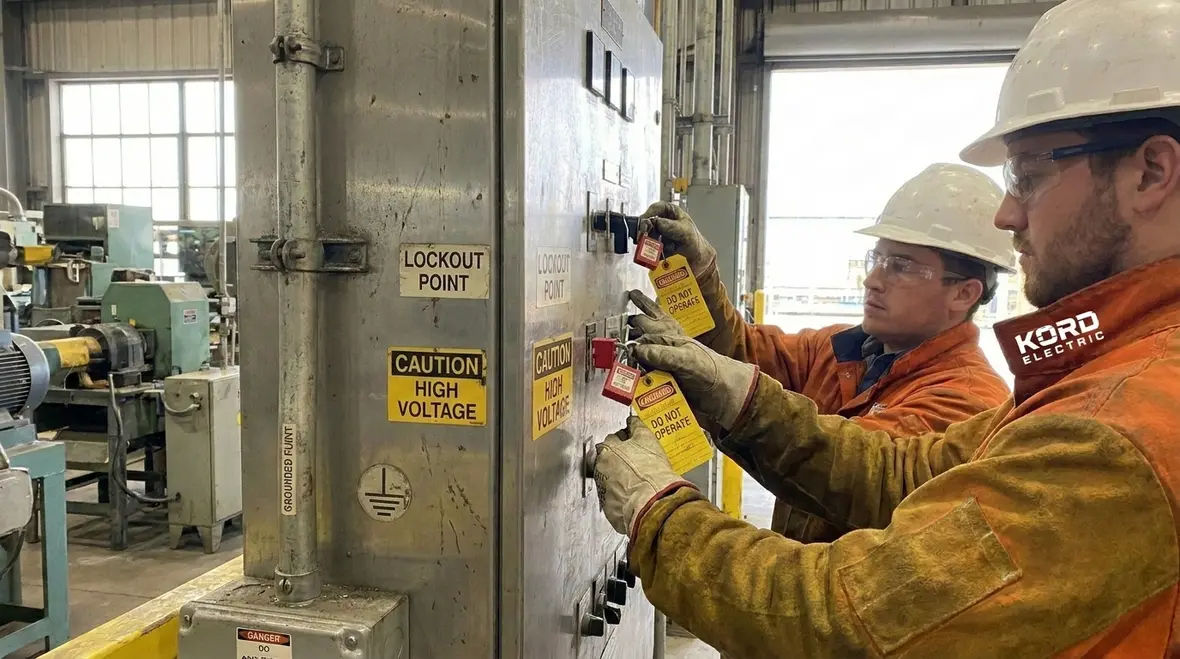
In industrial environments, safety means more than meeting a checklist. It means preventing shock, arc flash events, and unsafe behavior during maintenance. As a result, we focus on labels, access control, proper enclosure practices, and coordinated protective devices. Next, we verify grounding and bonding so fault current returns through intended paths. When those paths are wrong, protective devices can operate late, and hazards rise.
Our technicians also help teams plan safe work boundaries. For example, we often discuss lockout tagout coordination, energized work policies, and what workers should expect during commissioning. Meanwhile, we make sure arc flash study outputs align with equipment labeling and field reality. Then we help operators understand how the facility should behave during testing and staged energization. This is where people feel the difference: the upgrade does not just “happen,” it runs like a controlled process.
Design upgrades around real power needs, not nameplate guesses
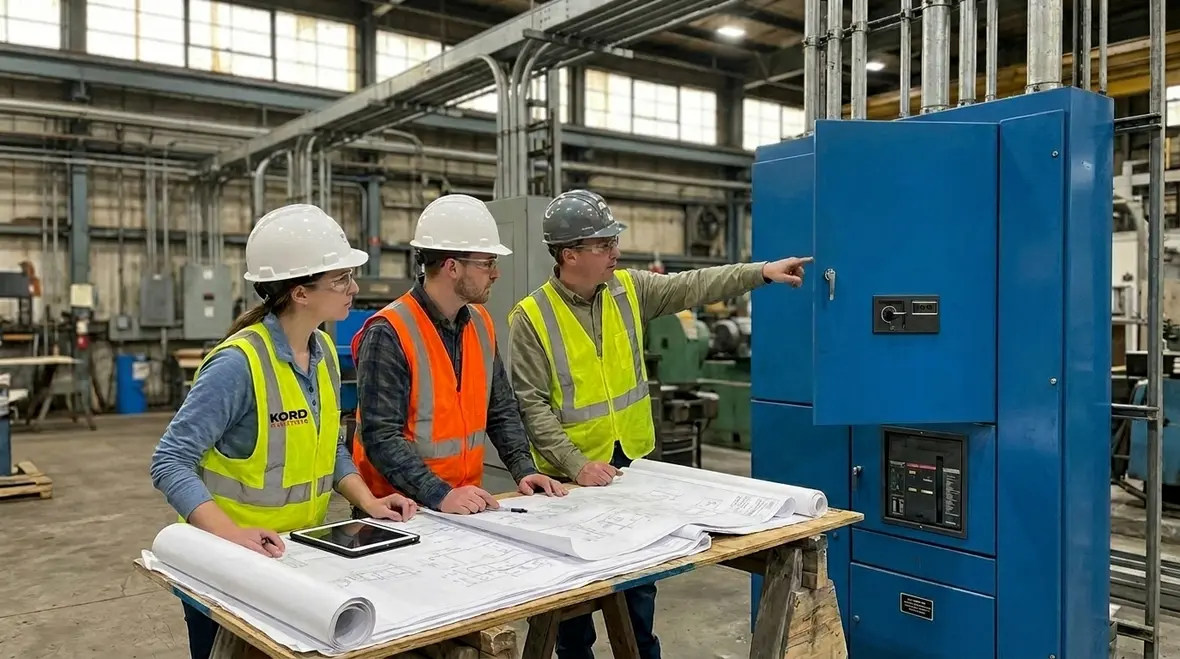
Facilities evolve. New production lines, expanded refrigeration loads, EV charging, higher duty cycles, and updated controls can all shift demand and power quality needs. Therefore, we assess load profiles and starting characteristics for motors and drives, since inrush current and voltage dips can stress equipment even if the total kW looks reasonable. Then we check harmonics and power factor, especially where variable frequency drives and modern electronics exist.
Once we understand the electrical behavior, we design industrial facility electrical upgrades that match it. For example, if harmonics distort the voltage, we may recommend changes to distribution topology or protective device settings. If the facility experiences nuisance trips, we investigate coordination curves and time current behavior, not just “bad luck.” And if the facility needs future capacity, we plan switchgear space, feeder ratings, and transformer reserves so the next expansion does not force another full redo. In short, we plan for the future while handling the present.
For many facilities, these upgrades tie directly into lighting, controls, and reliability across the property. When we align power system capacity with projects such as industrial and commercial lighting installation, long term performance improves across production floors, warehouses, and office support spaces.
Switchgear, feeders, and grounding: the work that usually shows up first
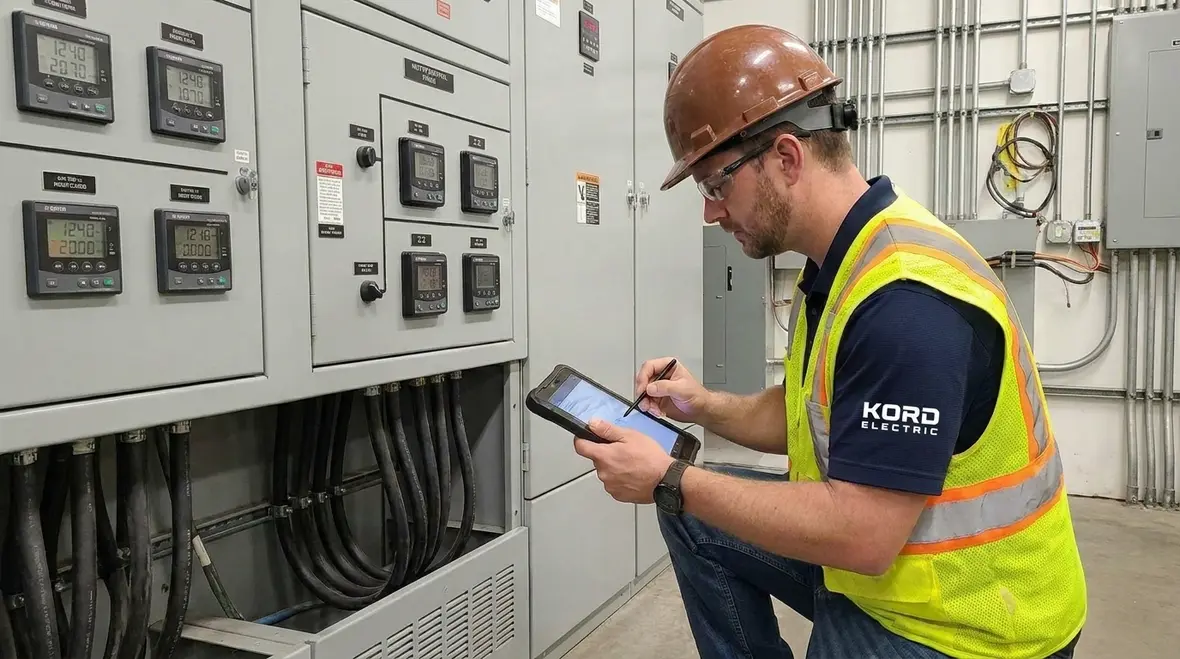
Some parts of an electrical system fail quietly. Others fail loudly. Switchgear and feeders tend to fall into both categories depending on maintenance history. That is why we evaluate insulation condition, termination quality, corrosion, and thermal evidence. Then we inspect protective device condition and verify settings against the intended coordination strategy.
Grounding and bonding receive equal attention. Even if a system “measures acceptable” during an initial test, drift over time can happen due to corrosion, loose connections, or changes in equipment. Accordingly, we verify continuity, inspect connections, and ensure grounding is consistent across panels and structural paths. When grounds are missing or inconsistent, you can see unstable protection behavior and unpredictable fault response.
Our technicians often explain these findings on site because owners and managers should not need an electrical degree to make informed decisions. We will point to the physical evidence, explain the risk in practical terms, and outline a staged plan. If the facility needs upgrades across multiple zones, we sequence work so critical loads stay protected. Think of it like renovating a restaurant while keeping the kitchen open, only with fewer jokes about the lights flickering.
How we manage upgrades with minimal downtime and clear communication
Commercial and industrial buildings live on schedules. Production shifts, delivery windows, and life safety systems do not pause just because a contractor needs one “quick outage.” Therefore, we manage upgrades with staging, temporary power planning where needed, and careful coordination with your operations team. We also follow a step by step energization approach so that each segment performs as designed before the next step begins.
In addition, we emphasize documentation. That means updated single line diagrams, labeling that matches the field, and test reports that your team can use for future maintenance. Transitioning from older wiring practices to modern configurations becomes easier when your staff receives clear “what changed and why” records. Then, during commissioning, our expert service staff walks through results and verifies that devices and controls respond properly under normal conditions.
And yes, we schedule communication like it matters, because it does. When a client calls and asks, “What is the plan for Tuesday at 2 p.m.?” we do not answer with vibes. We answer with a specific sequence, roles, and expected outcomes.
Common upgrade mistakes we prevent on major properties
Even well funded projects can stumble if teams treat electrical upgrades as purely equipment swaps. One common mistake is selecting components without matching coordination targets, which can lead to device wear or slow fault clearing. Another is reusing questionable terminations or relying on old cable conditions without inspection. Also, some projects overlook power quality impacts on sensitive controls and drives. In fact, we often find that “it passed the initial test” but not the real operational stress.
To prevent this, we validate assumptions with site data and field verification. Our technicians check that ratings match the load profile, that protection settings align with coordination studies, and that grounding is consistent. We also verify control wiring and interlocks, especially where safety functions and process equipment must operate reliably together. Then, before final close out, we test to confirm performance. This is how we help clients avoid the kind of problem that shows up at the worst time, like a software bug right before a big presentation.
For properties planning major renovations, we often pair these studies with targeted projects such as whole-building commercial rewiring or focused programs like electrical preventive maintenance for commercial and industrial facilities. The result is a roadmap that connects day one upgrades with long term reliability.
FAQ about electrical upgrades for commercial and industrial facilities
Ready for a safer, more reliable electrical system? Call Kord Electric
When a commercial or industrial facility needs modernization, we help you move forward with controlled staging, clear communication, and upgrades built for long term reliability. At Kord Electric, our technicians and expert service staff lead with safety planning, power system validation, and documentation that your team can use. If you want industrial facility electrical upgrades designed around your actual loads and operations, contact us today for an assessment. We will review the system, outline a practical path, and keep your facility running while we improve it.
If your facility is also planning lighting or control improvements, our commercial and industrial lighting installation services integrate seamlessly with electrical distribution upgrades. And to keep critical systems ready in an emergency, we coordinate with full fire protection services for industrial and commercial properties so your power and life safety strategies support each other from day one.
From the first site walk to final testing, our goal is simple: build an electrical system that supports your production, protects your people, and gives you clear documentation for the next decade of decisions.


