When to Schedule Commercial Electrical Panel Safety Upgrades
At Kord Electric, we handle commercial electrical panel safety upgrades for the kinds of places that cannot afford surprises. We are talking warehouses, office towers, retail anchors, schools, medical offices, and other major property buildings where uptime matters and safety is not optional. When these panels age, or when business demands grow, the risk quietly rises. Then one day the breaker won’t reset, the heat smells show up, or the lights flicker like they are auditioning for a drama series. That is why we help facility managers plan the right work at the right time, with technicians who explain each step clearly. In this guide, we walk through when to schedule upgrades, what triggers action, and how you can keep power systems reliable without turning your building into a suspense novel.
Signs Your Building Needs Attention Before a Failure
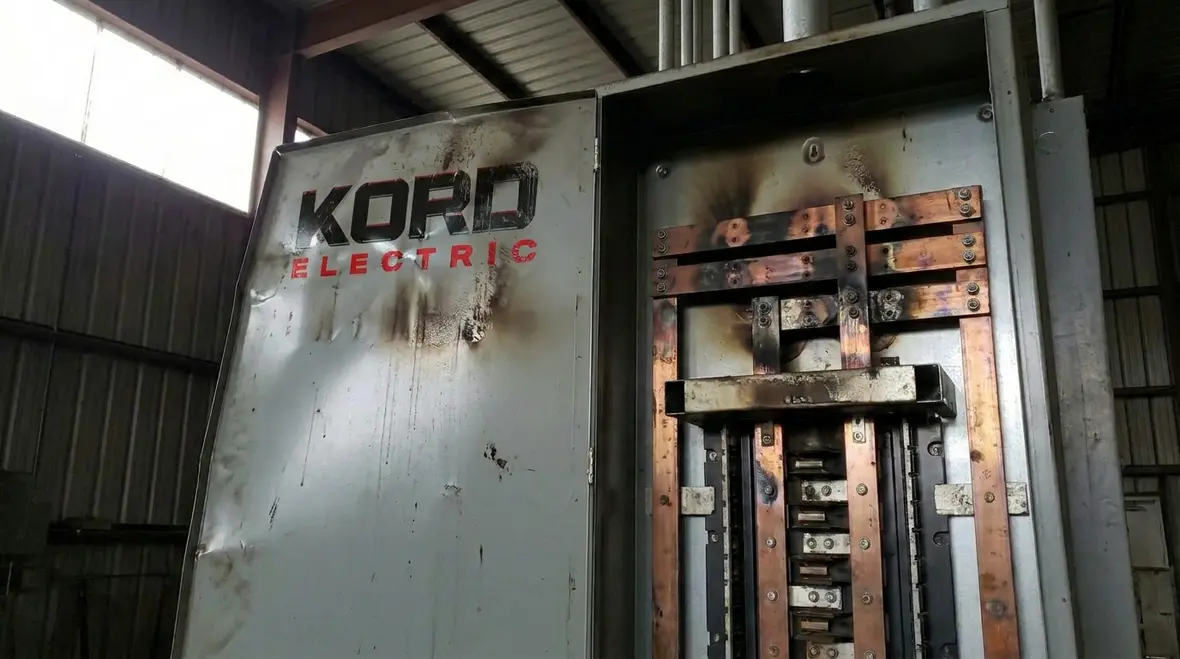
In most commercial settings, electrical issues do not announce themselves. Instead, they build slowly, and then they hit hard. First, facility teams may notice nuisance tripping, overheating sounds, or visible discoloration around panel covers. Additionally, you might see scorch marks on bus bars, loose wire terminations, or a panel that feels unusually warm. Even small changes matter, because a panel that runs hot often indicates resistance, poor connections, or failing components.
Next, we look at operational behavior. When load patterns shift due to new equipment, expanded departments, or additional shifts, the existing panel can become stressed. For example, a building that adds HVAC units, EV charging, industrial machinery, or backup systems usually changes the electrical reality. Therefore, if the load grows faster than the panel can safely handle, commercial electrical panel safety upgrades become a practical timeline, not a luxury.
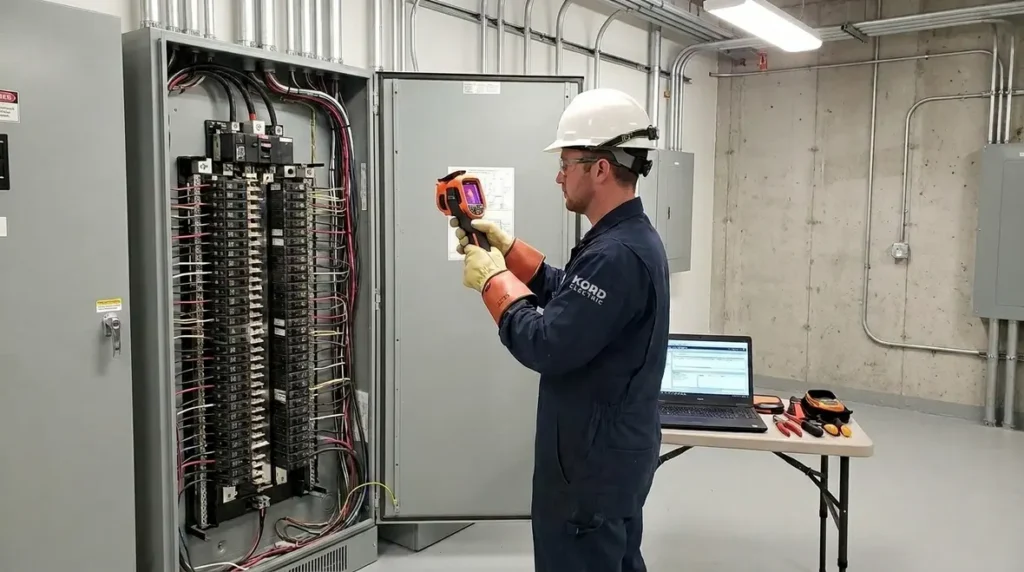
Finally, we watch for documentation gaps. If the last inspection was years ago, or if maintenance records do not include torque checks, infrared scans, or component replacement, risk tends to stay invisible. It is like driving without looking at the dashboard, then acting surprised when the engine light comes on. We prefer to catch the problem while it is still boring and manageable.
Commercial Compliance Deadlines and Facility Risk
Commercial and industrial facilities often face compliance expectations through electrical codes, insurance requirements, and internal risk plans. Even when a building meets minimum standards today, requirements can tighten as new work happens or as authorities review systems. For that reason, we recommend scheduling upgrades around inspection cycles, permitting events, and any planned construction or tenant improvements.
Meanwhile, insurers and corporate safety teams often want proof of proactive maintenance. If you can show recent testing, documented findings, and corrective actions, you reduce both risk and headaches. We also support property managers with clear reporting, so stakeholders do not have to decipher a report written in secret engineer language. Our technicians explain what they found, why it matters, and what comes next, so decisions feel grounded instead of rushed.
So, when should you plan? Typically, you schedule upgrades before major projects, before occupancy changes, or when inspections reveal degraded components. In practice, the best window is when you can coordinate access, set safe shutdown windows, and keep operations steady. Nobody wants a building-wide outage because the calendar was ignored. We help you avoid that kind of chaos.
How Age, Load, and Past Repairs Change the Upgrade Timeline
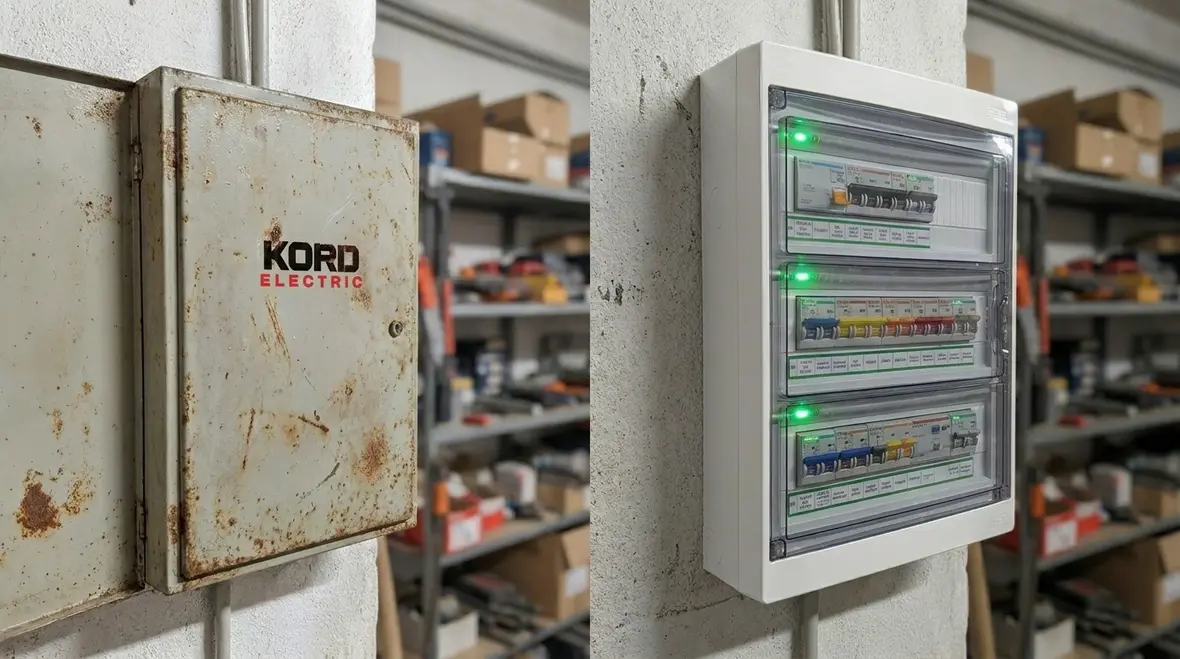
Age alone does not tell the whole story, yet it matters. Panels can degrade due to heat cycling, moisture exposure, dust, and vibration. Over time, connections loosen, insulation ages, and components become less reliable. Additionally, older panels sometimes use parts that no longer align with modern safety expectations or current load needs.
Next comes load behavior. If a facility runs near the same capacity day after day, the panel and associated breakers live at a higher stress level. That heat can slowly erode performance. Then the risk multiplies when equipment starts drawing higher current, such as after a lighting retrofit, production line upgrades, or adding refrigeration and compressors.
Furthermore, past repairs can shift the timeline. If technicians previously patched a problem with temporary components or used improper torque during rework, the panel may appear fine but perform poorly later. Therefore, we treat history as a clue. Our team reviews maintenance logs and inspection results, and we assess whether earlier fixes addressed the real cause.
In short, when a panel is old, heavily loaded, and has a maintenance history full of “we’ll watch it,” the safe move is to schedule upgrades sooner rather than later. We keep the process steady, and our experts explain the reasoning so you can plan budgets with confidence.
When Upgrades Should Happen Around Renovations and Tenant Buildouts
Commercial electrical systems must grow with the building. Whenever someone plans a tenant improvement, a new build, or a remodel, the electrical panel should be part of the conversation early. That is because renovations often bring new loads like lighting upgrades, IT rooms, kitchen equipment, charging stations, and specialized equipment that changes how power flows.
To prevent costly rework, we recommend an electrical review at the planning stage. That means before walls close, before wiring routes get locked in, and before schedules tighten like a zip tie. When we do this early, we can confirm whether the panel has capacity, whether bus bars need inspection, and whether breakers still match the system’s safety design.
Moreover, tenant buildouts often involve separate scopes. One contractor handles mechanical, another handles lighting, and another handles power distribution. Without coordination, the panel ends up absorbing everyone’s changes. Our technicians coordinate with project teams, so the building does not end up with mismatched circuits and vague power labels. We also ensure documentation is organized, which helps future inspections and reduces downtime.
If you are expanding your business or changing use within a facility, schedule commercial electrical panel safety upgrades as part of the project plan. This approach keeps compliance smoother, improves reliability, and prevents that classic surprise moment when someone says, “We did not think the panel would matter.” In every building, it matters.

What We Inspect and How Our Technicians Explain the Findings
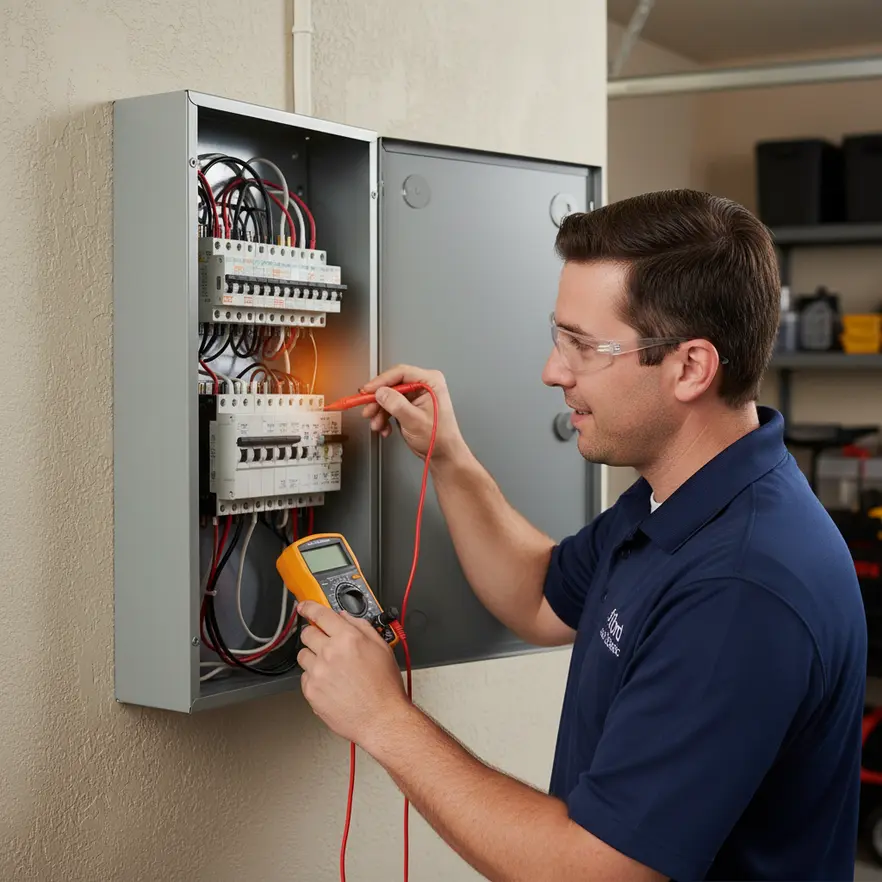
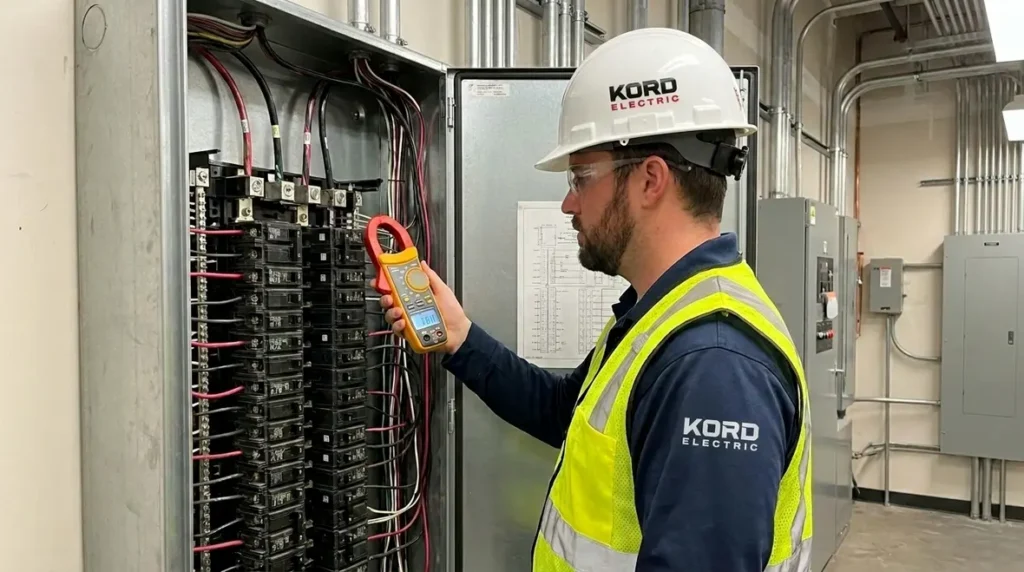
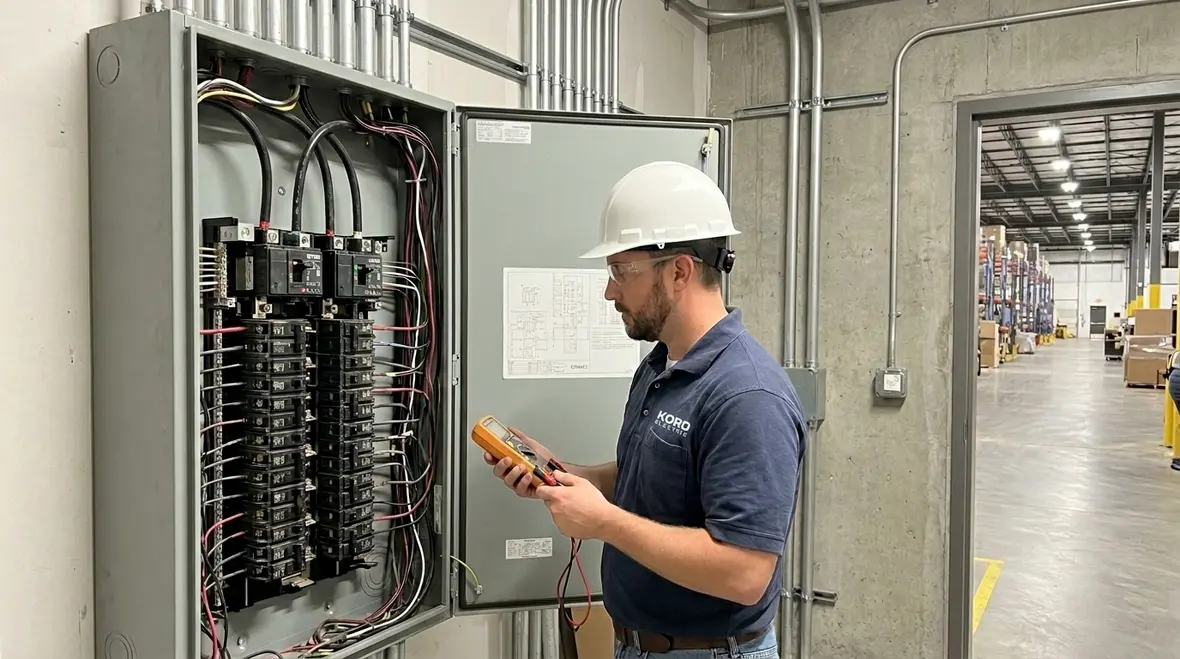
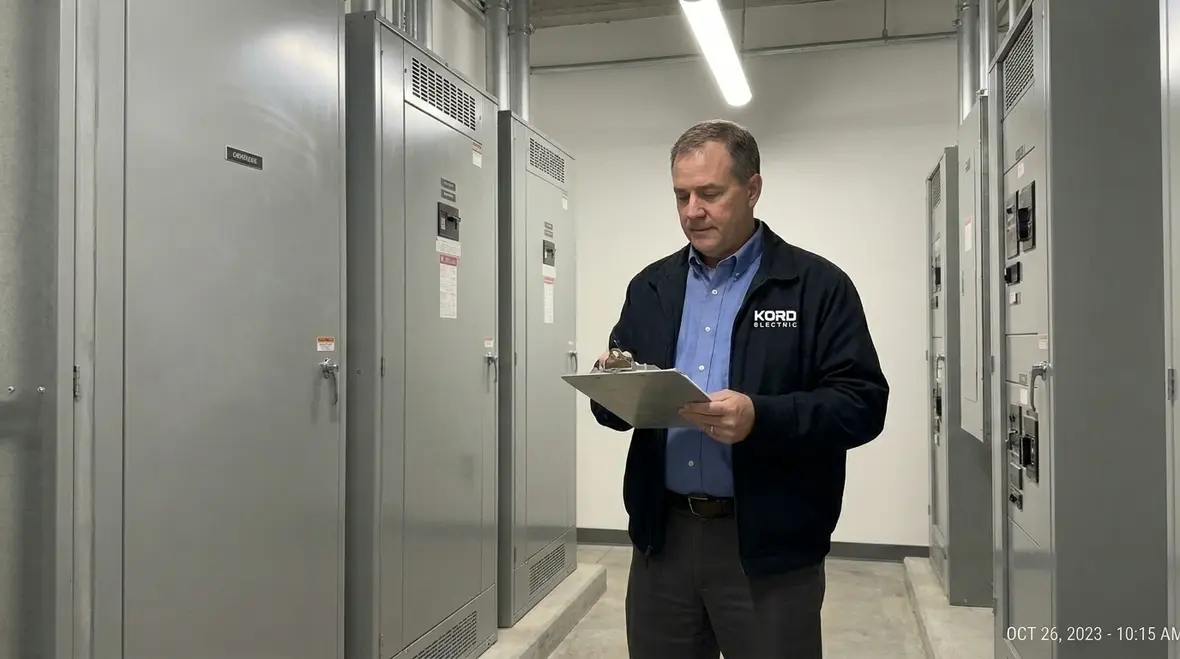
Upgrades should not be a mystery. At Kord Electric, we focus on the details that protect people and equipment. First, we inspect panel condition, including signs of heat damage, corrosion, moisture intrusion, and physical wear. Then we evaluate terminations and breaker condition, because loose connections create resistance and heat. We also check labels and circuit organization to ensure the panel communicates clearly to the people who maintain it.
Next, we look at operational safety. We assess grounding and bonding elements, verify that protective devices work as intended, and confirm that the system design aligns with current usage. We may recommend additional steps when we find gaps, such as correcting bonding paths or improving labeling and access around the panel.
After the assessment, our technicians explain findings in plain language. We walk through what needs attention, what can wait, and what safety risk we see. Because facility teams often operate under tight timelines, we help them understand priority. In other words, we do not just hand over a list and disappear. We stick around to make sure decisions are clear.
Throughout the process, we plan work to reduce disruption for commercial and industrial facilities. That means we coordinate scheduling, confirm shutdown windows, and keep safety procedures tight. We treat the upgrade like a business operation, not a random electrical errand.
Safety Upgrades and Downtime Planning for Operational Continuity
Scheduling electrical work for a major property building requires planning, not luck. If you shut down power without a plan, you can disrupt operations, lose production, and strain tenant relationships. Therefore, we help you design a downtime approach that fits your facility needs.
First, we recommend a phased schedule when possible. That means addressing the most critical safety items before tackling less urgent work. Meanwhile, we plan for access to the equipment and verify that the correct materials and parts are ready. This keeps the job moving and reduces the “waiting for parts” rhythm that everyone hates.
Next, we coordinate communication. We help property teams set expectations for affected areas, such as partial shutdowns or temporary power limitations. Additionally, we document what gets changed, so future maintenance teams understand the system’s current configuration.
Finally, we align the upgrade timeline with business realities. If your facility runs extended hours, we can schedule work around less disruptive windows. We also advise on temporary protective measures when shutdown is required. With our service staff, you get not only skilled technicians, but also calm, clear guidance that reduces stress for your team.
If your facility is already seeing electrical issues like unstable power or nuisance trips, you may benefit from pairing commercial electrical panel safety upgrades with a broader diagnostic review. For example, facilities experiencing inconsistent power can reference our voltage stability insights in Voltage Fluctuations in Commercial & Industrial Facilities for a deeper look at how aging distribution equipment affects day-to-day operations.
FAQ: Commercial Panel Upgrade Scheduling
Schedule with Kord Electric Before Risk Becomes a Real Problem
If your facility runs critical equipment, your electrical panels deserve a plan, not a guess. We at Kord Electric help commercial and industrial property teams schedule commercial electrical panel safety upgrades based on inspections, load changes, and renovation timelines. Our technicians explain what they find, what needs action, and how we keep downtime controlled. Then we handle the work with a steady process that respects your operations. Call us today to review your panel and build a safe upgrade timeline you can trust.
If you are also reviewing your broader maintenance strategy, explore how our Electrical Preventive Maintenance services support long-term reliability for commercial and industrial properties. Coordinating preventive maintenance with panel upgrades helps you stay ahead of issues, streamline inspections, and keep your building running without unpleasant electrical surprises.
For property teams managing multiple sites and systems, pairing panel upgrades with coordinated maintenance and safety planning can reduce unplanned outages dramatically. When your facilities also require life safety systems, a dedicated fire protection partner such as Kord Fire’s Full Fire Protection Services can complement electrical upgrades with sprinkler, alarm, and extinguisher coverage, keeping your buildings safer and inspection-ready on both the power and fire protection sides.