Electrical Safety Audits and Risk Assessment
Electrical Safety Audits Start With a Plan for Risk
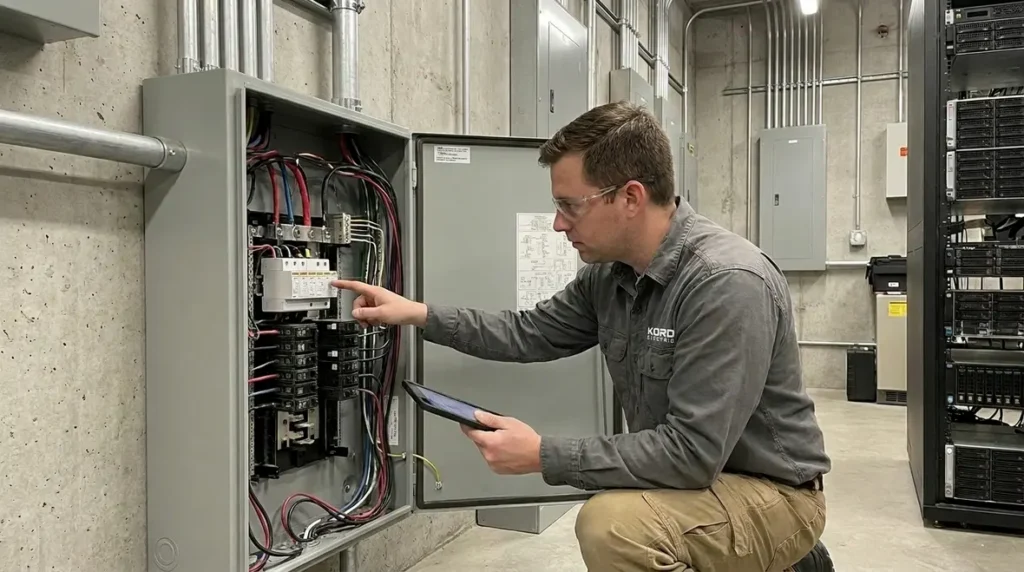
At Kord Electric, we begin every project with an electrical risk assessment for manufacturing facilities that is clear, practical, and built for real site conditions. In the first 100 to 150 words, we say it plainly because safety should never hide behind vague language. Our approach helps owners and managers see where electrical hazards sit today, and how they can change if schedules, loads, or equipment shift tomorrow. Then we turn that view into action through proactive electrical safety audits in industrial zones. And yes, we do this with our team on the ground, not from a desk far away. Because nothing says “we care” like showing up, opening the panel, and doing the work.
To keep things calm and controlled, we structure the audit like a movie with a steady pace: you get the plot, the stakes, and then the plan. Meanwhile, our technicians explain findings in plain terms so others can act quickly. If you have ever wondered why maintenance teams get nervous near live gear, we get it. We also help reduce that nervous energy by making risk visible before it becomes a headline.
What We Check in Industrial Electrical Safety Audits
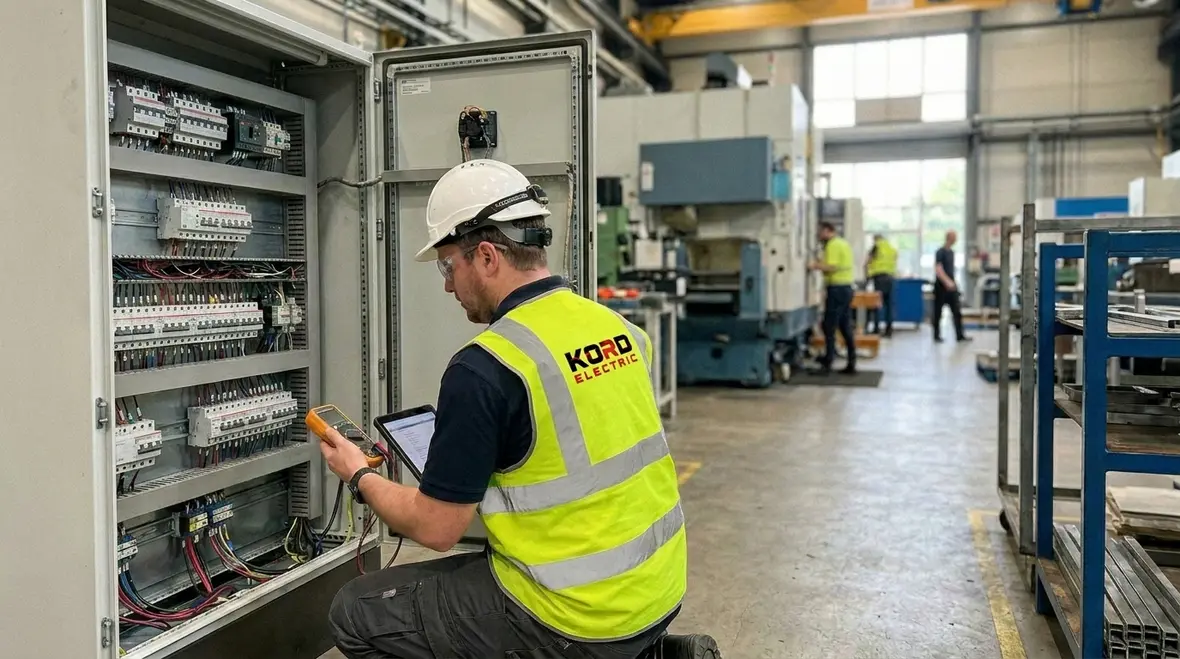
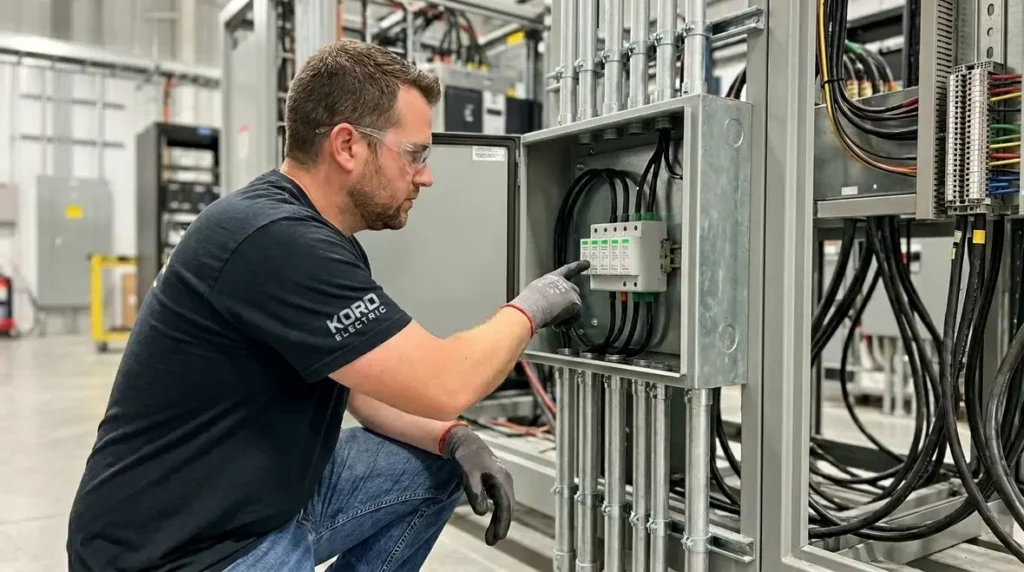
Our electrical safety audits focus on areas that tend to grow problem states over time. First, we evaluate distribution systems, including switchgear, panelboards, bus bars, and feeders. Then we review protection devices such as breakers, fuses, and protective relays, since these components are the last line between a fault and a fire. After that, we confirm proper grounding and bonding, because without stable paths for fault current, the entire system becomes unpredictable.
Next, we verify cable and conductor conditions, including insulation health, terminations, and signs of overheating. We look at connectors, lugs, and splices, since small issues at terminations often turn into big downtime. Also, we review labeling and documentation. In industrial settings, confusion is a hazard, too. If someone cannot identify circuits fast during an emergency, response time suffers.
Finally, we confirm that electrical work practices match the plan. For example, we look for safe lockout tagout readiness, barrier placement, and access control. When our expert service staff explains these items, they do it with a “what this means for your operation” mindset, not a “paperwork for paperwork” mindset.

How an Electrical Risk Assessment for Manufacturing Facilities Gets Done
We treat the electrical risk assessment for manufacturing facilities as a living tool, not a one time report that collects dust. To start, our team walks the site and maps electrical zones to real operating areas. Then we identify hazards linked to the current layout, equipment types, and workflow patterns. After that, we check how power flows during normal operation and during start up, shutdown, and process changes.
When we evaluate risk, we do not guess. We collect observations, compare them to safe practice expectations, and then prioritize findings by impact and likelihood. In other words, we help teams focus on what can fail first, and what could stop production. That matters, because most industrial facilities do not need every improvement at once. They need the right improvements, in the right order.
From there, we produce clear next steps. And instead of leaving people with vague notes, our technicians explain why each item matters. They connect the dots between safety and uptime. That is our style. It is steady, direct, and it respects the fact that facility managers carry a lot on their shoulders. We are calm, but we do not play games with electrical risk.

Managing Risks in Industrial Zones With Targeted Actions
Industrial zones often include harsh conditions like vibration, moisture, dust, and temperature swings. Because of that, we align fixes to the environment. For example, when we see aging terminations or signs of thermal stress, we plan targeted corrections, not broad “replace everything” decisions. We recommend specific actions based on what the system shows today, and what it will face as the facility runs harder.
We also pay attention to segregation. Hazardous zones need proper separation of circuits and equipment. When power and control wiring are not handled correctly, nuisance trips and unsafe conditions can follow. Therefore, we review routing, enclosure integrity, and protective measures. Also, we confirm that any recent upgrades did not create new gaps, because industrial zones change fast. One new machine and suddenly the “same old” electrical setup is no longer the same.
To keep this smooth, our expert service staff coordinates with facility teams. They schedule work in a way that supports operations. And when we need the area cleared briefly, we communicate early so teams can plan. Safety should protect people and keep output steady, not turn the plant into a circus.

EV Charging, Power Loads, and Why Audits Protect Expansion Plans
When a facility adds EV charging, it adds load, and it adds planning pressure. So, we help commercial and industrial sites handle EV power additions without surprises. Kord Electric supports EV charger installation, and we use site insights from our safety and risk work to guide decisions. For example, we confirm capacity, evaluate panel or feeder readiness, and check whether the existing protective strategy can support the new system safely.
In many projects, the best time to think about electrical risk is before power is pulled. That means we look at available capacity and how the load will grow with future use. Then we align installation details with safe practice. If someone installs chargers without checking the full system story, the facility might face service interruptions. And nobody wants that story arc, especially when the goal is growth.
Our technicians explain how charging impacts the electrical risk assessment for manufacturing facilities style thinking even when the chargers serve a different purpose. They break it down into practical steps so other teams can understand what changed and why it matters. Think of it like reading the script before opening the stage curtains.
What Our Technicians Deliver After the Site Visit
After our team completes the walk through and checks, we deliver results in a way that helps decisions move fast. First, we summarize critical hazards that require prompt attention. Then we group improvements by effort and urgency, so maintenance and electrical teams can plan work without chaos.
We also provide details on corrective actions. This includes what needs to be repaired, tightened, replaced, or documented. In addition, we offer guidance on how to prevent repeat failures. That can mean better labeling practices, improved access control, or upgraded protection settings where appropriate. Also, we highlight where safe maintenance planning will reduce risk over time.
Our technicians do more than point out problems. They explain the “why.” For example, they will show how a specific connection issue can lead to heat buildup, and how heat can damage surrounding components. Then they connect the outcome to operational impact. When people understand the cause, the fix gets faster buy in.
For commercial and industrial facilities and major property buildings, we keep the deliverables aligned to real constraints. Busy sites need schedules, clear priorities, and work descriptions that help contractors execute efficiently. When long term reliability is the goal, pairing these findings with structured electrical preventive maintenance keeps risk under control while systems keep running.
Frequently Asked Questions for Electrical Safety Audits
Conclusion: Let Kord Electric Reduce Electrical Risk Before It Grows
Safety does not happen by accident, and electrical problems rarely stay small. Kord Electric helps commercial and industrial facilities strengthen site readiness through proactive electrical safety audits in industrial zones and a structured electrical risk assessment for manufacturing facilities. Our technicians explain findings clearly, prioritize actions that protect people and uptime, and support expansion decisions, including EV charger installation. If you want fewer surprises and a safer electrical environment, contact us today for a site audit and a plan you can act on. And when you are ready to extend that protection into ongoing care, our dedicated electrical preventive maintenance services keep your systems steady long after the initial assessment is complete.