Preventative Maintenance vs Reactive Repairs
In the real world, downtime has a way of showing up uninvited. We all plan for budgets, staffing, and deliveries, but we do not plan for electrical surprises. That is why preventative maintenance vs reactive electrical repairs should guide how business owners protect their power systems. When we ignore early warning signs, we pay later in the form of failed equipment, unsafe conditions, and costly emergency callouts. On the other hand, proactive service helps systems stay stable, so operations keep running like they mean it.
At Kord Electric, our approach is calm, thorough, and built for commercial and industrial facilities and major property buildings. Our technicians and expert service staff do not just “fix what broke.” Instead, we help facilities prevent the kind of issues that turn a normal workday into a frantic, last minute scramble. And yes, we get it, nobody wants extra work. Yet preventative work is far easier than emergency work, and the invoices usually agree.
Now let us get into why preventative maintenance beats reactive repairs, and how a well run plan protects both people and profits.
The true cost of ignoring electrical systems in commercial buildings

Most facility managers notice electrical issues only after something fails. However, electrical problems rarely start with fireworks. They often begin quietly as heat, vibration, discoloration, nuisance tripping, or subtle voltage drops that look “within tolerance” until they do not.
When a company waits for breakdowns, the costs pile up. First, there is direct repair time, including emergency diagnostics, replacement parts, and labor at after hours rates. Then there is indirect cost: equipment down time, lost production, spoiled inventory, delayed services, and overtime for staff who are suddenly asked to play electrician. Finally, there is risk. Electrical failures can harm people and damage property, and those outcomes do not stay inside the electrical room.
To keep it simple, reactive electrical repairs often feel like a quick fix, but they tend to repeat because the real cause stays untreated. Meanwhile, proactive service targets the root conditions behind the failures. As our technicians explain on every site visit, a stable system is not luck. It is planned care, measured performance, and early correction.
How preventative maintenance catches trouble before it becomes a headline
Proactive electrical care works because it focuses on patterns. Instead of reacting to the event, we track what leads to the event. For example, preventive programs help identify degrading insulation, loose connections, overloaded circuits, and aging switchgear components. These issues may still operate, but they carry hidden stress. Over time, that stress converts into arcing, faults, or complete shutdown.
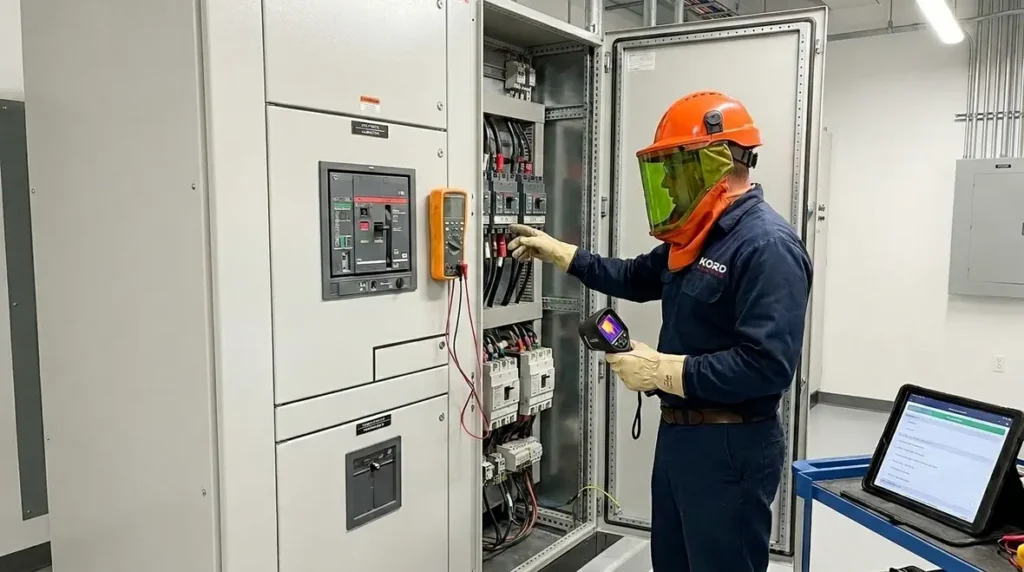
Our expert service staff typically approaches maintenance like a steady checkup, not a frantic firefight. We verify conditions, inspect key components, and measure performance where it matters. Then we document findings in plain language so facility teams can make decisions with confidence. And when we explain the work, we do it in a way that makes sense to the people running the building, not only the people wiring it.
So, preventative maintenance vs reactive electrical repairs becomes more than a slogan. It becomes a workflow that reduces surprises. In short, it helps you catch electrical stress early, before it escalates into a failure that interrupts operations.
If you want to see how this plays out over time in real facilities, you can explore how structured programs work on our Electrical Preventive Maintenance page, where we break down the process, reporting, and long term reliability benefits.
Where failures usually start: switchgear, panels, and motor circuits
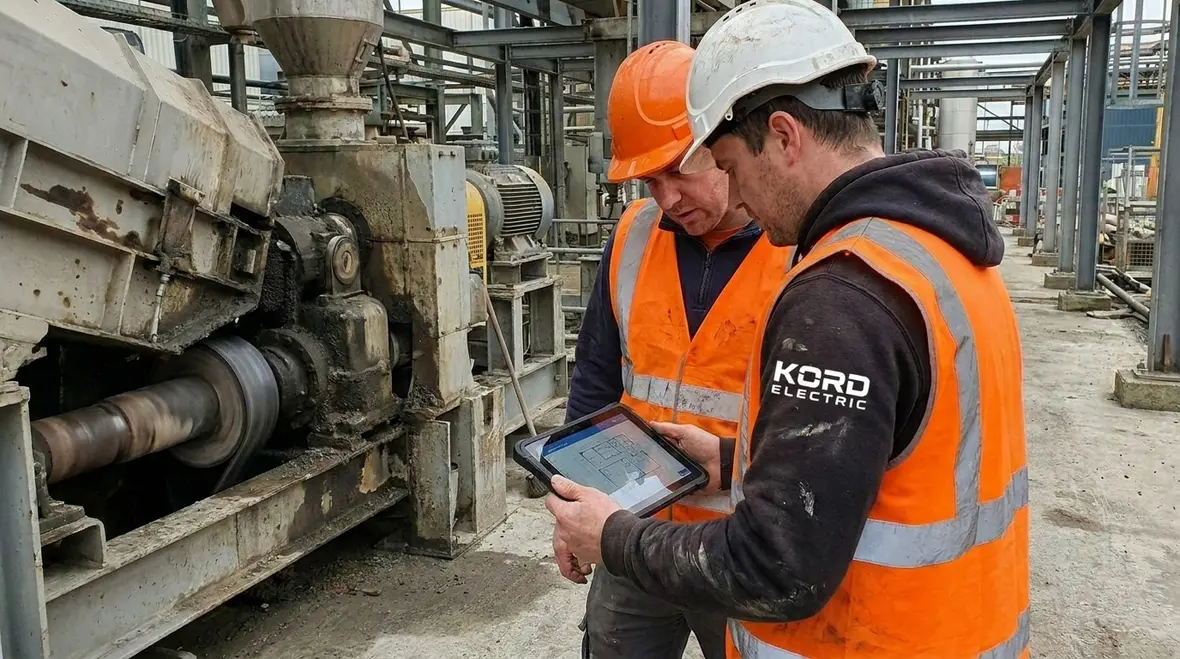
Electrical problems in commercial and industrial facilities often begin in predictable places. That is good news, because predictability means prevention can work. Switchgear and distribution equipment take the lead here. When connections loosen or bus bars heat up, the system can still “work” while damage grows. Then, one day, the failure becomes urgent, and the site becomes a staging area for parts and troubleshooting.
Motor circuits and associated controls also show up in real life trouble. Motors drive pumps, compressors, fans, conveyors, and many critical process loads. As motor starters and control components age, they can cause nuisance faults, overheating, and inconsistent performance. If a facility ignores those early signs, it often ends up replacing components sooner than needed, and sometimes at a higher cost due to emergency procurement.
Panel boards and terminations deserve attention too. Small issues at terminations can create hot spots. Hot spots can lead to insulation breakdown, increased resistance, and, eventually, faults. That means preventative electrical inspections are not busy work. They protect critical loads and keep downtime from chewing through your schedule.
Our technicians look for these patterns during planned service visits. Because we work with commercial and industrial sites, we understand the operational pressure. We schedule work with minimal disruption, and we communicate what matters, when it matters.
Maintenance planning that fits real operations, not perfect schedules

Many facility teams want preventative work, but they also run businesses. That is why we build maintenance around actual operations. We coordinate with your team so critical systems stay available as long as they need to. Then we structure tasks by priority, so the highest risk items receive attention first.
For example, we may focus on distribution and protection components, then move into controls, grounding, and load related inspections based on the facility profile. We also consider seasonal load changes. In many buildings, demand swings with temperature, humidity, and production schedules. Those shifts can reveal weak points in electrical systems.
Also, we keep documentation useful. Instead of vague notes, our expert service staff explains findings and impacts. In many cases, we show how an observation connects to risk, like how a pattern of heating can affect reliability. And because we know maintenance teams dislike surprises, we outline what to watch for and what to address next.
Now here is the playful truth: reactive repairs can feel like a “quarterly event,” like a sports rivalry nobody asked for. Preventative maintenance turns that rivalry into a low drama season. You still care, but you stay in control.
What better budgeting looks like with preventative versus emergency work
When electrical work happens during emergencies, it affects budgets in multiple ways. It often triggers rush shipping, after hours labor, and faster replacements that cost more than planned components. Moreover, emergency work can force facilities to make short term decisions without the full context of the system.
In contrast, preventative maintenance vs reactive electrical repairs supports steady budgeting. Planned service lets us order parts ahead of time and schedule labor at normal hours. It also helps teams prioritize work based on risk, not panic. That means the facility avoids paying for the same failure again and again.
We also help clients connect electrical maintenance to business outcomes. If an operation relies on stable power for production, HVAC, refrigeration, elevators, lighting, or specialized equipment, then reliability becomes directly tied to uptime. Our technicians explain this relationship in practical terms, so stakeholders understand why certain preventive steps matter.
And since everyone likes a simple analogy, here it is: emergency electrical repairs are like replacing an entire tire because you ignored a slow leak. Sometimes you can do it cheaper and smarter the first time. Most of the time, you do not even need to think about it, because you already planned.
Safety, compliance, and insurance: prevention keeps the risk low
Electrical issues are not only about downtime. They involve safety and code expectations that matter to commercial and industrial facilities and major property buildings. When electrical equipment degrades, it can create shock hazards, arc flash risks, and fire potential. Even small issues like poor connections can create heat and ignition conditions.
Preventative maintenance supports safer systems by reducing the likelihood of faults and by keeping protection devices in better working order. It also helps maintain proper grounding and ensures that protective pathways still function as intended. Additionally, consistent inspections and documented maintenance provide a stronger story for compliance and safety reviews.
Many insurance and risk management conversations also lean toward evidence. When a facility demonstrates a pattern of inspections and corrective action, it is easier to show responsible stewardship. Our expert service staff helps clients maintain clear records and explain the work in business friendly terms.
So while prevention may not feel glamorous, it is one of the calmest ways to protect people, property, and operating continuity. And in a business, calm beats chaos every time.
Technology and measurements that strengthen preventative maintenance
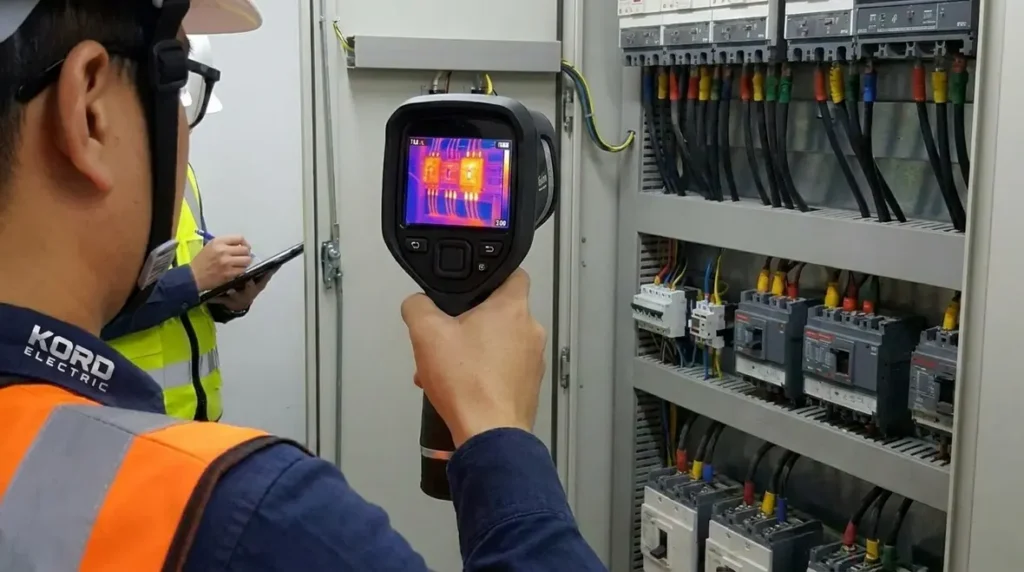
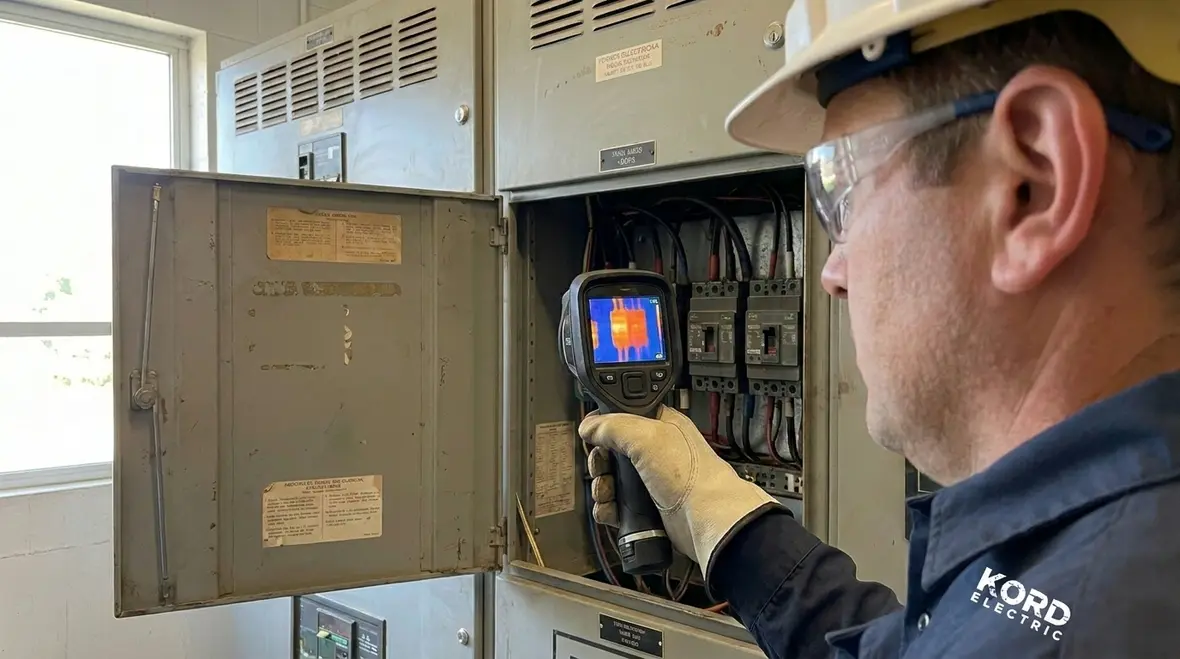
Modern preventative maintenance is more than turning bolts and looking for wear. We use measurements and diagnostic methods to find problems before they become failures. For example, thermal imaging helps detect abnormal heating patterns. Insulation testing can reveal degradation. Proper checks on protective devices can show whether they will operate when needed. Cable and termination inspections help confirm that connections remain secure and stable.
When our technicians add these tools to a planned maintenance routine, they reduce guesswork. Instead of saying, “We think something is wrong,” we can say, “Here is what we measured, here is where it deviates, and here is what it means for reliability.” That is how preventative maintenance vs reactive electrical repairs turns into a measurable system strategy.
We also consider how equipment actually behaves under load. Some problems show up only when the building is running at certain demand levels. Therefore, we align inspections and tests with operational realities, so the data reflects the true conditions the electrical system experiences.
Think of it like sound design for a movie. You do not wait for the explosion scene to adjust the audio. You mix it during production. Prevention is production, and the result is a smoother performance across the year.
FAQ
Quick comparison: planned service vs emergency response
| Planned preventative maintenance | Emergency reactive repairs |
| Scheduled inspections and testing | Unplanned troubleshooting and rush labor |
| Parts ordered ahead of time | Often requires expedited procurement |
| Fixes root causes early | May address symptoms after failure |
| Supports safer, more reliable operations | Higher downtime and operational disruption |
Ready to stop electrical surprises before they start
Kord Electric helps commercial and industrial facilities protect uptime with preventative maintenance plans that catch electrical issues early and keep risk low. Our technicians and expert service staff explain findings clearly, coordinate around your operations, and support safer, more predictable electrical performance. If you are tired of reacting to problems like they are seasonal entertainment, it is time for a better plan. Contact Kord Electric today to discuss your facility needs and build a maintenance approach that actually fits your business.
If you are looking to move from short term fixes to a structured strategy, you can learn more about our dedicated Electrical Preventive Maintenance services, or combine them with other offerings like voltage fluctuation diagnosis and repair or commercial lighting installation to build a complete reliability plan.
For facilities that already know they need a structured, long term plan, our Electrical Preventive Maintenance service page walks through how we evaluate systems, create tailored maintenance schedules, and support compliance for commercial and industrial properties.