Commercial and Industrial Surge Protection Systems
Industrial life moves fast. Machines start, control systems wake up, pumps hum, and lighting follows the schedule like it has a union contract. However, the threats never clock out. When a utility line event, lightning burst, or even a large motor cycle hits the electrical side, sensitive electronics can take damage that no one notices right away. That is why commercial surge protection systems importance matters for our clients at Kord Electric, especially across commercial and industrial facilities and major property buildings.
In this article, our expert service staff and technicians explain, in plain business terms, how industrial surge protection works, why it protects more than “just equipment,” and how a proper plan keeps downtime from turning into expensive surprises.
Why industrial surges hit harder than most people think
Electrical surges are not always dramatic. Sometimes they look like nothing more than a brief spike that only a device with thin insulation or advanced electronics can “feel.” For commercial and industrial facilities, these spikes can travel through power lines and also sneak in through data and control cabling. Then, they can cause micro-failures in components like power supplies, I O modules, variable frequency drives, and building management controllers.
Furthermore, a surge does not have to be a direct strike to cause harm. Utility switching events, generator transfers, capacitor bank operations, and even large HVAC cycling can create fast transient overvoltage. So, the building can stay online while critical parts quietly degrade. Eventually, the system fails at the worst possible moment, often during peak load or after hours when no one is watching. That is the kind of plot twist no facility manager wants, unless they are writing a thriller.

How industrial surge protection actually works
Industrial surge protection does not “prevent electricity.” Instead, it manages energy. In most designs, surge protection devices guide excess voltage away from equipment and then disperse it safely. However, the design matters. A random plug in protector is like putting a paper umbrella in a hurricane. It might feel helpful, but it will not hold up under real stress.
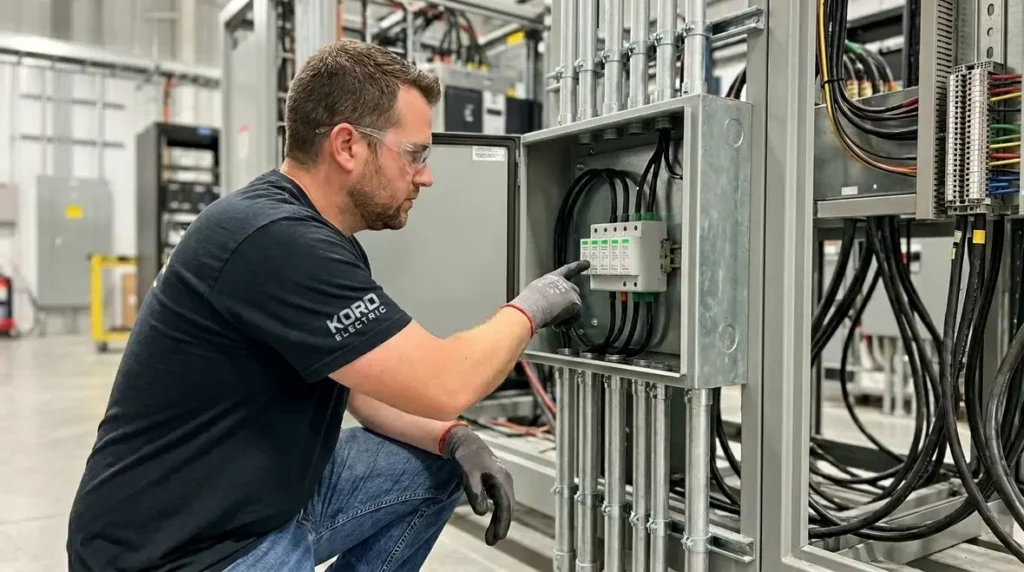
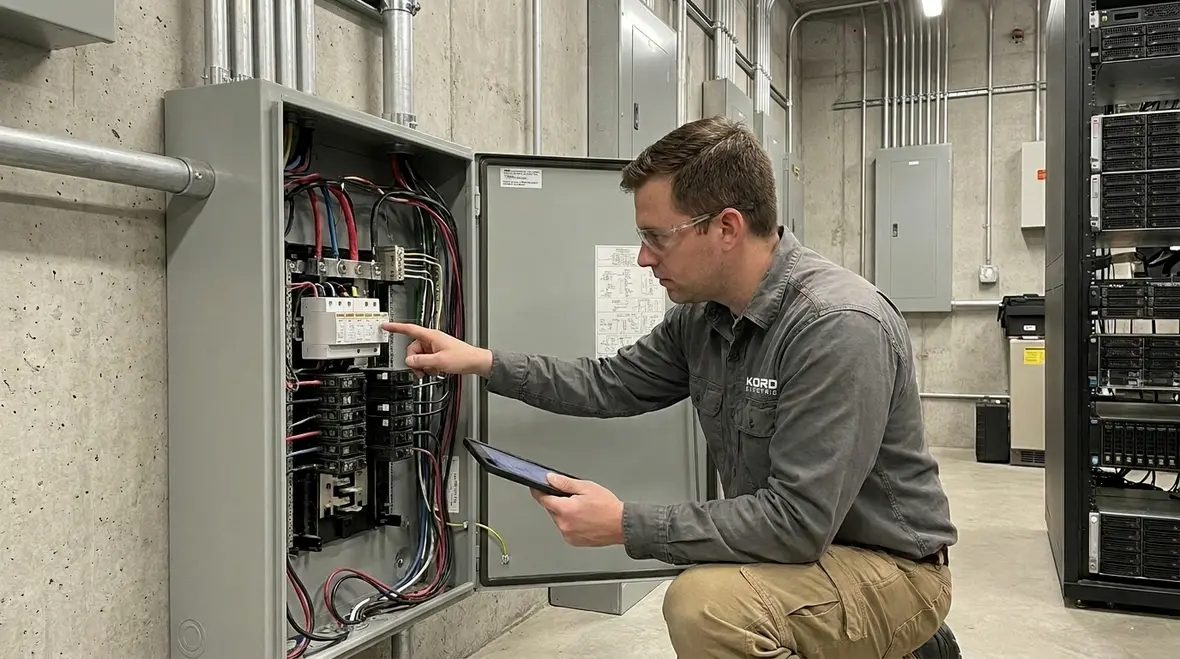
Our technicians look at the full path where surges enter the facility. Typically, that includes incoming service panels, distribution boards, and point of use locations for sensitive loads. Then, they coordinate devices so the system works in layers. When one layer takes the first impact, the next layer reduces what remains before it reaches sensitive equipment.
Additionally, industrial protection often uses components selected for industrial duty cycles and fast response. That means the protection can handle repeated events, not just a one time lightning headline moment. And yes, the data cabling side matters too, because surges love to move across boundaries like rumors in a workplace break room.

Layered protection for electrical panels, controls, and power quality
In a major property building or an industrial site, power distribution is not one simple line. There are feeders, busways, sub panels, and control power circuits that serve different systems. Therefore, layered surge protection helps match the real structure of the electrical system.
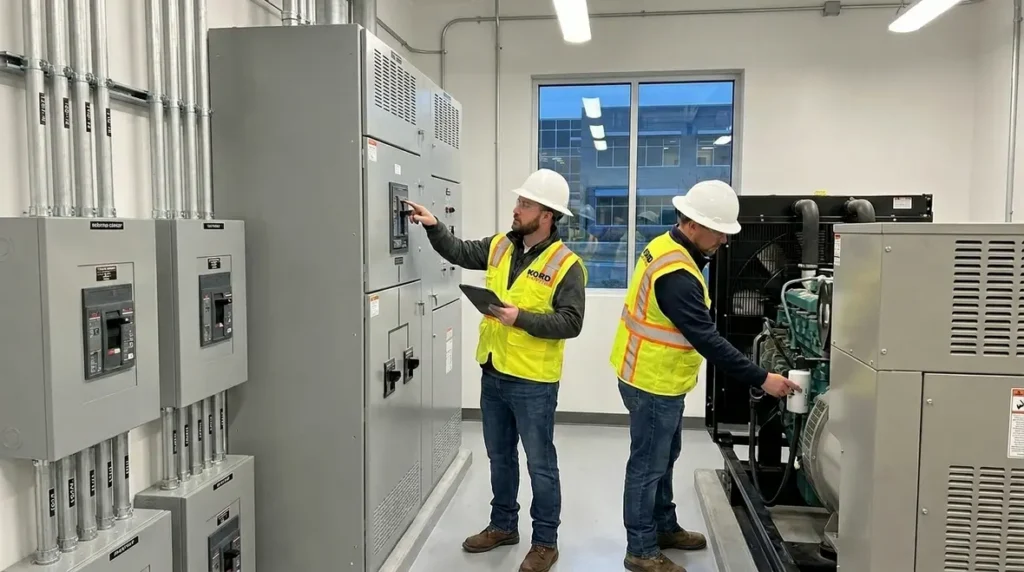
At the service entrance, Kord Electric typically supports protection on the main switchgear and distribution equipment so the highest energy portions get addressed first. Next, protection extends downstream, closer to the loads that cost the most to replace and the longest to restore. This can include control panels for manufacturing equipment, building management systems for large sites, and power distribution for critical areas.
Meanwhile, our technicians also consider the reality of power quality. Surge events often come with brief disturbances that can impact voltage, timing, and signal integrity. So, good protection design supports overall stability and helps reduce nuisance faults that can drain staff time. When a system trips, the repair ticket lands, the schedule shifts, and someone has to play whack a mole with resets. We would rather prevent the mole from ever spawning.
What industrial facilities should include in a protection plan
A strong plan starts before equipment gets installed. If a facility upgrades controls, adds rooftop units, or expands production lines, the electrical design changes. Surges will still follow the same physics, but the weak spots might change.
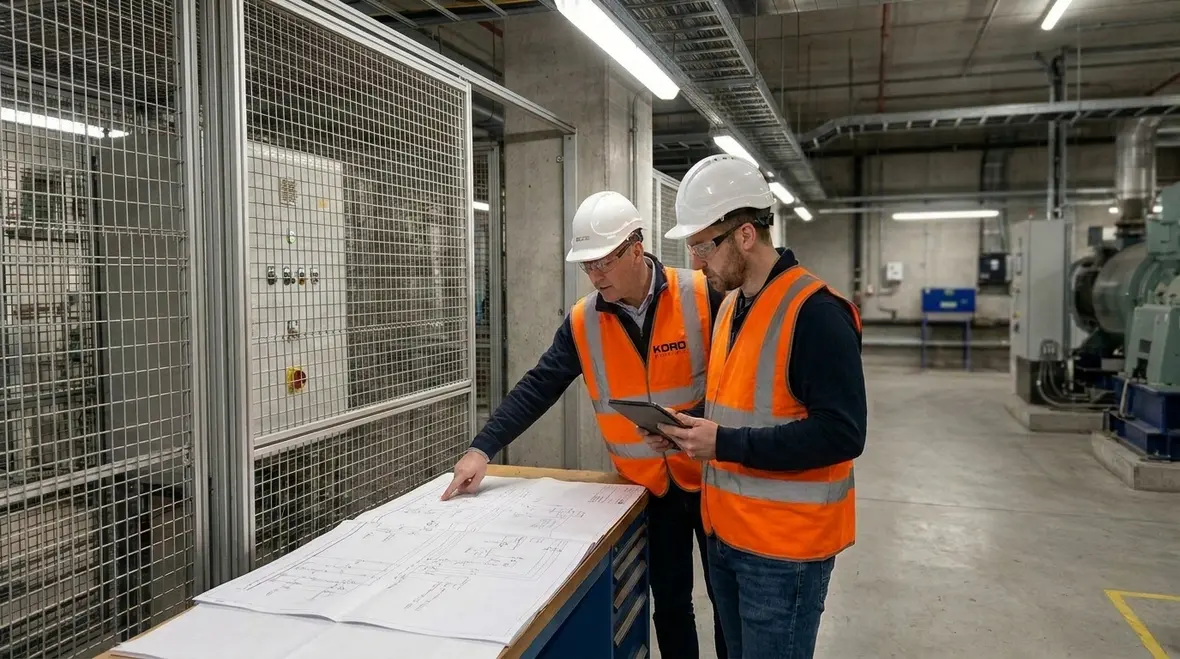
To build the right approach, our expert service staff typically reviews site characteristics, utility conditions, and the actual equipment list. They then define protection points that match those loads. That includes identifying sensitive electronics, understanding separation between power and data paths, and confirming bonding and grounding requirements.
After that, the plan should include testing and documentation. Surge protection devices are not immortal. Over time, repeated events and heat exposure can affect performance. So, periodic inspections support continued readiness and help catch issues before the next major disturbance. Also, if a facility experiences a surge event, proper recordkeeping helps diagnose what happened and whether additional upgrades are needed.
Finally, the plan should consider operational continuity. Facilities rarely shut down just to “feel safer.” We coordinate work so systems can remain stable and critical loads stay protected. If someone tells your team to take a long outage because “it is probably fine,” we politely remind them that “probably” does not balance a budget.
Why service staff and technicians make the difference
Surge protection can fail in two ways. First, the device selection can be wrong. Second, the installation can be wrong. That is why experience matters. Our technicians at Kord Electric focus on the practical details that keep protection effective: correct connection points, proper conductor routing, appropriate cable separation, and coordination with existing distribution equipment.
Because commercial and industrial facilities are built with real constraints, we also handle the on-site realities. There might be limited access, existing conduit patterns, or legacy wiring that does not match modern standards. So, our staff helps design around what exists while improving protection where it counts most.
Moreover, our approach includes communication. We do not just install and disappear like a magician leaving the stage. We explain what we found, what we recommend, and what the protection does in plain language. That is especially helpful for facility teams who must make decisions based on both safety and uptime. We also make it clear that surge protection supports risk reduction, not magical immunity. The goal is fewer disruptions, fewer failures, and less costly downtime.
What Kord Electric typically checks during a surge protection review
- Incoming power distribution and key panels
- Critical loads that contain sensitive electronics
- Control and data pathways that can carry surges
- Bonding and grounding alignment with system needs
- Layer coordination for reliable energy diversion
- Installation practices that protect device effectiveness
What our clients gain from a coordinated approach
- Reduced risk of repeat damage to electronics
- More stable operation during utility disturbances
- Fewer nuisance trips and fewer repair tickets
- Better readiness over time with inspection support
- Clear documentation for maintenance teams
- Service continuity that respects facility schedules
Choosing commercial surge solutions for major property buildings
Major property buildings have unique electrical demands. They often combine multiple tenants, complex life safety systems, high occupancy schedules, and critical building operations like elevators, fire alarm interfaces, and standby systems. Therefore, surge protection needs to fit a broad set of equipment classes.
Additionally, high fault current capacity and complex distribution layouts can make a one size fits all design risky. Instead, we tailor protection locations to match where surges enter and where electronics sit. Then, we ensure the system coordinates with other safety and power requirements.
We also consider the fact that commercial sites rarely stay static. Tenants add equipment. New HVAC controls roll in. Security systems get upgraded. So, our approach encourages protection that can scale with the building. That way, when someone updates the electrical footprint, the facility does not lose protection along with the new equipment.
And yes, while lightning still treats everyone as optional entertainment, a well planned system keeps your building from becoming the main character in a “why is everything down” episode.
For facilities already focused on reliability, pairing surge protection planning with structured electrical preventive maintenance and power quality services such as voltage fluctuation diagnostics helps create a more complete protection strategy across panels, feeders, and critical loads.
FAQ for industrial surge protection and protection planning
Next steps with Kord Electric
If your facility depends on uptime, you deserve a surge protection plan built for how your electrical system truly works. Kord Electric serves commercial and industrial facilities and major property buildings with technicians who review, design, and install coordinated protection with real-world details. Therefore, take action before the next disturbance turns into downtime and repair costs. Contact us today through our website and ask for a surge protection assessment. We will explain findings clearly and map the next steps without pressure.
For facilities planning broader upgrades, our team can also integrate surge protection into larger projects such as lighting installation services and commercial EV charger installation, so new infrastructure launches with protection already in place.
And because surges do not always respect business hours, pairing a surge protection plan with responsive support from our emergency electrical services team gives facility leaders a clear path when unexpected events do happen.
The bottom line: commercial surge protection systems importance is not just about surviving a single lightning strike. It is about protecting the invisible work your electrical infrastructure does every minute of the day, keeping production on track, tenants comfortable, and operations predictable.