Emergency Electrical Preparedness for Businesses
Emergency Preparedness for Commercial Power: Kord Electric Sets the Standard
At Kord Electric, we develop emergency electrical preparedness for businesses that helps commercial and industrial facilities stay steady when the grid, weather, or equipment decides to do something dramatic. We write plans that work for major property buildings, not one off repairs that sound good in a meeting and fail in the real world. Our approach starts with a clear map of critical loads, then moves to testing, training, and practical response steps. And yes, we also include the human part, because even the best generator does not help if no one knows how to switch it over. Our technicians explain what matters, in plain language, so your team does not have to guess during the most stressful hour of the year.
We also recognize that resilience is not a single project, but a mindset that stretches across your electrical infrastructure. From preventive maintenance programs that keep equipment healthy to emergency response plans that keep people focused, our goal is simple: help your facility ride out the unexpected without losing its stride.
Know the Risks Before You Need the Backup

Emergency planning begins long before a storm hits. First, we help others identify the specific threats that match the building and its utility setup. For a major property building, risks might include utility outages, feeder failures, transformer issues, busbar faults, and water intrusion into electrical rooms. For industrial sites, we also consider process downtime, control power loss, and load surges that can start when systems restart. Next, we confirm the facility’s electrical one line diagrams, nameplate details, and device ratings. If the drawings do not match the field, we fix that mismatch during planning so the emergency plan does not become a fantasy novel.
Then we evaluate how long the facility can operate on backup and where delays can happen. For example, a transfer switch might require a specific sequence, or certain panels may need load shedding to avoid overload. We also look for weak points like aging switchgear, unclear labeling, and missing contact information for vendors. Finally, our expert service staff documents risks in a way that operations teams can read quickly, tying in lessons learned from work on issues such as voltage fluctuations in commercial and industrial facilities so your plan addresses both outages and unstable power.

Build a Plan Around Critical Loads, Not Guesswork
When commercial teams ask for emergency electrical preparedness, what they often mean is this: “We need power where it matters, when it matters.” Therefore, we start by defining critical loads. We categorize them into life safety, communications, security, refrigeration and food handling, process control, and any essential tenant support services for major property buildings. After that, we assign priorities and response actions based on each category.
Next, we map loads to actual equipment. We do not stop at “emergency power for lights.” We identify the exact panels, circuits, and transfer equipment involved. If a load is on an emergency panelboard, we verify the upstream switchgear path and confirm it with a practical review of how the system responds during outages. As a result, others can respond with confidence rather than hope.
Our technicians also help define load shedding rules. That is the part that sounds boring until it prevents a generator from bogging down like a comedian trying to tell a joke with a microphone that keeps cutting out. In plain terms, load shedding keeps the emergency system within its safe operating range.

Create Clear Roles, Call Lists, and Response Steps
A solid plan reads like a guide under pressure. So we help businesses assign roles for decision making, equipment operation, communication, and documentation. Who verifies the outage? Who authorizes generator start? Who confirms transfer completed? Who logs times and alarms? We make these duties specific, and we keep them realistic for commercial and industrial facilities where teams may rotate shifts.
Then we build a call list with names, titles, and responsibilities. We include internal contacts and external resources like utility representatives, OEM support, and qualified service staff. Importantly, we confirm that contact numbers still work. The best plan is worthless if the phone numbers were collected once and never updated. Also, we include access details for electrical rooms, key controls, and any permit or safety steps required before equipment operation.
Finally, we create step by step response instructions for different outage types. For example, a short interruption needs one sequence, while a full outage may require load shedding, transfer, and communication updates. Our expert service staff walks through these steps with building leadership so it stays understandable even when everyone is tired and the alarms are screaming louder than pop songs at a store grand opening.
Test, Inspect, and Tune the System Like You Mean It
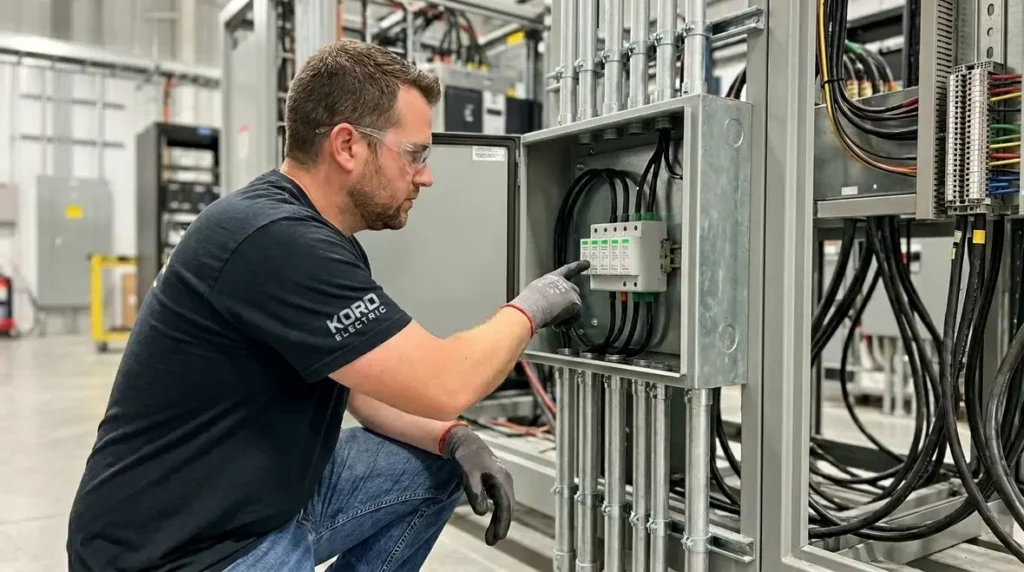
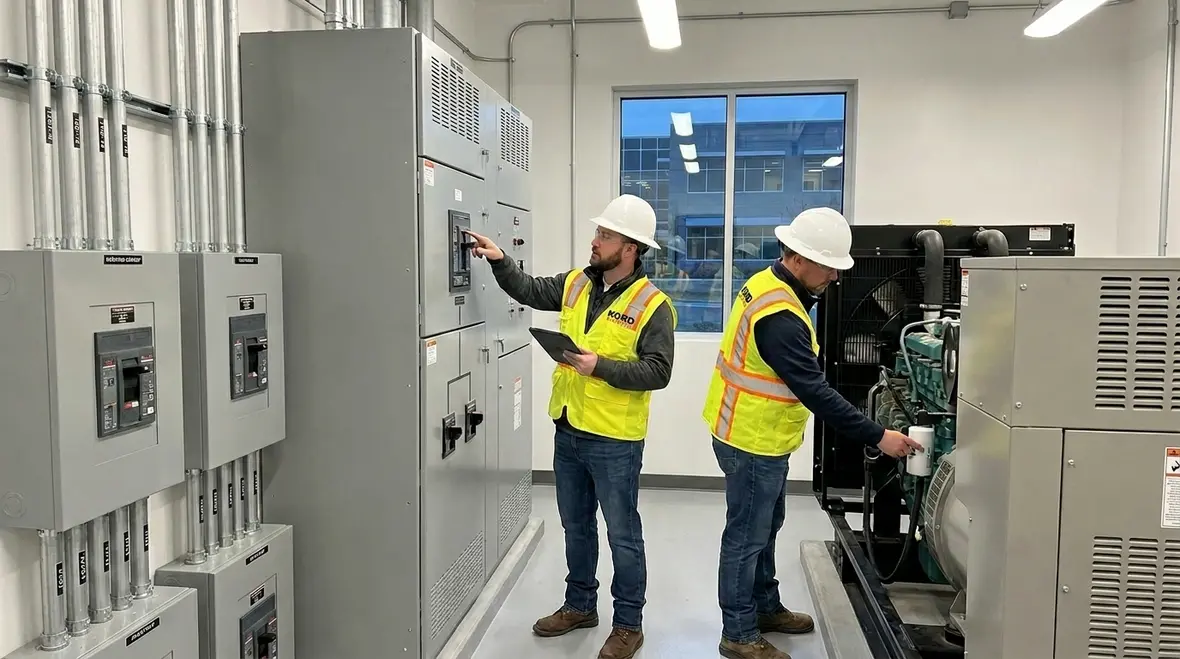
Planning without testing is like writing a fire drill script that never meets a fire. Therefore, we recommend a testing and inspection schedule based on code expectations and actual system behavior. Our team reviews generator sets, transfer switches, UPS systems where applicable, battery storage, automatic controls, and distribution paths that feed emergency loads. We also check protective devices so they behave as intended during abnormal conditions.
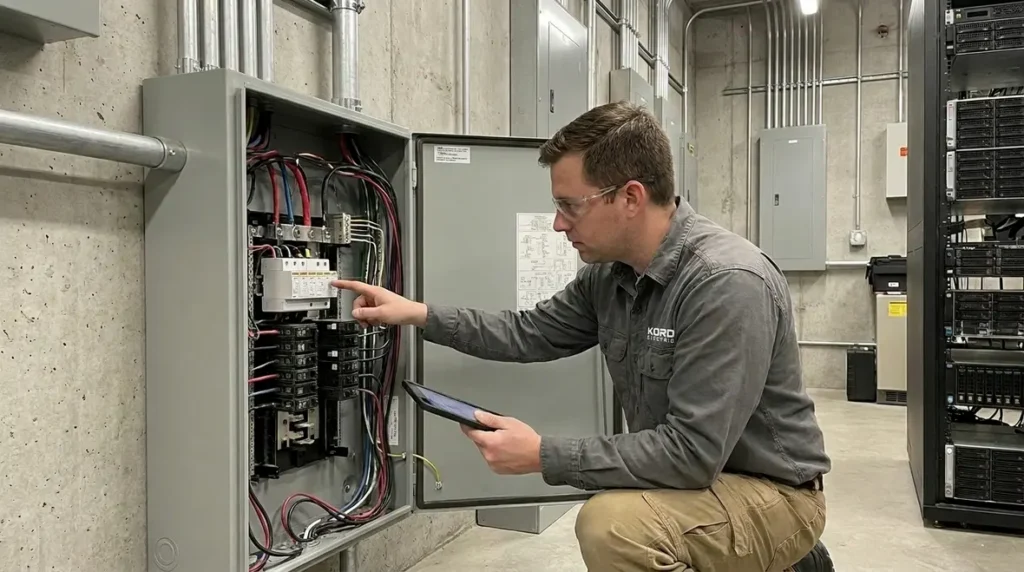
We advise others to perform functional tests for transfer and verify actual load pickup. Then we record results and compare them to baseline performance. If loads transfer correctly but alarms show unusual patterns, we investigate before an event creates a bigger problem. Moreover, we verify labeling and signage around switchgear and transfer equipment. During an emergency, people do not have time for detective work. Clear labels reduce mistakes.
In addition, we align maintenance activities with the plan. When a component is serviced, the plan should reflect the updated configuration and any temporary changes. Our technicians help keep the emergency electrical preparedness for businesses program consistent with real operation, not just with documentation. For facilities that want deeper risk reduction, we often connect these efforts with structured electrical preventive maintenance so testing, inspection, and planning work together instead of in separate silos.
Train Staff and Practice Communication During Outages
Even a well built electrical system can fail if people do not respond the right way. So we build training that targets the roles your facility actually uses. That includes operations staff, security teams, facilities leadership, and any staff who support tenant communications in major property buildings.
First, we teach core concepts. Others learn how emergency power starts, what “normal” looks like, and what abnormal readings mean. Next, we walk through response sequences for transfer equipment and the steps required to prevent overload. Then we practice communication using scenarios. For example, the outage might affect elevators, or it might disrupt a specific production line. Teams learn how to provide updates to internal leadership and, when needed, to tenants with accurate information and realistic expectations.
Our expert service staff also reinforces safety habits. During training, we emphasize safe access, lockout considerations, and how to avoid risky shortcuts. Because when people panic, they sometimes do things that feel fast but create extra damage. We prefer calm efficiency over chaos, even if the chaos looks like a blockbuster movie trailer.
Document Everything and Keep the Plan Current
Emergency plans should not sit in a binder and turn into an artifact. Instead, we help commercial and industrial facilities maintain the plan as a living document. That means version control, update triggers, and clear responsibilities for review. For instance, when equipment is added, removed, or reconfigured, the emergency electrical preparedness plan must change too. When a new tenant modifies load profiles in a major property building, we update the critical load map and the response actions.
We also standardize how others store the plan. Some facilities need quick access in electrical rooms, others want it within the facility control center, and many teams want a digital copy that still works during an outage. We make sure it is easy to find, readable, and aligned with the latest one line diagrams. Additionally, we include supporting documents like equipment cut sheets, contact lists, and emergency operating procedures for key systems.
Linking Preparedness with Broader Facility Strategy
Emergency electrical preparedness for businesses works best when it connects with your broader facility strategy instead of living on an island. For example, if you are planning a major lighting retrofit, your emergency plan should reflect how new lighting circuits, controls, and panels affect both normal and backup power behavior. Resources like Kord Electric’s commercial lighting upgrade cost guide help property leaders understand where energy projects intersect with reliability, not just aesthetics.
The same logic applies to commercial kitchen renovations and other high demand spaces. When heavy equipment, HVAC changes, or new process loads appear, the emergency plan must keep up. That is why many facility teams pair emergency planning with efforts such as commercial kitchen electrical upgrades and wiring or broader system modernization, so resilience is baked in rather than bolted on at the end.
Emergency Electrical Preparedness for Businesses FAQ
Request a Commercial Emergency Electrical Review
If your facility is built for productivity, it should also be built for resilience. Kord Electric helps commercial and industrial teams strengthen emergency electrical preparedness for businesses through planning, documentation, testing, and staff training. Our technicians explain system behavior clearly and help your staff respond with calm confidence, not frantic guesswork. Contact us to schedule a review of your critical loads, transfer pathways, and operating procedures. Then we help you turn the plan into something your team can trust when it counts.
When you are ready to move from theory to action, our team can also align your plan with hands-on services like electrical preventive maintenance for commercial and industrial facilities or targeted emergency electrical services. Together, these give your organization a practical roadmap: identify risks early, respond decisively when outages strike, and keep your most important systems ready for the next challenge.