Preventing Commercial Electrical Surges in Buildings
Preventing commercial electrical surges: a plan that holds steady for real buildings
In commercial and industrial environments, preventing commercial electrical surges is not a “nice to have.” It is how we protect production, keep lighting reliable, and stop downtime from turning into a very expensive surprise. When voltage spikes travel through electrical panels, sensitive controls, drives, and data equipment can take damage long before anyone notices symptoms. And then the repair bill arrives like a late party guest who still needs the password to your Wi Fi.
At Kord Electric, we help major property buildings and industrial sites reduce surge risk with proactive strategies, careful system design, and ongoing maintenance. Third person perspective, but the commitment is the same: we focus on prevention first, because replacing equipment after the fact costs more than doing it right the first time.
Where surges start in commercial and industrial power systems
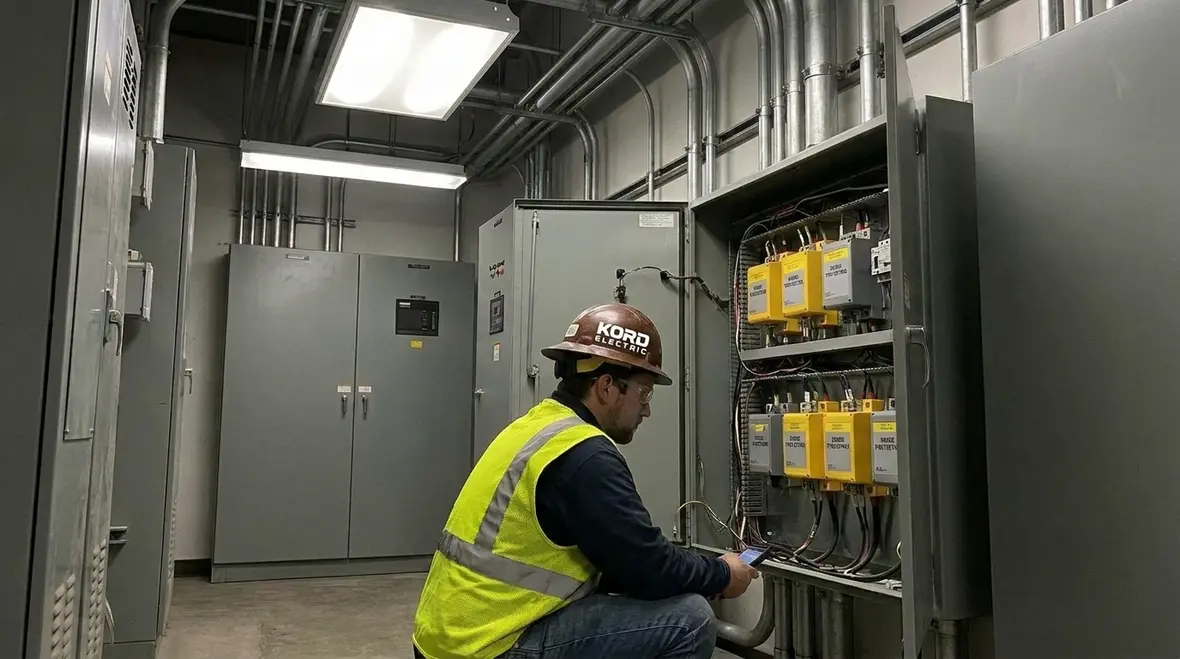
To prevent electrical surges, our team starts with where the problem typically begins. In commercial buildings, surges often trace back to events on the utility side, switching actions inside the building, and grounding or bonding gaps that let energy take the wrong path. In industrial facilities, additional triggers show up: motor starting cycles, compressor loads, welding activity, and variable frequency drives that switch currents fast enough to excite weak parts of the system.
However, the surge story rarely ends at the moment it starts. Instead, energy rides through conductors, couples into adjacent circuits, and gets amplified by long runs, poor coordination, or missing protection layers. Consequently, even if a spike lasts only a fraction of a second, the impact can be immediate to electronics or cumulative to insulation over time.
As our experienced service staff explains to facility managers, the “surge” is not always one dramatic event. Sometimes it is a pattern of small disturbances that chips away at reliability. Others think the lights flickering is harmless. Then the control cabinet fails during normal operation, and everyone suddenly becomes an electrical expert on a Friday night.
In some facilities, these disturbances show up alongside broader power quality issues. If your building has already wrestled with voltage swings, our deeper dive on voltage fluctuations in commercial and industrial facilities connects the dots between those fluctuations and the surges that quietly stress equipment over time.
Practical prevention steps that reduce surge damage before it happens
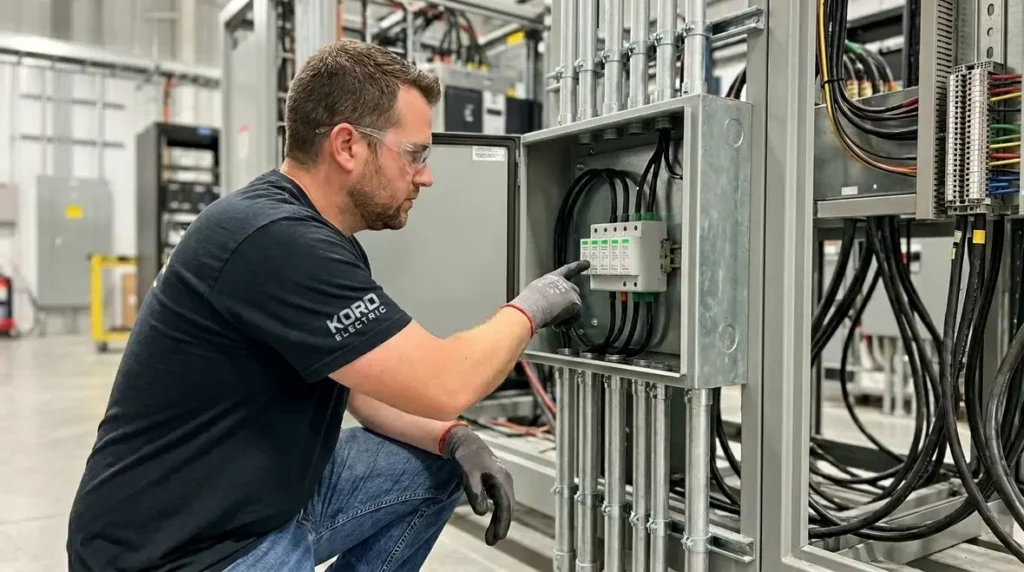
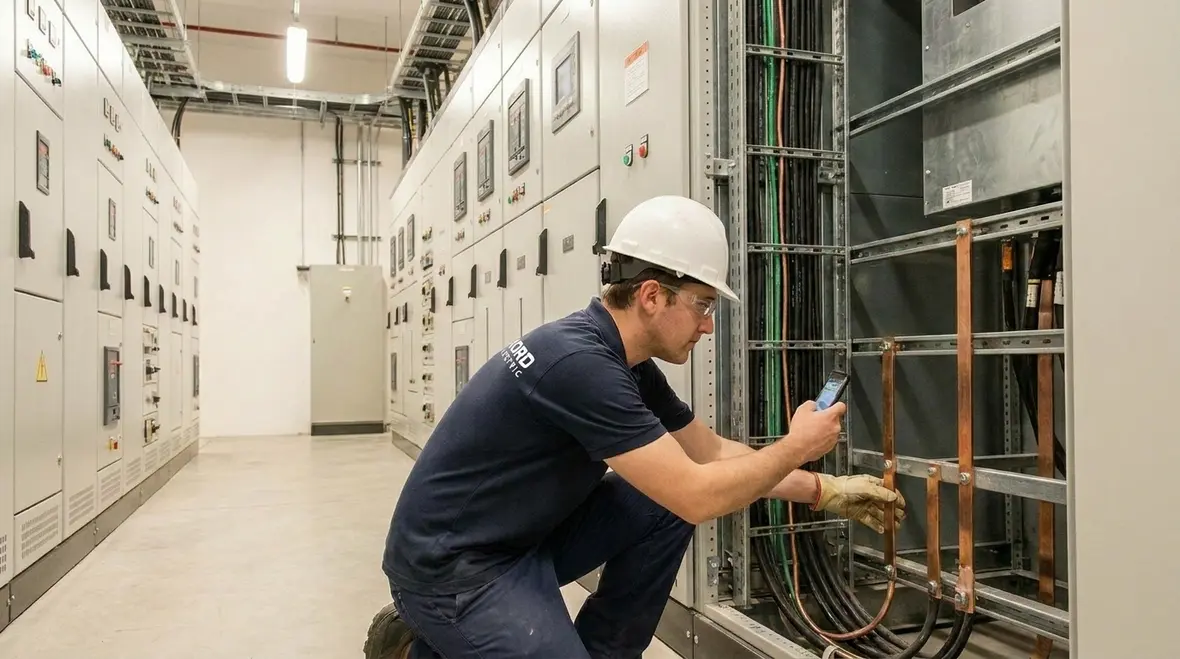
When we design or upgrade a commercial electrical system, we build surge resilience in layers. Each layer handles a different part of the risk, so the facility does not rely on a single device like a magic charm. First, we focus on proper panel design and conductor routing, because surges prefer paths with lower impedance and fewer barriers. Next, we use surge protective devices at strategic locations so the energy gets redirected safely. Finally, we verify coordination so one protection device does not fight another.
Additionally, we review grounding and bonding to make sure protective systems share a stable reference. If grounding impedance is high or bonds are loose, surge protection can perform poorly when the moment arrives. Then we check that the building’s electrical one line matches what is actually installed in the field, since mismatches create blind spots.
- We perform targeted evaluations on switchgear, panels, and distribution paths where surges can travel.
- We specify protective devices sized for the facility’s voltage and operating profile, not generic catalog assumptions.
- We coordinate protection so upstream and downstream devices work together, not against each other.
- We verify field connections and tightening points, because loose terminations can turn a harmless event into a heat problem.
We also connect these surge prevention layers to broader reliability strategies. For facilities already rolling out structured electrical preventive maintenance, surge mitigation becomes part of a single, unified plan instead of a separate, forgotten project file.
Of course, protection alone does not fix every issue. Yet when prevention is done with discipline, Preventing commercial electrical surges becomes a repeatable process, not a scramble after equipment acts up.
How surge protective devices should be selected and maintained
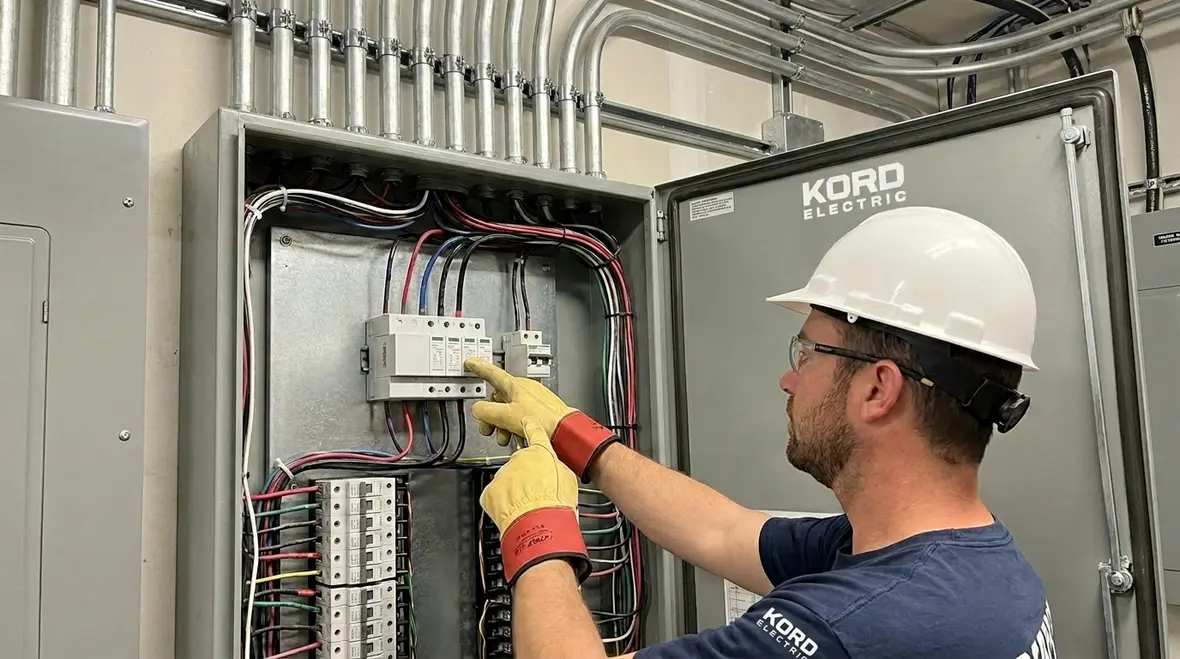
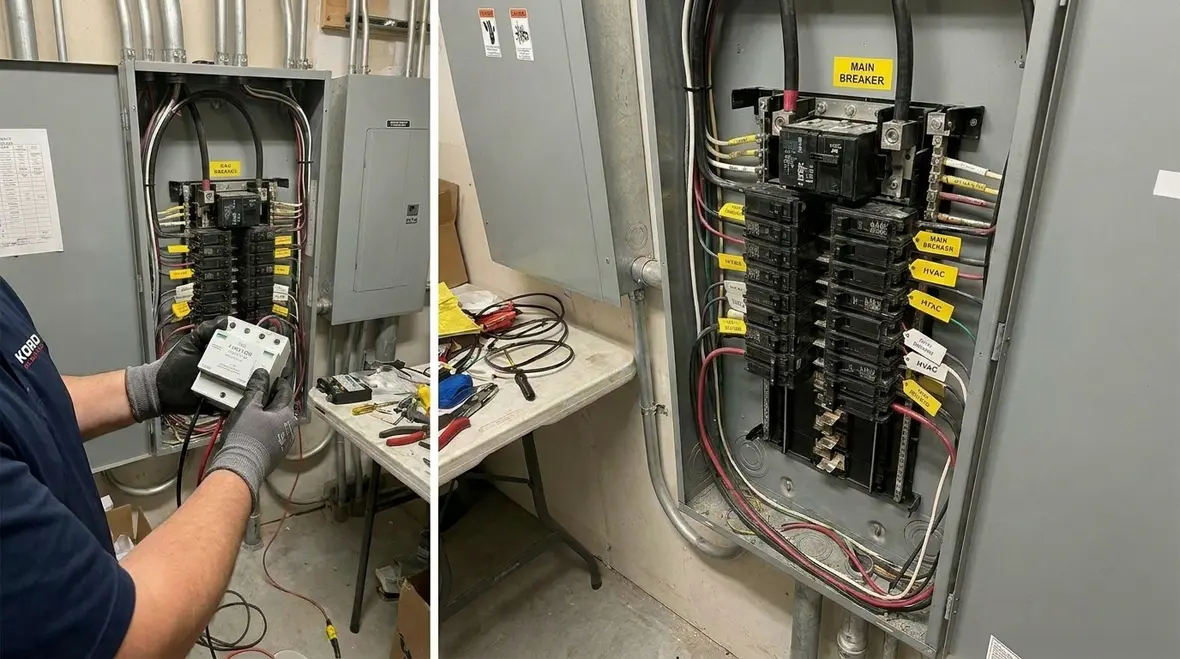
Many facilities install surge protective devices and then forget them, like buying a fire extinguisher and leaving it in the trunk forever. Our technicians and expert service staff take the opposite approach. We help clients understand that surge protective devices must match the system, the load profile, and the duty cycle. Also, these devices age, and performance can change after repeated events.
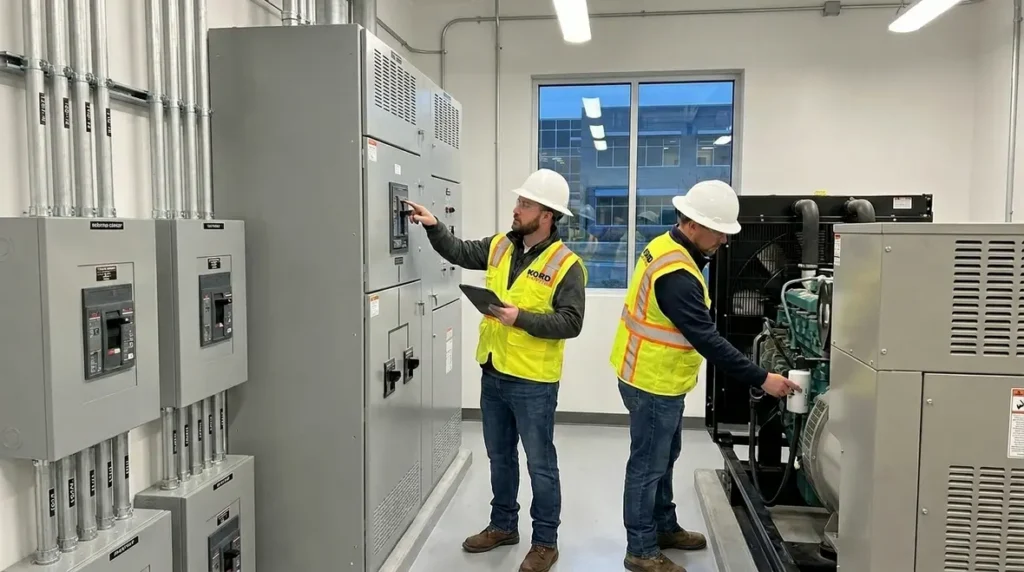
In commercial and industrial settings, we typically focus on where the protection matters most: switchgear for distribution, panels feeding critical loads, and areas where sensitive equipment connects. Then we confirm that the device voltage ratings, discharge capability, and clamping characteristics align with the actual electrical environment. If the facility has motor drives or high switching loads, we account for those disturbances as well.
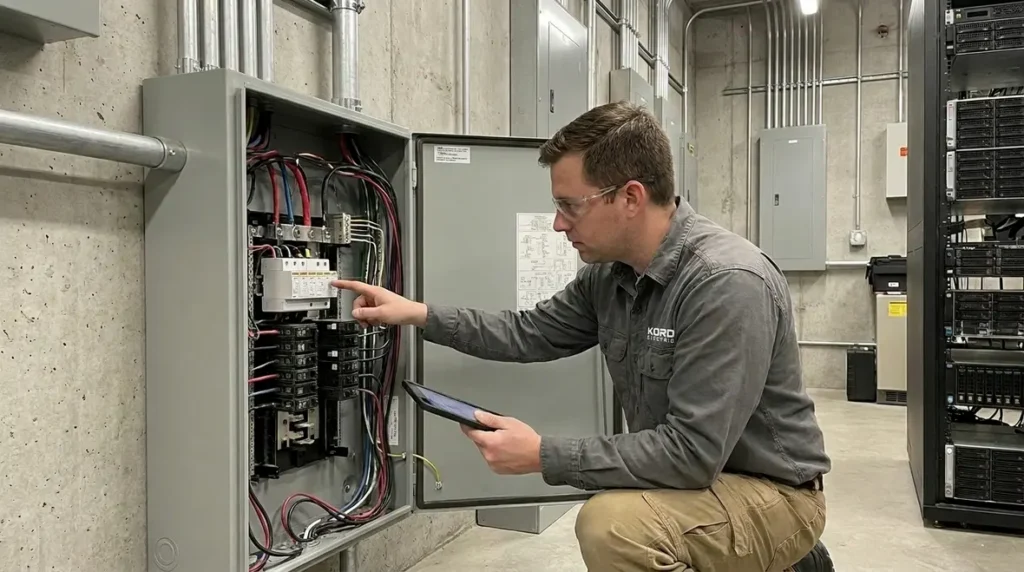
Then comes maintenance, which is where many programs quietly fail. However, with proper inspection schedules, we can identify indicators like end of life status, abnormal alarms, or signs of thermal stress. As a result, we replace protection before it becomes a paperweight.
- We document device types, locations, and ratings for each major building system.
- We check indicators and alarms, and we inspect terminations for heat or looseness.
- We coordinate protective levels so nuisance tripping and ineffective clamping do not occur.
- We verify compliance with the facility’s operational needs, including continuity expectations.
And if a manager ever asks, “Do we really need to check those again?” we answer politely: yes, because surges do not ask permission before they show up. They just arrive.
Mitigating voltage fluctuations with coordination, power quality, and grounding
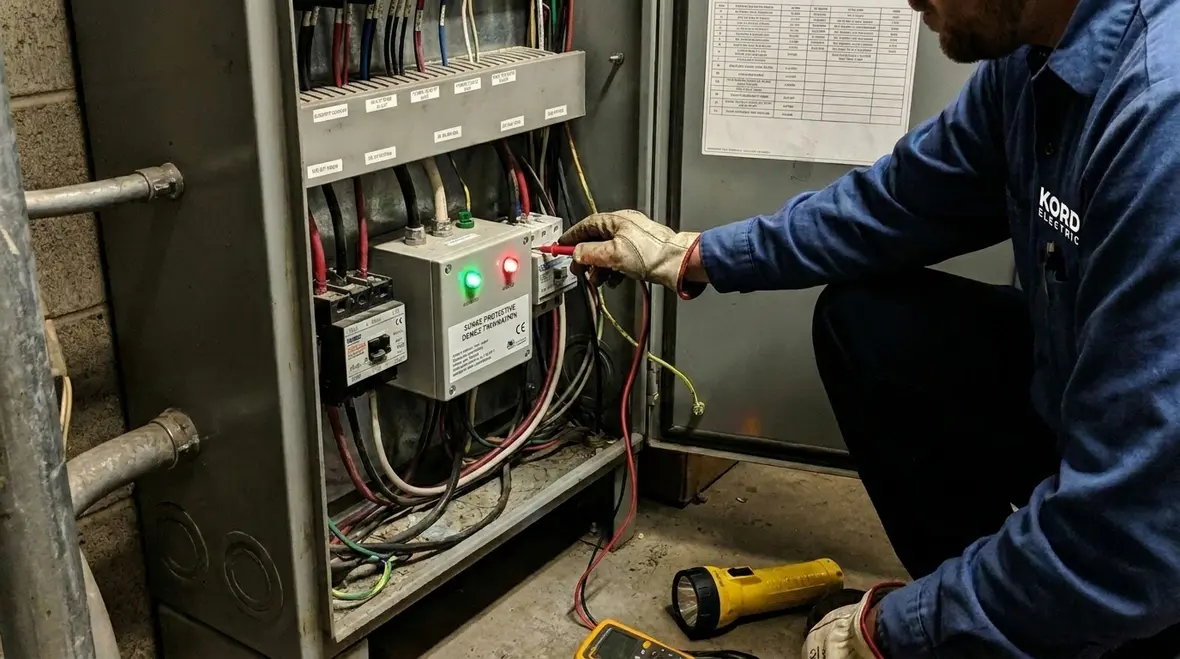
Voltage fluctuations and surges often travel together, like a duo from a bad sitcom. One causes stress, the other adds the punchline. Our approach treats power quality as part of the same prevention picture. That is why we align protective devices with grounding systems, ensure correct bonding practices, and review how loads and switching events interact.
In our internal work, we use the same principles discussed in our article on voltage fluctuations in commercial and industrial settings because the causes overlap. For instance, a facility might see fluctuation due to switching in distribution, heavy motor starting, or uneven loading across phases. Even when the utility system behaves, internal switching can create disturbances that resemble utility-side events.
To reduce risk, we focus on coordination and system design details. We ensure protective devices match the facility’s electrical structure. We verify that neutral handling and bonding points align with the equipment needs. Then we check that grounding paths are sized and connected to maintain stable reference during transient events.
When needed, we help clients implement monitoring for critical panels so they can spot patterns early. Monitoring does not just collect data. It supports decisions, like when to schedule targeted upgrades or when to address a recurring switching-related disturbance.
Routine electrical maintenance that actually prevents surprises
Preventing failures in major property buildings and industrial facilities requires more than one-time installation. It requires a disciplined maintenance rhythm. And we keep that rhythm practical, so it fits facility operations instead of disrupting them every week like an uninvited podcast episode.
Our technicians set up maintenance that targets the failure points surges exploit. We focus on connections, insulation health, breaker and switch performance, and the integrity of protective systems. If a termination runs loose, resistance rises, heat builds, and protection performance can drift. Over time, that drift makes the next transient more dangerous.
We also help clients plan inspection intervals based on environment. Areas with frequent switching, heavy industrial loads, or harsh conditions need more attention. Additionally, we coordinate maintenance with other site schedules so the facility stays productive.
- We inspect panels, switchgear, and distribution components where transients can couple into sensitive branches.
- We test and observe protective devices during planned visits, including indicator and condition checks.
- We review changes in the building’s electrical load profile, because new equipment can shift risk patterns.
- We confirm documentation accuracy so the one line diagram reflects reality.
Ultimately, maintaining electrical systems is prevention in slow motion. It keeps small issues from becoming major outages that nobody budgets for.
What our process looks like for commercial and industrial facilities
When Kord Electric supports a facility, we start by listening to what the building has already experienced. Then we move into a structured assessment of electrical paths, protective layers, and key loads. This approach helps facility owners avoid vague recommendations and instead get a clear plan with priorities.
Next, our expert service staff explains findings in plain language. We also walk clients through how prevention improves reliability, not just how it looks on paper. We then propose upgrades or refinements that match the facility’s operating needs, including uptime expectations. After implementation, we verify performance and maintenance readiness.
Importantly, we keep this scope focused on commercial and industrial buildings, major property buildings, and the systems that support them. We are not chasing every random residential request. We concentrate where the cost of downtime is real and the stakes are higher.
If you are thinking, “Sounds good, but where do we start?” we begin with your critical panels, surge-prone branches, and the equipment that cannot afford downtime. That is where prevention pays the fastest.
For facilities that want Preventing commercial electrical surges to tie into broader system planning, our team can also align surge mitigation with larger upgrade initiatives—from targeted panel work to full commercial electrical rewiring programs that modernize aging infrastructure.
FAQ
Conclusion: let’s build a surge resistant electrical system
Commercial electrical reliability does not come from hope. It comes from measured prevention, layered protection, and maintenance that keeps pace with how your facility actually operates. Kord Electric helps major property buildings and industrial sites reduce risk with careful system evaluation, proper device selection, grounding review, and ongoing service from our technicians and expert staff. If you want a calmer, steadier electrical environment, contact Kord Electric today and schedule an assessment. We’ll help you stop surprises before they start, and nobody likes surprises that break equipment.
If you are already thinking about broader reliability improvements, our team can align surge prevention with structured electrical preventive maintenance services that keep critical equipment in top condition year-round. From there, we can scale into focused service packages tailored to your property’s risk profile instead of handing you a one-size-fits-nobody checklist.
And when your facility is ready for a deeper conversation about how surge protection fits into long term system planning, our commercial and industrial electrical team can map out upgrade paths that support everything from everyday operations to future projects like EV charging, specialized process loads, or large-scale lighting retrofits. The goal stays the same: a stable, surge-resistant electrical backbone that keeps your building open, productive, and ready for what comes next.
To take the next step toward a surge-resilient facility, explore our dedicated electrical preventive maintenance service page and see how a structured maintenance program can lock in the gains from your surge mitigation plan while supporting code compliance and long term system health.